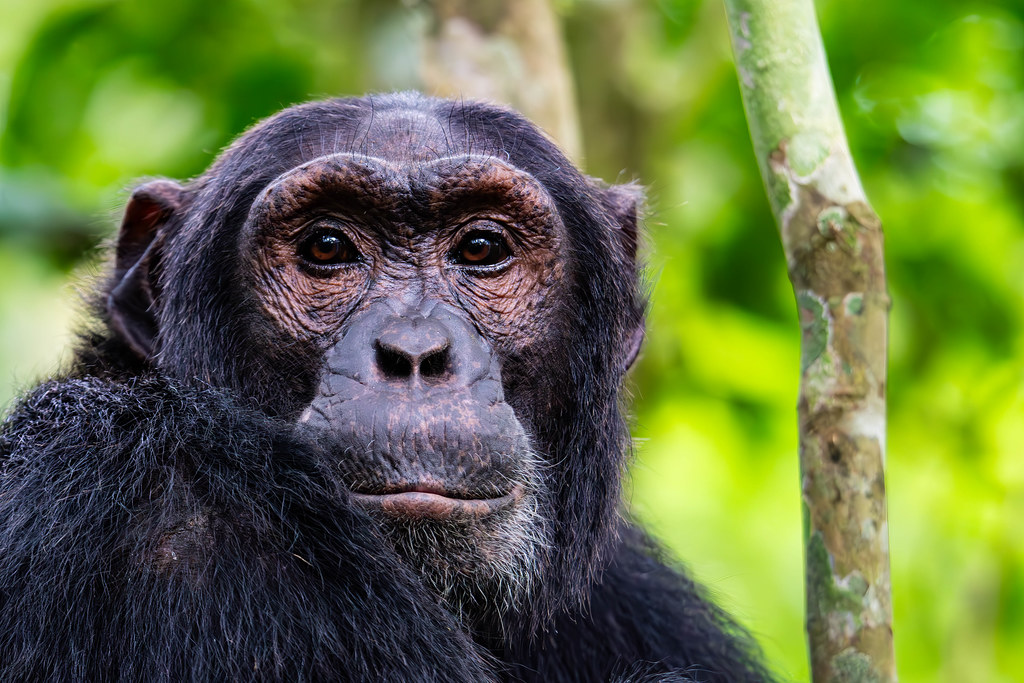
Chimpanzee Trekking in Uganda
In the heart of Uganda’s tropical forests, where towering fig trees knit a green canopy overhead and the air hums with insects and birdsong, lives one of humanity’s closest relatives — the chimpanzee. To track chimpanzees in the wild is to enter a world of energy, intelligence, and sound. Unlike the quiet gravity of gorilla encounters, chimpanzee trekking is dynamic, fast-paced, and often filled with dramatic vocalizations that echo through the forest.
Uganda is one of the best destinations in Africa for chimpanzee trekking, offering accessible forests, habituated communities, and experienced ranger guides who interpret every movement and call.
Kibale Forest: The Primate Capital of the World
The most renowned destination for chimpanzee trekking in Uganda is Kibale National Park. Often referred to as the “Primate Capital of the World,” Kibale protects a rich tropical rainforest ecosystem that supports more than a dozen primate species, including a large population of habituated chimpanzees.
Located near Fort Portal, Kibale’s forest is lush and layered, with tall hardwood trees, vines, and swampy clearings. The trekking experience begins early in the morning with a briefing from Uganda Wildlife Authority rangers. Visitors are divided into small groups and assigned to specific chimpanzee communities.
Once inside the forest, trackers listen carefully for pant-hoots — the distinctive calls chimpanzees use to communicate across distance. When the troop is located, the atmosphere shifts instantly. Chimpanzees rarely stay still for long. They move quickly through the canopy, leap between branches, and descend to the forest floor to forage.
Unlike gorilla trekking, which emphasizes stillness, chimpanzee trekking demands alertness. You may find yourself craning your neck to follow movement overhead or stepping swiftly to keep up with the troop.
Visitors are allowed one hour in the presence of the chimpanzees once located. During that time, you may observe grooming behavior, playful juveniles tumbling across branches, or dominant males asserting authority with loud displays.
Budongo Forest: A Hidden Gem
Within Murchison Falls National Park lies the expansive Budongo Forest, another excellent chimpanzee trekking destination. Budongo is one of Uganda’s largest remaining natural forests and offers a slightly different experience compared to Kibale.
The forest here is characterized by majestic mahogany trees and a more open understory, making sightings occasionally easier. The chimpanzee communities in Budongo are also well habituated, and the tracking process is guided by experienced researchers and rangers.
Budongo’s proximity to the Nile and the dramatic Murchison Falls allows travelers to combine chimpanzee trekking with classic savannah safari experiences in one itinerary.
Kyambura Gorge: The Valley of Apes
In Queen Elizabeth National Park, a dramatic chasm slices through the savannah landscape — Kyambura Gorge. Often called the “Valley of Apes,” this lush, forested ravine shelters a small but fascinating community of chimpanzees.
Trekking here begins with a descent into the gorge, where dense vegetation contrasts sharply with the surrounding grasslands. The experience feels almost secretive, as if entering a hidden world.
Chimpanzee sightings in Kyambura can be less predictable due to the smaller population, but the setting itself makes the adventure worthwhile. The contrast between open savannah and tropical forest is striking, and the sense of isolation adds to the experience.
The Chimpanzee Habituation Experience
For those seeking deeper immersion, Kibale also offers a Chimpanzee Habituation Experience. Unlike standard trekking, which allows one hour with the chimps, habituation permits visitors to spend extended time — sometimes up to four hours — observing researchers as they work with semi-habituated groups.
This experience offers insight into chimpanzee behavior, social structures, feeding habits, and communication. It is ideal for wildlife enthusiasts, photographers, and those curious about primate research.
What Makes Chimpanzee Trekking Unique?
Chimpanzees share approximately 98% of their DNA with humans. Watching them interact can feel surprisingly familiar. Mothers cradle infants with tenderness. Juveniles test boundaries. Adults form alliances and occasionally engage in dominance displays.
Their vocalizations are particularly powerful. The forest can erupt with pant-hoots, screams, and drumming on tree trunks. These sounds communicate excitement, territory, or reunion.
The energy of chimpanzee trekking often surprises first-time visitors. It is less serene than gorilla trekking but equally captivating.
Best Time to Go
Chimpanzee trekking in Uganda is possible year-round. However, the dry seasons — generally June to September and December to February — offer more comfortable hiking conditions. Trails are less muddy, and visibility can be better.
That said, rainforests remain green and vibrant even during wetter months. Chimpanzees may also stay closer to ground level when fruit is abundant, potentially enhancing sightings.
Preparation and Guidelines
Trekking requires moderate fitness. Forest terrain can be uneven, slippery, and occasionally steep. Wearing sturdy hiking boots, long trousers, and neutral-colored clothing is recommended.
Visitors must maintain a safe distance from chimpanzees to prevent disease transmission. Anyone feeling unwell is advised not to participate. Flash photography is prohibited.
Following ranger instructions is essential — both for visitor safety and the welfare of the animals.
More Than a Wildlife Encounter
Chimpanzee trekking in Uganda is more than a checklist activity. It is an encounter with intelligence, emotion, and complexity in the wild.
As you stand beneath towering trees listening to distant calls, you may feel a sense of connection that transcends species. The forest becomes more than scenery; it becomes a living network of relationships.
Uganda’s commitment to primate conservation ensures that these encounters remain sustainable and meaningful. Permit fees support forest protection, research, and local community initiatives.
In the end, chimpanzee trekking is not just about seeing apes. It is about stepping into their world — briefly, respectfully, and with awe.
And when the forest falls quiet again, long after the chimps have moved deeper into the canopy, you carry with you the echo of their calls — a reminder of how closely our stories are intertwined.