
Gorilla Doctors: How Mountain Gorilla Health Is Monitored
Mountain gorillas are among Africa’s most closely monitored wild animals. These endangered primates live in the mountain forests of Uganda, Rwanda and the Democratic Republic of Congo, where conservation teams work to protect them from disease, injuries and other threats.
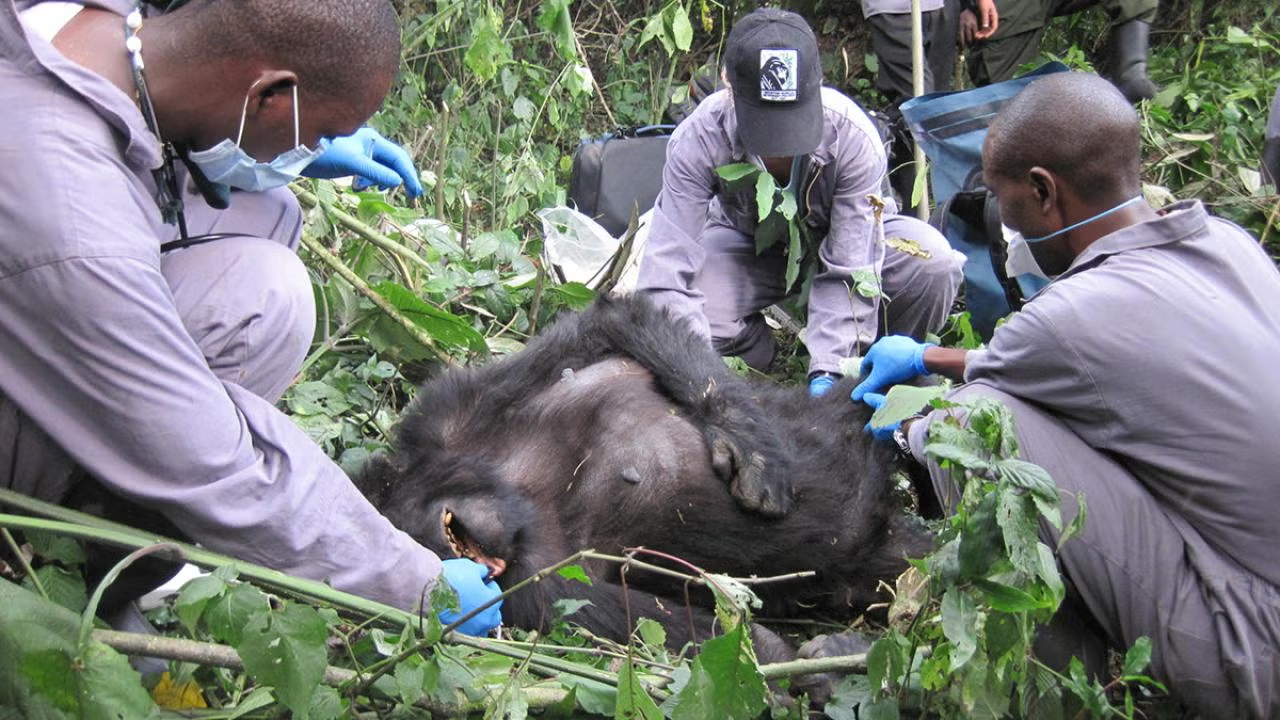
Gorilla Doctors play an important role in this work. Their veterinary teams monitor gorilla health, investigate signs of illness and provide treatment when intervention is necessary.
Unlike animals kept in captivity, wild mountain gorillas cannot receive routine medical examinations without considerable risk. Veterinarians must therefore rely on careful observation, information from trackers and specialist wildlife medical procedures.
For travellers planning gorilla trekking in Uganda or Rwanda, understanding how mountain gorilla health is monitored provides valuable information about the conservation work taking place behind every visit.
Who Are Gorilla Doctors?
Gorilla Doctors is a wildlife veterinary programme dedicated to protecting mountain gorillas and Grauer’s gorillas through veterinary medicine.
The programme works with wildlife authorities and conservation partners in Uganda, Rwanda and the Democratic Republic of Congo.
Its teams include experienced wildlife veterinarians and other conservation professionals.
Their work focuses on identifying health problems, monitoring affected gorillas and providing medical care when appropriate.
Gorilla Doctors also support disease prevention and professional training.
The programme’s approach recognises that protecting gorillas requires attention to the health of animals, people and their shared environment.
Where Do Gorilla Doctors Work?
Mountain gorillas occur in two main geographical populations.
One lives in the Bwindi region of Uganda.
The other occupies the Virunga mountain landscape shared by Uganda, Rwanda and the Democratic Republic of Congo.
| Country | Mountain gorilla habitat | Conservation activities |
|---|---|---|
| Uganda | Bwindi Impenetrable National Park | Health monitoring and veterinary interventions |
| Uganda | Mgahinga Gorilla National Park | Gorilla protection and health surveillance |
| Rwanda | Volcanoes National Park | Monitoring, veterinary care and disease prevention |
| DR Congo | Virunga National Park | Gorilla health monitoring and conservation support |
Veterinary access depends on security, weather, terrain and coordination with the relevant wildlife authorities.
How Mountain Gorilla Health Is Monitored
Gorilla health monitoring involves several levels of observation.
Daily Observations by Trackers
Trackers and rangers spend considerable time observing habituated gorilla groups.
They become familiar with individual animals and their normal behaviour.
This knowledge helps them notice unusual changes.
A gorilla that normally feeds actively but suddenly stops eating may require attention.
Similarly, persistent coughing, unusual movement or visible injuries may indicate a health concern.
Trackers report these observations to veterinary teams.
Veterinary Monitoring Visits
When trackers report possible illness or injury, veterinarians may visit the affected gorilla group.
They observe the animal from an appropriate distance.
The team assesses visible symptoms, behaviour and the animal’s general condition.
These observations help determine whether continued monitoring or medical treatment is necessary.
Follow-Up Examinations
Gorillas recovering from illness or injury may require additional monitoring.
Veterinarians assess whether the animal is feeding, moving and interacting normally.
Recovery can take time, and repeated observations help teams evaluate progress.
Signs That a Gorilla May Be Unwell
Wildlife veterinarians look for several possible indicators of poor health.
| Observation | Possible concern | Veterinary response |
|---|---|---|
| Persistent coughing | Respiratory illness | Assessment and monitoring |
| Reduced feeding | Illness or injury | Further observation |
| Difficulty walking | Injury or weakness | Veterinary examination |
| Visible wounds | Trauma or infection | Assessment for treatment |
| Unusual inactivity | Possible illness | Health monitoring |
| Abnormal breathing | Respiratory difficulty | Urgent veterinary assessment |
A single symptom does not establish a diagnosis.
Veterinarians consider several observations before deciding what action is appropriate.
Why Mountain Gorillas Are Vulnerable to Human Diseases
Mountain gorillas share much of their genetic makeup with humans.
This biological relationship makes them susceptible to certain infectious diseases that also affect people.
Respiratory infections are a particular concern.
Viruses and other pathogens may spread through close contact under suitable conditions.
Gorillas live in social groups, meaning illness can potentially affect several individuals.
Tourists, trackers, researchers and other people entering gorilla habitats must therefore follow disease prevention rules.
Avoiding unnecessary exposure is an important part of protecting gorilla populations.
How Gorilla Doctors Treat Sick Animals
Veterinary treatment is considered when a gorilla faces a serious health problem that may benefit from intervention.
The team first assesses the animal’s condition and the risks involved.
Sometimes continued monitoring is safer than immediate treatment.
In other situations, veterinary action may be necessary.
Treating Respiratory Illness
Respiratory infections can threaten gorilla health.
Veterinarians assess symptoms and determine whether treatment is appropriate.
The choice of medication depends on the suspected or confirmed condition.
Antibiotics, for example, are not effective against viruses themselves.
They may be appropriate when veterinarians identify or suspect certain bacterial infections.
Treating Injuries
Gorillas may suffer injuries during fights, accidents or encounters with dangerous objects.
Some wounds heal without intervention.
More serious injuries may require veterinary attention.
The team evaluates the injury before deciding whether treatment would improve the animal’s chances of recovery.
When Is Darting Necessary?
Darting allows trained wildlife veterinarians to administer medication remotely when direct handling would be unsafe or impractical.
It may be used during certain interventions requiring immobilisation.
However, darting a wild gorilla involves significant risks.
Other gorillas may remain nearby, including protective silverbacks.
The environment may also make safe treatment difficult.
Veterinary teams therefore use carefully planned procedures and work with experienced trackers and rangers.
Darting is never an ordinary tourist activity.
Why Gorilla Doctors Avoid Unnecessary Interventions
Wild gorillas should be allowed to maintain their natural behaviour.
Medical intervention may cause stress and disturb social groups.
For this reason, veterinarians do not treat every minor injury.
Their decisions consider the severity of the condition, the likelihood of recovery and the risks associated with intervention.
A life-threatening illness or injury, particularly one linked to human activities, may justify treatment.
However, each case requires professional judgement.
The main objective is to protect gorilla health while minimising unnecessary disturbance.
The Role of Rangers and Trackers
Veterinarians depend on information collected by field teams.
Trackers help identify individual gorillas and locate groups within forest habitats.
Rangers also contribute to protection and operational safety.
Their knowledge is particularly valuable when a gorilla becomes ill.
For example, a tracker who has observed the same group regularly may notice changes that would be difficult for a visiting veterinarian to recognise immediately.
This cooperation allows veterinary teams to respond more effectively.
Gorilla Health and the One Health Approach
Gorilla Doctors uses an approach commonly called One Health.
This recognises connections between human health, animal health and environmental conditions.
People working near gorillas may face occupational health risks.
Gorillas may also face disease exposure through human activities.
Improving disease prevention among conservation workers can therefore support gorilla protection.
Education, hygiene practices and appropriate health measures form part of this work.
Healthy habitats also contribute to the long-term wellbeing of wildlife.
Gorilla Trekking Rules That Protect Animal Health
Gorilla trekking generates important conservation revenue, but visitor activities require careful management.
Rules help reduce disturbance and disease transmission.
Visitors should:
Avoid trekking when experiencing symptoms of infectious illness.
Maintain the required distance from gorillas.
Follow instructions about face masks.
Avoid touching or feeding gorillas.
Keep voices low.
Follow the permitted viewing duration.
Obey instructions from authorised guides.
Specific requirements may vary between destinations and can change.
Always follow the current rules issued by the responsible wildlife authority.
What Happens When a Gorilla Approaches Tourists?
Sometimes gorillas move towards visitors unexpectedly.
You should remain calm and follow your guide’s instructions.
Do not attempt to touch the animal.
Avoid sudden movements or actions that could cause distress.
Your guide will manage the situation according to established procedures.
Even when a gorilla approaches voluntarily, avoiding unnecessary close contact remains important for disease prevention.
Challenges Facing Gorilla Veterinary Teams
Mountain gorilla habitats contain steep slopes, dense vegetation and difficult walking conditions.
Reaching an injured gorilla can require considerable physical effort.
Heavy rainfall may complicate movement.
Veterinarians must also work around powerful animals that may react defensively.
Other challenges include limited access to equipment in remote locations and the need for continued health surveillance.
Successful veterinary work depends on training, preparation and cooperation among conservation teams.
How Tourism Supports Gorilla Health Monitoring
Gorilla trekking permits generate revenue for wildlife management and related conservation activities.
Tourism also supports employment for guides, trackers, accommodation workers and surrounding communities.
However, permit revenue is distributed according to the arrangements of the relevant authorities.
Travellers should not assume that every permit payment goes directly to Gorilla Doctors.
You can support responsible conservation by choosing authorised trekking experiences and following health regulations.
These actions help reduce avoidable risks to gorillas.
Can Tourists Visit Gorilla Doctors During Their Safari?
Wildlife veterinary interventions are restricted professional operations.
Tourists cannot ordinarily accompany veterinary teams during medical treatment.
Such activities involve animal welfare concerns and operational risks.
Some conservation organisations provide educational information about their work.
Travellers interested in learning more should seek appropriate educational opportunities through recognised organisations.
Gorilla trekking itself should remain focused on respectful wildlife observation.
How Gorilla Health Monitoring Supports Conservation
Monitoring allows conservation teams to recognise health concerns and evaluate the condition of known gorilla groups.
Veterinary intervention can sometimes save animals affected by serious illness or injury.
However, veterinary care is only one part of mountain gorilla conservation.
Habitat protection, ranger patrols, disease prevention and community cooperation remain essential.
A healthy gorilla population depends on continued work across all these areas.
Gorilla Doctors play an important role in protecting mountain gorillas through health monitoring, disease prevention and veterinary treatment.
Their work depends on cooperation with trackers, rangers and wildlife authorities.
Daily observations help identify problems, while specialist veterinary assessments determine when treatment is necessary.
For travellers visiting Uganda or Rwanda, understanding this work provides a fuller picture of gorilla conservation.
By following trekking regulations and respecting gorilla health precautions, you can help protect the animals you have travelled to see.




No comment