
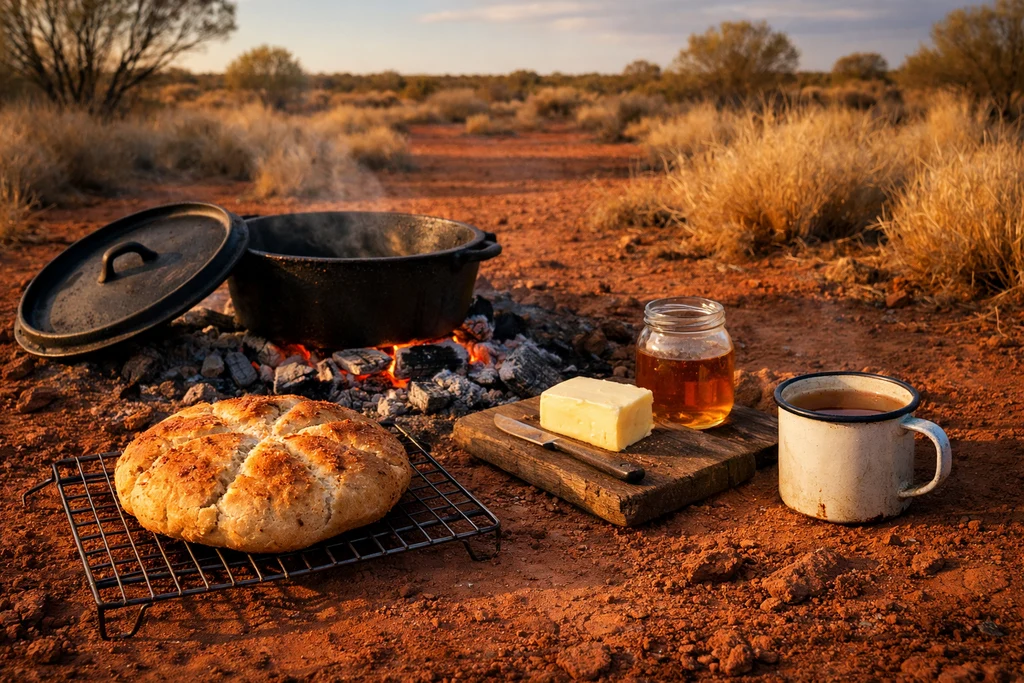
Bush Bread: How Safari Cooks Bake in Camp Ovens and Pits
Bush bread is one of the traditional cooking experiences you may encounter while staying at a safari camp in East Africa. Despite being surrounded by remote landscapes, safari cooks often prepare fresh bread using charcoal ovens, cast-iron pots and carefully managed outdoor cooking fires.
In Uganda, Kenya and Tanzania, some safari camps continue to use simple baking methods that require skill and experience. The results can include soft bread rolls, crusty loaves, flatbreads and other freshly baked foods served with breakfast or dinner.
For travellers interested in safari food and traditional cooking, learning how bush bread is prepared offers an opportunity to understand life behind the scenes at a safari camp.
What Is Bush Bread?
Bush bread refers to bread prepared in a safari camp or outdoor setting using available cooking equipment.
It is not one specific recipe.
Instead, the term describes different breads baked using methods suited to camp kitchens.
Some cooks use portable ovens heated by charcoal.
Others prepare bread in covered cast-iron pots or specially constructed outdoor ovens.
Modern safari lodges may also use gas or electric ovens.
Common Bush Bread Baking Methods
| Baking method | Equipment | Typical result |
|---|---|---|
| Charcoal camp oven | Portable metal oven | Bread loaves and rolls |
| Cast-iron pot | Heavy pot with lid | Round crusty bread |
| Pit baking | Prepared cooking pit and covered container | Slowly baked bread |
| Wood-fired oven | Permanent outdoor oven | Bread and pastries |
| Gas oven | Standard camp kitchen equipment | Consistent baking |
The method depends on the camp’s facilities and cooking traditions.
Why Safari Camps Bake Their Own Bread
Remote safari camps are often located far from towns and commercial bakeries.
Transporting fresh bread every day may be expensive or impractical.
Some camps therefore prepare bread on site.
Fresh Food in Remote Locations
A camp cook can prepare bread using flour, water, yeast, salt and other ingredients stored in the kitchen.
These ingredients are relatively easy to transport and keep when properly stored.
Fresh bread can then be served without depending on daily deliveries.
A Traditional Safari Experience
Outdoor cooking has long been associated with camping and safari travel.
Some camps maintain these methods as part of their hospitality traditions.
Guests may enjoy watching the cooking process or learning how portable ovens work.
However, kitchen access depends on the camp’s safety rules.
How Safari Cooks Prepare Bush Bread Dough
Most yeast-raised bush bread begins with familiar baking ingredients.
The dough is mixed, kneaded and allowed to rise before baking.
Common Ingredients
| Ingredient | Purpose |
|---|---|
| Wheat flour | Forms the bread |
| Water | Hydrates the flour |
| Yeast | Helps the dough rise |
| Salt | Adds flavour |
| Sugar | Optional ingredient |
| Cooking oil | Can soften the texture |
| Milk | Used in some recipes |
Recipes vary between camps.
Some cooks prepare plain bread, while others add seeds, herbs or other flavourings.
Mixing and Kneading
The cook combines the ingredients into a dough.
Kneading develops the structure needed for the bread to rise.
The dough is then covered and left to rest.
Warm temperatures may help yeast work more quickly, although excessive heat can affect the results.
Shaping the Dough
Once the dough has risen, it is shaped into a loaf or smaller rolls.
The size depends on the baking equipment.
Smaller rolls may be more convenient in compact camp ovens.
Baking Bread in a Charcoal Camp Oven
Charcoal ovens are used in some mobile safari camps.
They provide a practical way to bake food without relying on electricity.
A camp oven may consist of a metal chamber heated using charcoal.
The cook manages the heat to produce an appropriate baking temperature.
How the Oven Works
The charcoal provides heat around or beneath the baking chamber.
The oven transfers this heat to the bread.
The cook monitors the temperature and adjusts the cooking process as necessary.
Unlike a modern electric oven, charcoal baking may require more frequent attention.
Advantages of Charcoal Ovens
Charcoal ovens can be useful in locations with limited electricity.
They can also accommodate several bread rolls or smaller loaves.
However, charcoal must be used in a properly ventilated outdoor cooking area.
Burning charcoal inside tents or enclosed spaces is dangerous because of carbon monoxide.
Baking Bush Bread in Cast-Iron Pots
Cast-iron pots are another traditional camp cooking tool.
Their thick walls retain heat and help distribute it around the food.
Dutch Oven Bread
A Dutch oven is a heavy cooking pot with a fitted lid.
In outdoor baking, the pot may be heated using carefully controlled charcoal or hot coals.
The enclosed space helps the bread cook.
What Does Cast-Iron Bread Look Like?
Bread baked in a cast-iron pot is often round.
It may develop a firm outer crust and a soft interior.
The exact texture depends on the dough, temperature and baking time.
Some cooks prepare simple white bread, while others use wholemeal flour or additional ingredients.
How Pit Baking Works
Pit baking is another outdoor cooking method.
It involves using a prepared pit to retain heat around a covered cooking container.
The method has been used in different forms in outdoor cooking traditions.
However, it is less common than ordinary oven baking at many modern safari camps.
Preparing a Cooking Pit
Experienced cooks select a suitable outdoor area where fires are permitted.
They prepare a contained heating space.
The bread dough is placed inside suitable covered cookware rather than directly on soil or ash.
Heat from the surrounding cooking materials gradually bakes the bread.
Why Pit Baking Requires Experience
Pit baking requires careful temperature management.
Excessive heat may burn the outside before the centre cooks.
Insufficient heat may leave the dough undercooked.
For safety reasons, visitors should only observe or participate under the supervision of experienced staff.
Open fires and cooking pits must comply with local environmental and fire regulations.
Camp Oven Bread Versus Pit-Baked Bread
| Feature | Camp oven | Pit baking |
|---|---|---|
| Heat source | Charcoal, gas or wood | Retained heat from prepared cooking materials |
| Equipment | Portable or permanent oven | Cooking pit and covered container |
| Temperature control | Usually easier | Requires experience |
| Common bread | Loaves and rolls | Covered-pot bread |
| Preparation | Relatively straightforward | More involved |
| Availability | Found at selected camps | Less common |
Both methods can produce enjoyable bread when managed correctly.
What Does Fresh Bush Bread Taste Like?
Bush bread usually tastes similar to other freshly baked bread.
However, preparation methods influence its texture and crust.
Bread baked in a covered pot may develop a firm exterior.
Bread rolls from a camp oven may be softer.
Wood-fired ovens can produce different browning characteristics.
The flavour also depends on the flour, fermentation and added ingredients.
A smoky taste is not guaranteed, especially when the bread is baked inside a closed container.
Bush Bread at Safari Camps in Kenya
Kenya has several safari camps that prepare fresh bread as part of their dining programmes.
Maasai Mara
Some mobile and permanent camps in the Maasai Mara use outdoor cooking equipment.
Fresh bread may be served with breakfast, lunch or dinner.
Selected camps also offer cooking experiences where guests can learn about traditional preparation methods.
Samburu and Other Safari Areas
Remote camps in other Kenyan wildlife regions may prepare bread on site.
However, cooking equipment and menus vary between properties.
Ask whether fresh camp-baked bread is included.
Bush Bread at Safari Camps in Tanzania
Tanzania’s northern safari destinations include permanent lodges and mobile camps.
Some prepare bread using camp ovens.
Serengeti National Park
Selected Serengeti camps bake bread and pastries on site.
The food may be served during breakfast or alongside evening meals.
The specific method depends on the camp.
Ngorongoro and Tarangire
Some safari accommodations around Ngorongoro and Tarangire also prepare fresh bread.
Modern kitchen equipment may be used alongside traditional outdoor cooking methods.
Bush Bread in Uganda’s Safari Camps
Uganda has safari accommodations in destinations such as Queen Elizabeth, Murchison Falls and Kidepo Valley.
Some lodges provide freshly baked bread.
However, this does not mean every property uses outdoor ovens.
Larger lodges may operate conventional kitchens.
Smaller camps may use simpler equipment depending on their facilities.
If traditional bush baking interests you, ask the accommodation whether a cooking demonstration is available.
What Foods Are Served With Bush Bread?
Bush bread can accompany several meals.
Common Serving Options
| Meal | Typical accompaniment |
|---|---|
| Breakfast | Butter, jam or eggs |
| Lunch | Soup or vegetable dishes |
| Dinner | Stew or grilled meat |
| Afternoon tea | Tea and spreads |
| Bush picnic | Cheese, vegetables or other fillings |
Some camps also prepare bread with herbs or seeds.
Travellers with dietary restrictions should ask about ingredients.
Can Vegan Travellers Eat Bush Bread?
Many simple bread recipes can be vegan.
Flour, water, yeast and salt are plant-based ingredients.
However, some recipes include milk, butter, eggs or honey.
If you follow a vegan diet, inform the camp before arrival.
Ask whether bread can be prepared without animal ingredients.
Travellers with gluten intolerance should also enquire about suitable alternatives.
Food Safety in Safari Camp Baking
Baking in remote locations requires proper food handling.
Ingredients should be stored in clean, dry conditions.
Cooks must use safe water and clean equipment.
Bread should be baked thoroughly.
Prepared food should be protected from insects and contamination.
Fire safety is particularly important when charcoal and wood are used.
Guests should not handle hot cookware or cooking equipment without permission.
Can Travellers Join a Bush Bread Cooking Experience?
Some safari camps allow guests to observe or participate in cooking demonstrations.
These activities may include mixing dough, shaping rolls or learning about camp ovens.
Children may also enjoy supervised food preparation.
However, hot ovens, fires and heavy cookware present risks.
Ask whether the camp offers a formal cooking activity.
Do not enter the kitchen without permission.
Why Bush Bread Is Part of Safari Hospitality
Fresh bread contributes to the dining experience at remote safari camps.
It also demonstrates the practical skills required to prepare meals far from urban facilities.
Camp cooks often work with limited space, changing weather conditions and planned food deliveries.
Preparing fresh bread requires organisation and experience.
For travellers, seeing the process can create a greater appreciation of the work involved in camp hospitality.
Bush bread is an interesting part of traditional safari cooking.
Whether prepared in a charcoal camp oven, cast-iron pot or specially arranged cooking pit, fresh bread requires careful preparation and temperature control.
Selected safari camps in Uganda, Kenya and Tanzania continue to use these methods.
If you are interested in learning about outdoor cooking, ask your safari operator whether a supervised bush bread demonstration can be included in your stay.

No comment