
Fresh Fish Markets on Lake Tanganyika and Lake Victoria: Visiting at Dawn
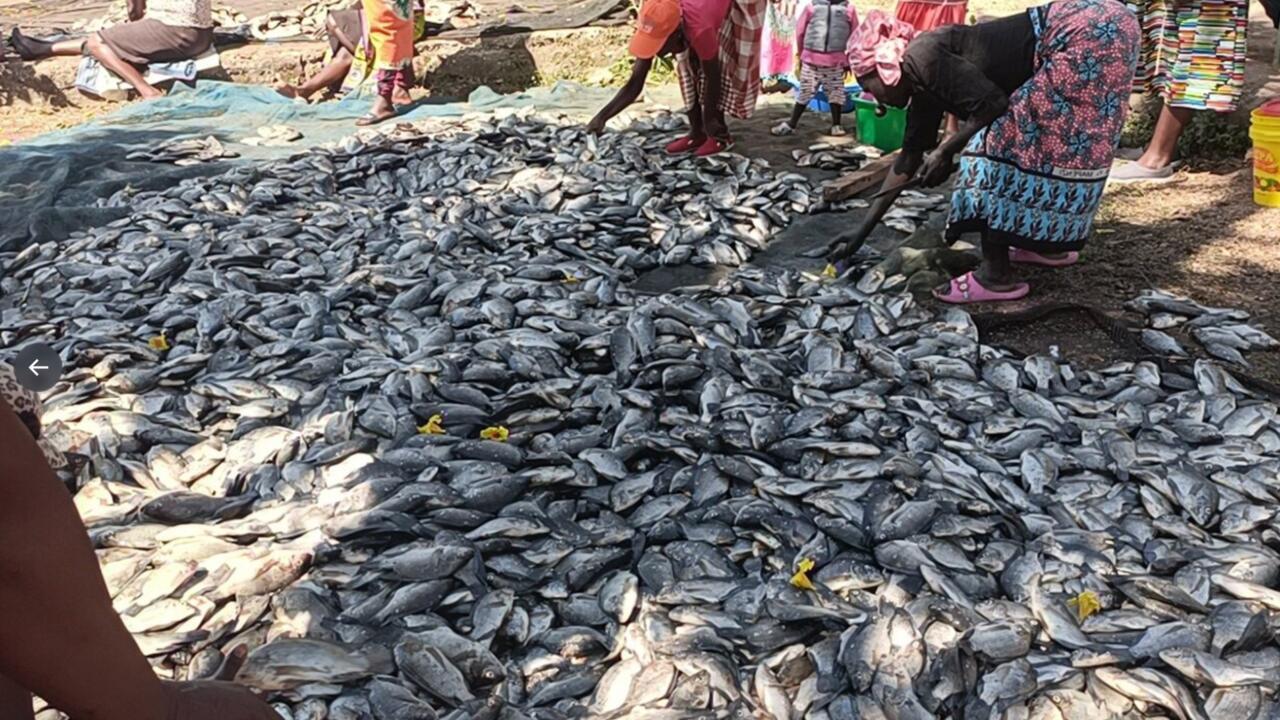
Fresh fish markets on Lake Tanganyika and Lake Victoria offer travellers an opportunity to experience everyday life in East Africa’s fishing communities. During the early morning, fishing boats return to landing sites, traders negotiate prices, and workers sort fresh catches for restaurants, households and regional markets.
These lakes support important fishing industries across Uganda, Tanzania, Kenya, Burundi and the Democratic Republic of Congo. Their shores contain fishing villages, commercial landing sites and markets where fish provides food and income for thousands of families.
For visitors interested in local culture, arriving at a suitable fish market early in the morning can be an interesting experience. You can observe traditional fishing activities, learn about different freshwater fish and understand how local communities depend on the lakes.
Why Visit Fish Markets at Dawn?
Early morning is an important period at many fishing landing sites.
Depending on the fishing method and local regulations, boats may return after working overnight or during the previous evening.
Traders and processors gather to purchase the catch.
Some fish is sold immediately, while other quantities are transported, chilled, dried or smoked.
What Happens at a Morning Fish Market?
| Activity | What visitors may observe |
|---|---|
| Fishing boats arriving | Fishers returning with their catch |
| Unloading | Fish transferred from boats |
| Sorting | Fish separated by species and size |
| Weighing | Quantities measured for sale |
| Trading | Buyers negotiating prices |
| Processing | Fish cleaned, dried or prepared |
| Transport | Fish moved to markets and restaurants |
The schedule varies between landing sites.
Not every market is busiest at sunrise.
Lake Victoria: East Africa’s Largest Lake
Lake Victoria is the largest lake in Africa by surface area.
It is shared by Uganda, Kenya and Tanzania.
The lake supports substantial commercial and small-scale fishing activities.
Its fishing industry is particularly associated with Nile perch, Nile tilapia and small freshwater fish commonly called dagaa or mukene.
Main Fish Found in Lake Victoria Markets
| Fish | Common name | Typical use |
|---|---|---|
| Nile perch | Sangara in parts of Tanzania | Fresh fish and fillets |
| Nile tilapia | Tilapia | Grilled, fried or stewed |
| Silver cyprinid | Dagaa or mukene | Dried, fried or cooked in sauce |
| Other local fish | Regional names vary | Household consumption |
The catch depends on season, fishing practices and regulations.
Visiting Fish Markets on Lake Victoria in Uganda
Uganda has numerous fishing communities along Lake Victoria.
Some landing sites are accessible from Kampala and Entebbe.
Ggaba Landing Site
Ggaba is located along the Lake Victoria shoreline in Kampala.
The area is associated with fishing, trading and everyday lakeside commerce.
Visitors may encounter fish vendors, transport activity and local restaurants.
Morning visits can provide opportunities to observe the fishing economy.
However, the landing site is a working commercial environment.
Ask permission before photographing people or entering restricted areas.
Kasenyi Landing Site Near Entebbe
Kasenyi is another fishing area associated with Lake Victoria.
It lies within travelling distance of Entebbe.
The landing site has traditionally supported fishing and fish trading.
A guided visit can introduce travellers to the activities involved in handling freshly caught fish.
Other Lakeside Communities
Fishing also takes place around many other parts of Uganda’s Lake Victoria shoreline.
Access varies, and some landing sites are primarily intended for local commercial activities.
A local guide can help identify an appropriate location.
Lake Victoria Fish Markets in Tanzania
Tanzania’s Lake Victoria region has a substantial fishing industry.
Mwanza is an important commercial centre along the lake.
Kirumba Fish Market, Mwanza
Kirumba is a recognised fish landing and trading area associated with Mwanza.
Fishers, traders and transport businesses participate in the movement of fish through the market.
Visitors interested in fisheries may arrange an educational visit through a knowledgeable local guide.
The site can be busy, particularly during active trading periods.
What to Expect in Mwanza
You may see fish being unloaded, sorted and prepared for onward sale.
Nile perch and tilapia are important commercial species.
Smaller fish are also traded, including dagaa.
Some products enter local markets, while others move through larger distribution networks.
Lake Victoria Fish Markets in Kenya
Kenya also has fishing communities around Lake Victoria.
Kisumu is a major lakeside city.
Its surrounding areas support fish trading, processing and transport.
Exploring Fishing Communities Near Kisumu
Visitors can enquire about guided visits to suitable landing sites.
A local guide can explain the relationship between fishing, household livelihoods and regional food markets.
Avoid entering working areas without permission.
Some activities may be restricted for safety or commercial reasons.
Lake Tanganyika: A Different Fishing Environment
Lake Tanganyika is one of Africa’s deepest freshwater lakes.
It is shared by Tanzania, Burundi, the Democratic Republic of Congo and Zambia.
The lake supports diverse fish species, including small fish that are important to local diets.
Fishing activities differ from those on Lake Victoria because the lakes have different fish populations and environments.
Fish Commonly Associated With Lake Tanganyika
| Fish group | Description | Common use |
|---|---|---|
| Lake Tanganyika sardines | Small freshwater fish | Dried or fresh |
| Other small pelagic fish | Open-water species | Local trade and processing |
| Lake Tanganyika perch | Larger predatory fish | Fresh fish markets |
| Cichlids | Diverse freshwater fish | Varies by species |
Some fish species are unique to Lake Tanganyika.
Fishing regulations and conservation measures affect which species may be caught.
Visiting Fish Markets in Kigoma, Tanzania
Kigoma is an important town on the eastern shore of Lake Tanganyika.
The town has longstanding connections with fishing and lake transport.
Kibirizi Fish Market
Kibirizi is a recognised fish landing and trading area in the Kigoma region.
Fishing boats bring catches to the shore, where traders and processors handle the fish.
Small fish are especially important to the lake’s regional food economy.
What Visitors Can Learn
A guided visit may explain:
Fishing methods used on the lake.
Common commercial fish species.
How fresh fish is handled.
Why some fish is dried.
How traders transport fish.
The importance of fishing to local households.
The experience depends on access arrangements and fishing activity.
Fish Markets Along Lake Tanganyika in Burundi
Burundi occupies part of Lake Tanganyika’s northern shoreline.
Fishing contributes to local food supplies and employment.
Bujumbura has commercial connections with the lake and its fishing communities.
Visitors interested in fishing culture can enquire about suitable lakeside markets or organised community visits.
Local guidance is particularly useful because some landing sites are working areas rather than formal tourist attractions.
Comparing Lake Victoria and Lake Tanganyika Fish Markets
| Feature | Lake Victoria | Lake Tanganyika |
|---|---|---|
| Countries sharing the lake | Uganda, Kenya, Tanzania | Tanzania, Burundi, DR Congo, Zambia |
| Important commercial fish | Nile perch, tilapia, dagaa | Small sardine-like fish and lake perch |
| Example market area | Kirumba, Mwanza | Kibirizi, Kigoma |
| Common processing | Fresh, chilled, dried or smoked | Fresh, dried or smoked |
| Visitor experience | Busy landing and trading sites | Fishing and small-fish processing |
| Best approach | Guided morning visit | Guided visit arranged locally |
Both lakes support important fishing communities.
However, individual markets differ considerably.
What Time Should You Visit a Fish Market?
Dawn can be a productive time to observe fishing activities.
However, boat arrivals depend on weather, fishing methods, regulations and local schedules.
Some fishing operations land catches at different times.
Suggested Morning Visit
| Time | Possible activity |
|---|---|
| 5:30 am | Depart accommodation |
| 6:00 am | Arrive near landing site |
| 6:30 am | Observe boats and unloading |
| 7:00 am | Learn about fish sorting |
| 7:30 am | Observe trading activities |
| 8:00 am | Visit nearby food stalls |
| 8:30 am | Return or continue sightseeing |
This is an illustrative schedule.
Confirm the market’s busiest period before travelling.
How Fish Is Preserved and Sold
Fresh fish must be handled carefully because it spoils quickly in warm conditions.
Different preservation methods help traders manage their catch.
Common Fish Processing Methods
Chilling: Ice and refrigeration help keep fish at safe temperatures.
Drying: Small fish may be dried to reduce moisture.
Smoking: Fish is exposed to controlled smoke and heat.
Freezing: Larger commercial operations may freeze fish for distribution.
The quality of each method depends on equipment and handling.
Fish Markets and Local Food Culture
Fish is an important ingredient in many East African meals.
Around Lake Victoria, tilapia is commonly fried, grilled or cooked in sauce.
Small dried fish may be prepared with vegetables or groundnut sauce.
Around Lake Tanganyika, small freshwater fish are used in several regional dishes.
Traditional Fish Meals
| Dish | Main ingredients |
|---|---|
| Grilled tilapia | Fresh tilapia and seasoning |
| Fried fish | Fish and cooking oil |
| Fish stew | Fish, tomatoes and onions |
| Dried fish sauce | Small dried fish and vegetables |
| Fish with ugali | Fish served with maize meal |
Recipes vary between communities.
Safety Tips for Visiting Fish Markets
Fish markets are busy working environments.
Visitors should take basic precautions.
Wear closed shoes with good grip.
Surfaces may be wet or slippery.
Avoid touching fish, knives or processing equipment without permission.
Keep your belongings secure.
Follow instructions from market officials or your guide.
Do not obstruct workers unloading boats.
Photography Etiquette
Always ask permission before photographing fishers or traders.
Some people may prefer not to be photographed.
Avoid taking close-up photographs during sensitive commercial activities without consent.
Buying Fresh Fish as a Traveller
If you want to purchase fish, choose a seller who follows hygienic handling practices.
Fresh fish should be stored appropriately.
Avoid fish showing signs of spoilage.
Unless you have safe cooking and refrigeration facilities, purchasing raw fish during a sightseeing excursion may be impractical.
A reputable restaurant serving properly cooked fish is often more convenient.
Responsible Tourism at Fishing Communities
Fishing provides livelihoods for many households around both lakes.
A respectful visit can support local guides, food vendors and other businesses.
However, fishing communities should not be treated as unrestricted tourist attractions.
Ask permission before entering private spaces.
Do not interfere with boats or fishing equipment.
Follow environmental rules and avoid leaving rubbish behind.
Combining Fish Markets With East African Travel
A fish market visit can fit into a longer journey.
Travellers staying in Entebbe may arrange a short visit to a nearby Lake Victoria landing site.
Visitors exploring Mwanza can learn about the city’s fishing industry.
Those travelling through Kigoma can include a Lake Tanganyika fishing experience before continuing to other attractions.
Plan transport carefully because early morning travel may require advance arrangements.
Fresh fish markets on Lake Tanganyika and Lake Victoria provide an introduction to East Africa’s fishing traditions and local food economy.
At suitable landing sites, travellers can observe how fish is unloaded, sorted, sold and processed.
Lake Victoria is particularly associated with Nile perch, tilapia and dagaa, while Lake Tanganyika supports different freshwater fisheries.
For the best experience, arrange a respectful guided visit, confirm the fishing schedule and follow local safety instructions.


No comment