
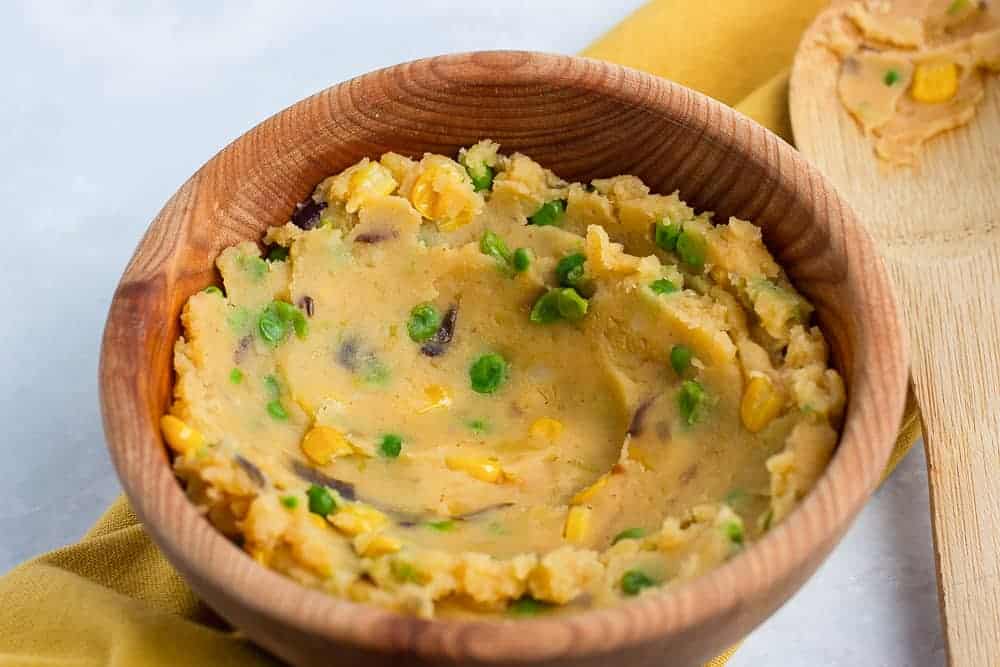
Mukimo, Githeri and Irio: Central Kenya’s Comfort Foods
Mukimo, githeri and irio are among the best-known traditional foods of central Kenya. These filling dishes combine everyday ingredients such as maize, beans, potatoes, peas and leafy vegetables. They are particularly associated with the Agikuyu community, whose food traditions have influenced cooking throughout Kenya.
For travellers visiting Nairobi, Nyeri, Murang’a, Kiambu or areas around Mount Kenya, these meals offer an opportunity to experience local cuisine beyond the familiar safari lodge menu.
Although the three dishes share several ingredients, their preparation and texture differ. Githeri is usually served as a mixture of whole maize and beans, while mukimo and irio are mashed preparations.
Understanding these differences will help you recognise the dishes, order confidently and appreciate their place in Kenyan food culture.
What Are Mukimo, Githeri and Irio?
All three dishes developed around ingredients widely cultivated and eaten in central Kenya.
They provide satisfying meals that can be prepared using relatively affordable foods.
Comparing the Three Traditional Dishes
| Dish | Main ingredients | Preparation | Texture |
|---|---|---|---|
| Mukimo | Potatoes, maize, peas or beans, leafy greens | Boiled and mashed | Soft, thick mash |
| Githeri | Maize and beans | Boiled together | Whole grains and beans |
| Irio | Potatoes, maize, peas or beans | Boiled and mashed | Smooth or slightly coarse mash |
The names mukimo and irio sometimes overlap.
Some households use them interchangeably, while others distinguish mukimo by the addition of leafy greens.
Recipes vary between families and regions.
Mukimo: Central Kenya’s Traditional Mashed Meal
Mukimo is a popular dish prepared using potatoes, maize and vegetables.
Its green colour often comes from leafy ingredients such as pumpkin leaves.
Some cooks use peas, beans or other available vegetables.
The ingredients are boiled until soft and mashed together.
The finished dish is usually served warm with stew, vegetables or grilled meat.
Ingredients Used in Mukimo
Common ingredients include:
Potatoes.
Green maize.
Green peas or beans.
Pumpkin leaves or other suitable greens.
Salt.
Water.
Some households add onions or other seasonings.
The ingredients depend on availability and family preferences.
How Mukimo Is Prepared
The potatoes are peeled and cut into pieces.
Maize and peas or beans are cooked until tender.
Leafy vegetables are prepared separately or added during cooking.
The ingredients are then combined and mashed.
The cook continues mixing until the meal develops a thick, even texture.
Some versions remain slightly coarse because of the maize kernels.
What Does Mukimo Taste Like?
Mukimo has a mild, earthy flavour.
Potatoes provide softness, while maize and peas add texture.
Leafy vegetables contribute colour and a gentle vegetable taste.
The dish is often served with a richly flavoured accompaniment.
Githeri: Kenya’s Familiar Maize and Beans
Githeri is one of Kenya’s most recognisable traditional meals.
It consists mainly of maize and beans cooked together.
Unlike mukimo, the ingredients are normally left whole rather than mashed.
Githeri is associated with Agikuyu food traditions but is now widely eaten across Kenya.
Traditional Githeri Preparation
The maize and beans are cleaned and boiled until tender.
Cooking time depends on the age and type of ingredients.
Dried maize and beans can require considerable cooking time.
Once cooked, the mixture may be eaten simply or prepared further with onions, tomatoes and spices.
Different Ways to Serve Githeri
| Version | Description |
|---|---|
| Plain githeri | Boiled maize and beans |
| Vegetable githeri | Maize and beans with vegetables |
| Fried githeri | Cooked mixture sautéed with onions and tomatoes |
| Spiced githeri | Prepared with additional seasonings |
| Githeri with potatoes | Includes potatoes for a fuller meal |
Some restaurants serve githeri with avocado or cooked greens.
Irio: A Traditional Kenyan Mash
Irio is another traditional dish associated with the Agikuyu community.
It commonly contains potatoes, maize and peas or beans.
These ingredients are cooked and mashed together.
The finished preparation resembles mukimo.
However, some cooks use the name irio for versions containing fewer leafy vegetables.
How Irio Differs From Mukimo
The distinction is not universal.
In some families, irio refers to a basic mash of potatoes, maize and peas.
Mukimo may describe a similar dish containing pumpkin leaves or other greens.
Elsewhere, the terms are used for almost identical preparations.
If you are visiting a local restaurant, ask how the kitchen prepares its version.
The Cultural Importance of These Foods
Mukimo, githeri and irio are connected to central Kenya’s agricultural history.
Communities cultivated crops that could be stored, cooked and shared during family meals.
These dishes became familiar household foods because their ingredients were accessible.
Food During Family Gatherings
Mukimo is commonly prepared during celebrations and community gatherings.
It may appear at weddings, family events and other occasions.
Githeri is more commonly associated with everyday meals, although it can also be served during gatherings.
The choice depends on family customs and available ingredients.
Food Passed Between Generations
Many Kenyan families learn traditional cooking methods at home.
Parents and grandparents teach younger relatives how to prepare familiar meals.
Although modern cooking equipment has changed preparation methods, traditional recipes remain important.
Where to Try Mukimo, Githeri and Irio in Kenya
You can find these dishes in local restaurants, particularly in central Kenya and Nairobi.
Availability depends on the establishment.
Nairobi
Nairobi offers numerous restaurants serving traditional Kenyan meals.
Some specialise in regional dishes, while others provide broad menus.
Ask whether mukimo, githeri or irio is available that day.
Nyeri
Nyeri is located in one of Kenya’s important central highland regions.
Visitors may encounter traditional meals in local eateries.
Murang’a
Murang’a has strong connections with Agikuyu agricultural traditions.
Local restaurants may serve githeri and mashed vegetable dishes.
Kiambu
Kiambu is another useful area for exploring central Kenyan food.
Its proximity to Nairobi makes it convenient for travellers interested in countryside and food experiences.
Comparing Where to Try the Dishes
| Destination | Food experience | Suitable for |
|---|---|---|
| Nairobi | Traditional Kenyan restaurants | City visitors |
| Kiambu | Local eateries and countryside experiences | Day trips |
| Murang’a | Regional food traditions | Cultural travellers |
| Nyeri | Traditional highland cuisine | Mount Kenya visitors |
| Rural communities | Home cooking experiences by arrangement | Educational visits |
If you want to visit a family kitchen or farm, arrange the experience through a trusted local organiser.
What Foods Are Served With Mukimo and Irio?
Mukimo and irio are commonly eaten with sauces or other dishes.
Their mild flavour makes them suitable accompaniments.
Popular Accompaniments
| Accompaniment | Description |
|---|---|
| Beef stew | Meat cooked with tomatoes and onions |
| Vegetable stew | Cooked seasonal vegetables |
| Sukuma wiki | Cooked leafy greens |
| Nyama choma | Grilled meat |
| Beans | Cooked legumes |
| Kachumbari | Fresh tomato and onion salad |
Vegetarian travellers can request vegetable-based accompaniments.
Always check whether sauces contain meat stock or animal fat.
Are These Traditional Kenyan Foods Nutritious?
Mukimo, githeri and irio contain ingredients that contribute useful nutrients.
Maize and potatoes provide carbohydrates.
Beans and peas contribute plant protein and fibre.
Leafy vegetables provide additional vitamins and minerals.
However, nutritional values depend on the recipe and serving size.
General Nutritional Comparison
| Dish | Main nutritional contribution |
|---|---|
| Mukimo | Carbohydrates, fibre and some vitamins |
| Githeri | Carbohydrates, plant protein and fibre |
| Irio | Carbohydrates, plant protein and minerals |
Githeri can be particularly useful for travellers looking for a substantial plant-based meal.
Can Vegan Travellers Eat Mukimo, Githeri and Irio?
These dishes can be suitable for vegan travellers.
Their main ingredients are plant-based.
However, some restaurants add butter, meat stock or other animal ingredients.
Ask how the food is prepared.
Plain githeri is often a practical choice, provided no animal products have been added.
Mukimo and irio can also be prepared without dairy products.
How Much Do These Meals Cost?
Traditional Kenyan meals are generally affordable in local restaurants.
Prices vary according to location, portion size and accompaniments.
A plate served with meat usually costs more than a simple vegetable preparation.
| Meal | General price level |
|---|---|
| Plain githeri | Lower |
| Vegetable githeri | Low to moderate |
| Mukimo with vegetables | Moderate |
| Mukimo with beef stew | Moderate to higher |
| Irio with grilled meat | Moderate to higher |
Ask for the current price in Kenyan shillings before ordering.
Food Safety Tips for Travellers
Choose restaurants where meals are prepared hygienically.
Beans and maize should be thoroughly cooked.
Hot food should be served at an appropriate temperature.
Avoid meals that have been left uncovered for long periods.
If you have dietary restrictions, explain them clearly before ordering.
Wash your hands before eating and drink safe water.
Learning to Prepare Traditional Kenyan Food
A cooking experience can provide a more detailed introduction to these dishes.
Some community tourism programmes and local hosts offer opportunities to learn traditional recipes.
During a cooking session, you may observe how maize and beans are prepared.
You can also learn how vegetables are selected and mashed.
Ask whether the experience includes ingredient shopping, cooking demonstrations and a shared meal.
Adding Central Kenyan Food to Your Safari
Many travellers begin or end their Kenya safari in Nairobi.
You can include a traditional lunch before travelling to destinations such as the Maasai Mara, Amboseli or Mount Kenya.
Visitors exploring central Kenya may also combine countryside activities with a local meal.
A food experience can provide an introduction to regional culture without requiring an additional overnight stay.
Mukimo, githeri and irio are important examples of central Kenya’s traditional cuisine.
Their familiar ingredients and filling preparation have made them popular across generations.
Although mukimo and irio share similarities, githeri is generally distinguished by its whole maize and beans.
For travellers interested in Kenyan culture, tasting these dishes offers an enjoyable introduction to local agricultural traditions and everyday meals.






No comment