
Baobab Fruit Powder: What It Tastes Like and Where to Buy It
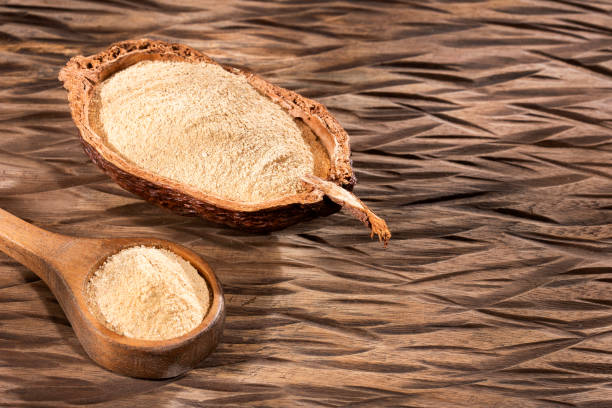
Baobab fruit powder is a traditional African food ingredient made from the naturally dried pulp of the baobab fruit. It has a distinctive tangy flavour, a pale cream colour and a fine texture. Across parts of East Africa, particularly Tanzania and Kenya, baobab fruit is used in drinks, snacks and other food preparations.
For travellers exploring East Africa, baobab powder offers an opportunity to discover an ingredient that has been part of local food traditions for generations. You may encounter it in markets, speciality food shops or packaged products sold by local producers.
Although baobab is often marketed internationally as a superfood, its flavour and traditional uses are equally interesting. Understanding how it is prepared, what it tastes like and where to purchase it will help you choose a suitable product during your travels.
What Is Baobab Fruit Powder?
Baobab fruit powder comes from the fruit of the African baobab tree, scientifically known as Adansonia digitata.
The tree grows in various parts of tropical Africa, particularly in warmer and relatively dry environments.
Baobab fruits have hard outer shells.
Inside, they contain seeds surrounded by naturally dry, pale-coloured pulp.
The pulp can be separated, cleaned and processed into powder.
Unlike many fruits that require artificial drying, baobab pulp often develops a dry consistency while still inside the fruit.
Main Characteristics
| Feature | Description |
|---|---|
| Source | African baobab fruit |
| Scientific name | Adansonia digitata |
| Colour | Cream to light beige |
| Texture | Fine, dry powder |
| Flavour | Tangy and mildly sweet |
| Main uses | Drinks, porridge and food preparation |
| Storage | Cool, clean and dry conditions |
The quality depends on harvesting, processing and storage.
What Does Baobab Fruit Powder Taste Like?
Baobab powder has a refreshing sour taste with gentle natural sweetness.
Many people describe the flavour as citrus-like.
It may remind you of lemon, tamarind or slightly sour fruit sweets.
However, baobab has its own distinctive taste.
Understanding Its Flavour
Baobab powder commonly has three noticeable characteristics.
Tanginess: Its acidity creates a refreshing sour sensation.
Mild sweetness: The pulp contains natural sugars, although it is generally not as sweet as ripe mango or banana.
Dry texture: When tasted directly, the powder feels fine and slightly chalky.
Mixing it into water or another food changes the texture considerably.
Comparing Baobab With Other Fruits
| Ingredient | Main flavour | Difference from baobab |
|---|---|---|
| Lemon | Strong citrus acidity | Usually sharper |
| Tamarind | Sweet and sour | Often richer |
| Passion fruit | Tangy and aromatic | More fragrant |
| Mango | Sweet and fruity | Much sweeter when ripe |
| Baobab | Tangy and mildly sweet | Dry pulp with a distinctive flavour |
If you enjoy citrus drinks, you may appreciate baobab powder.
Where Baobab Trees Grow in East Africa
Baobab trees are associated with parts of East Africa’s warmer landscapes.
They are particularly recognisable in Tanzania, where mature trees appear in several savannah areas.
The species also occurs in parts of Kenya.
Baobab Trees in Tanzania
Tanzania is one of the East African countries where baobab trees are especially familiar.
Tarangire National Park is known for its impressive baobab trees.
These large trees contribute to the park’s distinctive landscape.
Baobabs also occur in other suitable habitats across the country.
However, the presence of baobab trees inside a national park does not mean visitors may collect their fruit.
Baobab Trees in Kenya
Baobab trees grow in parts of Kenya, particularly in warmer areas.
They are associated with coastal and dryland environments.
Some communities use baobab fruit in traditional food preparations.
The fruit is also sold through local markets and food businesses.
How Baobab Fruit Powder Is Made
Preparing baobab powder begins with collecting mature fruit.
The hard shells protect the pulp and seeds.
Step 1: Harvesting
Mature baobab fruits are collected when ready.
Harvesting practices vary between communities and producers.
Careful handling helps protect the fruit from damage.
Step 2: Opening the Fruit
The hard outer shell is broken.
Inside, the pale pulp surrounds the seeds.
Step 3: Separating the Pulp
The dried pulp is separated from seeds and other unwanted material.
Producers may use sieving and additional processing equipment.
Step 4: Preparing the Powder
The cleaned pulp is processed into a fine powder.
Food-grade production requires hygienic handling and appropriate quality controls.
Step 5: Packaging
The powder is packed in containers that protect it from moisture and contamination.
Proper packaging helps preserve its quality.
Traditional Uses of Baobab Fruit
Baobab fruit has been used in African food traditions for generations.
Its sour flavour makes it suitable for refreshing drinks.
In some communities, the pulp is mixed with water and sweetened.
Other preparations involve milk, cereals or additional ingredients.
Common Food Uses
| Food or drink | How baobab is used |
|---|---|
| Fruit drink | Mixed with water |
| Smoothie | Added for tanginess |
| Porridge | Stirred into prepared porridge |
| Yoghurt | Mixed in for flavour |
| Fruit dessert | Added to sweet preparations |
| Snack products | Used as a flavouring ingredient |
| Sauces | Added in small amounts for acidity |
The amount required depends on the recipe and personal preference.
How to Make a Simple Baobab Drink
One of the easiest ways to enjoy baobab powder is by preparing a cold drink.
Ingredients
1 teaspoon of food-grade baobab powder.
250 ml of safe drinking water.
Optional sugar or another preferred sweetener.
Optional fruit juice.
Preparation
Add the powder to a small amount of water.
Stir until the mixture is smooth.
Gradually add the remaining water.
Taste before adding sweetener.
Serve chilled if desired.
You can increase the amount of powder gradually until you reach your preferred flavour.
Baobab Powder in Smoothies and Breakfasts
Baobab powder can also be added to familiar breakfast foods.
Smoothies
Mix a small amount into a banana or mango smoothie.
The fruit provides sweetness, while baobab adds acidity.
Porridge
Stir baobab powder into prepared porridge after cooking.
Start with a small amount because its sour taste can change the flavour noticeably.
Yoghurt
Plain yoghurt can be mixed with baobab powder and fresh fruit.
For vegan travellers, plant-based yoghurt is another option.
Nutritional Value of Baobab Powder
Baobab fruit pulp contains dietary fibre and vitamin C.
It also contains certain minerals and naturally occurring plant compounds.
However, nutrient levels vary according to the source, processing and storage.
Main Nutritional Characteristics
| Nutrient or component | General role |
|---|---|
| Dietary fibre | Contributes to normal digestive function |
| Vitamin C | Supports normal immune function |
| Calcium | Contributes to bone health |
| Potassium | Supports normal muscle and nerve function |
| Plant compounds | Contribute to the fruit’s natural composition |
Baobab powder should be considered a food ingredient rather than a medical treatment.
It cannot replace a balanced diet or prescribed medication.
Where to Buy Baobab Powder in Tanzania
Tanzania is a practical country for travellers interested in purchasing baobab products.
Local Markets
Some markets sell baobab fruit or processed products.
Availability depends on the region and season.
Ask vendors whether the powder is intended for eating.
Health Food Shops
Speciality food retailers may stock packaged baobab powder.
These products often include ingredient labels and storage instructions.
Supermarkets
Larger supermarkets sometimes sell baobab products in health food or speciality sections.
Stock varies between branches.
Local Producers
Some businesses process baobab fruit into packaged powder.
Purchasing from an established producer can provide more information about sourcing and preparation.
Where to Buy Baobab Powder in Kenya
Kenya has retailers offering baobab powder, particularly through speciality food businesses.
Nairobi
Health food shops, organic product retailers and selected supermarkets may carry packaged baobab powder.
Some Kenyan businesses also sell locally sourced baobab products.
Coastal Kenya
Baobab fruit is familiar in parts of coastal Kenya.
Travellers may encounter fruit-based snacks and other products associated with baobab.
However, whole fruit products and sweetened snacks differ from pure baobab powder.
Check the ingredients before purchasing.
Can You Buy Baobab Powder in Uganda and Rwanda?
Baobab powder may be available through selected speciality retailers in Uganda and Rwanda.
However, it is generally less prominent in everyday food markets than ingredients such as groundnuts, millet or cooking bananas.
In Kampala and Kigali, speciality health food shops are reasonable places to ask.
Availability is not guaranteed.
If you specifically want baobab powder, enquire before visiting a retailer.
How to Choose Good Baobab Powder
Not every product has the same quality.
When purchasing, examine the packaging carefully.
Buying Checklist
| What to check | What to look for |
|---|---|
| Ingredients | Pure baobab fruit pulp |
| Packaging | Properly sealed container |
| Colour | Cream or light beige |
| Smell | Fresh, mildly fruity aroma |
| Moisture | No dampness or visible mould |
| Label | Producer and product details |
| Expiry date | Clearly indicated |
| Storage | Protected from heat and moisture |
Avoid products that appear contaminated or have damaged packaging.
If buying loose powder, ask how it was processed and stored.
How Much Does Baobab Powder Cost?
Prices depend on country, packaging, quantity and product quality.
Loose powder may cost less than branded products.
Imported speciality products may be more expensive.
| Product type | General price level |
|---|---|
| Loose market powder | Often lower |
| Small packaged quantity | Moderate |
| Certified speciality product | Moderate to higher |
| Imported branded powder | Often higher |
| Bulk food-grade powder | Depends on quantity |
Ask for the current price and compare the cost per 100 grams.
A larger package is not always better if you only intend to use a small amount.
Storing Baobab Powder After Purchase
Baobab powder should be kept in a clean, dry and tightly sealed container.
Moisture can damage the product and encourage spoilage.
Store it away from direct sunlight and excessive heat.
Use a clean, dry spoon when removing powder.
If the product develops an unusual smell, visible mould or signs of moisture damage, do not consume it.
Follow the manufacturer’s storage instructions.
Taking Baobab Powder Home After Your Safari
Baobab powder can be an interesting food souvenir.
However, travellers should check their destination country’s import requirements before departure.
Some countries restrict agricultural and plant products.
Commercially packaged powder with clear ingredient information may be easier to identify during customs inspections.
Keep the product in its original packaging.
Declare it where required.
Baobab fruit powder is a distinctive African ingredient valued for its tangy flavour and versatility.
It can be enjoyed in drinks, smoothies, porridge and other foods.
For travellers visiting Tanzania and Kenya, local markets and speciality food retailers offer opportunities to discover baobab products.
Choosing hygienically processed powder, checking the ingredients and storing it correctly will help you enjoy this traditional ingredient safely.





No comment