
Urojo Soup and Zanzibar Mix: Street Food Worth Trying
Urojo soup and Zanzibar Mix are among the most distinctive street foods you can try when visiting Zanzibar, Tanzania. This popular dish combines a tangy yellow soup with crispy potato fritters, boiled potatoes, fried cassava, chutneys and other toppings. Its mixture of flavours makes it a favourite among residents and an interesting discovery for travellers exploring Stone Town.
Zanzibar is famous for its beaches, spices and historic trading culture, but its local food deserves equal attention. Street vendors prepare dishes that reflect the island’s African, Indian and Arab culinary influences.
Urojo is particularly interesting because each vendor may prepare it differently. Some versions are mild and slightly sour, while others include generous amounts of chilli.
If you enjoy discovering local food during your travels, Zanzibar Mix is worth adding to your itinerary.
What Is Urojo Soup?
Urojo is a traditional Zanzibari street food commonly called Zanzibar Mix.
It consists of a warm, lightly thickened soup served with several separately prepared ingredients.
The soup usually has a bright yellow appearance because of turmeric.
Its tangy flavour often comes from green mango, tamarind or other sour ingredients.
Unlike an ordinary vegetable soup, urojo is assembled with different textures.
Soft potatoes, crispy fritters and crunchy toppings are combined immediately before serving.
Common Ingredients in Zanzibar Mix
Ingredient | Purpose | Flavour or texture |
|---|---|---|
Turmeric | Colours and seasons the soup | Earthy and mildly bitter |
Green mango | Adds sourness | Tangy |
Tamarind | Adds acidity | Sweet and sour |
Potato bhajia | Provides a filling topping | Crispy and savoury |
Boiled potatoes | Adds substance | Soft and mild |
Cassava crisps | Adds crunch | Crispy |
Chutney | Provides additional flavour | Sweet, sour or spicy |
Boiled egg | Optional topping | Rich and mild |
Chilli sauce | Adds heat | Spicy |
Ingredients vary between vendors, and some versions include additional fritters or meat.
Why Zanzibar Mix Is Popular
Urojo is popular because it is affordable, filling and convenient.
Street vendors can prepare individual ingredients in advance and assemble bowls when customers arrive.
This makes serving relatively quick.
The dish is also flexible. Customers may request extra chilli, additional fritters or fewer toppings.
For residents, urojo is a familiar snack or light meal.
For travellers, it offers an opportunity to taste ingredients that form part of everyday Zanzibari cooking.
A Dish Influenced by Indian Ocean Trade
Zanzibar has a long history of trade with different communities around the Indian Ocean.
These connections influenced local architecture, language and food.
Ingredients and cooking techniques associated with Indian cuisine became part of coastal food traditions.
Bhajia, chutneys and spiced sauces are examples of this influence.
Over time, local cooks developed their own combinations using ingredients available on the island.
Urojo reflects these long-established culinary connections.
How Urojo Soup Is Prepared
Urojo preparation involves cooking the soup base and preparing several toppings separately.
The exact method differs between households and food vendors.
Preparing the Yellow Soup
The soup commonly begins with water, turmeric and seasonings.
Some recipes use flour to create a slightly thicker consistency.
Green mango or tamarind contributes the characteristic tangy flavour.
The mixture is simmered until the ingredients combine.
A good urojo base should have a balanced taste, with enough acidity to make it refreshing without becoming unpleasantly sour.
Preparing Potato Bhajia
Bhajia are fritters commonly prepared using potatoes and seasoned batter.
The cook cuts the potatoes into pieces or slices, coats them in batter and fries them.
The finished fritters develop a golden exterior.
They are added to the soup shortly before serving.
Adding the Final Toppings
The vendor places potatoes, fritters and other ingredients into a bowl.
Hot soup is poured over them.
Chutney and chilli sauce may be added afterwards.
Some customers prefer more crunchy toppings, while others enjoy additional soup.
This flexibility makes each serving slightly different.
What Does Zanzibar Mix Taste Like?
Urojo has a distinctive combination of sour, savoury and spicy flavours.
The yellow soup provides the main taste.
Tamarind or mango contributes acidity, while turmeric adds a mild earthy note.
Potatoes soften the stronger flavours.
Fried toppings provide a contrasting texture.
Understanding the Flavour
Flavour | Main source | What to expect |
|---|---|---|
Sour | Mango or tamarind | Tangy freshness |
Savoury | Potatoes and fritters | Richer taste |
Spicy | Chilli sauce | Variable heat |
Mildly earthy | Turmeric | Warm seasoning |
Sweet | Certain chutneys | Gentle sweetness |
Crunchy | Cassava crisps and fritters | Texture contrast |
If you have never tried urojo, request a mild version first.
You can add chilli after tasting the soup.
Where to Try Urojo in Zanzibar
Urojo is particularly associated with Zanzibar’s urban food culture.
You may encounter it at street stalls, local eateries and food markets.
Stone Town
Stone Town is one of the most convenient places for visitors to discover Zanzibar Mix.
Its narrow streets contain shops, restaurants and small food businesses.
Some vendors specialise in traditional snacks and soups.
You can combine a food stop with a walking tour of the historic town.
Choose a reputable establishment where food is prepared and served hygienically.
Darajani Market Area
The Darajani area is an important commercial centre in Stone Town.
Food vendors and small restaurants operate around the wider market neighbourhood.
Availability changes throughout the day.
Ask your guide or accommodation staff where freshly prepared urojo is being served.
Local Neighbourhood Eateries
You may also find urojo outside the main tourist areas.
Neighbourhood food businesses often serve customers who live or work nearby.
These establishments can offer a more everyday dining experience.
However, quality, hygiene and opening times vary.
Best Time to Eat Zanzibar Mix
Urojo can be enjoyed at different times of the day.
It is commonly eaten as a snack or light meal rather than a formal dinner.
Some vendors operate during the afternoon and evening.
Others prepare their food earlier.
Time of day | Availability | Travel advice |
|---|---|---|
Morning | Depends on vendor | Ask locally |
Lunchtime | Available at some eateries | Suitable for a light meal |
Afternoon | Common snack period | Good time to look for vendors |
Early evening | Often available | Combine with a food walk |
Late evening | Varies | Confirm before visiting |
There is no universal schedule for every urojo vendor.
How Much Does Urojo Cost?
Urojo is generally considered an affordable street food.
However, prices depend on location, portion size and ingredients.
A basic bowl may cost less than a serving with additional eggs, meat or other toppings.
Tourist-oriented establishments may charge more than neighbourhood stalls.
Before ordering, ask the price in Tanzanian shillings.
Small-denomination notes can make payment easier.
If you are travelling with others, consider ordering separate bowls so everyone can choose their preferred toppings.
Is Urojo Vegetarian?
Many urojo preparations use a vegetable-based soup with potatoes, fritters and chutneys.
However, recipes are not identical.
Some vendors add eggs, meat or stock made from animal ingredients.
If you follow a vegetarian or vegan diet, ask what the soup contains.
Do not assume that removing meat toppings automatically makes the dish vegan.
Dietary Considerations
Dietary preference | What to check |
|---|---|
Vegetarian | Meat and stock ingredients |
Vegan | Eggs, meat stock and dairy |
Gluten-free | Flour used in soup and fritter batter |
Egg allergy | Boiled eggs and possible batter ingredients |
Mild food preference | Chilli sauce and spicy chutneys |
Travellers with serious allergies should explain their requirements clearly.
Shared preparation equipment may create cross-contact between ingredients.
Food Safety Tips When Eating Urojo
Street food is part of the travel experience, but choosing carefully is important.
Urojo contains several ingredients prepared separately, so proper handling and storage matter.
Choose Freshly Served Soup
Look for vendors who serve soup hot.
Avoid bowls prepared long before customers arrive.
Food should be protected from insects and dust.
Check the Toppings
Fritters should be properly cooked.
Eggs and other perishable ingredients should be stored safely.
If you are unsure about a topping, ask for your bowl without it.
Be Careful With Water and Sauces
Some chutneys and sauces contain ingredients that are not cooked after preparation.
Choose establishments that appear to follow good hygiene practices.
Drink safe bottled or properly treated water.
Wash or sanitise your hands before eating.
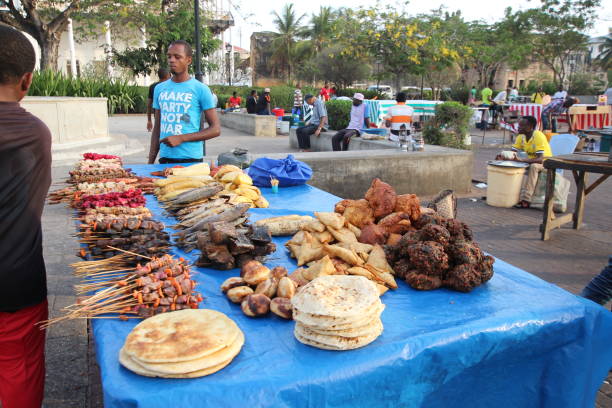
Other Street Foods to Try in Zanzibar
Urojo is one of several traditional snacks available on the island.
You can explore other dishes during your stay.
Street food | Description |
|---|---|
Mandazi | Lightly sweetened fried dough |
Vitumbua | Small rice and coconut cakes |
Mishkaki | Seasoned grilled meat skewers |
Samosas | Fried pastries with savoury fillings |
Fried cassava | Crispy cassava pieces |
Chapati | Soft flatbread |
Zanzibar pizza | Stuffed dough cooked on a hot surface |
Trying different foods can help you understand Zanzibar’s varied cooking traditions.
Useful Swahili Phrases for Ordering Urojo
Learning a few Swahili words can make ordering easier.
Swahili is widely spoken throughout Zanzibar.
Swahili phrase | English meaning |
|---|---|
Habari | Hello |
Naomba urojo | May I have urojo? |
Bila pilipili | Without chilli |
Pilipili kidogo | A little chilli |
Bei gani? | What is the price? |
Asante sana | Thank you very much |
Chakula kitamu | Delicious food |
A friendly greeting is a good way to begin your interaction with a vendor.
Adding Zanzibar Mix to Your Holiday Itinerary
Many visitors combine Zanzibar with a wildlife safari in mainland Tanzania.
After visiting Serengeti National Park, Ngorongoro or other safari destinations, travellers often continue to the island for relaxation.
A food experience in Stone Town can provide a different activity before heading to the beaches.
Consider including a short walking tour with time to try urojo and other snacks.
If you prefer guided experiences, ask whether your tour includes visits to established local food vendors.
You can also enjoy the dish independently after receiving recommendations from your accommodation.
Urojo soup and Zanzibar Mix offer travellers an enjoyable introduction to Zanzibar’s street food traditions.
The combination of tangy yellow soup, soft potatoes, crispy fritters and seasoned chutneys creates a distinctive dish.
Its preparation reflects the island’s long history of cultural exchange and local cooking.
Whether you explore Stone Town independently or join a food tour, trying freshly prepared urojo is a worthwhile experience.
For travellers interested in Tanzanian culture, this affordable street food provides a memorable taste of everyday Zanzibar.





No comment