
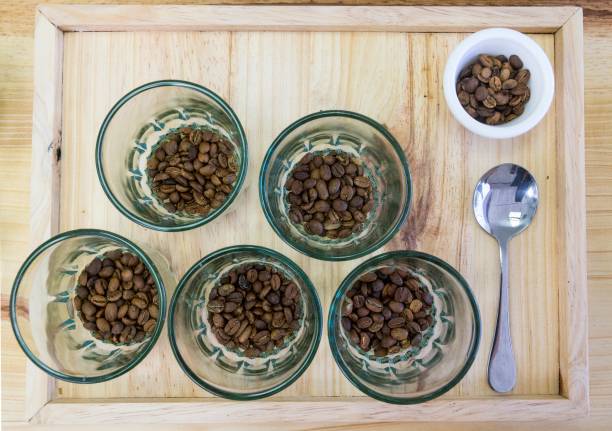
Rwandan Coffee Cupping: Tasting Bourbon Beans in Huye
Rwandan coffee cupping in Huye offers travellers an opportunity to discover how some of Africa’s most distinctive Arabica coffees are grown, processed and tasted. Located in Rwanda’s Southern Province, Huye is surrounded by green hills, farming communities and coffee-growing areas where Bourbon coffee varieties thrive.
Coffee is an important agricultural product in Rwanda, and visiting a coffee farm or washing station allows you to understand the work behind every cup. During a cupping session, you can compare different coffee samples, recognise their aromas and learn how professionals assess flavour and quality.
For travellers exploring southern Rwanda, a coffee experience in Huye provides an enjoyable addition to cultural visits, countryside tours and journeys towards Nyungwe National Park.
What Is Rwandan Coffee Cupping?
Coffee cupping is a structured tasting method used to evaluate coffee quality.
Coffee producers, buyers and professional tasters use it to compare samples and identify differences in aroma, sweetness, acidity, body and aftertaste.
Unlike ordinary coffee drinking, cupping involves tasting coffee under similar preparation conditions.
Each sample is prepared using measured quantities of ground coffee and hot water.
Participants smell the coffee, taste it and describe its characteristics.
You do not need professional experience to participate. Many coffee tours introduce beginners to the process.
What Happens During a Coffee Cupping Session?
| Stage | What happens | What you learn |
|---|---|---|
| Coffee introduction | Guide explains the beans | Origin and variety |
| Grinding | Coffee samples are ground | Fresh coffee fragrance |
| Dry aroma assessment | Participants smell ground coffee | Fragrance differences |
| Brewing | Hot water is added | Extraction process |
| Aroma assessment | Surface crust is broken | Released aromas |
| Tasting | Coffee is sampled with a spoon | Flavour and acidity |
| Comparison | Samples are discussed | Quality differences |
A guided tasting may take approximately 30–60 minutes, depending on the programme.
Why Huye Is Important for Rwandan Coffee
Huye is one of Rwanda’s recognised coffee-growing districts.
Its surrounding hills provide suitable growing conditions for Arabica coffee.
Many farms operate at elevations of approximately 1,500–2,000 metres above sea level.
Cooler temperatures at higher elevations can support slower coffee cherry development, although growing conditions vary between farms.
Coffee Farming in Huye
Much of Rwanda’s coffee is cultivated by smallholder farmers.
Families often manage relatively small plots alongside other agricultural activities.
Harvested cherries are delivered to washing stations, where they undergo sorting and processing.
These facilities help producers prepare coffee for domestic markets and international buyers.
For visitors, a farm tour provides an opportunity to understand the relationship between farmers, washing stations and coffee exporters.
Understanding Rwanda’s Bourbon Coffee Beans
Bourbon is an Arabica coffee variety widely grown in Rwanda.
The name refers to a coffee plant lineage rather than an alcoholic ingredient.
Bourbon varieties are valued for their potential to produce complex flavours when cultivated and processed carefully.
Rwanda’s Bourbon coffees are often associated with lively acidity, sweetness and delicate fruit or floral characteristics.
However, individual coffees differ according to altitude, soil, weather, processing and roasting.
Common Flavours in Rwandan Bourbon Coffee
| Flavour characteristic | What you may notice |
|---|---|
| Citrus | Lemon or orange-like notes |
| Floral aroma | Light, fragrant qualities |
| Berry fruit | Red fruit or berry-like flavours |
| Caramel | Gentle sweetness |
| Tea-like qualities | Light, clean texture |
| Chocolate | Cocoa-like notes in some roasts |
These descriptions are tasting possibilities rather than flavours guaranteed in every sample.
Professional tasters use familiar foods and aromas to communicate what they experience.
How Coffee Is Grown and Harvested in Huye
Coffee production begins with planting and caring for coffee trees.
Farmers manage weeds, maintain soil conditions and monitor the development of cherries.
Coffee cherries gradually change colour as they ripen.
Many Bourbon varieties produce red cherries when mature.
Harvesting Ripe Coffee Cherries
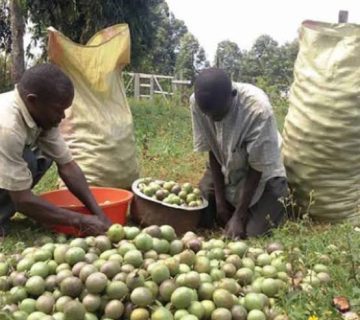
Selective harvesting involves picking ripe cherries while leaving unripe fruit on the tree.
This may require farmers to return to the same plants several times.
Careful harvesting helps improve consistency during processing.
Coffee harvest periods vary between regions and growing conditions.
In much of Rwanda, the main harvest generally falls between March and July.
Travellers visiting during this period may have more opportunities to observe harvesting activities.
Processing Coffee at Washing Stations
After harvesting, coffee cherries are transported to processing facilities.
At washing stations, workers sort cherries and remove unsuitable fruit.
For fully washed coffee, the outer fruit is removed before the beans undergo controlled fermentation and washing.
The coffee is then dried to an appropriate moisture level.
Different processing methods influence the finished flavour.
Washed Coffee Versus Natural Coffee
Coffee processing has a noticeable effect on taste.
Rwanda is particularly associated with washed Arabica coffee, although other processing methods are also used.
| Processing method | General process | Possible flavour characteristics |
|---|---|---|
| Washed | Fruit removed before drying | Clean, bright and balanced |
| Natural | Whole cherries dried before fruit removal | Fruity and sometimes fuller-bodied |
| Honey | Some fruit mucilage remains during drying | Sweet and rounded |
A tasting that compares different processing methods can help you recognise these differences.
The results also depend on coffee quality and roasting.
Where to Experience Coffee Cupping in Huye
Huye has coffee producers and processing facilities that offer opportunities for educational visits.
One recognised example is Huye Mountain Coffee, which offers coffee-related experiences.
Availability and activities should always be confirmed before travelling.
Some experiences concentrate on farming and processing, while others include guided tasting sessions.
Coffee Farm Visits
A farm visit may introduce you to coffee plants, harvesting techniques and agricultural practices.
Depending on the season, you might observe workers tending trees or picking ripe cherries.
Guides can explain how growing conditions affect coffee development.
Washing Station Tours
Washing station visits explain what happens after farmers harvest their cherries.
You may observe sorting equipment, processing areas and drying facilities.
Activities depend on the production season.
Outside the main harvest, some processes may be explained through demonstrations.
Guided Coffee Cupping
A guided cupping session focuses on flavour evaluation.
Participants compare samples and discuss their observations.
Before booking, ask whether the experience includes a formal cupping session or a simpler coffee tasting.
Both can be enjoyable, but they offer different levels of detail.
How to Taste Bourbon Coffee Like a Professional
You can approach a coffee tasting using a few straightforward techniques.
Begin With the Aroma
Smell the freshly ground coffee before adding water.
Try to identify familiar fragrances.
You might notice fruit, flowers, chocolate or roasted nuts.
There is no need to identify every aroma correctly.
Taste Without Sugar
When comparing coffee samples, taste them without sugar or milk first.
Additional ingredients can hide differences between coffees.
Take a small amount using a tasting spoon.
Professional cuppers often slurp coffee to spread it across the tongue.
You can taste more quietly if you prefer.
Notice the Acidity
Coffee acidity refers to a bright or lively taste.
It does not automatically mean that the coffee is unpleasantly sour.
Some Rwandan coffees have citrus-like acidity.
Others are softer and more rounded.
Consider the Aftertaste
After swallowing or spitting out the sample, notice which flavours remain.
Some coffees leave a pleasant sweetness.
Others develop lingering fruit or chocolate notes.
Comparing several samples makes these characteristics easier to recognise.
Coffee Cupping for Beginners
You do not need expensive equipment or specialist knowledge to enjoy coffee cupping.
A good guide should explain each stage clearly.
If you are unsure how to describe a flavour, use ordinary language.
For example, you might say a coffee tastes slightly sweet, fruity or sharp.
Ask questions about roasting, processing and coffee varieties.
Useful Questions to Ask Your Guide
Which Bourbon variety is grown on this farm?
At what altitude are the coffee trees cultivated?
When does the main harvest take place?
How are ripe cherries selected?
Is the coffee washed or naturally processed?
How do roasting methods affect the flavour?
Can visitors purchase locally produced coffee?
These questions can make your experience more informative.
Best Time to Visit Huye for Coffee Experiences
Coffee tours can be arranged at different times of the year, depending on the producer.
However, the activities you observe may change seasonally.
| Period | Possible coffee activities | Travel considerations |
|---|---|---|
| March–May | Harvesting and processing may be underway | Rain is common |
| June–July | Harvesting, processing and drying activities | Often drier conditions |
| August–September | Farm visits and tasting | Some harvest activities may have ended |
| October–December | Farm maintenance and coffee education | Rainfall varies |
| January–February | Farm tours and tasting sessions | Generally fewer harvesting activities |
The exact timing depends on local weather and individual farms.
Confirm your visit before departure.
Combining Coffee Cupping With Other Activities in Huye
Huye is an important cultural and educational centre in southern Rwanda.
Visitors can combine coffee experiences with other attractions.
Visit the Ethnographic Museum
The Ethnographic Museum in Huye contains collections relating to Rwanda’s cultural heritage.
It provides an opportunity to learn about traditional crafts, historical lifestyles and cultural practices.
A museum visit can complement your coffee tour by introducing you to the wider region.
Explore the Surrounding Countryside
Huye’s surrounding landscape includes cultivated hills and rural communities.
Depending on your itinerary, a guide may arrange countryside activities.
Always respect private farms and request permission before entering agricultural land.
Continue Towards Nyungwe National Park
Travellers visiting southern Rwanda often combine Huye with Nyungwe National Park.
Nyungwe is known for its montane forest, chimpanzees and other wildlife.
A coffee experience can provide a cultural stop during a longer journey.
Buying Rwandan Bourbon Coffee
After your tasting, you may want to purchase coffee to take home.
Buying directly from a producer or established retailer can help you understand its origin.
Check the packaging for information about the growing region, processing method and roasting date.
Whole beans generally retain freshness longer than pre-ground coffee when stored correctly.
Choose packaging that protects the coffee from moisture, excessive heat and air.
If you are travelling internationally, check your destination country’s rules for bringing in food products.
Why Coffee Tourism Supports Local Communities
Coffee tourism creates opportunities for visitors to learn about agricultural livelihoods.
When organised responsibly, tours can provide additional income for producers, guides and local businesses.
Purchasing coffee directly from participating producers may also support local enterprises.
However, the benefits depend on how each tour is organised.
Ask whether farmers are paid for hosting visitors and whether the experience is managed in partnership with the community.
Rwandan coffee cupping in Huye offers an enjoyable introduction to one of Rwanda’s important agricultural traditions.
Through farm visits, washing station tours and guided tastings, you can learn how Bourbon coffee develops its distinctive characteristics.
The experience is suitable for coffee enthusiasts and curious travellers who want to understand what happens before coffee reaches their cup.
If your Rwanda itinerary includes Huye or Nyungwe National Park, consider adding a coffee cupping session. It provides an opportunity to experience local farming, meet producers and appreciate Rwandan coffee more fully.




No comment