
Injera and Ethiopian Food in Kampala and Nairobi
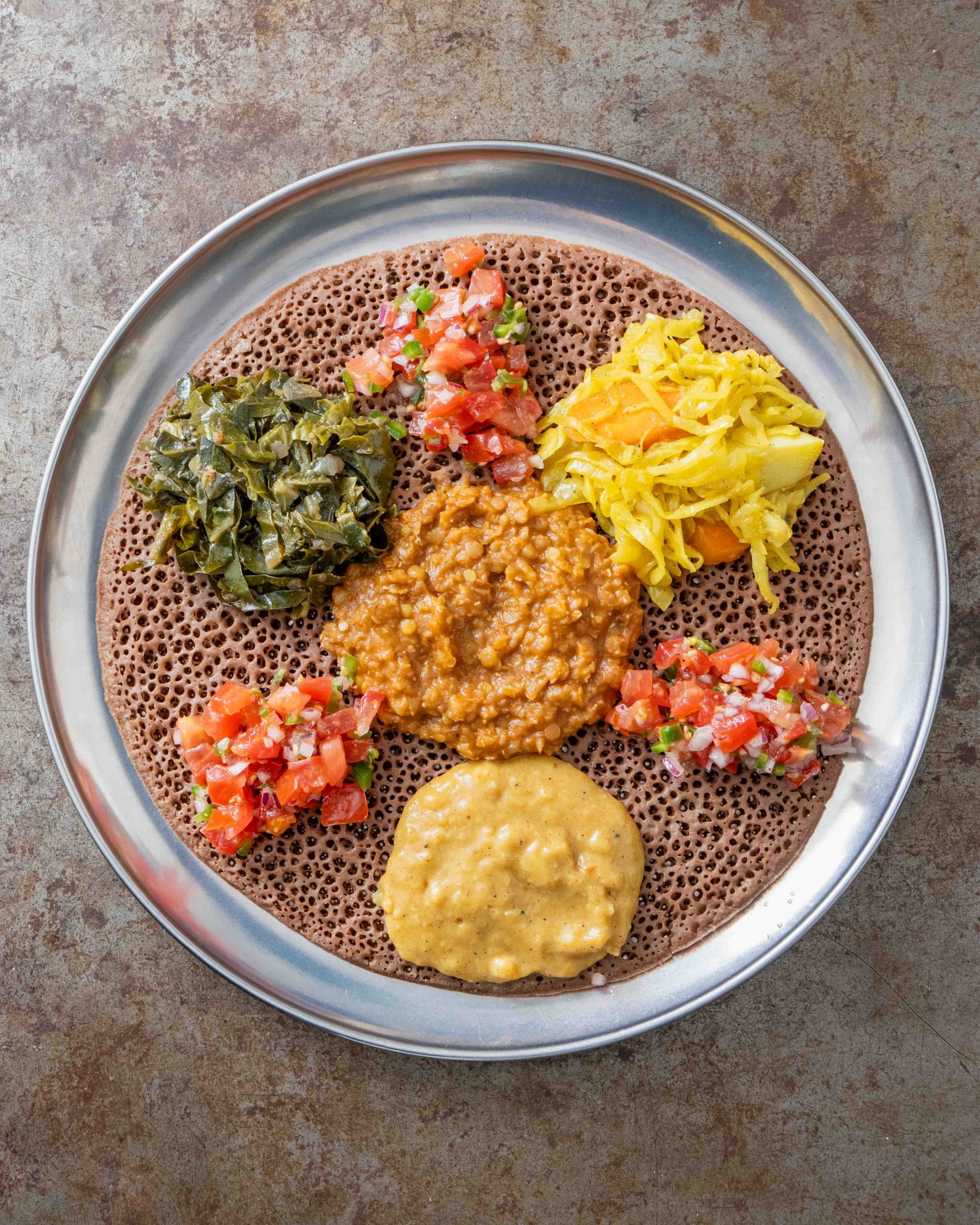
Injera and Ethiopian food in Kampala and Nairobi offer travellers an opportunity to experience one of East Africa’s most distinctive food traditions. Both cities have Ethiopian restaurants where visitors can enjoy traditional flatbread, richly seasoned stews, grilled meat and vegetarian dishes served on large shared platters.
Ethiopian cuisine has become familiar to many residents of Uganda and Kenya, particularly in urban areas where people enjoy trying food from neighbouring African countries. Kampala and Nairobi provide convenient places to discover these dishes without travelling to Ethiopia.
If you are visiting either city before or after a safari, an Ethiopian meal can be an enjoyable addition to your itinerary. Understanding the ingredients, serving customs and dining etiquette will help you order confidently.
What Is Injera?
Injera is a soft, slightly sour flatbread traditionally prepared using teff, a small grain widely cultivated in Ethiopia.
Unlike ordinary bread, injera has a thin, flexible texture and a surface covered with small holes.
Its distinctive flavour develops through fermentation, which gives the bread a pleasant sour taste.
Injera is commonly served beneath vegetables, lentils, meat and different types of stew.
Instead of using a separate plate for every dish, restaurants often arrange several foods together on a large piece of injera.
Additional rolled pieces may be served alongside the meal.
How Injera Is Prepared
Traditional injera preparation involves mixing teff flour with water and allowing the batter to ferment.
The fermentation period varies according to temperature, ingredients and the desired flavour.
The batter is then poured onto a large hot cooking surface.
Injera cooks mainly from one side, producing its characteristic porous surface.
The finished bread should remain flexible enough to fold around food without breaking.
Outside Ethiopia, some restaurants use blends of teff and other flours because pure teff may be expensive or difficult to obtain.
Popular Ethiopian Dishes to Try
Ethiopian cuisine includes numerous vegetable, pulse and meat dishes.
Many are served with injera, allowing diners to sample several flavours during one meal.
| Ethiopian dish | Main ingredients | What to expect |
|---|---|---|
| Injera | Teff or mixed flour | Soft, slightly sour flatbread |
| Doro wat | Chicken, onions, spices | Rich, often spicy stew |
| Shiro wat | Ground chickpeas or other pulses | Thick, seasoned sauce |
| Misir wat | Red lentils and spices | Spiced lentil stew |
| Tibs | Beef or lamb with vegetables | Sautéed meat |
| Gomen | Leafy greens | Mild vegetable accompaniment |
| Atakilt wat | Cabbage, carrots and potatoes | Gently seasoned vegetables |
| Kitfo | Minced beef and seasoning | Traditionally served raw or lightly cooked |
If you are unfamiliar with Ethiopian food, a mixed platter is a practical starting point.
It allows you to taste several dishes without ordering a full portion of each.
Ethiopian Food in Kampala
Kampala has a varied restaurant culture influenced by Ugandan cooking and food traditions from other countries.
Ethiopian cuisine forms part of this selection.
You can find establishments serving injera, meat stews and vegetarian dishes in different parts of the city.
Where to Experience Ethiopian Cuisine in Kampala
Ethiopian restaurants have operated in Kampala for many years.
Some concentrate on traditional meals, while others offer a combination of Ethiopian and international dishes.
Areas such as central Kampala, Kololo and surrounding neighbourhoods are useful places to begin your search.
Restaurant locations and opening hours change, so confirm details before travelling.
If you are staying at a hotel, ask reception staff to recommend an established Ethiopian restaurant nearby.
What to Order on Your First Visit
For a first Ethiopian meal in Kampala, consider ordering a mixed platter.
A vegetarian selection might include lentils, chickpea stew, cabbage and greens.
If you prefer meat, look for tibs or doro wat.
Ask the waiter how spicy each dish is before ordering.
Some preparations contain substantial amounts of chilli, while others are comparatively mild.
Sharing a platter with another traveller can make the experience more affordable.
Ethiopian Food in Nairobi
Nairobi has a broad international dining scene, including restaurants serving Ethiopian cuisine.
The city’s connections with Ethiopia through business, travel and regional communities have contributed to its established Ethiopian food offerings.
Visitors can find traditional dishes alongside other African and international meals.
Where to Try Injera in Nairobi
Ethiopian restaurants can be found in several parts of Nairobi, including areas with established international dining options.
Neighbourhoods such as Kilimani, Hurlingham and Westlands are useful starting points when exploring the city’s restaurants.
Menus and restaurant availability vary, so check the current options before visiting.
Some establishments specialise in traditional Ethiopian cooking, while others serve broader menus.
Ethiopian Dining for Groups
Nairobi’s Ethiopian restaurants can be particularly suitable for groups of friends or families.
Large platters encourage shared dining.
For example, four travellers might order a combination of vegetarian dishes, beef tibs and extra injera.
This allows everyone to sample different flavours.
Before ordering, ask whether the listed portion serves one person or several people.
Kampala and Nairobi: Comparing Ethiopian Dining
Both cities provide opportunities to experience Ethiopian food, although individual restaurants differ.
| Dining feature | Kampala | Nairobi |
|---|---|---|
| Traditional injera | Available at Ethiopian restaurants | Available at Ethiopian restaurants |
| Vegetarian selections | Commonly offered | Commonly offered |
| Meat dishes | Beef, chicken and other options | Beef, chicken and other options |
| Shared platters | Available at many establishments | Available at many establishments |
| Dining atmosphere | Casual to more formal | Casual to more formal |
| Best approach | Ask locally for established restaurants | Compare restaurants by area and menu |
Neither city guarantees the same ingredients or preparation methods found in Ethiopia.
The quality and authenticity of the meal depend on the individual kitchen.
How to Eat Injera the Traditional Way
Eating injera is straightforward once you understand how it is served.
Traditionally, diners use their right hand to tear small pieces from the bread.
They then use those pieces to pick up stew, vegetables or meat.
The injera acts as both food and eating utensil.
Simple Dining Etiquette
Wash your hands before eating.
Take small pieces of injera rather than tearing large sections unnecessarily.
If you are sharing a platter, take food from the area nearest you.
Avoid touching food that another person is about to eat.
Some restaurants provide cutlery for visitors who prefer using it.
You can politely request a fork or spoon.
Sharing Food With Others
Communal dining is an important feature of many Ethiopian meals.
People often gather around one large platter.
In some Ethiopian traditions, offering another person a prepared bite of food, called gursha, expresses affection or hospitality.
If someone offers you food this way, you can respond politely according to your comfort level.
Visitors should never feel obliged to participate in an unfamiliar custom.
Vegetarian Ethiopian Food
One advantage of Ethiopian cuisine is its extensive selection of vegetarian and vegan dishes.
Ethiopian Orthodox Christian fasting traditions have contributed to a rich variety of meals prepared without animal products.
These dishes frequently feature lentils, chickpeas, split peas, vegetables and spices.
Popular Vegetarian Choices
Shiro wat is a thick sauce commonly prepared from ground chickpeas or other pulses.
Misir wat contains red lentils cooked with seasonings.
Gomen is prepared using leafy vegetables.
Atakilt wat combines vegetables such as cabbage, potatoes and carrots.
A vegetarian combination platter may contain several of these dishes.
However, preparation methods vary. If you follow a strict vegan diet, ask whether butter, clarified butter or meat stock has been used.
Understanding Ethiopian Spices
Ethiopian food is known for its distinctive seasonings.
One important spice mixture is berbere, which commonly contains chilli and several aromatic spices.
Recipes differ between households and restaurants.
Berbere contributes colour, fragrance and heat to many stews.
Another important ingredient is niter kibbeh, a seasoned clarified butter used in some traditional dishes.
Its flavour comes from spices and herbs.
Is Ethiopian Food Very Spicy?
Some dishes are hot, but Ethiopian cuisine also includes mild options.
| Dish | General spice level | Suitable for beginners? |
|---|---|---|
| Atakilt wat | Mild | Yes |
| Gomen | Usually mild | Yes |
| Shiro wat | Mild to moderately spicy | Yes |
| Misir wat | Mild to hot | Ask first |
| Tibs | Varies | Usually |
| Doro wat | Often spicy | Ask first |
If you dislike chilli, request recommendations before ordering.
Ethiopian Coffee and Traditional Hospitality
Coffee has an important place in Ethiopian culture.
Traditional Ethiopian coffee ceremonies involve roasting beans, grinding them and preparing coffee for guests.
The process can be social and may take considerable time.
Some Ethiopian restaurants in Kampala and Nairobi offer coffee prepared in a traditional style.
Others serve ordinary restaurant coffee.
If you are interested in experiencing a coffee ceremony, ask whether one is available and whether advance arrangements are necessary.
Coffee is sometimes accompanied by popcorn or another small snack.
How Much Does Ethiopian Food Cost?
The cost of Ethiopian food depends on the restaurant, ingredients and portion size.
Restaurants serving imported ingredients or operating in expensive commercial neighbourhoods may charge more.
Shared platters can offer good value when several people are dining together.
| Meal option | Relative cost | Best for |
|---|---|---|
| Single vegetarian dish | Lower | Budget travellers |
| Mixed vegetarian platter | Moderate | Two or more diners |
| Beef tibs with injera | Moderate | Meat lovers |
| Chicken stew with injera | Moderate to higher | Traditional food experience |
| Large mixed platter | Higher total cost | Families and groups |
| Ethiopian coffee | Varies | After-meal experience |
Ask for the current menu price before ordering.
Check whether taxes or service charges are included.
Food Safety and Dietary Considerations
When eating Ethiopian food in Kampala or Nairobi, choose a clean, established restaurant.
Injera should be properly prepared and stored.
Meat dishes should be thoroughly cooked unless you have specifically chosen a traditional raw-meat preparation and understand the risks.
Raw or undercooked beef carries a greater risk of foodborne illness.
Travellers with weakened immune systems and pregnant visitors should avoid raw or undercooked meat.
If you have a gluten intolerance, ask whether the injera is made entirely from teff. Some restaurants add wheat or barley flour.
Also mention allergies before ordering.
Shared platters may create contact between different ingredients.
Adding Ethiopian Food to Your East African Safari
Kampala and Nairobi are important starting points for many East African journeys.
Travellers visiting Uganda may spend time in Kampala before travelling to national parks such as Queen Elizabeth, Murchison Falls or Bwindi Impenetrable National Park.
Visitors to Kenya may stay in Nairobi before travelling to the Maasai Mara, Amboseli or other safari destinations.
An Ethiopian restaurant visit can fit comfortably into an evening before departure.
If you have several hours available, combine your meal with a short city experience.
Choose a restaurant reasonably close to your accommodation to avoid unnecessary travel during heavy traffic.
Injera and Ethiopian food in Kampala and Nairobi offer a pleasant introduction to Ethiopia’s distinctive food traditions.
The soft fermented flatbread, colourful stews, shared platters and aromatic seasonings create an enjoyable dining experience.
Whether you prefer vegetarian dishes or richly seasoned meat, there are several options worth exploring.
During your next visit to Kampala or Nairobi, consider setting aside an evening for an Ethiopian meal. It is an opportunity to enjoy regional food culture while discovering something different from your usual safari dining experience.


No comment