
Kimironko Market in Kigali: What to Buy and How Prices Work
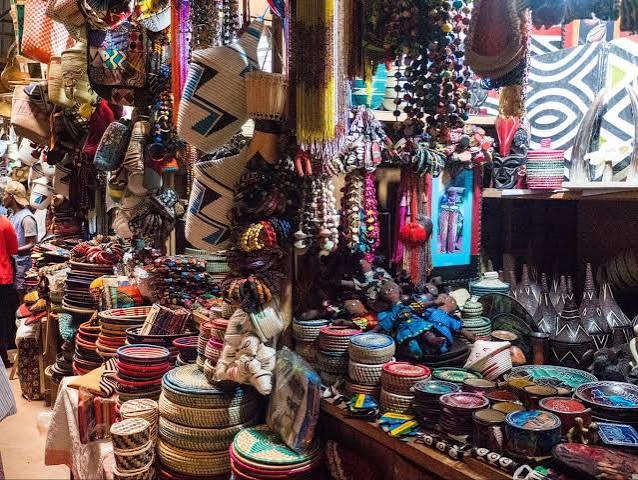
Kimironko Market in Kigali is one of Rwanda’s busiest and most colourful shopping destinations. Located in the Kimironko neighbourhood, this large traditional market offers everything from fresh vegetables and tropical fruits to beautiful African fabrics, handmade baskets, clothing and household products.
Unlike modern shopping malls, Kimironko Market provides an opportunity to experience everyday business life in Rwanda. Traders arrange their goods along busy walkways, customers compare prices, and skilled tailors create personalised clothing from brightly patterned fabrics.
For travellers visiting Kigali, the market offers much more than souvenir shopping. It is a place to meet local people, discover traditional products, understand Rwandan food culture and practise friendly bargaining. Knowing what to buy and how prices work can make the experience more enjoyable and affordable.
Where Is Kimironko Market Located?
Kimironko Market is situated in Kigali’s Gasabo District, within the busy Kimironko neighbourhood.
The market is accessible from central Kigali, Remera and other parts of the city.
Visitors can reach it by private taxi, motorcycle taxi or public transport.
Quick Facts About Kimironko Market
| Feature | Description |
|---|---|
| Country | Rwanda |
| City | Kigali |
| District | Gasabo |
| Neighbourhood | Kimironko |
| Market type | Traditional public market |
| Main products | Food, fabrics, clothing and crafts |
| Main currency | Rwandan franc |
| Payment methods | Cash and selected mobile payments |
| Bargaining | Common for many non-food goods |
| Recommended visit | 1–3 hours |
Why Kimironko Market Is Popular
Kimironko is one of Kigali’s largest traditional markets.
It attracts local households, restaurant owners, traders and international visitors.
The market contains different sections dedicated to agricultural produce, textiles, clothing, crafts and household goods.
For tourists, the colourful fabric stalls are particularly attractive.
However, exploring the food sections reveals how important the market is to everyday life in Kigali.
What to Buy at Kimironko Market
Visitors can find products suitable for personal use, gifts and travel souvenirs.
Some items are locally produced, while others arrive from neighbouring countries or international suppliers.
Popular Shopping Items
| Product | Why visitors buy it |
|---|---|
| Kitenge fabric | Colourful clothing and accessories |
| Agaseke baskets | Traditional Rwandan crafts |
| Fresh fruits | Local food experiences |
| Spices and grains | Cooking ingredients |
| Handmade jewellery | Gifts and souvenirs |
| Tailored clothing | Personalised African outfits |
| Second-hand clothing | Affordable everyday fashion |
| Household goods | Practical local shopping |
Prices depend on quality, quantity and the individual seller.
Buying Kitenge Fabric
Kitenge is among the most popular products purchased by visitors.
The colourful printed fabric comes in numerous patterns, including geometric designs, floral prints and bold traditional styles.
Fabric stalls display rolls and folded pieces in different colours.
How Is Kitenge Sold?
Fabric is commonly priced according to length, material quality and design.
Some traders sell pieces by the metre, while others offer pre-cut lengths suitable for dresses, shirts or other garments.
Ask whether the quoted amount covers one metre or the entire piece.
Inspect the fabric before paying.
Having Clothes Made by Local Tailors
One of Kimironko’s most enjoyable experiences is choosing fabric and arranging for a tailor to create clothing.
Tailors operate within or near the fabric section.
They may make dresses, skirts, shirts, trousers and simple accessories.
How the Tailoring Process Works
First, select your preferred fabric.
Next, explain the clothing design and provide measurements.
The tailor calculates the sewing cost and estimates the completion time.
Simple garments may sometimes be completed quickly, while complicated designs require longer.
Agree on the full price and collection arrangements before making payment.
Traditional Agaseke Baskets
Agaseke baskets are distinctive Rwandan woven crafts.
They are known for their elegant shapes and decorative patterns.
Traditionally, these baskets were associated with important occasions and gift-giving.
Today, they are popular cultural souvenirs.
What Affects Basket Prices?
Larger baskets generally cost more than smaller ones.
Detailed patterns and fine weaving may increase the price.
Visitors should examine the weaving quality and ask about the materials used.
Not every basket sold at the market is necessarily made in Rwanda, so confirm its origin if authenticity matters.
Fresh Fruits and Vegetables
Kimironko’s produce section is particularly lively.
Traders sell products harvested from different parts of Rwanda and neighbouring countries.
Visitors may encounter avocados, bananas, pineapples, mangoes, passion fruits and tree tomatoes.
Vegetables include potatoes, carrots, cabbage, tomatoes and leafy greens.
How Produce Prices Work
Some products are sold by weight.
Others are priced per piece, bunch, basket or selected quantity.
Seasonal availability affects prices.
Buying larger quantities may reduce the cost per item.
Always confirm the quantity being offered before agreeing to purchase.
Buying Beans, Grains and Spices
The market contains stalls selling dried agricultural products.
Beans, rice, groundnuts, maize flour and spices are commonly available.
These products provide an introduction to ingredients used in Rwandan cooking.
Shopping Tips
Check product cleanliness and packaging.
Ask about the unit of measurement.
Compare prices between nearby stalls.
Travellers taking food across international borders should confirm the applicable import restrictions.
Second-Hand Clothing and Shoes
Kimironko contains sections selling second-hand clothing and footwear.
Visitors may find jackets, dresses, trousers, shirts and shoes.
Prices vary depending on condition, quality and brand.
How to Find Good Items
Inspect clothing for damage.
Check zips, seams and buttons.
Try on garments where appropriate.
Compare similar products before buying.
Second-hand shopping requires patience, but careful browsing can reveal useful bargains.
How Bargaining Works at Kimironko
Bargaining is a normal part of shopping for many textiles, crafts and non-food products.
However, not every price is negotiable.
Some traders, particularly those selling produce, may have relatively firm prices.
A Simple Bargaining Method
Begin with a friendly greeting.
Ask the seller for the price.
Compare the item with similar products at nearby stalls.
If the price seems high, suggest a reasonable lower amount.
Allow the seller to respond.
Continue politely until both parties agree.
If an agreement is impossible, thank the trader and move on.
Understanding Prices in Rwandan Francs
The Rwandan franc, abbreviated RWF, is the main currency used at Kimironko.
Prices can change according to supply, quality, transport costs and seasonal demand.
Indicative Shopping Prices
| Item | Approximate price |
|---|---|
| Small souvenir basket | RWF 2,000–10,000+ |
| Two metres of basic fabric | From about RWF 5,000 |
| Simple tailored garment | Quoted according to design |
| Second-hand clothing | Varies by item and quality |
| Fresh produce | Depends on quantity and season |
These are broad shopping references, not guaranteed current prices. Always confirm prices directly with sellers.
Can Tourists Pay by Card?
Cash remains the most reliable payment method at Kimironko Market.
Many small traders do not have card machines.
Some sellers accept mobile money payments.
Visitors should carry Rwandan francs in smaller denominations.
Avoid displaying large amounts of money while shopping.
Do Tourists Pay More Than Locals?
Initial asking prices may differ depending on the seller, product and customer’s familiarity with local pricing.
This is not unique to Rwanda.
Visitors can improve their understanding by comparing several stalls.
How to Avoid Overpaying
Ask the price before accepting an item.
Compare quality rather than choosing only the cheapest option.
Learn common prices from a trusted local guide.
Purchase multiple items together when appropriate.
Remember that a fair price should also respect the trader’s livelihood.
Best Time to Visit Kimironko Market
Morning is generally a convenient time to explore.
Some sections become increasingly crowded later in the day.
Early visits may provide more space for browsing and photography.
However, activity levels vary between weekdays and weekends.
Allow sufficient time to explore without rushing.
Exploring the Market With a Guide
First-time visitors may benefit from a local guide.
The market contains narrow walkways and numerous stalls.
A guide can help locate specific products, explain local customs and assist with translation.
However, independent visitors can also explore comfortably with reasonable preparation.
Photography at Kimironko Market
The colourful products and lively atmosphere create excellent photography opportunities.
Fabric stalls, fruit displays and busy trading areas make interesting subjects.
Always request permission before photographing individual traders.
Avoid blocking pathways or interrupting business activities.
Respect anyone who declines to be photographed.
Staying Safe While Shopping
Kimironko is a busy public marketplace.
Visitors should take ordinary precautions against losing valuables.
Keep phones and wallets secure.
Avoid carrying unnecessary luggage.
Use recognised transport arrangements and agree on fares where appropriate.
Wear comfortable shoes suitable for walking through crowded areas.
Combining Kimironko With a Kigali City Tour
The market fits easily into a wider Kigali sightseeing itinerary.
Travellers can combine shopping with museums, neighbourhood walks and restaurant visits.
Suggested Half-Day Market Experience
Morning: Arrive at Kimironko and explore the produce section.
Late morning: Visit fabric stalls and compare kitenge designs.
Midday: Browse traditional crafts and collect any completed tailoring orders.
Afternoon: Continue to another Kigali attraction or enjoy a meal at a local restaurant.
Responsible Shopping at Kimironko
Supporting local businesses contributes to household incomes and employment.
Visitors should negotiate fairly and treat traders respectfully.
Avoid purchasing products made from protected wildlife.
Use reusable shopping bags where practical.
Ask about the origin of handmade crafts when supporting local artisans is important.
Why Kimironko Market Is Worth Visiting
Kimironko Market provides an authentic introduction to Kigali’s everyday commercial life.
Its colourful fabrics, fresh produce, traditional baskets and skilled tailors make it enjoyable for both shopping and cultural discovery.
Visitors can purchase meaningful souvenirs, learn how local prices work and interact with traders in a lively environment.
For travellers exploring Rwanda’s capital, Kimironko offers a memorable experience beyond conventional sightseeing.





No comment