
When Predators Hunt: Dawn, Midday and Dusk Patterns
The first rays of sunlight spread across Tanzania’s Serengeti plains. A lioness walks through the grass after a night of hunting, while a cheetah watches a herd of gazelles from a nearby mound. By midday, many predators will be resting in the shade, but others may still be searching for food.
Understanding when African predators hunt is one of the most useful skills for travellers planning an East African safari. Lions, leopards, cheetahs, spotted hyenas and African wild dogs have different hunting strategies, and their activity changes throughout the day.
Some predators rely on darkness and surprise, while others use daylight to chase prey. Temperature, moonlight, prey movements and competition also affect hunting times.
This guide explains what happens during dawn, midday and dusk, helping safari visitors understand when and where to watch Africa’s famous carnivores.
1. Why Do Predators Hunt at Different Times?
Predators do not follow identical daily routines.
Each species has physical adaptations that influence how it finds and captures prey.
Lions and leopards frequently use darkness or vegetation to approach animals without being detected.
Cheetahs depend on excellent eyesight and exceptional acceleration when chasing prey.
African wild dogs use teamwork and endurance, while spotted hyenas combine active hunting with scavenging.
Temperature is also important.
Hunting during cooler hours can reduce heat stress, particularly for animals that run considerable distances.
However, prey availability and competition can sometimes make daytime hunting worthwhile.
2. Dawn: One of the Best Times to See Predators
Dawn is a particularly rewarding period for wildlife observation.
Temperatures are usually relatively cool, and many animals are still active after the night.
Lions may be returning from hunting, while hyenas travel towards resting areas.
Cheetahs and African wild dogs may begin searching for prey.
What Happens Around Sunrise?
During an early morning game drive, visitors may observe:
- Lions feeding on kills made overnight.
- Leopards moving towards resting places.
- Cheetahs watching gazelles.
- Spotted hyenas travelling across open grassland.
- African wild dogs gathering before moving.
- Jackals searching for small animals or carrion.
These activities vary between habitats and seasons.
Seeing a predator at dawn does not necessarily mean it is hunting at that moment.
3. Why Lions Often Hunt at Night and Dawn
Lions are commonly described as nocturnal or crepuscular predators.
Their eyes perform well in relatively low light, and their hunting methods frequently depend on stalking and ambush.
Darkness can help lions approach prey more closely.
Cool conditions also make movement less demanding.
However, lions are capable of hunting during daylight.
In some ecosystems, their activity is spread across several parts of the day.
What Should Safari Visitors Look For?
Fresh tracks, alarm calls and moving prides can indicate recent predator activity.
A pride resting beside a carcass at sunrise may have completed its hunt hours earlier.
Your guide can help interpret signs without assuming every lion movement is part of an active hunt.
4. Midday: Do All Predators Stop Hunting?
Many safari visitors expect predators to sleep throughout the hottest hours.
Although resting is common, midday hunting does occur.
Lions and leopards may remain inactive in shade, but individual animals sometimes respond to opportunities.
Cheetahs can also hunt during daylight.
Research from African savannah ecosystems has documented substantial daytime hunting by cheetahs, partly associated with competition from larger predators.
Why Hunt in the Heat?
Midday hunting can offer several advantages.
Some competing carnivores may be less active.
Prey animals may also gather near predictable resources or become easier to approach in particular habitats.
However, high temperatures can make prolonged pursuits expensive.
The decision to hunt depends on the balance between opportunity, energy expenditure and risk.
5. Cheetahs: The Daylight Hunting Specialists
Cheetahs are among the best-known daylight hunters of the African savannah.
Their slender bodies, long legs and flexible spines support remarkable acceleration.
Unlike leopards, which usually rely on close-range ambushes, cheetahs often pursue prey in open terrain.
Their excellent eyesight helps them detect gazelles and other suitable animals.
Why Do Cheetahs Hunt During Daylight?
Daylight allows cheetahs to locate prey visually.
Hunting while some larger carnivores are less active may also reduce competition.
However, cheetahs do not hunt exclusively during the day.
Research in Botswana’s Okavango Delta documented substantial nocturnal activity, especially when moonlight provided useful visibility.
Their behaviour is therefore more flexible than the familiar description of a strictly daytime hunter suggests.
6. Leopards: Masters of Darkness and Ambush
Leopards are secretive predators capable of hunting at different times.
They often become active during evening, night and early morning.
Their spotted coats provide camouflage among vegetation and shadows.
A leopard may remain motionless before attacking prey from a short distance.
Do Leopards Ever Hunt at Midday?
Yes.
Leopards can hunt during daylight when circumstances are favourable.
Individual behaviour depends on prey movements, habitat and human disturbance.
Studies in Tanzania’s Ruaha ecosystem have documented activity peaks during evening and early morning, with differences between habitats.
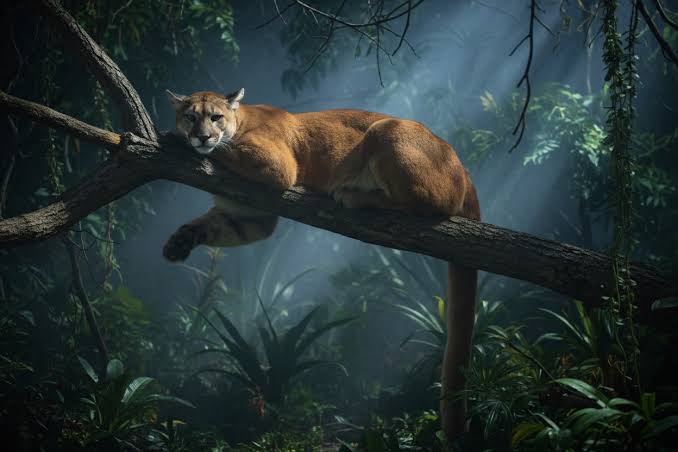
During a safari, visitors may find a leopard resting in a tree during daylight after feeding overnight.
However, a resting leopard is not necessarily inactive for the entire day.
7. Dusk: The Savannah Becomes Active Again
As the afternoon heat begins to fade, many predators increase their movements.
Dusk provides cooler temperatures and changing light conditions.
These can be favourable for stalking or beginning a pursuit.
Lions may leave their resting places and move towards areas containing prey.
Leopards may become more active around woodland edges.
African wild dogs and cheetahs may also search for feeding opportunities.
Why Is Dusk Important?
Dusk is a transitional period between daylight and darkness.
Some prey species become active while others prepare to rest.
Predators may take advantage of these changing conditions.
However, successful hunting depends on more than the time shown on a clock.
8. African Wild Dogs: Hunting During Cooler Hours
African wild dogs are cooperative predators that frequently hunt during early morning and late afternoon.
Their long legs and endurance help them pursue suitable prey across open habitats.
Pack members may gather before moving together.
These energetic gatherings sometimes involve greetings and sneezing sounds associated with collective departure decisions.
Do Wild Dogs Hunt at Night?
Yes, in some circumstances.
Although wild dogs are often associated with dawn and dusk activity, research from Botswana found that they also move and hunt during moonlit nights.
This shows why simple descriptions of wild dogs as exclusively daytime hunters can be misleading.
9. Spotted Hyenas: More Than Night-Time Scavengers
Spotted hyenas are capable hunters that frequently become active after dark.
They can pursue prey individually or in groups and may travel considerable distances.
Their powerful jaws allow them to process carcasses efficiently.
However, hyenas also hunt during daylight.
In areas with abundant prey or suitable conditions, their activity may extend across different periods.
Hyenas sometimes follow predator kills, but they are not dependent entirely on scavenging.
10. Quick Comparison: When Do African Predators Hunt?
| Predator | Common Activity Periods | Main Hunting Strategy |
|---|---|---|
| Lion | Night, dawn and dusk; sometimes day | Stalking and ambush |
| Leopard | Night, dawn and dusk; sometimes day | Stealth and ambush |
| Cheetah | Daylight, dawn and dusk; sometimes moonlit night | Short, fast pursuit |
| African wild dog | Dawn and dusk; sometimes other hours | Cooperative pursuit |
| Spotted hyena | Often night; also daylight | Pursuit hunting and opportunistic feeding |
| Black-backed jackal | Variable, often cooler periods | Small-prey hunting and scavenging |
These are general patterns rather than fixed schedules.
Local studies have found substantial variation between populations.
11. How Moonlight Changes Hunting Behaviour
Moonlight can influence the balance between finding prey and remaining undetected.
Bright conditions may improve visibility for predators that depend heavily on sight.
However, prey animals may also detect approaching hunters more easily.
Research in Botswana found that cheetahs and African wild dogs increased certain night-time activities when moonlight was available.
Lions and spotted hyenas showed different patterns.
This demonstrates that moonlight does not affect all African carnivores in the same way.
12. How Weather Influences Predator Activity
Weather affects animal movement throughout the day.
High temperatures may encourage predators to seek shade.
Cooler conditions can support longer periods of movement.
Rain may change visibility, prey distribution and access to particular areas.
Wind can influence how scent and sound travel.
However, weather alone does not reliably predict when a hunt will occur.
A hungry predator may become active even under less favourable conditions.
13. Where Are Predator Sightings Best in East Africa?
Several national parks support diverse carnivore populations.
| Destination | Country | Predators to Watch |
|---|---|---|
| Serengeti National Park | Tanzania | Lions, leopards, cheetahs and hyenas |
| Maasai Mara National Reserve | Kenya | Lions, cheetahs, leopards and hyenas |
| Queen Elizabeth National Park | Uganda | Lions, leopards and hyenas |
| Murchison Falls National Park | Uganda | Lions and leopards |
| Kidepo Valley National Park | Uganda | Lions, leopards and hyenas |
| Nyerere National Park | Tanzania | Lions, leopards and African wild dogs |
Wildlife sightings vary by season and location.
No destination can guarantee that visitors will witness a successful hunt.
14. How to Plan Game Drives Around Predator Activity
A carefully planned safari often includes both morning and afternoon game drives.
Morning drives may reveal predators returning from overnight activity.
Afternoon drives can provide opportunities to observe animals becoming active as temperatures fall.
Midday should not automatically be dismissed.
It may offer valuable sightings of resting carnivores, feeding activity or cheetahs searching for prey.
Practical Safari Timing Guide
| Time | What to Expect |
|---|---|
| Early morning | Active predators, tracks and recent kills |
| Late morning | Mixed resting and hunting activity |
| Midday | Shade-seeking predators and occasional hunts |
| Late afternoon | Increasing movement as temperatures fall |
| Dusk | Stalking, travel and social interactions |
| Night | Nocturnal activity where authorised night drives operate |
Protected-area regulations determine when game drives are permitted.
15. Why Responsible Predator Viewing Matters
Watching a predator hunt can be exciting, but visitors must avoid interfering with natural behaviour.
Safari vehicles should never block prey escape routes or surround hunting animals.
Drivers must follow park rules and maintain appropriate distances.
Avoid shouting, using flash photography or encouraging predators to chase animals.
Never request that a guide drive aggressively after wildlife.
A responsible sighting allows predators and prey to behave naturally.
There Is No Perfect Hunting Hour
Understanding when African predators hunt can help travellers appreciate the rhythms of life in East Africa.
Dawn and dusk often provide rewarding viewing opportunities because many carnivores become active during cooler periods.
However, midday hunting is possible, and some predators remain active well into the night.
Lions, leopards, cheetahs, spotted hyenas and African wild dogs respond differently to temperature, light, prey availability and competition.


No comment