
Night Skies and Nightjars: After-Dark Birding in the Savanna
The savanna changes after sunset. During the day the landscape may be filled with grazing animals soaring raptors, colourful rollers and the constant movement of birds. As darkness arrives the familiar sounds begin to fade. The heat drops the horizon turns black and a different world slowly becomes active. Somewhere in the grass a Nightjar begins calling.
Night Skies and Nightjars: After-Dark Birding in the Savanna offers a chance to experience East Africa from a different perspective. Of relying on bright colours and daytime movement you learn to listen carefully scan the darkness and notice small movements beneath a sky filled with stars, where Nightjars appear. Night birding requires patience. It can produce some of the most memorable moments of a safari.
For anyone who has spent days exploring Uganda, Kenya, Tanzania or Rwanda in search of birds an evening excursion adds a new dimension. The species you encounter may be names from field guides yet seeing them at night can feel like discovering them for the first time.
Why the Savanna Comes Alive After Sunset
Savanna landscapes are often associated with sunrise and daylight birding. Many creatures become more active once temperatures fall. Birds that avoid the heat of the day can begin moving through grassland, woodland edges and scattered bushes. Insects emerge in numbers providing food for species adapted to hunting after dark.
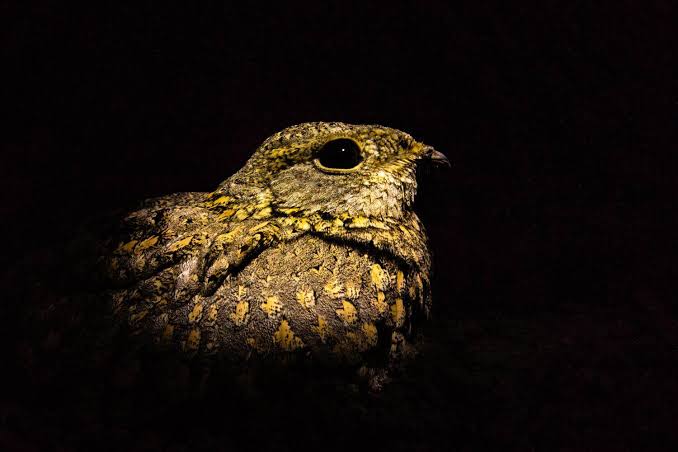
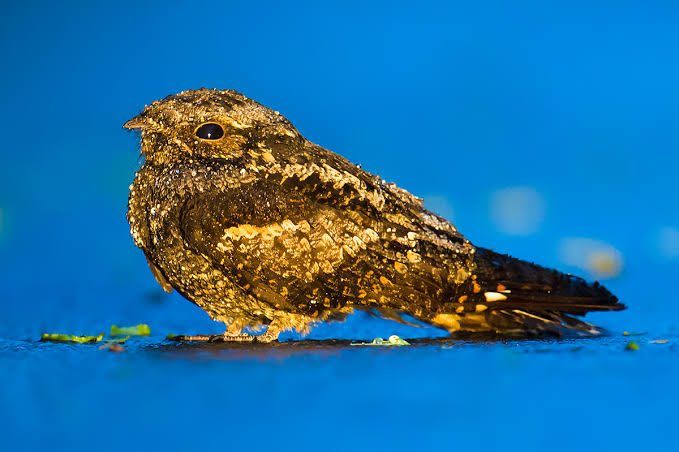
Nightjars are among the fascinating birds to encounter. Nightjars belong to a group of crepuscular birds with excellent low-light adaptations. Nightjars’ cryptic plumage allows them to blend into leaves, soil and grass during daylight hours. When Nightjars take flight their wings and soft almost silent movement make them remarkably difficult to follow.
A Nightjar may sit quietly on a track before flying a short distance ahead of you. Nightjar’s appearance can be fleeting. You might see Nightjar for a few seconds before Nightjar disappears into the darkness. That uncertainty is part of what makes after-dark birding so rewarding.
Learning to Listen Before You Look
Daytime birding often begins with clues. You notice movement in a tree a flash of colour or a distinctive shape against the sky. At night sound becomes more important.
Nightjars produce calls that can carry surprisingly far across open country. Learning these calls gives you a chance of locating Nightjar without disturbing Nightjar. A knowledgeable local guide can be particularly valuable because they may recognise differences between species and know the habitats where particular Nightjars are likely to occur.
Listening also changes your relationship with the landscape. Of rushing between sightings you pause and allow the sounds, around you to become clear. Crickets call from the grass. Mammals move through vegetation. An owl may call from a tree. Then beyond the vehicle comes the unmistakable sound of Nightjar.
That moment can be surprisingly powerful.
The Nightjar Species You May Encounter
East Africa supports nightjar species. The exact possibilities depend heavily on your location, habitat, season and local conditions. Some nightjars live in savanna while others prefer woodland, grassland, rocky areas or bush country.
The Fiery-necked Nightjar can appear on nocturnal birding excursions in habitats. Its call is often easier to recognise than the nightjar itself. The European Nightjar may also occur seasonally in parts of East Africa during migration adding a possibility to an evening search.
Other nightjars, such as the Square-tailed Nightjar and the Swamp Nightjar can also occur in habitats. Their presence is never. That is important to remember. Nocturnal birding depends on weather, moonlight, insect activity, habitat conditions and the behaviour of nightjars.
An experienced guide will help you understand these factors of promising sightings that cannot be guaranteed.
Choosing the Right Place for Night Birding
The best locations for nightjars are usually areas that combine habitat, low artificial light and safe access after sunset. Open tracks through savanna can be productive because some nightjars use roads and clear ground for hunting or resting.
Protected areas can offer opportunities because large sections of the landscape remain relatively dark. Parks and reserves, across East Africa provide habitats so your chances depend on the particular area you visit.
A location that offers daytime birding does not automatically mean you will have good nightjar sightings. You must think about the bird species in the area the type of habitat access rules and whether nighttime activities are allowed.
For this reason planning with a guide who knows the birdlife can make a big difference. Such a guide can pick the spots and change the schedule depending on the weather and recent bird sightings.
The Importance of Darkness
Artificial light has an effect on wildlife. This makes dark environments especially important. When you move away from towns, lodges, roads and other sources of light the night sky becomes much clearer.
This is one of the parts of Night Skies and Nightjars: After-Dark Birding in the Savanna. The experience is more than spotting a certain bird. You might spend minutes looking up while your eyes adjust to the darkness. The stars start to shine. Familiar features of the landscape turn into silhouettes.
Then your attention shifts back to the ground.
A nightjar may be sitting a few metres away perfectly blending into the track.
What to Expect During an After-Dark Birding Excursion
A outing begins shortly after sunset, when some birds are still active and temperatures have dropped to a more comfortable level. The first part of the evening is often very interesting because crepuscular species are moving into behavior.
Your guide might stop at intervals to listen for calls. Of driving continuously the group may pause quietly in promising areas. If a bird is found a flashlight or red-filtered light might be used carefully to confirm what it is.
You should avoid shining lights directly into a bird’s eyes for long periods. Nocturnal birds need darkness to feed, rest and navigate normally. Responsible observation keeps disturbance to a minimum.
Patience is key. You may drive kilometres without seeing anything obvious then come across multiple species in a short time. The unpredictable nature of the outing is part of its charm.
Birds You May Find at Night
Nightjars are usually the main goal but they are not the only birds worth searching for after dark. Owls are among the exciting possibilities. Depending on the region you could see Verreauxs Eagle-Owl, Spotted Eagle-Owl, Pearl-spotted Owlet or other nocturnal raptors.
Some birds that are active during the day may also use tracks or exposed branches after sunset. Migratory birds can add surprises during certain times of the year.
The wider wildlife experience can be just as unforgettable. Galagos might move through trees. Insects gather around plants. Animals that stay hidden during daylight become easier to detect. Every sound carries weight when visibility is low.
This is why Night Skies and Nightjars: After-Dark Birding in the Savanna can appeal to people who have already gone on many daytime safaris. It changes the pace. Helps you notice details that are easy to miss under the sun.
Practical Tips for a Successful Night Birding Experience
Wear clothing that’s comfortable and protects your arms and legs from insects and bushes. Closed shoes are sensible especially when walking near grassland or woodland edges. Bring a jacket because temperatures can drop after sunset particularly on clear nights.
A small flashlight is helpful. Follow your guides instructions about when and how to use it. A red light causes disruption than a strong white beam. Binoculars can still help in some situations although your ears and eyes are often more useful, than your optics.
Avoid wearing clothes that make noise or carrying equipment that rattles. Keep conversations quiet when listening for bird calls. Mobile phone screens should be kept dim because bright displays can affect your night vision.
Importantly allow yourself enough time. A rushed one-hour trip may not yield much. A longer outing lets you explore habitats and wait for birds to become active.
When to Try After-Dark Birding
There is no perfect night for finding nightjars. Weather has an influence. Strong winds, rain or unusually cold conditions can lower nightjar activity. Calm evenings with insect activity can be more productive.
Moonlight also influences the experience. A bright moon may help you see shapes and movements easily while a darker night can improve stargazing and may change nightjar behaviour.
Seasonal migration adds another layer of excitement. Some species appear in East Africa during certain periods so checking local records before a trip can help choose a suitable time.
Finding Beauty in the Quiet
The reward of Night Skies and Nightjars: After-Dark Birding in the Savanna may come when I drop the expectation of constant action. The darkness encourages a pace. Attention turns to sounds, distant calls, movement in the grass and changes in the wind.
A nightjar may appear briefly. Vanish as quickly. A perfect view may never be achieved.. The experience remains because effort was made for the sighting.
East Africas savannas hold stories that continue long after the sun disappears. Beneath the stars another chapter begins. Nightjars call from the darkness owls patrol the woodland insects fill the air. The landscape takes on a character that daytime cannot reveal.
For anyone to leave the daytime routine behind Night Skies and Nightjars: After-Dark Birding in the Savanna offers a quiet and unforgettable way to experience the wild. Seeing dozens of species is not necessary, for an evening. Sometimes one call, one brief flight and one glimpse of a bird disappearing into the darkness are enough to make the night memorable.


No comment