
Budget Birding Itinerary: Uganda in 6 Days
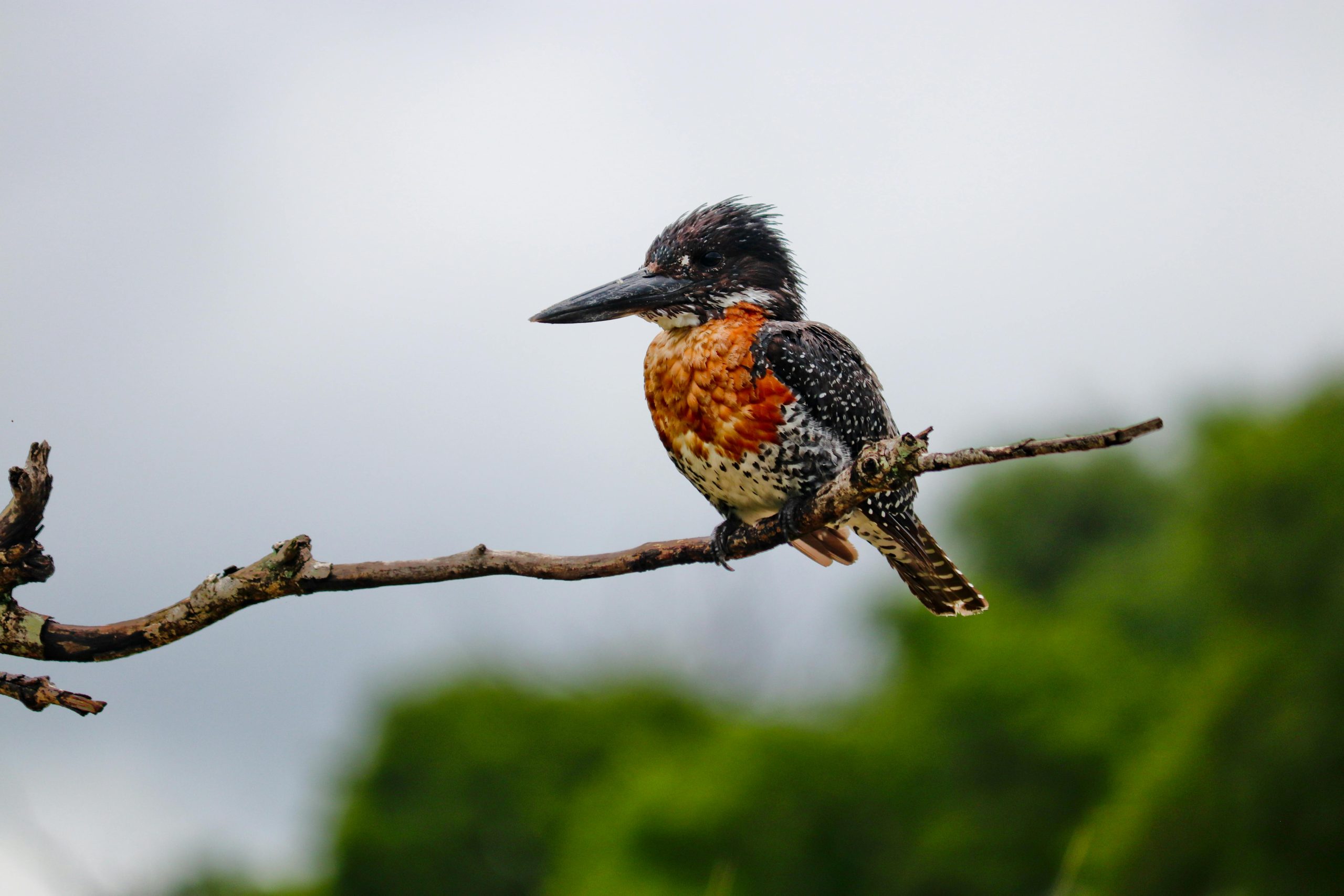
Uganda gives a birding experience without needing a large travel budget. Uganda has over one thousand recorded bird species, different habitats, short travel distances and many affordable places to stay. Uganda is perfect for a wildlife adventure. A planned six-day journey in Uganda can take you from wetlands and lakes to forests and savannas letting you see bright turacos, kingfishers, hornbills, raptors, herons, weavers and maybe Ugandas famous shoebill.
A successful Budget Birding Itinerary depends less on spending a lot and more on picking places. Of trying to cover all of Uganda focus on sites that offer good bird variety and reasonable driving times. Entebbe, Mabamba Swamp, Lake Mburo and the wetlands near Kampala can form the basis of an itinerary. You can also change the route to match your interests, transport budget and comfort level.
Planning Your Six-Day Uganda Birding Adventure
The way to plan a Budget Birding Itinerary: Uganda in 6 Days is to keep the route simple. Long drives waste birding hours and increase fuel costs so staying in a compact circuit makes sense. Entebbe is a starting point because it is close to the international airport and offers several good birding spots.
Budget accommodation does not mean losing the experience. Guesthouses, lodges, campsites and locally run hotels can give comfortable rooms at much lower prices than expensive safari lodges. If you travel with one or two friends sharing transport and stay can cut the cost a lot.
Early mornings should be the focus of each day. Birds are usually more active in the hours and you can see more species before the afternoon heat. Bring drinking water, snacks, a hat, sunscreen, binoculars and a field guide. These simple preparations can stop you from buying items on the spot.
Day One: Arrive in Entebbe and Start Birding
Start your adventure in Entebbe, where you can stay in a place and still have time for an afternoon birding walk. Entebbe Botanical Gardens is an introduction to Uganda birdlife because its old trees, gardens, shore and small forests attract many species.
Spend the afternoon walking in the gardens. Watch for Great Blue Turacos moving through the canopy bright sunbirds visiting flowers African palm swifts flying overhead. Many kingfishers near wet places. You may also see weavers, barbets, starlings and other common African birds.
Keep the day relaxed. After a flight or journey there is little benefit in rushing from one spot, to another. Enjoy the surroundings set up your gear and get ready for a start the next morning.
Day Two: Search for the Shoebill at Mabamba Swamp
Day two can turn into one of the memorable parts of your journey. Mabamba Swamp, west of Entebbe on the shores of Lake Victoria is one of Ugandas best‑known places for spotting the shoebill. A canoe ride through the papyrus channels gives a way to explore this important wetland.
A Budget Birding Itinerary: Uganda in 6 Days should include Mabamba because the experience can be arranged without the expense of a luxury safari. Local canoe operators give access into the swamp while experienced guides know the channels and habitats where shoebills are commonly encountered.
The shoebill is usually the attraction but keep watching after you spot a shoebill. African jacanas, herons, egrets, kingfishers, cormorants, papyrus specialists and several other wetland species may appear during the outing. Move quietly. Let the canoe drift naturally whenever possible.
After returning from Mabamba you can spend the afternoon resting or exploring more of Entebbe. Keeping your schedule flexible gives you time to appreciate sightings without feeling pressured to maintain a rigid timetable.
Saving Money at Mabamba
The biggest savings usually come from choosing accommodation and sharing transport. If you are traveling with companions, divide vehicle and guide costs where possible. Booking services directly can also help you find practical options that fit your budget.
Avoid packing every hour with activities. One focused wetland excursion can be more rewarding than rushed stops.
Day Three: Travel Toward Lake Mburo
On the day leave the Entebbe area and travel toward Lake Mburo National Park. The journey introduces a landscape with open grasslands, woodland, wetlands, farms and scattered settlements along the route.
Lake Mburo is particularly attractive for travelers who want birding combined with wildlife viewing. The park supports a mixture of savanna and wetland species creating a change from the habitats around Entebbe.
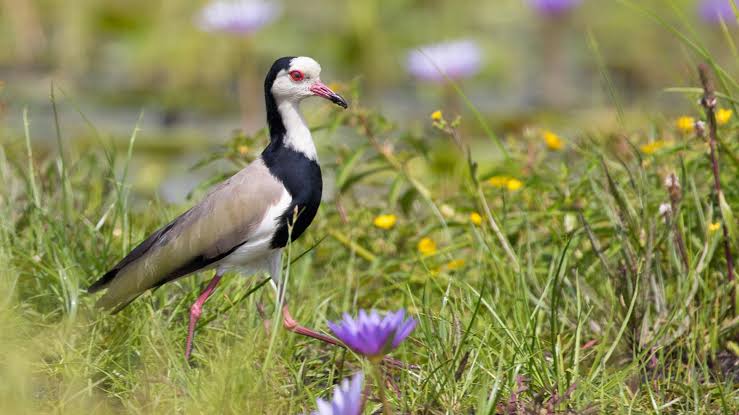
You can stop for roadside birding when conditions are safe and appropriate. Avoid turning the journey into a series of expensive detours. Inside or near Lake Mburo concentrate on productive habitats. Keep an eye out for fish eagles, hornbills, rollers, bee‑eaters, storks, lapwings and other species associated with open country.
Affordable lodging around Lake Mburo makes it possible to enjoy the area without staying at high‑end safari properties. A simple room or campsite can provide everything you need after a day outside.
Day Four: Full‑Day Birding Around Lake Mburo
Dedicate day four to Lake Mburo and its surrounding habitats. An early morning drive offers the chance to find active birds before temperatures rise. The combination of acacia woodland, grassland, rocky areas and water supports a mix of species.
Take your time. Birding is often more productive when you stop frequently than driving continuously. Scan tree branches for raptors check grassland edges for ground‑feeding birds. Watch water carefully for waders and other aquatic species.
Lake Mburo also adds mammals to your experience. Zebra, impala, buffalo and other wildlife can appear during drives giving your six‑day journey a safari character without requiring a separate wildlife‑focused trip.
For travelers this is also a good day to make the most of the park entrance and transport expenses already incurred. Than moving to another destination spend more hours exploring the habitats around Lake Mburo.
Day Five: Return Toward Kampala and Explore Wetlands
On day five begin your return journey toward Kampala or Entebbe. Depending on your transport arrangements you can make selected birding stops along the way. Avoid adding many locations because the main goal is to arrive with enough time and energy for another productive session.
Wetland habitats around Kampala can provide good birding opportunities. Look for herons, egrets, kingfishers, weavers, African jacanas and other water‑associated species.
This part of the trip demonstrates a lesson: you do not always need a remote national park to find interesting birds. Ugandas landscapes can remain productive close, to major towns.
Day Six: Final Morning for Birding and Leaving
Use your morning to go birding one more time close to Entebbe. Going back to a place you know can be very rewarding because you now understand the sounds and actions in that area. Spend some time trying to find birds that you didn’t see earlier in your trip.
Remember your plan for leaving. If your flight is in the afternoon make sure you have time for getting to the airport and checking in. A last morning walk is worth it only if it doesn’t cause stress with traveling.
Before you go look over the birds you saw and your notes. You might find that a six-day trip gave you bird species than you thought.
How to Keep Your Uganda Birding Trip Affordable
The biggest savings usually come from how you get where you stay and how you plan your trip. A car with a guide can be very helpful. It costs more than sharing a vehicle with others. If you have a budget think about joining a small group or going with friends.
Food is another place where smart choices can help. Local places to eat often have meals at lower prices than fancy places. Bringing some snacks for drives can also help you avoid buying things on the side of the road.
Pick your time to travel too. Uganda has weather all year and the roads can change how long it takes to get around. A local expert can help you choose a path that fits the conditions and your money.
Important focus on places that are good for birding instead of just visiting new spots. Spending a hours in a good wetland can bring better results than driving a long way just to add another place to your list.
Make the Most of Six Days
A Budget Birding Itinerary: Uganda in 6 Days shows that a great birding trip doesn’t need to be expensive or fancy. With planning you can see wetlands, forests, lakes and open lands without too much travel each day.
Uganda rewards those who wait. A shoebill standing quietly in the reeds a Great Blue Turaco going through plants or an African fish eagle calling over a lake can be the moment you remember long after you are home. These moments come from being moving slowly and letting nature show itself.
Your six days might go fast. They can give you a good start into Ugandas amazing birds. Plan your trip well travel in a way that helps the people support local guides and communities and make space for surprises. The result can be a birding trip in Africa that shows adventure and low cost can be together.
For people looking for a Budget Birding Itinerary: Uganda in 6 Days the plus is the freedom to change where you stay how you get around and what you do based on your money while still seeing some of the best birding places in the country. With a start a pair of binoculars and a desire to explore Uganda can turn six well-planned days into memories that last a lifetime.
Meta description: Discover the birding spots, in Uganda in six affordable days, including Mabamba Swamp, Lake Mburo, Entebbe wetlands and more.

No comment