
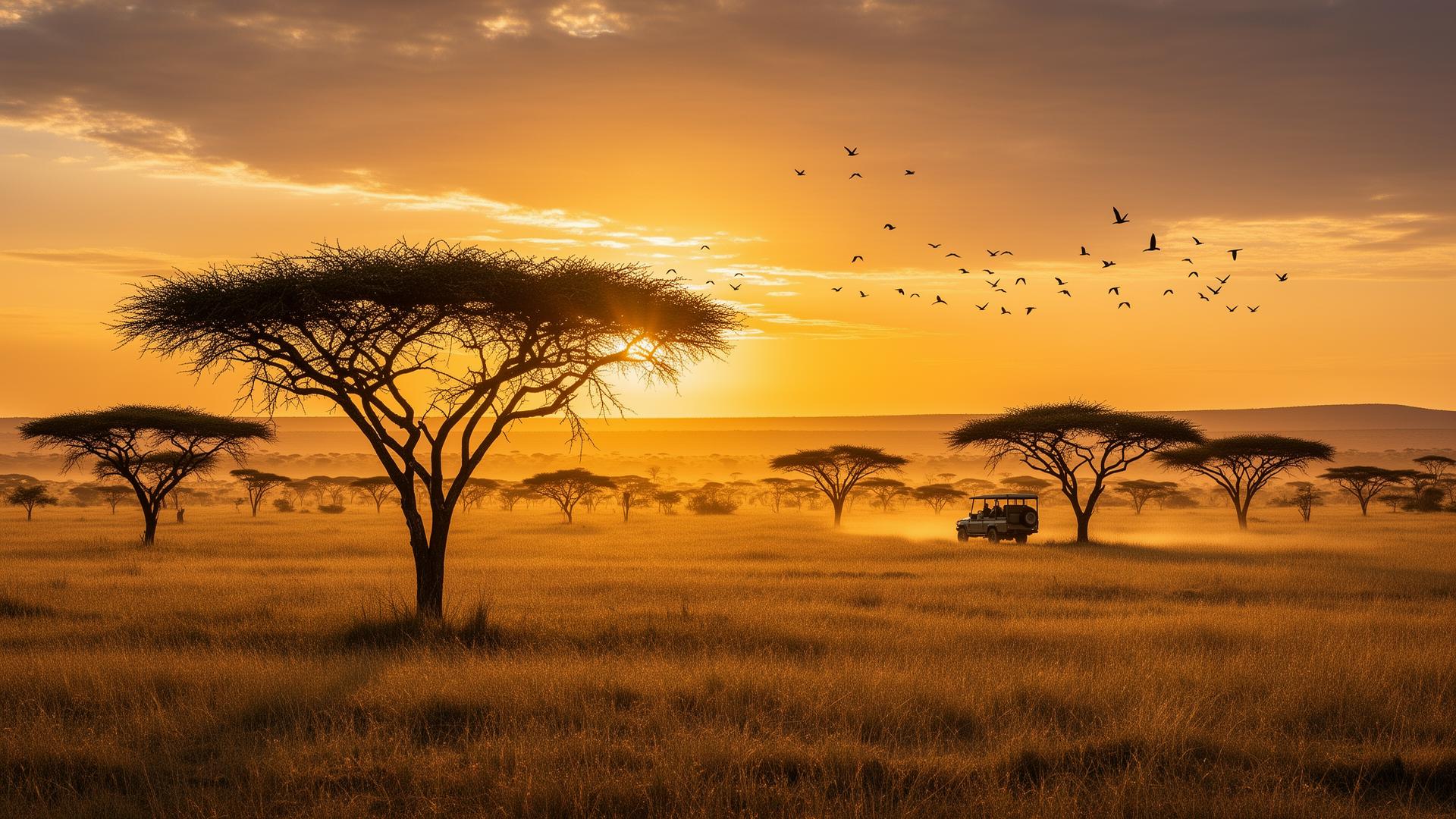
Golden Hour Birding: Capturing East Africas Best Light
I think there is something special about watching a bird step into the first warm light of an East African morning. The land is still quiet. The air feels fresh. That soft glow from the sunrise turns a scene into something amazing. You might see a crowned crane standing in the grass a lilac- roller sitting on an acacia branch or an African fish eagle watching a lake. Suddenly everything looks so clear and full of life. Golden Hour Birding: Capturing East Africas Best Light is about learning to spot these moments. It is about using those moments to take photos that show how beautiful wild places really are.
East Africa is a place for this kind of photography. You can find forests, wetlands, savannas, mountains, rivers and lakes in Uganda, Kenya, Tanzania and Rwanda. Thousands of bird species live there. I always find that the early morning and late afternoon are the times for photography because the sun is low. You do not have to deal with light from above. Instead you get light warm colors, long shadows and a sense of depth. These conditions can turn a birding scene into a photo you will never forget.
Why Golden Hour Creates Better Bird Photographs
The way light looks can change a photo completely. If you try to take pictures in the middle of the day the strong sun makes shadows and bright spots. You might lose the details on feathers. It can also be hard to get the settings for birds hiding under plants. During the hours the sunlight travels through more of the air. This makes the light warmer and much softer.
This soft light is a help when you are photographing birds with beautiful feathers. Birds like sunbirds, bee-eaters, turacos, rollers and kingfishers have colors. Those colors look much better when the light hits them from an angle. Warm sunlight can make reds oranges, yellows and golden browns pop. It also creates highlights on every single feather.
The direction of the light is very important too. Lighting a bird from the front can give you a portrait. Lighting a bird from the side helps show the texture and shape of the feathers. Backlighting can make the edges of wings and feathers look like they are glowing especially when a bird flies. If you learn to see these differences you will make better choices before you click the shutter.
Start Before the Birds Become Active
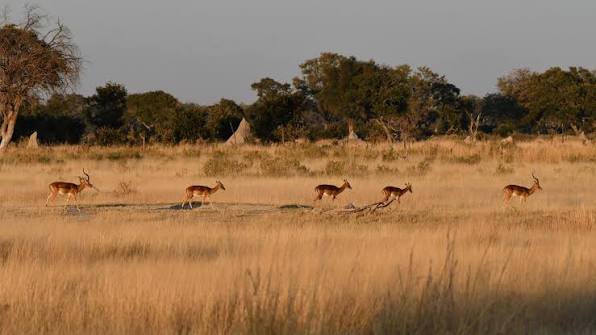
If you want to take sunrise photos you often have to start before the sun even comes up. Getting to your spot early gives you time to sit down check your camera. See where the birds are going. Wildlife photography takes a lot of patience. If you arrive late you might miss the parts.
In places like the wetlands, forest edges and savanna habitats of Uganda the early morning is very busy. Birds start calling and eating soon as there is light. Raptors leave their nests waterbirds move around the water and smaller birds move through the plants to find food.
You do not have to photograph every bird you see. Instead try to find the mix of a good bird, a nice background and great light. A common bird shot in light often looks much better, than a rare bird shot in bad light.
Choosing the Right Camera Settings
I believe your camera settings should help you enjoy the moment than get in your way. When you are shooting birds in motion you really need a fast shutter speed. A shutter speed of 1/1600 second can help you freeze a flying bird in place but 1/1000 second might work just fine for many active subjects too. If a bird is just sitting still you can slow down your shutter speed. Use a lower ISO if the light allows it.
Using an aperture can help you make a bird stand out from a messy background. Lenses with apertures like f/4, f/5.6 or f/6.3 can give you that background blur, depending on your lens and how far away the bird is from the trees or bushes. Just make sure enough of the bird stays sharp especially if the bird is tilted at an angle.
I find that Auto ISO is very helpful when the light keeps changing. Mornings in East Africa can go from dark to bright very fast and trying to change your ISO manually for every single shot might make you miss a great moment. Just set a maximum ISO for your camera and then focus on the bird and how you frame your shot.
Use the Light to Tell a Story
A bird photograph does more than just show what a bird looks like. A good photo can show where the bird lives and what the bird is doing. Using light can really help create that feeling of a specific place.
Try to include some of the birds home in your shot of just filling the whole frame with the bird. A shoebill standing in papyrus a flamingo reflected in a Rift Valley lake or a roller sitting over grassland all tell a much better story if you can see the environment too.
Low light from an angle can also make beautiful shadows on the ground. If the sun is at your back look at how the light hits the bird and the grass. If you move a few steps to the side the background can look completely different. Moving a little bit can change your whole photo.
Photographing Birds in East African Habitats
The many different places in East Africa give photographers lots of ways to use warm light. Open savannas are great during sunrise and sunset because there is nothing to block the sun from your subject. You can find birds like secretarybirds, kori bustards, rollers, starlings and raptors standing out against the glowing grass.
Wetlands feel very different. Water can reflect the sky to make a background and the morning mist can make the scene feel very special. The papyrus swamps and lakes in Uganda can make photos of herons, kingfishers, jacanas, storks and other birds that love the water.
Forests are a bit harder because the leaves and branches can block the sun.. These spots can still make amazing photos. A sunbird catching a bit of morning light against a dark background can look wonderful. In Rwandas Nyungwe Forest and Ugandas Albertine Rift forests you really need patience because birds often hide in the plants.
Mountains add something entirely. When the sun hits the slopes you can photograph birds against far-off ridges and big skies. These photos show both the bird and the huge landscapes that make East Africa so special.
Watch for Behavior
Light is important. It is not the only thing that matters. Bird behavior is often what makes a photo truly special. Watch to see if birds are eating, calling, cleaning their feathers looking for a mate or taking flight.
Keep your camera ready when you see a bird start to move. A bird sitting on a branch might suddenly stretch its wings. Fly away. If the sun is behind the bird these movements can make the edges of the feathers glow beautifully.
It is much better to guess what a bird will do next than trying to react after it happens. I suggest. Watching the bird for a few minutes before you start taking lots of photos. You might see a pattern. Maybe the bird always goes back to the branch or lands near the same patch of water. Once you see that pattern you can get ready. Wait for the perfect moment.
Make the Most of Evening Light
Golden light does not just happen at sunrise. The late afternoon can be just as beautiful. As the sun goes down birds often start moving again. In the savanna birds might head back to where they sleep and waterbirds often gather near lakes and wetlands.
Evening light can give you colors and longer shadows than the morning light. The changing sky can also make the background look very dramatic. Clouds can catch the sun and distant hills can look soft and glowing.
If you are staying near a place, with lots of birds try not to pack up your camera early. Some of the photos of the day might happen during that very last hour of light.
Protect the Experience While Photographing
Good wildlife photography requires respect for the subject. Avoid chasing birds repeatedly flushing them from perches or making noise to get a photo. Your goal should be to work with behavior rather than interfere with it.
Keep a distance and follow local guidance when photographing wildlife in protected areas. A longer lens often gives you creative freedom without requiring you to move closer. This is particularly important around nesting birds and sensitive species.
Photography should also encourage appreciation for habitats. A beautiful image of a bird in its environment can remind viewers why wetlands, forests, grasslands and lakes deserve protection. The strongest photographs often leave the viewer about the place where they were taken.
Let Patience Shape Your Photography
Some of the images may require an hour of waiting. You may arrive with an idea and discover that the bird never appears. Another day a common species may land in the right position as sunlight reaches the landscape.
This uncertainty is part of bird photography. You cannot control the wildlife the weather or every change in light. What you can control is your preparation, position, patience and willingness to keep observing.
Golden Hour Birding: Capturing East Africas Best Light becomes more rewarding when you stop treating photography as a race for more species and start paying attention to individual moments. Watch how sunlight moves across feathers. Notice how a bird responds to the morning temperature. Listen to calls before searching for their source. Give yourself time to experience the landscape.
East Africa rewards photographers who slow down
A quiet sunrise beside a Ugandan wetland a glowing savanna in Kenya, a Tanzanian lake reflecting the evening sky or a Rwandan forest opening into afternoon light can stay with you long after the camera is packed away.
The meaningful photographs often come from simple preparation and careful observation. Arrive early understand your settings watch the light respect the birds and remain patient. Golden Hour Birding: Capturing East Africas Best Light can become a way to see landscapes differently and to capture photographs that preserve the color, character and atmosphere of East Africas extraordinary birdlife.
When the first rays of sunlight touch the feathers of a bird and the surrounding landscape begins to glow you have more than an opportunity. You have a natural moment worth noticing. Take your time stay ready and let the light guide your composition. Golden Hour Birding: Capturing East Africas Best Light is ultimately, about making those fleeting moments visible, memorable and meaningful.

No comment