Vultures of East Africa: Unsung Heroes in Decline
Vultures of East Africa are really important to the environment. They live in the savannas, open woodlands, grasslands, and mountain valleys of East Africa. These birds are not as pretty as sunbirds or as strong as eagles. They do a very important job. They eat animals, which helps keep the environment healthy.
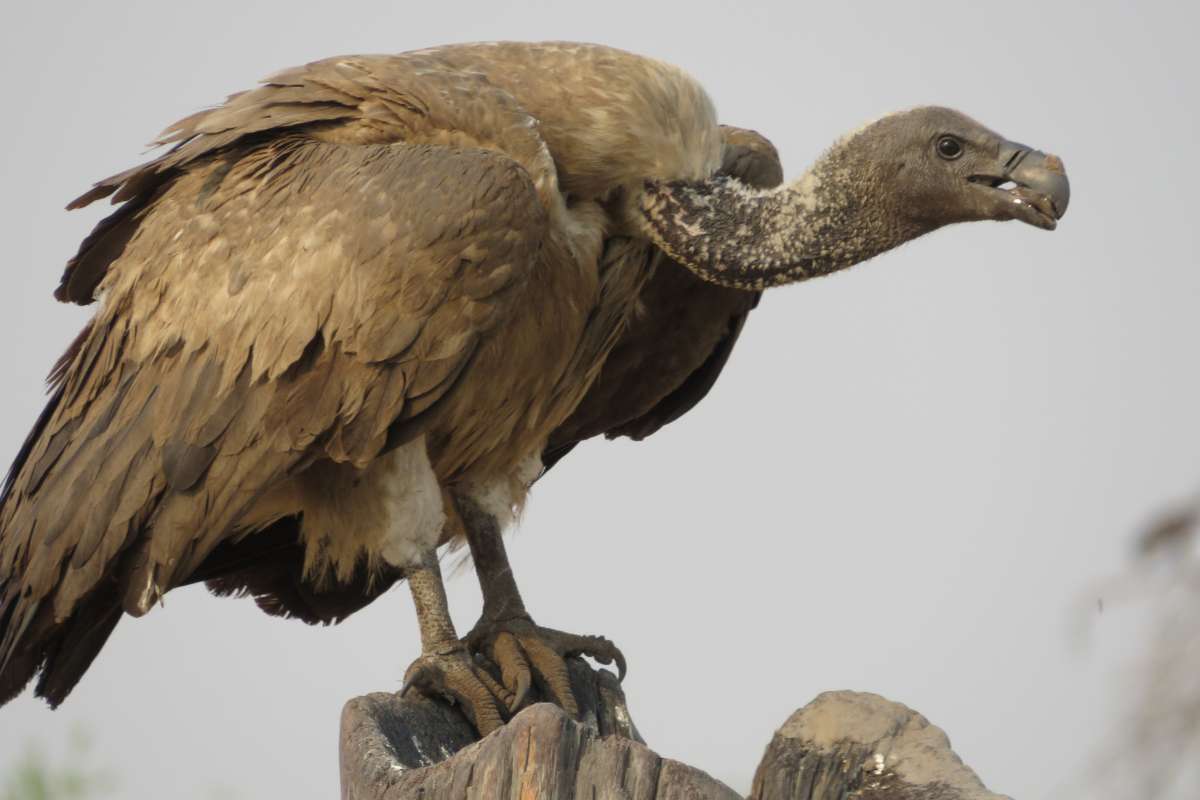
Vultures of East Africa are in trouble because of poisoning, habitat loss, and less food to eat. They also have problems with humans. Vultures have been cleaning the landscape for millions of years. They have features like a bare head, a strong hooked bill, and broad wings. These features help them find and eat animals.
Some people might think vultures look scary
Every part of their body has a purpose. They are very good at finding and eating animals. This helps stop diseases from spreading. Vultures do their job without anyone noticing.. Their work is very important. If dead animals are not eaten, they can attract bacteria and insects.
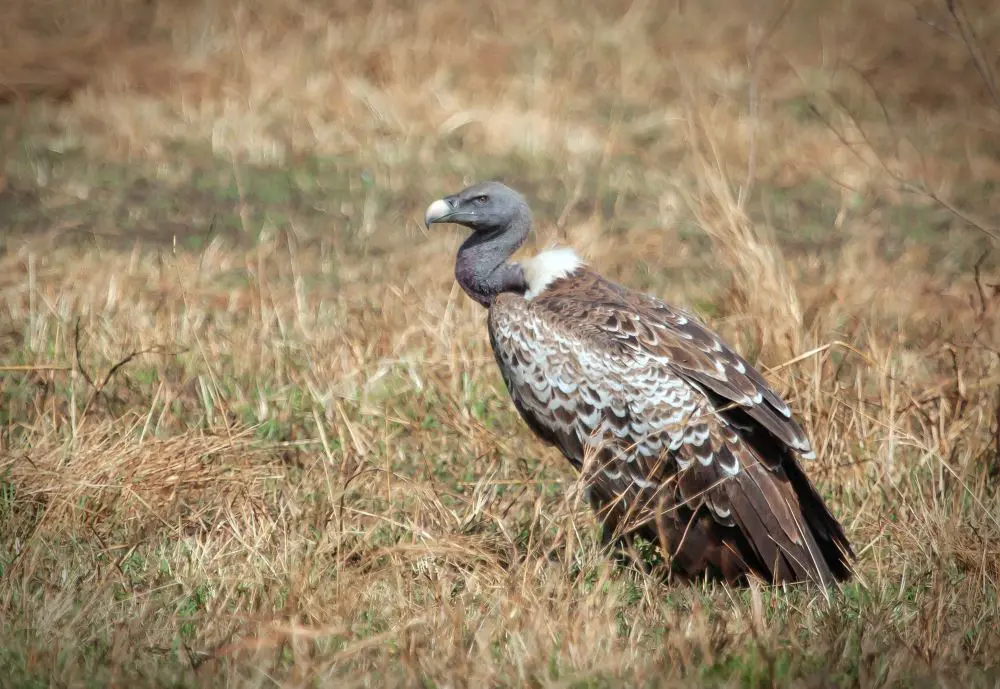
The African landscape has different types of vultures. There is the Rüppell’s vulture, backed vulture, lappet-faced vulture, hooded vulture, white-headed vulture, and palm-nut vulture. Each type of vulture has its way of eating and living. Some vultures are good at tearing through skin, while others need help from stronger vultures.
All these different vultures work together to clean the landscape. When a big animal dies, many vultures come to eat it. They can see well from the air and work together to find food. In no time, the dead animal is almost gone.
Vultures also help stop diseases from spreading
Dead animals can be a breeding ground for microorganisms. Vultures eat these animals quickly which helps keep the environment clean. This is good for animals, farm animals and people.
Vultures are very important to the environment. They help keep the landscape clean and balanced. They might not be the birds but they do a very important job. Vultures eat animals, which helps stop diseases from spreading. They are really good, at what they do.
When a vulture eats an animal it might seem like a small thing.. It can have big consequences. It helps keep the environment healthy and balanced. Vultures of East Africa are very important. We should try to protect them.
Why Vultures Are Disappearing
Vultures are in trouble in some parts of Africa. They are facing a lot of problems at once which makes it very hard for them to recover. One of the threats to vultures is poisoning. Sometimes people poison animal carcasses on purpose during fights between people and animals that attack livestock. Times the carcasses get poisoned by accident, when animals that have been poisoned are left out in the open.
When a vulture eats a poisoned carcass it can die.. Because vultures eat together in big groups one poisoned carcass can kill a lot of vultures at the same time. This can be very bad for the group of vultures in that area.
Poisoning and Human-Wildlife Conflict
In some places people use poisoned carcasses to kill animals that attack their livestock.. Vultures can get killed too when they eat those carcasses. This happens because vultures like to eat in groups and they do not know if the carcass is poisoned or not.
Vultures also face problems like crashing into power lines losing their homes being bothered when they are nesting and being sold on the black market.. Because there are not as many wild animals as there used to be vultures do not have as much food to eat.
Some vultures do not have babies often. So when they lose a parent it can take a time for the group to recover. This is because the babies need time to grow up and have babies of their own.
Vultures and the Great East African Wilderness
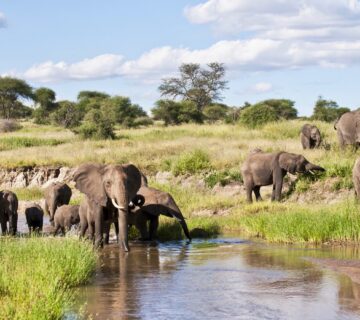
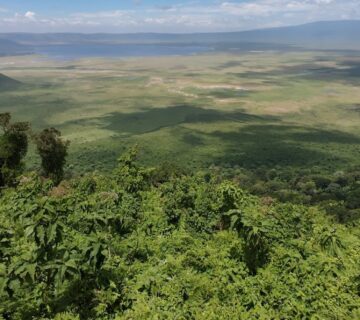
Vultures are a part of some of the most amazing ecosystems in East Africa. They live in places like the Maasai Mara and Tsavo in Kenya the Serengeti and Ngorongoro in Tanzania and the savannas and protected areas in Uganda. Vultures are a part of what makes these places so special.
Imagine waking up in the morning in the Serengeti. The grass is swaying gently in the breeze. You can hear the sounds of wildebeest, zebras and gazelles starting their day. High up in the sky a vulture is flying effortlessly. It may look small compared to the sky but it plays a big role in the ecosystem.
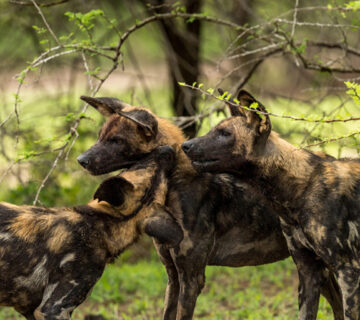
Where there are lions, cheetahs, hyenas, wild dogs and other animals that hunt vultures are important too. They help clean up the ecosystem by eating animals, which keeps the energy flowing and prevents dead animals from rotting on the ground.
The Remarkable Adaptations of Vultures
Vultures are very good at what they do. Their big wings allow them to fly for a time without getting tired using the warm air rising from the ground to stay aloft. Their sharp beaks are perfect for eating animals and their bald heads make it easy to clean themselves after eating.
Vultures can even eat food that would make other animals sick because their stomachs are very strong. All these special features show how connected vultures are to their role in the ecosystem.
A Life Built Around the Sky
Watching a vulture fly can change the way you see the landscape. A bird that looks like it is floating effortlessly may actually be searching for food carefully.
Some vultures travel far to find food using the warm air to help them fly. When you see many vultures flying together it can be a sign that they have found something to eat. For people who spend time in the wilderness learning to recognize these signs can add a new layer to their experience.
Conservation Offers a Reason for Hope
Even though vultures are in trouble there is still hope. We can make a difference by protecting their nests reducing poisoning making power lines safer creating paths for animals to migrate and working with people who live near wildlife.
Education is also very important. When people understand how important vultures are they are more likely to care about them. Conservation works better when people see that protecting wildlife is connected to having landscapes and communities.
Protected areas are also crucial. They provide a place for vultures to live eat and have babies. Supporting tourism can help protect these areas by giving people a reason to care about the ecosystem.
Every Vulture Has a Role
It is very encouraging to learn about vultures and their importance. We do not need to think that every animal is beautiful or charming to deserve protection. We just need to recognize how important they are to the ecosystem.
Vultures do not need to be pretty or sing songs to deserve our help. They just need to be recognized as a part of the ecosystem. When we learn more, about the ecosystem we start to see that every species plays a role and that they are all connected.
Choosing to Notice the Forgotten Birds
Vultures of East Africa: Unsung Heroes in Decline reminds us that some of nature’s contributions happen quietly. These birds work where few people look often arriving after the excitement of a hunt or predator encounter has passed. Their role begins when the dramatic part of the story ends.
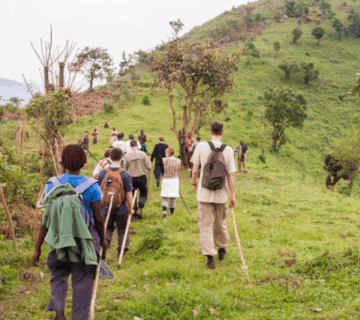
For travelers exploring East Africa seeing vultures should be more than a passing observation. Take a moment to watch them soar. Notice their flight patterns. Learn the differences between species. Listen to guides and conservationists who understand their importance. A wildlife experience becomes richer when you recognize the celebrated species sharing the same landscape.
The future of these birds depends on decisions made today. Safer livestock practices, use of poisons, protection of nesting trees stronger conservation laws and public awareness can all contribute to their survival.
Vultures of East Africa
Unsung Heroes in Decline is ultimately a story about responsibility. These birds have served ecosystems for generations asking for little in return. Their disappearance would leave an ecological gap even if that loss were not immediately visible.
There is still time to protect them. The time a broad-winged bird circles high above an East African plain look up and recognize what you are seeing. It is not simply a scavenger searching for its meal. It is part of the landscape’s natural cleaning system a survivor shaped by evolution and an essential member of Africa’s wildlife community.
Vultures of East Africa: Unsung Heroes in Decline calls attention to birds that deserve a place, in our conservation conversations. Their future depends on whether we choose to notice their value before silence replaces their wings above the savanna.