Nairobi National Park: Wild Birding Minutes from the City
For people, Nairobi is a city of traffic, tall buildings, busy streets, cafés, offices, and constant movement. Just beyond the urban landscape lies a remarkable wilderness where grasslands, wetlands, woodland and open skies create a rich habitat for hundreds of bird species. Nairobi National Park offers one of the unusual birding experiences in Kenya because you can leave the city behind without actually leaving the city. Within a drive, the sounds of engines give way to birdsong, rustling grass, distant calls, and the sight of raptors circling above the plains. This contrast makes Nairobi National Park: Wild Birding Minutes from the City a theme for anyone who wants to discover Kenya’s birdlife while enjoying the convenience of an accessible destination.
A Wild Landscape Beside Nairobi
Established in 1946, Nairobi National Park is one of Kenya’s protected areas and remains an important refuge for wildlife on the edge of the capital. Its open plains are especially attractive to grassland birds while scattered woodland and riverine vegetation provide shelter for species that prefer cover. The parks southern boundary opens toward the Athi-Kapiti ecosystem allowing wildlife and birds to move through a broader natural landscape.
For bird enthusiasts this mixture of habitats is one of the parks strengths. A single morning can bring sightings of species associated with country, wetlands, acacia woodland and rocky areas. You might begin by watching a raptor perched quietly on a tree before noticing a flock of colorful starlings moving across the grass. A minutes later a secretarybird may appear in the distance walking slowly through the plains in search of prey.
The scenery itself adds to the experience. On mornings Nairobis skyline can sometimes be seen beyond the park creating a striking meeting point between modern life and wild nature. Few birding destinations allow you to watch wildlife against such an urban backdrop.
Early Mornings Bring the Park Alive
Birding in Nairobi National Park is often most rewarding in the morning. Before the heat becomes intense birds are active calling, feeding, flying between trees and moving across ground. The soft morning light also makes it easier to identify plumage and observe behavior without the glare of midday.
Arriving early gives you time to explore habitats before the park becomes busier. Listen carefully as you drive slowly along the tracks. Birding is not always, about finding a rare species. Sometimes the rewarding moment comes when you recognize a familiar call or notice movement in the grass that leads you to an unexpected sighting.
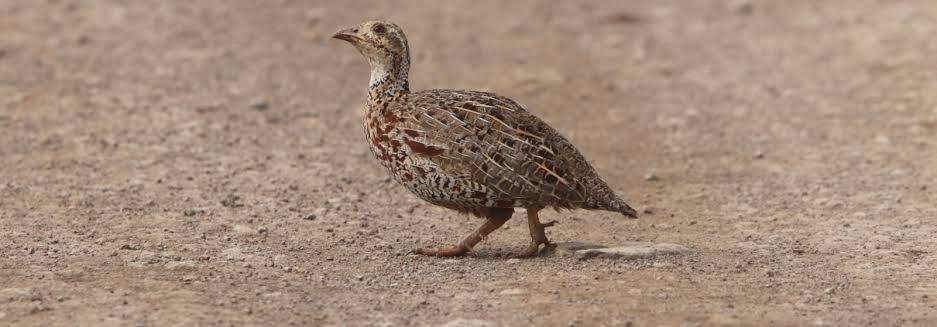
Keep your binoculars ready because birds can appear anywhere. A kori bustard may stand almost motionless in the grassland while a group of crowned lapwings may suddenly rise from the ground. Helmeted guineafowl may move together through the vegetation. Vultures can often be seen scanning the landscape from above.
Grassland Birds and Raptors
The open plains are very important for birding because they have species that live in open places. Ostriches are some of the birds to spot in the park but they are not the only ones. Secretarybirds, bustards, lapwings, coursers, pipits, larks and many plovers can be seen depending on the time of year and the type of land.
Raptors add something to the experience. Watching a bird of prey fly high over the plains needs time. The result can be something unforgettable. Martial eagles, eagles, augur buzzards and other birds of prey can be found in the right places. Their presence shows how healthy and complex the food chain is in the park.
A good birding drive should include times when you stop and look carefully of always moving. Stop where you can look at the trees and the grass and watch the sky. Sometimes a bird that looked like a dark shape becomes clear once it moves or catches the light.
Wetlands Add Another Birding Dimension
The parks wetlands offer a kind of birding compared to the dry grasslands. During the times of the year water brings in waders, herons, egrets, ducks and other birds that live near water. These places can become very interesting when rain changes the food and water
A quiet wetland can give you bird sightings in a short time. Look for birds standing on the edge of the water small birds moving in shallow areas and bigger birds flying above. The reflections in the water can make early morning birding especially nice.
Changes in the seasons are one reason why coming back again and again is worth it. A place that seems quiet one time might be full of birds after rain. Migratory birds can also bring species when they pass through East Africa. This means there is always a reason to go birding with your binoculars.
Woodland and Riverine Habitats
Even though Nairobi National Park is known for its open plains its woodland and river areas should get the same attention. Trees offer food and places to build nests for small birds while thick plants give shelter to birds that don’t like open spaces.
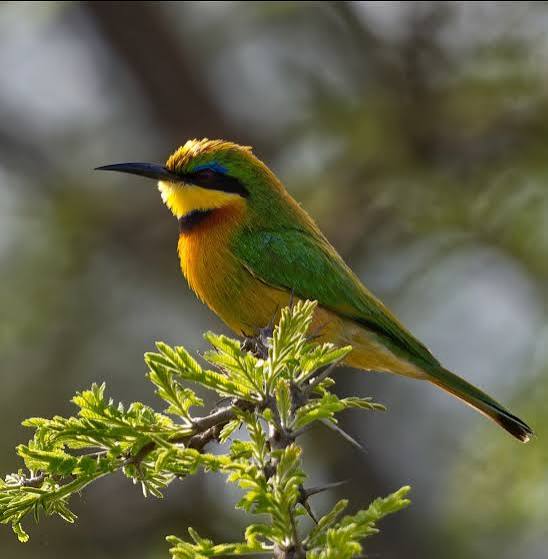
This is where a patient birdwatcher can see a side of the park. Of looking far away you start checking branches, bushes and shaded places. Sunbirds, barbets, starlings, weavers, doves and other birds that live in the woods can reward you with sightings.
The type of place also changes the sounds. Bird calls can come from around which makes learning to recognize them by ear an important skill. Even when you can’t see the bird away knowing its sound can help you find it.
Birding Through the Seasons
One of the things about Nairobi National Park: Wild Birding Minutes from the City is that each season can bring something. Rain changes the look of the grasslands affects the insects fills pools and changes where birds gather. When it rains more the land can be very full of life while dry times might bring birds together near water.
Migratory birds add more interest when they move through East Africa at certain times. The birds that live there all year round are always there giving you a base for your bird list while the ones that come in can bring exciting surprises.
Keeping a birding list is helpful. Write down the date the place, the bird and where you saw it. Over time these notes can help you see the changes, in the seasons. Remember how much you have improved in birding.
Practical Tips for a Successful Birding Visit
preparation can make your visit more productive. Carry binoculars, a field guide or bird identification app drinking water, sun protection and comfortable clothing. A camera with a telephoto lens can be useful although you should never allow photography to interfere with responsible wildlife viewing.
A vehicle is generally the practical way to explore the park because distances between habitats can be significant. Drive slowly. Remain alert. Birds can be surprisingly easy to miss when you travel quickly.
Importantly give yourself enough time. A rushed visit can turn birding into a search for species while a relaxed visit allows you to notice behavior. Watch how a bird feeds interacts with another species, flies, calls or responds to a passing animal. These details can make an ordinary sighting more memorable.
A Birding Experience Unlike Any
Nairobi National Park: Wild Birding Minutes from the City captures a rare opportunity to experience genuine wilderness without committing to a long journey. You can spend the morning surrounded by grasslands and birds then return to the city for lunch or an afternoon meeting. That accessibility makes the park especially valuable for residents first-time visitors to Kenya, families, photographers and experienced birders looking to add another destination to their itinerary.
There is also something inspiring about seeing wild birds thrive close to a major city. The experience reminds you that protected habitats can remain valuable when surrounded by rapid development. Every secretarybird crossing the grassland every eagle circling overhead and every wetland bird standing quietly beside the water represents a living part of Nairobis heritage.
Let the City Become Your Starting Point
A birding adventure does not always require a destination. Sometimes the rewarding discoveries are waiting much closer than expected. Nairobi National Park proves that you can experience bird diversity within minutes of one of Africas busiest capitals.
The time you are in Nairobi set aside a morning for the park. Wake early pack your binoculars slow down and listen. Let the first bird call guide your attention toward the trees. Scan the grasslands for movement watch the sky for raptors and explore the wetlands patiently. You may arrive expecting an escape from the city and leave with a deeper appreciation for Kenyas extraordinary birdlife.
For anyone seeking Nairobi National Park: Wild Birding Minutes from the City the real reward is not simply the number of species added to a checklist. It is the feeling of discovering nature where you least expect it, with Nairobis skyline reminding you just how remarkable that experience truly is.