Ziwa Rhino Sanctuary Walking Tracks: Everything Beyond the Rhino
Discovering the Hidden Tapestry of Uganda’s Wildlife Sanctuary
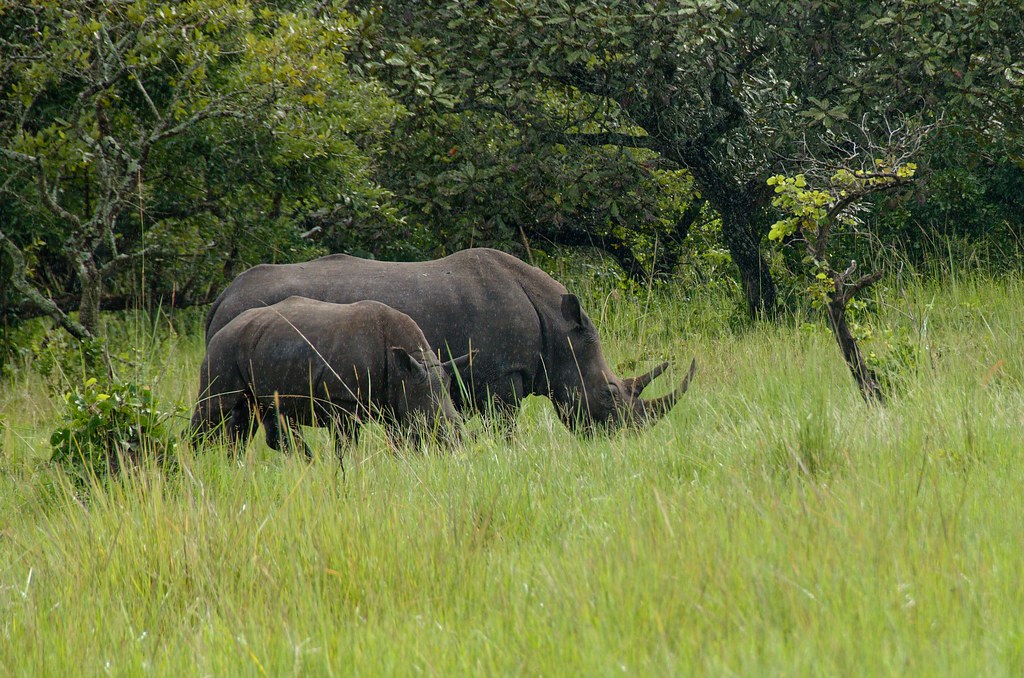
. The sanctuary, established in 2005 through a collaboration between Rhino Fund Uganda and the Uganda Wildlife Authority, has become synonymous with rhino conservation success, its population growing from an initial six individuals to forty-two by early 2025. However, to reduce Ziwa to merely a rhino-watching destination would be to miss the point entirely. This seventy-square-kilometer expanse of acacia woodlands, savannah plains, and seasonal wetlands offers visitors an intricate tapestry of ecological wonders that extends far beyond its famous horned inhabitants.
A Conservation Success Story with Deep Roots
The story of Ziwa Rhino Sanctuary is one of resilience and dedication. Located just over one hundred and sixty kilometers north of Kampala along the Gulu Highway in Nakasongola District, this private reserve represents one of Uganda’s most significant conservation achievements. The northern white rhino had been eradicated from Murchison Falls National Park and Kidepo Valley National Park during decades of civil unrest and poaching, but the sanctuary’s establishment marked a turning point. Four rhinos were donated by Disney’s Animal Kingdom in the United States, while two more came from Solio Ranch in Kenya, forming the foundation of Uganda’s rhino breeding program. Today, the sanctuary serves as a breeding ground that has not only restored the rhino population but also enhanced its ecological diversity through recent translocations of giraffes and hartebeests from Murchison Falls National Park.
Walking Safaris: The Intimate Rhino Experience
While a game drive safari in a vehicle offers comfort and distance, it is the walking safari that truly allows visitors to connect with the raw essence of the African bush. Ziwa Rhino Sanctuary has perfected this experience, inviting visitors to step into the rhinos’ world on foot rather than observing from behind glass and metal. The journey begins with a comprehensive briefing session conducted by trained ranger-guides who explain safety protocols, tracking techniques, and the fascinating behavioral patterns of the rhinos. These experienced guides are armed for safety and possess an intimate knowledge of the sanctuary’s terrain, flora, and fauna that transforms a simple walk into an educational expedition. The actual tracking process is methodical and respectful, with visitors often finding themselves within six to ten meters of grazing or wallowing rhinos, offering unparalleled photography opportunities and the chance to observe these gentle giants exhibiting natural behaviors in an undisturbed manner. The terrain is relatively flat, and the walks generally last between one and two hours, making them accessible to visitors of varying fitness levels. For those seeking an even more adventurous experience, guided night walks between eight and eleven in the evening reveal a completely different world, where bush babies, genets, owls, and even hippos by moonlight emerge from their daytime hiding places.
Avian Paradise: Over Three Hundred Bird Species
For bird enthusiasts, Ziwa Rhino Sanctuary is nothing short of paradise. With over three hundred bird species recorded within its diverse habitats, the sanctuary has established itself as a premier birding destination in Uganda. The varied ecosystems—acacia woodlands, open savannah, and wetlands—create a mosaic of habitats that attract an extraordinary diversity of avian life. Among the most coveted birds is the elusive shoebill stork, a prehistoric-looking creature that appears more dinosaur than bird and draws birders from around the globe. The Lugogo Swamp, accessible by guided canoe rides, offers the best chance to spot this iconic species in its natural habitat. The canoe ride itself is an adventure, silently gliding through papyrus-lined channels while herons, egrets, and kingfishers patrol the waters. Other notable species include the majestic African fish eagle, the colorful Ross’s turaco, the striking grey-crowned crane, and an array of bee-eaters, hornbills, and weavers. Birdwatching fees are modest, making it accessible to birders of all budgets.
Wildlife Diversity: Antelopes, Primates, and Reptiles
While rhinos may be the headline act, the sanctuary supports a healthy population of other mammals that add depth to the walking safari experience. Visitors can expect to encounter Uganda kobs grazing in open areas, bushbucks and duikers slipping through woodland thickets, and waterbucks lingering near water sources. The recent introduction of giraffes and hartebeests has further enriched this mammalian diversity. Oribis, with their delicate frames, occasionally appear in the grasslands, while hippos splash in deeper pools, their grunts echoing across the landscape. Primates are represented by various monkey species, and monitor lizards sun themselves on rocks and fallen logs, adding reptilian interest to the experience. The guides’ expert eyes detect wildlife that untrained visitors would overlook, pointing out subtle movements in the grass and distant shapes on the horizon that reveal the sanctuary’s rich biodiversity.
Flora and Ecological Education
Beyond the animals, the walking trails offer a botanical education that connects visitors to the traditional uses of local plants. The acacia woodlands, seasonal swamps, and open savannah are not merely empty spaces between wildlife sightings but living classrooms where guides explain the medicinal properties of certain plants, their ecological roles, and the ongoing conservation efforts that protect them. Termite mounds, often towering structures in the landscape, reveal the intricate social organization of these remarkable insects, while the patterns of grazing demonstrate the delicate balance between herbivores and vegetation. This deeper understanding of the ecosystem transforms a simple nature walk into a profound learning experience.
Lugogo Swamp Canoe Safari
For those willing to rise early, the Lugogo Swamp canoe safari offers one of the sanctuary’s most magical experiences. Departing at dawn, typically between six and nine in the morning, this activity takes visitors deep into the heart of the wetland in search of the shoebill stork. But even if the shoebill remains elusive, the canoe trip provides unforgettable encounters with goliath herons, great egrets, African jacanas, and an array of other water-associated birds. The community-owned canoes and their paddlers represent a conservation partnership that ensures local communities benefit directly from wildlife protection. This symbiotic relationship between conservation and community development is a key pillar of the sanctuary’s long-term sustainability.
Night Safaris and Nocturnal Discoveries
As darkness falls over the sanctuary, a completely different world awakens. Night walks between eight and eleven in the evening offer visitors the chance to observe nocturnal wildlife, including bush babies with their enormous eyes, genets prowling for prey, and owls silently hunting from perches. Moonlit hippos emerging from water bodies, porcupines foraging, and other night-dwelling creatures make these evening excursions both educational and thrilling. The experience requires a different kind of awareness—listening more than looking, feeling more than seeing—and rewards participants with memories of an Africa seldom witnessed by day visitors.
Practical Information for Visitors
The sanctuary welcomes visitors year-round, but the dry seasons from December to February and June to September offer the best walking and tracking conditions with clear trails and excellent visibility. During the wet seasons, the landscape transforms with lush greenery and abundant birdlife, though trails can become muddy and access more challenging. Birders may particularly appreciate November to April, when the abundance of food attracts a peak bird population. Preparation ensures a comfortable and rewarding experience, so visitors should bring comfortable closed hiking shoes, long trousers for protection, insect repellent, and at least one liter of purified drinking water. A camera with a quiet shutter and binoculars with good magnification significantly enhance the experience, particularly for birdwatchers. Entry fees include rhino trekking and vary by visitor category, with foreign non-residents paying sixty dollars for adults and thirty dollars for children under twelve, while East African residents pay fifty thousand Ugandan shillings for adults and fifteen thousand for children. Shoebill tracking and bird watching fees are similarly structured, making specialized activities accessible to various budgets. For budget travelers, camping at the sanctuary entitles visitors to a free one-hour guided walk, and self-guided nature trails through woodland and swamp areas are available at no cost.
An Essential Ugandan Experience
Ziwa Rhino Sanctuary offers visitors much more than a chance to see rhinos—it provides a gateway to understanding the intricate web of life that sustains Uganda’s rich biodiversity. The walking trails, with their expert guides, diverse wildlife, and stunning landscapes, represent one of the most immersive wildlife experiences available in East Africa. While the rhinos may draw visitors in, it is the totality of the experience—the birds singing overhead, the antelopes grazing in the distance, the stories shared by passionate rangers—that leaves a lasting impression. Whether you are a dedicated birder seeking the elusive shoebill, a photography enthusiast hoping to capture rhinos at close range, or simply a traveler looking for an authentic connection with nature, Ziwa Rhino Sanctuary rewards with experiences that linger long after the journey home. And as you walk these peaceful trails, you become part of a larger conservation story—one that has brought rhinos back from the brink and continues to protect Uganda’s natural heritage for generations to come.