Rwanda Coffee Tourism: Behind the Scenes of One of Africa’s Best Beans
Rwanda coffee tourism offers one of the most immersive and authentic travel experiences in East Africa, taking visitors deep into the journey of how some of the continent’s finest coffee is grown, processed, and enjoyed. Unlike typical sightseeing activities, coffee tourism in Rwanda connects you directly with farmers, landscapes, and traditions that define the country’s agricultural identity.
Across Rwanda, coffee is more than just a crop. It is a major economic driver, a cultural symbol, and a source of pride for thousands of smallholder farmers. The country’s high altitude, fertile volcanic soils, and consistent rainfall create ideal conditions for growing high-quality Arabica coffee, known globally for its bright acidity and complex flavor profile.
For travelers, coffee tourism opens a behind-the-scenes view into this world, transforming a simple cup of coffee into a story of people, place, and process. From hillside farms to modern washing stations, every stage of production becomes part of the experience.
The Origins of Rwanda’s Coffee Excellence
Rwanda’s reputation as a producer of high-quality coffee has grown significantly over the past two decades, placing it among Africa’s top specialty coffee destinations. While coffee was introduced during the colonial period, the industry has evolved dramatically, especially with a focus on quality improvement and global export standards.
Within Rwanda, most coffee is grown by smallholder farmers on small plots of land, often on steep hillsides. These farmers cultivate Arabica varieties at elevations typically ranging between 1,200 and 2,000 meters, which contributes to the unique flavor characteristics of Rwandan coffee.
The country’s transformation into a specialty coffee hub is closely tied to improvements in processing techniques. The introduction of washing stations and better post-harvest practices has allowed Rwanda to produce consistently high-quality beans that compete on the global market.
Coffee Farms: Where the Journey Begins
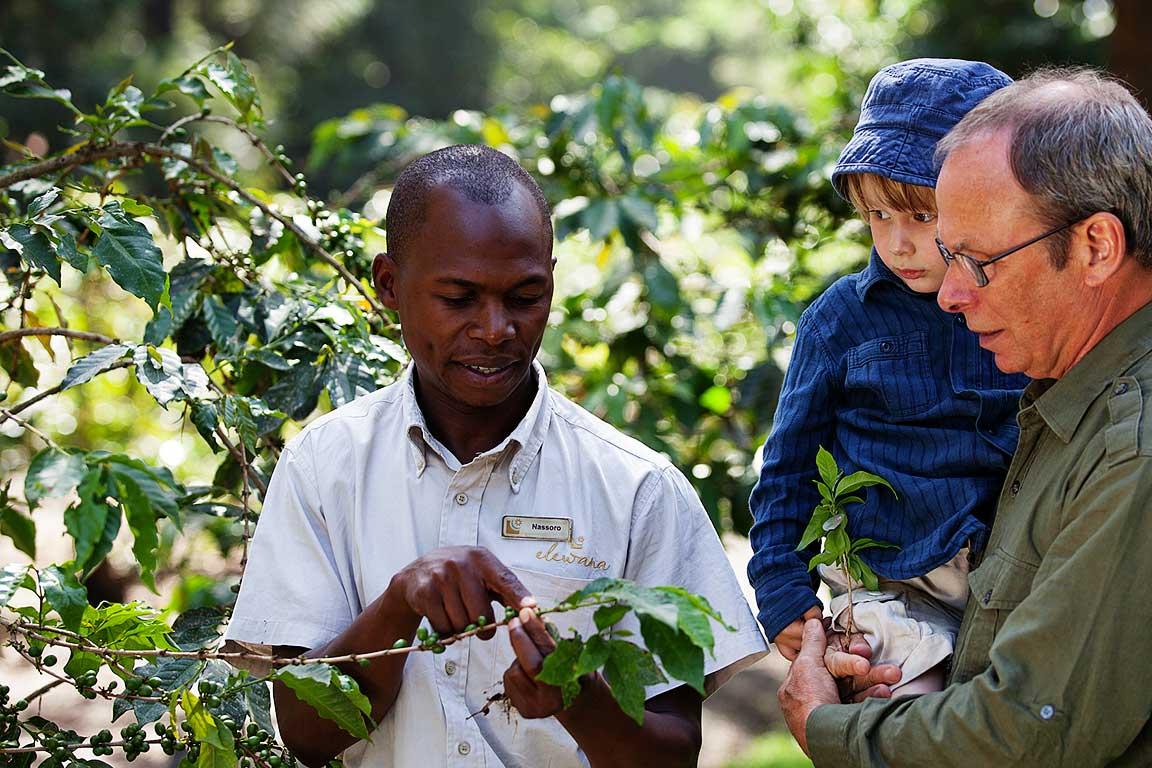
A coffee tour in Rwanda often begins on the farm, where visitors can see how coffee cherries are grown and harvested. Walking through the plantations, you’ll observe coffee trees lined across rolling hills, often intercropped with bananas and other crops.
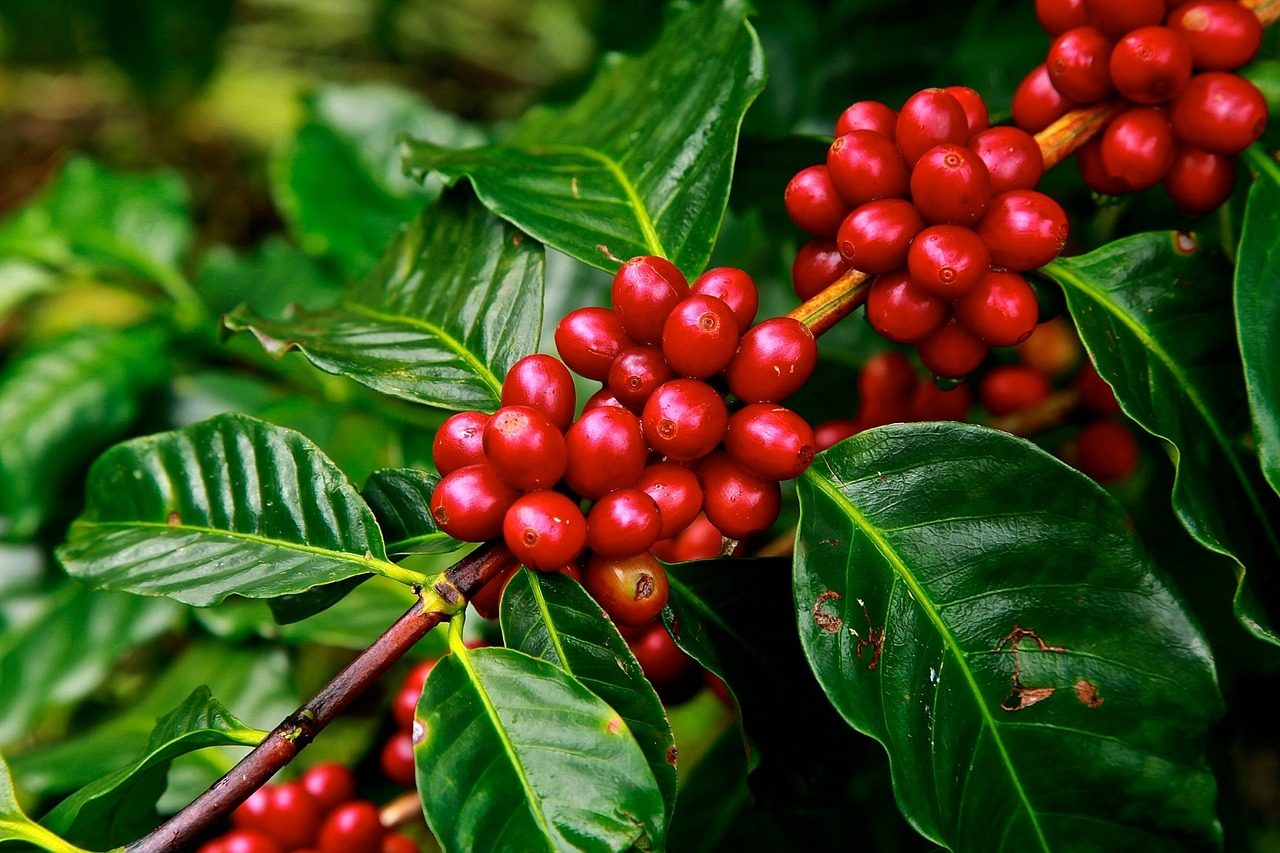
In Rwanda, the harvest season typically runs from March to July, when ripe red cherries are carefully handpicked. Farmers select only the best cherries, ensuring that quality begins at the very first stage of production.
This hands-on experience allows visitors to understand the effort and precision required to produce high-quality coffee. It also provides an opportunity to interact with farmers, learn about their daily routines, and appreciate the human side of coffee production.
Washing Stations: The Heart of Coffee Processing
After harvesting, coffee cherries are taken to washing stations, where the transformation from fruit to bean begins. These facilities are central to Rwanda’s coffee quality, as they control the critical stages of processing.
Within Rwanda, visitors can observe how cherries are sorted, pulped, fermented, washed, and dried. Each step is carefully managed to preserve the flavor profile of the coffee.
The washing station experience is often the most educational part of a coffee tour. It reveals how small differences in processing can significantly impact the final taste of the coffee, from fruity and floral notes to deeper chocolate and nutty flavors.
Drying and Sorting: Preparing Coffee for Export
Once processed, coffee beans are spread out on raised drying beds, where they are carefully monitored and turned regularly. This stage can take several weeks, depending on weather conditions and desired moisture levels.
In Rwanda, drying is done with precision to prevent defects and maintain quality. Workers sort beans by hand, removing any imperfections to ensure that only the best beans move forward.
This meticulous attention to detail is what defines Rwanda’s specialty coffee industry. Every step, from farm to export, is focused on achieving the highest possible quality.
Coffee Tasting: Experiencing Rwanda in a Cup
No coffee tour is complete without tasting, and Rwanda offers exceptional opportunities to experience its coffee firsthand. Tasting sessions, often referred to as cupping, allow visitors to explore the flavors and aromas that make Rwandan coffee unique.
Across Rwanda, tasting experiences are guided by knowledgeable hosts who explain flavor profiles, brewing techniques, and quality grading. Visitors learn to identify notes such as citrus, berries, chocolate, and floral undertones.
These sessions transform coffee from a simple beverage into a sensory experience. They deepen appreciation for the complexity and craftsmanship behind each cup.
Best Places for Coffee Tourism in Rwanda
Rwanda offers several regions where coffee tourism experiences are particularly well developed. These areas combine scenic beauty with active coffee production, making them ideal for immersive visits.
Near Lake Kivu, coffee farms and washing stations provide stunning views alongside educational tours. The combination of lake scenery and coffee culture creates a memorable travel experience.
In Kigali, visitors can explore coffee shops and roasting facilities that showcase the final stages of the coffee journey. These urban experiences complement rural farm visits by highlighting how coffee reaches consumers.
Other regions across Rwanda also offer farm visits and community-based tourism experiences. Each location provides a slightly different perspective on coffee production and local culture.
The Role of Coffee in Rwanda’s Economy
Coffee plays a significant role in Rwanda’s economy, supporting hundreds of thousands of farmers and contributing to export revenue. It is one of the country’s key agricultural products and a major source of income for rural communities.
Within Rwanda, the focus on specialty coffee has helped improve livelihoods by increasing the value of exported beans. Farmers benefit from better prices and greater access to international markets.
Coffee tourism further enhances this impact by creating additional income streams. Visitors who participate in tours contribute directly to local communities, making tourism a valuable complement to agriculture.
Best Time to Experience Coffee Tourism
The best time for coffee tourism in Rwanda depends on what stage of production you want to experience. The harvest season offers the most interactive experience, as visitors can see and even participate in picking coffee cherries.
Outside the harvest period, tours still provide valuable insights into processing, drying, and tasting. Within Rwanda, coffee tourism is available year-round, making it a flexible addition to any itinerary.
Dry seasons generally provide better travel conditions, especially for visiting rural farms and washing stations. However, each season offers a unique perspective on the coffee journey.
Why Rwanda Coffee Tourism Is Unique
What sets Rwanda apart in coffee tourism is the combination of quality, accessibility, and authenticity. Visitors are not just observing production—they are engaging directly with the people and processes behind it.
Within Rwanda, the relatively small scale of farms allows for personal interactions that are often missing in larger coffee-producing countries. This creates a more intimate and meaningful experience.
The country’s focus on specialty coffee also ensures that visitors are experiencing some of the best beans in Africa. Every stage of the journey reflects a commitment to quality and sustainability.
Combining Coffee Tourism with Other Experiences
Coffee tourism fits naturally into broader Rwanda travel itineraries. It can be combined with gorilla trekking, chimpanzee tracking, or cultural experiences to create a diverse and well-rounded trip.
Within Rwanda, many travelers pair coffee tours with visits to national parks or lakeside destinations, creating a balance between wildlife, culture, and relaxation.
This flexibility makes coffee tourism a valuable addition to any Rwanda itinerary. It adds depth and variety to the travel experience.
Final Thoughts on Rwanda Coffee Tourism
Rwanda coffee tourism offers a rare opportunity to go beyond the surface and explore the story behind one of Africa’s finest exports. From hillside farms to tasting sessions, every step reveals the craftsmanship and dedication that define Rwandan coffee.
Within Rwanda, this experience connects visitors to local communities, landscapes, and traditions in a meaningful way.
For anyone visiting Rwanda, exploring its coffee culture is not just an activity—it is a journey into the heart of the country itself.