Rwanda Traditional Intore Dance: History & Best Venues to Watch
The Intore Dance is one of Rwanda’s most powerful cultural traditions, blending history, movement, and identity into a truly unforgettable experience. Known as the “Dance of Heroes,” it reflects the strength, discipline, and pride that have shaped Rwandan society for centuries. Unlike many traditional dances performed purely for entertainment, Intore carries deep historical meaning rooted in the country’s royal past.
Across Rwanda, the dance remains a central part of cultural life. It is performed during national celebrations, cultural festivals, and tourism events, making it widely accessible to visitors. The moment the drums begin and dancers step forward in synchronized motion, the atmosphere changes completely. The performance feels energetic, controlled, and deeply symbolic all at once.
For travelers, the Intore Dance offers more than just visual entertainment—it provides a direct connection to Rwanda’s heritage. It tells a story of warriors, unity, and resilience, all expressed through rhythm and movement.
The Historical Roots of the Intore Dance
The Intore Dance originated during Rwanda’s pre-colonial monarchy, where it was performed by elite warriors in the royal court. The term “Intore” means “the chosen ones,” referring to individuals selected for their bravery, skill, and loyalty. These dancers were not ordinary performers; they were members of the royal army trained in both combat and ceremonial performance.
In historical Rwanda, the dance served multiple purposes. It was used to celebrate victories, prepare warriors for battle, and demonstrate strength before the king. Performances were carefully structured, with each movement reflecting discipline and readiness.
This connection to warfare and leadership is what gives the Intore Dance its distinctive intensity. Even today, the choreography carries echoes of its origins, with movements that resemble battle stances, coordinated advances, and displays of control.
Understanding the Meaning Behind the Movements
The beauty of the Intore Dance lies in its symbolism, where every movement has a purpose and meaning. The choreography is not random—it follows a structured pattern that reflects unity, strength, and coordination.
Within Rwanda, the dance is often seen as a representation of collective identity. Dancers move together in perfect timing, reinforcing the idea that strength comes from unity rather than individuality.
The gestures themselves are expressive and powerful. Strong foot stamping represents connection to the الأرض and authority, while extended arms suggest readiness and confidence. The rhythm builds gradually, drawing the audience deeper into the performance and creating a sense of anticipation and excitement.
This combination of meaning and movement is what makes the Intore Dance feel so immersive when experienced in person.
Costumes and Visual Impact of the Intore Dance
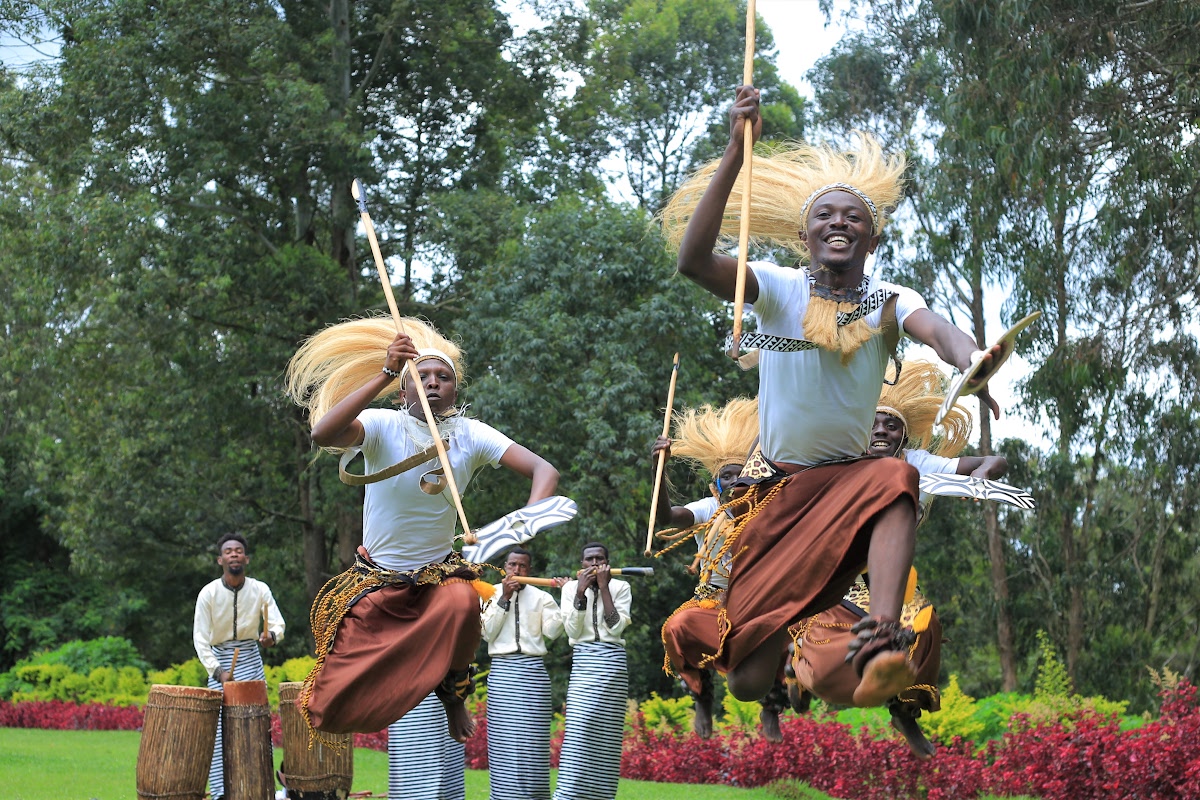
One of the most striking elements of the Intore Dance is the traditional costume, which immediately captures attention. The dancers wear elaborate outfits designed to enhance both movement and visual storytelling.
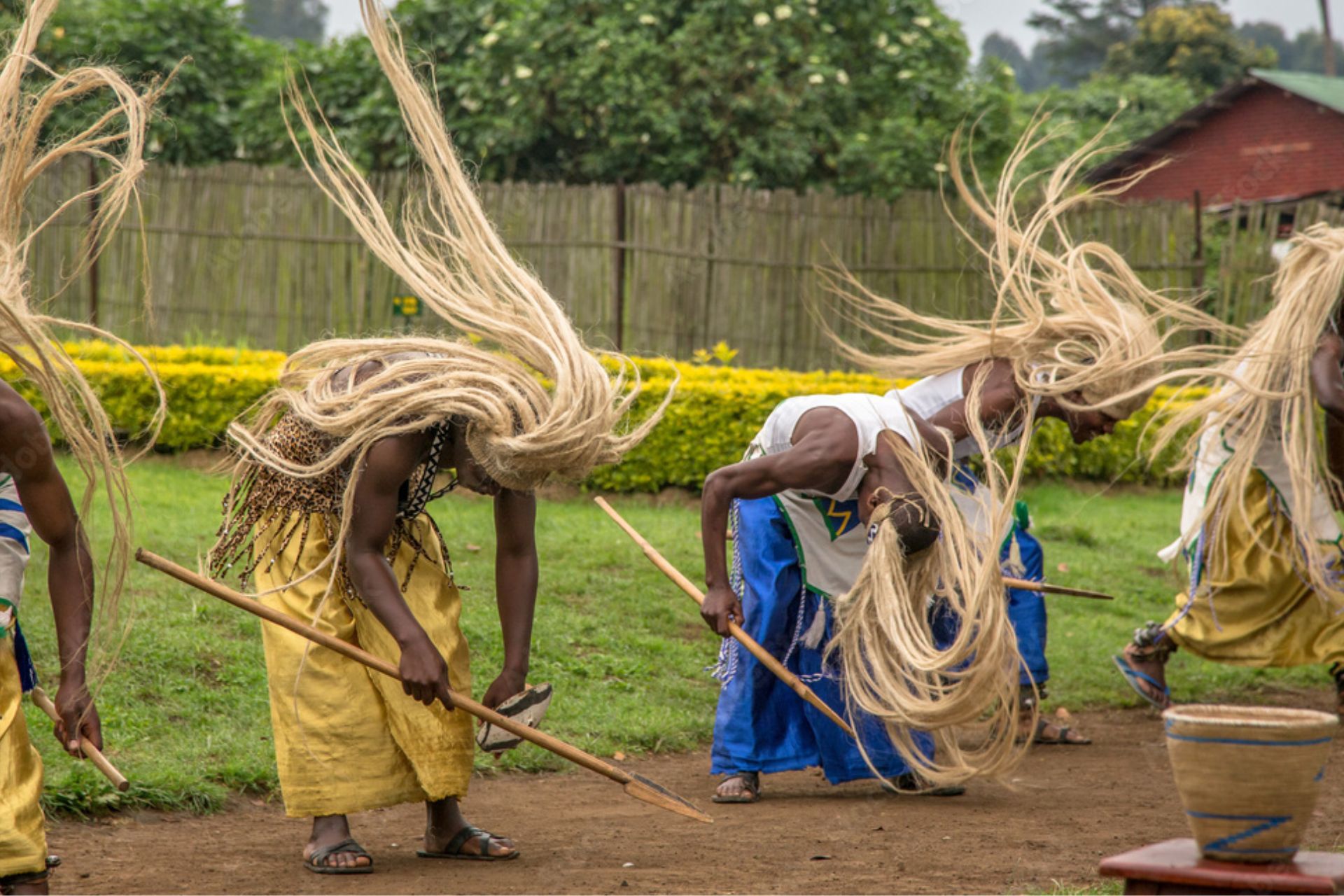
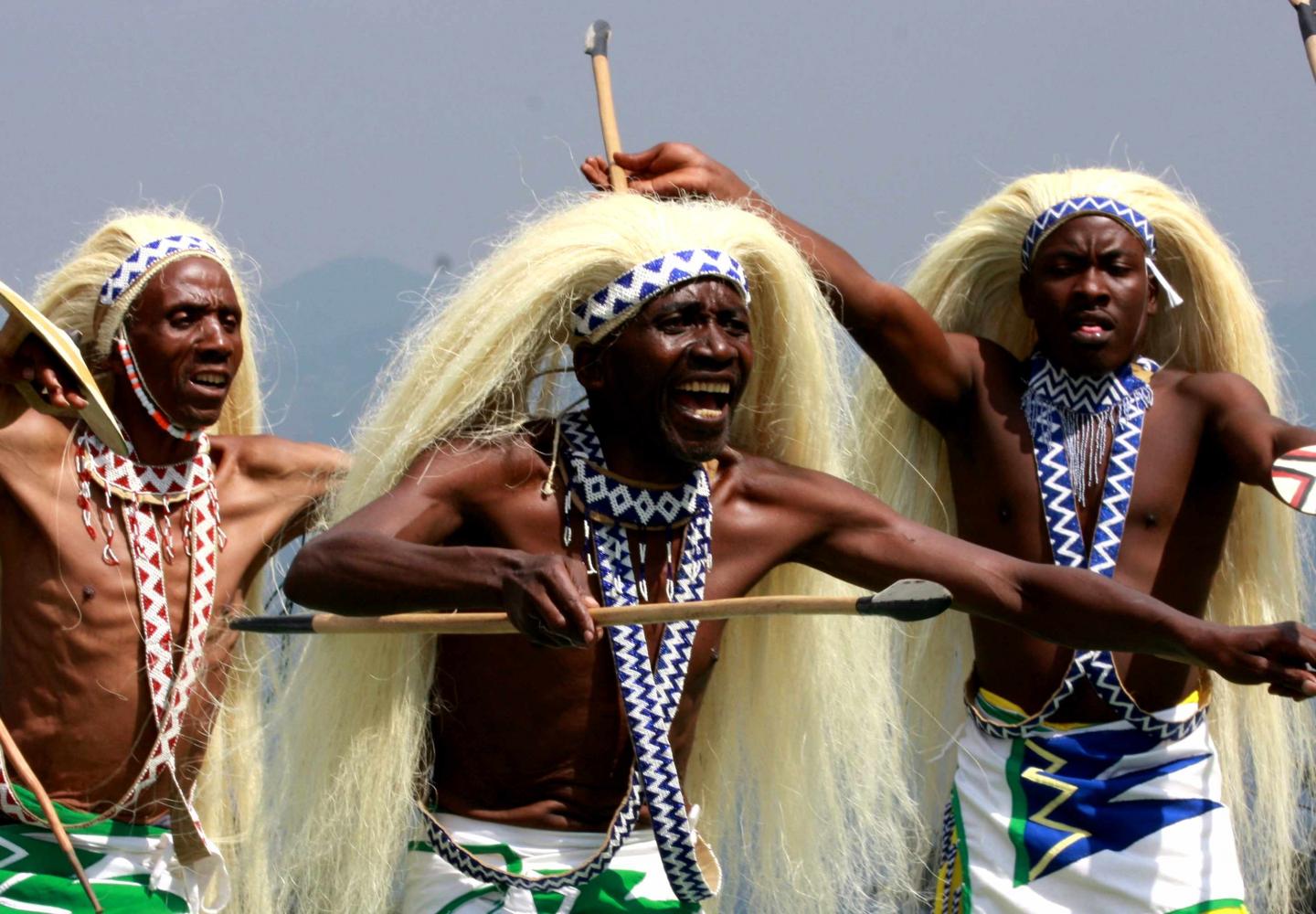
In Rwanda, the most recognizable feature is the flowing headpiece made from natural fibers. It resembles a mane and moves dramatically with each step, adding to the energy of the performance.
The rest of the costume includes colorful garments, beadwork, and traditional accessories. Some performances also incorporate spears and shields, reinforcing the warrior heritage of the dance. These elements are not decorative—they are part of the narrative, helping the audience understand the historical context behind the movements.
The combination of motion, color, and rhythm creates a visually rich experience that stays with visitors long after the performance ends.
The Role of Drumming in the Performance
Drumming is at the heart of the Intore Dance, providing the rhythm that guides every movement. Without the drums, the dance would lose its structure and energy.
Across Rwanda, traditional drumming is a respected art form, often performed alongside dance in cultural ceremonies. In Intore performances, the drums create a deep, steady beat that controls the pace of the choreography.
As the rhythm changes, the dancers respond instantly. Faster beats increase intensity, while slower rhythms allow for more controlled, deliberate movements. This interaction between dancers and drummers creates a dynamic performance that feels alive and constantly evolving.
For the audience, the sound of the drums adds an emotional layer, making the experience more immersive and engaging.
Best Places to Watch Intore Dance in Rwanda
There are several excellent places to experience the Intore Dance, ranging from urban venues to rural cultural settings. Each location offers a slightly different atmosphere, allowing visitors to choose the type of experience they prefer.
In Kigali, many hotels and cultural centers host regular performances for visitors. These shows are professionally organized and often include a mix of music, dance, and storytelling. They are ideal for travelers looking for a convenient introduction to Rwandan culture.
Outside the capital, performances near Volcanoes National Park offer a more traditional setting. These are often organized by local communities and provide a more authentic, close-up experience.
Community-based performances are particularly rewarding. They allow visitors to interact with dancers, learn about the meaning behind the movements, and gain a deeper appreciation of the culture.
The Intore Dance in Modern Rwanda
Despite its ancient origins, the Intore Dance remains highly relevant in modern Rwanda. It continues to be performed during national holidays, official ceremonies, and international events.
Within Rwanda, efforts to preserve the dance are strong. Cultural institutions and community groups actively train younger generations, ensuring that the tradition is passed down and remains vibrant.
Modern performances sometimes include subtle adaptations, but the core identity of the dance remains unchanged. This balance between tradition and evolution allows the Intore Dance to stay meaningful in contemporary society.
What to Expect as a Visitor
Watching the Intore Dance as a visitor is both exciting and culturally enriching. The performance usually begins with drumming, followed by the entrance of dancers in full costume.
In Rwanda, audiences are typically encouraged to engage respectfully. Applause is welcomed, and in some settings, visitors may even be invited to join simple movements.
The atmosphere is energetic yet welcoming, making it easy for visitors to feel included. Even without understanding every symbolic detail, the emotion and rhythm of the performance are easy to connect with.
Why the Intore Dance Is a Must-See Experience
The Intore Dance is not just a cultural performance—it is a reflection of Rwanda’s identity and history. It combines storytelling, music, and movement in a way that feels both authentic and powerful.
Within Rwanda, it stands alongside wildlife experiences like gorilla trekking as one of the country’s most memorable highlights. It offers something different—a human connection to the culture and traditions of the region.
For any traveler visiting Rwanda, experiencing the Intore Dance adds depth to the journey. It transforms a trip from simple sightseeing into a meaningful cultural experience.
Final Thoughts on the Intore Dance
The Intore Dance remains one of Rwanda’s most compelling cultural treasures, combining history, artistry, and emotion into a single performance. Its origins in the royal courts, its symbolism of strength and unity, and its continued relevance today make it a truly unique experience.
Whether you watch it in Kigali or near iconic destinations like Volcanoes National Park, the Intore Dance leaves a lasting impression. It is a powerful reminder that Rwanda’s story is not only told through its landscapes, but also through its people, traditions, and cultural expressions.