Rwanda Dian Fossey Karisoke Centre: Visiting the Gorilla Researcher Legacy
The Dian Fossey Karisoke Research Centre stands as a monumental landmark in global conservation and mountain gorilla research, blending history, ecology, and adventure into a unique Rwandan experience. Nestled high in the Virunga Mountains between Mount Karisimbi and Mount Bisoke, the center occupies a strategic and breathtaking location in Volcanoes National Park, Rwanda. Established in 1967 by the pioneering primatologist Dian Fossey, Karisoke has become a hub for ecological research, wildlife protection, and community-based conservation, offering visitors an immersive glimpse into the delicate balance of Rwanda’s montane forests.
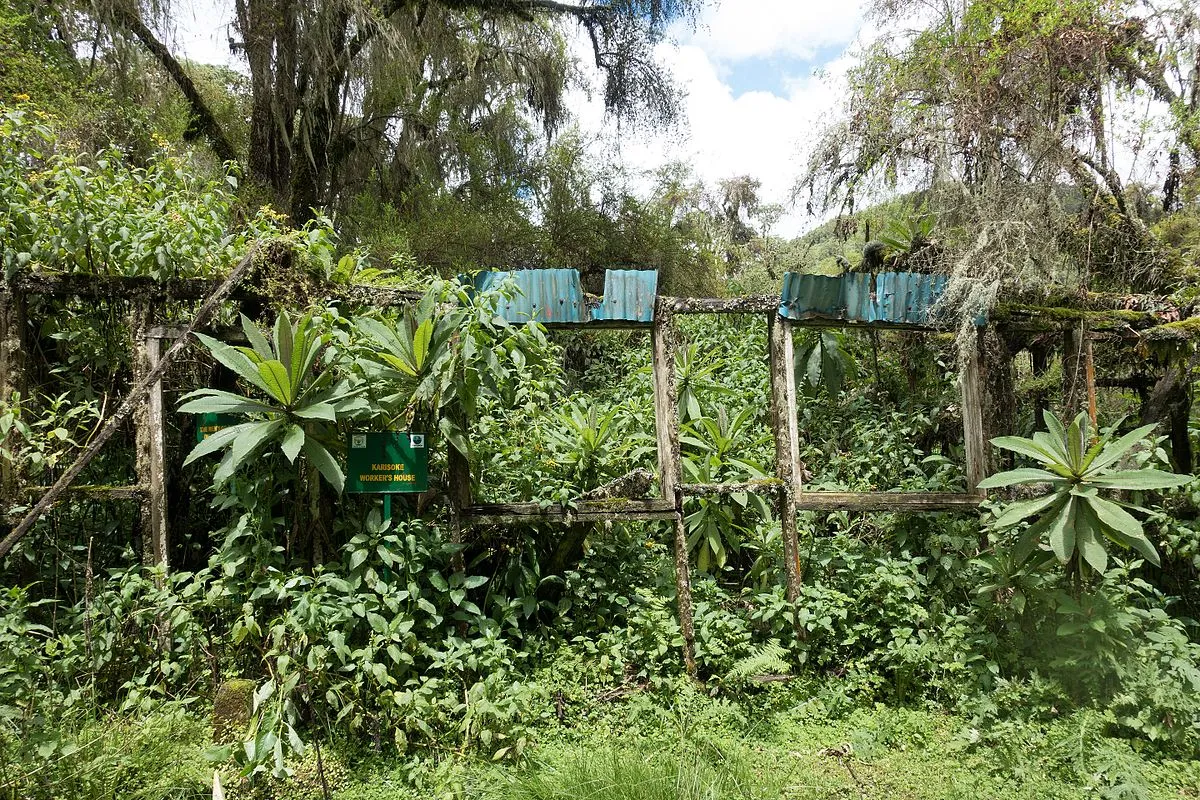
For first-time visitors, Karisoke is not merely a trekking destination—it is a journey into the heart of conservation history. From the meticulous fieldwork of Fossey and her team to the ongoing scientific monitoring of gorilla families, the center provides unparalleled educational and experiential opportunities. Trekkers can explore historic forest trails, observe the remnants of Fossey’s research infrastructure, and gain insights into the ethical and scientific foundations that underpin modern gorilla conservation.
Visiting Karisoke also highlights the interconnection between tourism, research, and local community development. Revenue generated from visitor fees supports anti-poaching patrols, forest restoration, and community projects, demonstrating how responsible tourism contributes directly to the survival of endangered mountain gorillas.
The Legacy of Dian Fossey
Dian Fossey’s vision and dedication transformed mountain gorilla research and conservation. Arriving in Rwanda in 1967, Fossey sought to understand gorilla behavior in the wild while combating the threats of poaching and habitat encroachment. Establishing Karisoke at over 2,500 meters above sea level, she implemented rigorous observational protocols, living in relative isolation to document the daily lives of gorillas, their social interactions, and family dynamics.
Fossey’s work produced groundbreaking insights into gorilla social structure, communication, and intelligence. She meticulously recorded behaviors such as grooming, infant care, play, and dominance displays, laying the scientific foundation for future primatology studies. Her fieldwork challenged prevailing assumptions about gorillas and demonstrated their emotional complexity, social cohesion, and adaptability in natural habitats.
Beyond scientific discovery, Fossey was an impassioned conservationist. She campaigned against poaching, advocated for anti-trafficking measures, and educated local communities about the importance of protecting wildlife. Her activism led to heightened international awareness of the threats facing mountain gorillas and galvanized support for the establishment of protective policies in Rwanda and the broader Virunga Massif.
Karisoke embodies Fossey’s enduring legacy. The trails, research stations, and surrounding forest serve as a living museum, honoring her contributions while continuing the mission she pioneered: the protection and study of mountain gorillas.
Visiting the Karisoke Centre: Trekking and Trails
Reaching Karisoke requires guided forest treks that traverse the lush montane rainforest and bamboo zones of Volcanoes National Park. Hikes range from moderate to strenuous, with steep inclines, mossy paths, and occasional muddy terrain. Guided treks ensure safety while providing educational commentary about the forest ecosystem, gorilla ecology, and historical anecdotes of Fossey’s pioneering work.
The trek itself is as rewarding as the destination. Visitors pass through sections of forest where Fossey conducted field observations, rested in makeshift camps, and recorded detailed behavioral notes. Along the trail, interpretive signage and guide explanations illuminate her methodology, research milestones, and the challenges she faced living in remote, high-altitude conditions.
Along the way, trekkers can experience the forest’s biodiversity first-hand. Colobus monkeys, golden monkeys, forest duikers, and a rich variety of bird species inhabit these forests. Guides provide context on species’ ecological roles, habitat preferences, and conservation status, turning the hike into an immersive educational journey.
The hike typically takes three to five hours, depending on trail conditions and pace. Early morning departures are recommended to avoid afternoon rainfall, common in montane regions, and to maximize wildlife sightings along the route. Visitors should wear sturdy hiking boots, layered clothing for changing temperatures, and carry water, snacks, and rain protection.
Observing Mountain Gorillas: Connection to Fossey’s Work
Karisoke is intrinsically linked to mountain gorilla conservation, and visiting it offers insight into both historical and modern research practices. While the center itself does not host gorilla trekking, it lies along the habituation trails used by researchers and trackers. Visitors learn about Fossey’s meticulous methods in documenting gorilla behavior, population dynamics, and interactions between family groups.
The center emphasizes the scientific principles underlying modern gorilla trekking. Each gorilla family is carefully monitored to minimize human disturbance, prevent disease transmission, and maintain natural behavior patterns. These protocols stem directly from Fossey’s early observations and advocacy, illustrating the ethical framework she championed.
Visitors gain a deeper appreciation for gorilla social dynamics. Guided explanations cover the roles of silverbacks, female matriarchs, and infants within family units, echoing the behavioral insights Fossey meticulously recorded. Understanding these dynamics enhances any future gorilla trekking experience by providing context for interactions, vocalizations, and social hierarchy.
Research and Conservation Programs Today
Karisoke remains a focal point for ongoing mountain gorilla research in Rwanda. Scientists and rangers monitor both habituated and non-habituated gorilla families, tracking population growth, health, and behavior. Conservation programs also address threats such as poaching, habitat degradation, and disease outbreaks, combining field observations with ecological modeling to inform management decisions.
Community engagement is central to the center’s mission. Local populations participate in conservation through employment as trackers, guides, and support staff. Education programs emphasize sustainable resource use, environmental stewardship, and the economic benefits of eco-tourism. Revenue generated by visitors helps fund school programs, healthcare initiatives, and local livelihoods, reinforcing the connection between conservation and community well-being.
Scientific research at Karisoke continues to influence global primate conservation. Studies on gorilla genetics, behavior, and disease have informed management policies across the Virunga Massif, including Rwanda, Uganda, and the Democratic Republic of Congo. The center serves as a hub for training conservationists, sharing methodologies, and fostering international collaboration in wildlife protection.
Cultural and Historical Significance
Visiting Karisoke provides a lens into Rwanda’s cultural and ecological heritage. The center is situated within lands traditionally used by local communities for agriculture, foraging, and cultural practices. Guides often share stories about these communities, their relationship with the forest, and their evolving role in conservation.
Karisoke also commemorates the life and dedication of Dian Fossey. Interpretive materials highlight her personal sacrifices, scientific achievements, and the challenges she faced advocating for mountain gorillas in a remote and sometimes politically complex region. Visitors gain insight into the human dimension of conservation, understanding that protecting wildlife requires courage, persistence, and collaboration.
Planning Your Visit
Visits to the Karisoke Centre are best integrated into a Volcanoes National Park itinerary. Most trips combine gorilla trekking, golden monkey tracking, and forest hikes with a guided Karisoke experience. Treks to the center are typically half-day excursions, allowing visitors to explore historic sites, learn from guides, and appreciate the surrounding landscape.
Advance booking is recommended. Guided access ensures safety, maximizes learning opportunities, and protects ongoing research activities. Trekking groups are kept small to minimize environmental impact and maintain a quality visitor experience.
The best visiting periods coincide with Rwanda’s dry seasons, from June to September and December to February. Trails are more navigable, wildlife and forest activity are heightened, and weather conditions favor photography and extended walks. Visitors should bring practical items such as hiking shoes, rain gear, layered clothing, water, and insect repellent.
Practical Tips for First-Time Visitors
Understand the altitude and terrain. Karisoke sits at over 2,500 meters above sea level, meaning temperatures can be cooler than lower elevations and oxygen levels slightly thinner. Visitors should pace themselves and acclimate appropriately.
Respect ongoing research. Many trails and areas are active research sites. Visitors should follow guides’ instructions, avoid disturbing monitoring equipment, and maintain appropriate distances from wildlife.
Capture memories responsibly. Photography is encouraged, but flash photography and physical contact with wildlife are strictly prohibited. Observing the forest and gorillas through respectful lenses ensures safety and compliance with conservation protocols.
Engage with guides. Rangers and guides provide rich historical context, scientific knowledge, and local cultural insights. Asking questions and listening actively enhances the educational value of the visit.
Conclusion
The Dian Fossey Karisoke Research Centre is more than a tourist destination—it is a living testament to decades of mountain gorilla conservation, scientific discovery, and ethical wildlife protection. Visiting the center connects travelers to the pioneering work of Dian Fossey, the ongoing efforts of dedicated researchers and rangers, and the collaborative conservation model that has ensured the survival of mountain gorillas in Rwanda.
For first-time visitors and seasoned conservation enthusiasts alike, Karisoke offers a profound, educational, and unforgettable experience. By supporting the center through guided visits, education, and responsible tourism, visitors contribute directly to the protection of one of the world’s most endangered species while honoring the enduring legacy of one of primatology’s most influential figures.