Gorilla Trekking Health Rules: Medical Conditions & What to Disclose
Gorilla trekking is a physically demanding and highly regulated activity that prioritizes both visitor safety and gorilla health. Mountain gorillas are extremely susceptible to human-borne illnesses, meaning that trekkers must adhere to strict health requirements before and during the trek. Understanding these rules, disclosing relevant medical conditions, and preparing adequately are essential for a safe and responsible trekking experience.
This guide covers the medical conditions that may affect your eligibility, what you should disclose before your trek, vaccinations and preventive measures, and tips to maintain safety during the expedition. By following these guidelines, travelers protect themselves, the gorillas, and ensure a more enjoyable experience in Uganda, Rwanda, or the Democratic Republic of Congo.
Why Health Rules Are Critical
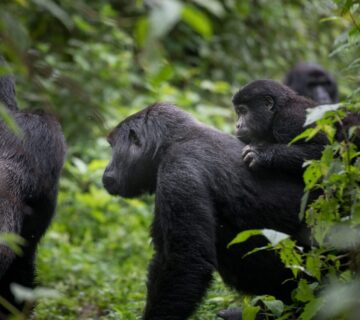
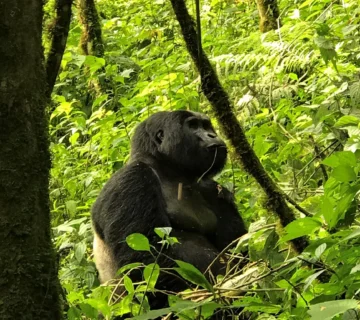
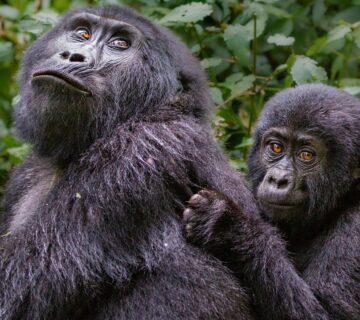
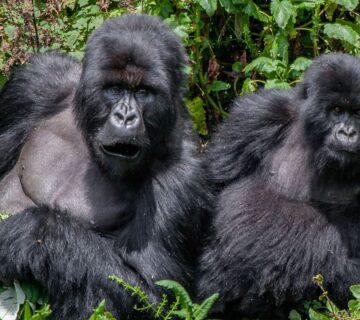
Mountain gorillas share over 98% of their DNA with humans, making them highly vulnerable to human diseases. Simple illnesses like the common cold, flu, or even minor infections can be deadly to gorilla populations. For this reason, parks enforce strict health protocols, including minimum age limits, pre-trek medical screenings, and guidelines for anyone with contagious or chronic conditions.
Health rules are also designed to protect visitors. Trekking involves navigating dense forests, steep hills, and uneven terrain, often in humid or rainy conditions. Visitors with cardiovascular, respiratory, or musculoskeletal issues may face higher risks of injury or complications during a trek. Clear guidelines help mitigate these risks while ensuring that trekkers do not inadvertently compromise their safety or the welfare of the gorillas.
Medical Conditions That Must Be Disclosed
Certain pre-existing medical conditions must be disclosed prior to trekking. These include, but are not limited to, chronic heart disease, asthma, uncontrolled diabetes, severe hypertension, respiratory infections, recent surgeries, or conditions affecting mobility. Disclosure allows guides and park authorities to assess fitness levels, provide necessary precautions, or recommend alternative activities if trekking is unsafe.
Even mild conditions can affect your trekking experience. Joint or back problems may make steep climbs challenging, while gastrointestinal issues or allergies could cause discomfort during long hours in remote forest areas. Honest disclosure ensures that guides can offer support, such as recommending trekking poles, adjusting the pace, or having medical assistance nearby.
Pregnancy is another important consideration. Most parks restrict trekking for pregnant women beyond the second trimester due to the physical demands and potential hazards of forest trails. Early disclosure allows authorities to provide alternative wildlife experiences, ensuring safety for both mother and unborn child.
Vaccinations and Preventive Measures
Certain vaccinations are mandatory or strongly recommended for gorilla trekking. Yellow fever vaccination is often required for entry into Uganda, Rwanda, and DRC, with proof of vaccination demanded at border crossings. Other recommended immunizations include hepatitis A and B, typhoid, rabies, and routine vaccines such as tetanus and measles.
Travelers should also implement preventive measures against malaria. Anti-malarial medication, mosquito repellents, and long-sleeved clothing are highly advised due to forested, high-risk areas where mosquitoes thrive. These precautions not only protect trekkers but reduce the risk of introducing infections to sensitive gorilla habitats.
Health screenings prior to trekking are essential. Many parks request that trekkers be free of respiratory symptoms such as coughs, colds, or flu within at least two weeks of the trek. Even minor illnesses may result in denial of trekking access, emphasizing the importance of preparation and monitoring one’s health before the trip.
Fitness Requirements and Preparation
Gorilla trekking requires a moderate to high level of physical fitness. Treks can last from one to six hours, involving uphill climbs, mud, slippery trails, and thick vegetation. Visitors should be capable of walking several kilometers at varying paces, sometimes carrying light packs or using trekking poles.
Preparation includes cardiovascular training, strength exercises, and flexibility routines. Regular walking, hiking, and stair climbing can help condition the body for forest trails. For those with minor health concerns, consultation with a medical professional before trekking is essential to determine suitability and necessary adjustments.
Guides also advise proper hydration, nutrition, and rest before the trek. Carrying water, light snacks, and appropriate clothing reduces fatigue and helps prevent medical emergencies. Awareness of one’s physical limits ensures a safe, enjoyable, and responsible experience for both trekkers and the gorillas.
Rules for Minimizing Disease Transmission
Strict disease-prevention rules protect gorillas during encounters. Visitors must maintain a minimum distance of seven meters (approximately 23 feet) from gorillas at all times. Face masks are often required, especially for anyone with coughs or colds, and hand sanitizers should be used before entering forest trails.
Visitors showing any signs of illness may be denied access. Fever, sneezing, or other contagious symptoms are grounds for postponing the trek, protecting gorilla health and reducing the risk of outbreak. Even asymptomatic individuals are encouraged to follow hygiene protocols, as gorillas are highly sensitive to human pathogens.
Children under 15 years old may be restricted from trekking in certain parks. Young children are more likely to inadvertently spread germs and may lack the physical endurance required for forest trails, further emphasizing the need to follow park health guidelines.
What to Disclose to Guides and Parks
Complete transparency about health conditions is critical. Trekkers should provide details about chronic illnesses, recent surgeries, allergies, pregnancy, and current medications. Guides use this information to plan trekking routes, adjust pacing, and have emergency protocols in place if needed.
Disclosure also helps with emergency preparedness. Guides can carry necessary medications, identify nearby evacuation routes, and communicate with park medical staff if a medical situation arises. This preparation enhances safety and ensures that treks proceed responsibly without compromising gorilla welfare.
Tips for a Healthy Trekking Experience
Start with a pre-trek medical checkup. A doctor’s evaluation can identify conditions that may require monitoring or treatment before trekking. Discuss your itinerary, altitude, trail conditions, and potential exertion levels to receive personalized guidance.
Pack a small medical kit. Include personal medications, anti-malarial pills, bandages, and any necessary supplements. Guides are trained for emergencies but having personal supplies adds an extra layer of preparedness.
Stay hydrated and maintain energy levels. Forest trekking can be physically taxing; drinking water regularly and eating light snacks helps prevent fatigue, dizziness, or dehydration-related complications.
Follow all health and hygiene protocols. Wearing face masks, using hand sanitizer, and maintaining distance from gorillas protects wildlife. Avoid touching your face, covering coughs and sneezes, and adhering to guide instructions ensures that you meet both safety and conservation standards.
Conclusion
Gorilla trekking is an extraordinary experience, but it demands respect for both human and gorilla health. Understanding medical conditions, disclosing relevant health information, completing vaccinations, and maintaining fitness are essential steps for a safe and responsible trek. By adhering to these rules, visitors protect themselves, ensure the well-being of endangered mountain gorillas, and contribute to the long-term sustainability of one of the world’s most iconic wildlife experiences.
Preparation, honesty, and adherence to health protocols make gorilla trekking a rewarding, safe, and unforgettable adventure for travelers while safeguarding these magnificent creatures for future generations.