Gorilla Photography Rules: Camera Settings, Flash Policy & Etiquette
Gorilla trekking offers one of the most exhilarating wildlife photography experiences on Earth. Mountain gorillas, found in the dense forests of Uganda, Rwanda, and the Democratic Republic of Congo, are not only critically endangered but also highly expressive and social animals, providing photographers with incredible opportunities to capture unique behaviors, intimate interactions, and compelling close-ups. However, photographing gorillas in the wild is vastly different from a zoo environment or controlled wildlife sanctuary. Visitors must adhere to strict rules designed to protect both the animals and themselves, while also navigating the challenges of low-light forest conditions, unpredictable movements, and environmental hazards.
This guide dives deep into everything a photographer needs to know before a gorilla trek: technical camera settings, ethical etiquette, flash policies, seasonal considerations, gear selection, and advanced techniques. By understanding these factors, travelers can not only capture stunning images but also ensure that their presence supports conservation and leaves the gorillas undisturbed. Whether you are a professional wildlife photographer or a casual visitor eager to preserve memories of this once-in-a-lifetime experience, following these guidelines is essential.
Camera Settings for Gorilla Photography
Capturing sharp, well-exposed images of gorillas requires careful control over camera settings. Gorillas move unpredictably through dense, shaded forests, where lighting can vary dramatically from open clearings to thick vegetation. This makes manual or semi-automatic camera control preferable over full auto modes, which may struggle to handle the complex forest light.
For shutter speed, a minimum of 1/500 of a second is recommended to freeze subtle movements, while active behaviors such as climbing, wrestling, or playing may require speeds of 1/800 or higher. Aperture settings between f/4 and f/5.6 are generally ideal, offering a good balance between letting in enough light and achieving a sufficient depth of field so that both the gorilla and surrounding environment remain in focus.
ISO settings will vary depending on ambient light. In dense forest, ISO may need to be elevated to 1600, 3200, or even higher on cameras with excellent low-light performance. Photographers should aim to minimize noise while maintaining sharpness, and modern mirrorless or DSLR cameras with advanced noise reduction capabilities handle higher ISO settings better than older models.
Continuous autofocus (AF-C) and burst mode are invaluable. Gorillas can change posture or move suddenly, and these modes help capture decisive moments such as grooming, play, or social interactions. Image stabilization, whether in-body or lens-based, further improves the chances of clear handheld shots, especially on uneven forest trails.
Recommended Lenses and Gear
Lens selection is critical for successful gorilla photography. A telephoto zoom lens, ideally in the 70-200mm, 100-400mm, or 150-600mm range, allows photographers to maintain the recommended distance while still achieving detailed shots. Wide-angle lenses are less commonly used but can help capture the gorilla’s environment and context, particularly when photographing groups or habitat interactions.
Camera bodies with fast autofocus and high burst rates are preferred, as they handle rapid movements and changing lighting conditions effectively. Weather-sealed cameras and lenses are essential due to the often wet and muddy forest environment. Tripods are generally impractical during treks, but monopods or compact support systems can assist in stabilizing shots in low-light conditions.
Other gear considerations include extra batteries, as cold or damp forest conditions can reduce battery life, and multiple memory cards to ensure you have ample storage. A lightweight backpack or camera bag is recommended, balancing protection of gear with ease of movement on uneven, muddy trails.
Flash Policy in Gorilla Photography
Flash photography is strictly prohibited during gorilla treks. Mountain gorillas are highly sensitive to bright lights, and sudden flashes can startle or stress them, potentially altering their natural behavior. Even low-powered flashes can be perceived as threatening. Visitors must rely entirely on natural light, adjusting camera settings to accommodate low-light forest conditions.
In dim lighting, this often means using wider apertures, higher ISO, and faster lenses to ensure proper exposure without resorting to flash. Timing is also important—morning and late afternoon light tends to be softer and more even, reducing harsh shadows and highlights in the forest.
Respecting the no-flash rule is non-negotiable. Violating flash restrictions can lead to penalties, warnings, or even permit confiscation, as park authorities prioritize animal welfare above all else. For photography enthusiasts, this rule reinforces the importance of preparation and adaptability.
Ethical Etiquette While Photographing Gorillas
Maintaining proper etiquette ensures the safety of both gorillas and photographers. One of the primary rules is maintaining a safe distance, typically around seven meters, unless instructed otherwise by park rangers. Close proximity can intimidate gorillas, provoke aggression, or increase the risk of disease transmission.
Photographers should move slowly, avoid sudden gestures, and minimize noise. Cameras should be handled carefully to prevent accidental drops or startling shutter sounds. Photography should never take precedence over observing natural behaviors. If a gorilla approaches, cameras should be lowered, direct eye contact avoided, and the animal allowed to move freely.
Carrying food, drinks, or other items that could attract gorillas is strictly prohibited. All belongings should be securely stored to prevent inadvertent harm or contamination. Luring gorillas for a photograph or making noises to provoke reactions is unethical and strictly forbidden.
Rangers accompanying trekking groups play a critical role in guiding photographers. Following their instructions, including where to stand, when to shoot, and when to pause, ensures that photography and wildlife viewing remain safe, sustainable, and respectful.
Seasonal and Environmental Considerations
Lighting, weather, and forest conditions vary with season and directly impact photography opportunities. The dry seasons (June to September and December to February) are preferred for trekking and photography due to more stable trails, reduced undergrowth, and slightly better light penetration through the canopy. Rainy seasons (March to May and October to November) can pose challenges with slippery trails, dense vegetation, and lower light levels, requiring photographers to adapt camera settings and movement.
Seasonal behaviors of gorillas also influence photographic opportunities. During wetter months, gorillas may spend more time foraging, climbing, or socializing, offering dynamic behavioral shots. Dry months may provide better visibility, easier walking conditions, and the opportunity to photograph multiple gorillas interacting across open clearings.
Understanding these seasonal patterns allows photographers to plan for both technical challenges and the most compelling subjects, optimizing their chances for unique and memorable images.
Advanced Photography Techniques
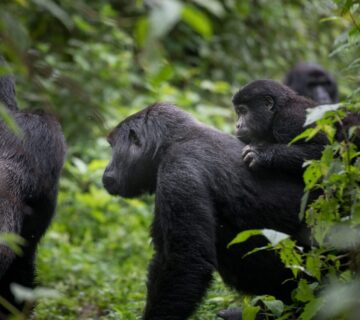
Capturing exceptional gorilla images requires more than technical settings—it demands observation, timing, and creative composition. Photographers should anticipate behavior, observe social dynamics, and be ready to capture fleeting moments such as grooming, playful wrestling, or maternal interactions.
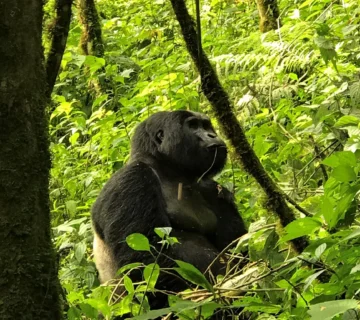
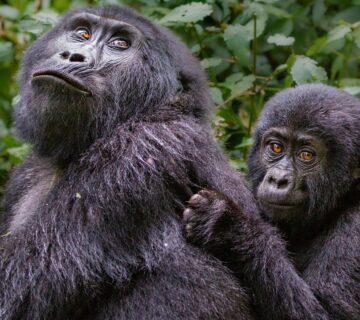
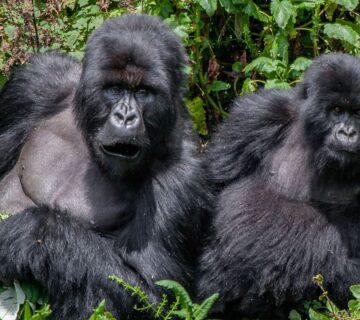
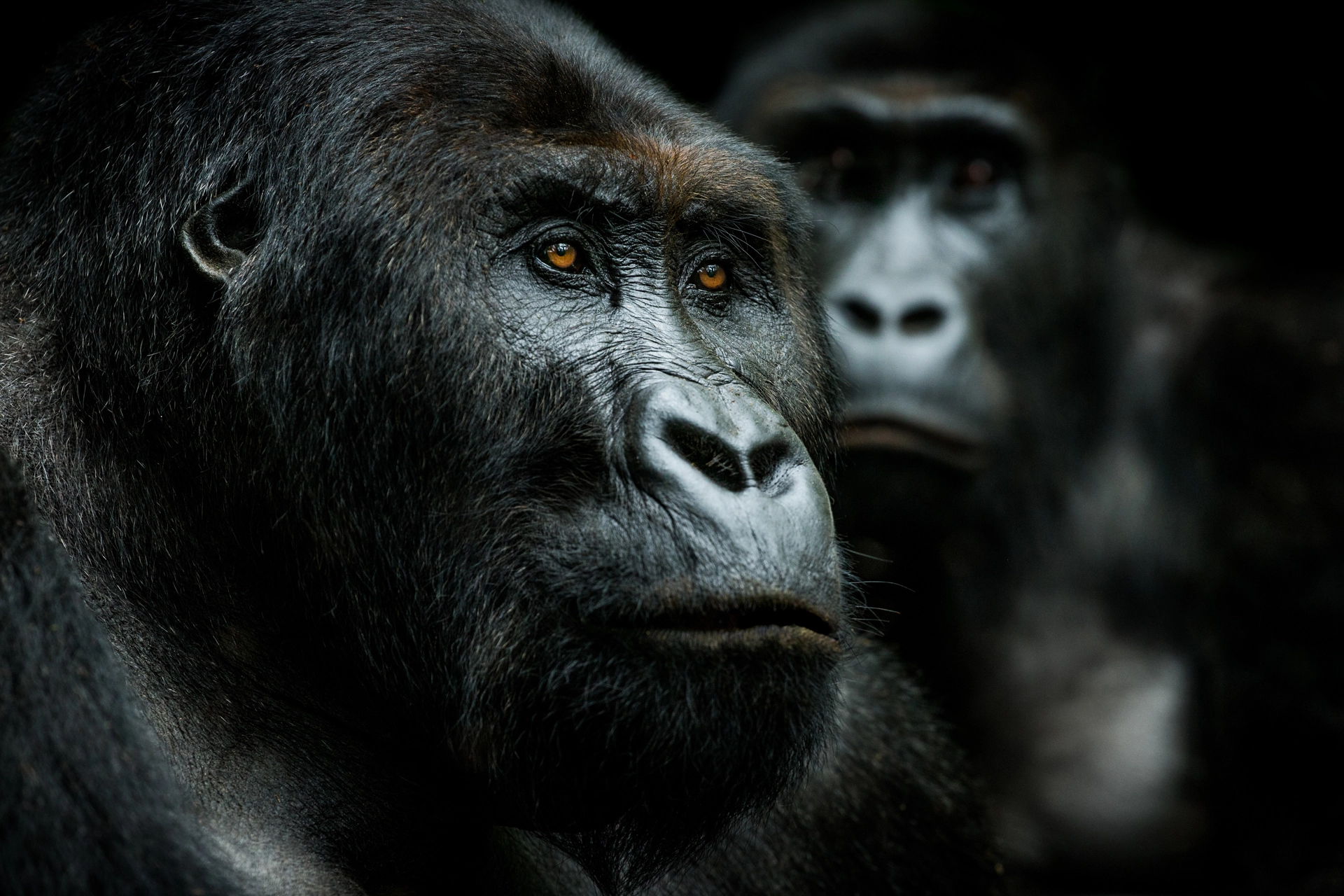
Using the forest environment as part of the composition enhances storytelling. Wide shots can capture family groups within the forest canopy, while close-ups of faces, hands, or eyes evoke emotion and personality. Light is a critical compositional tool; soft side-lighting or diffused morning sunlight can highlight textures in fur, expressions, and surrounding foliage.
Patience is essential. Gorillas move at their own pace, and aggressive or rapid pursuit for a perfect shot can disturb the group. Photographers should blend observation with readiness, ensuring their behavior is unobtrusive while maximizing photographic opportunities.
Common Mistakes to Avoid
Several mistakes frequently compromise gorilla photography experiences. Using flash, approaching gorillas too closely, making sudden movements, or loud noises are the most common errors. Over-focusing on camera settings or composition at the expense of safety and awareness can be hazardous if gorillas move unexpectedly.
Ignoring ranger instructions or entering restricted zones can jeopardize both the photographer and the group. Overloading on heavy equipment can also impede mobility on forest trails. Successful gorilla photography balances preparedness, adaptability, and respect for animal behavior and park rules.
Conservation Context and the Role of Photography
Ethical gorilla photography contributes directly to conservation efforts. By following established rules and respecting gorilla welfare, photographers support the long-term preservation of these endangered primates and their habitats. Images captured responsibly can raise awareness, educate the public, and promote ecotourism initiatives that benefit local communities.
Permit fees for gorilla trekking, along with responsible photography practices, directly fund park management, anti-poaching operations, scientific research, and community programs. Every ethically captured photograph is part of a broader conservation narrative, helping ensure that future generations can also experience these remarkable animals in the wild.
Gorilla photography is a unique, rewarding, and deeply impactful experience that requires preparation, respect, and awareness. By mastering camera settings, adhering to flash restrictions, and following strict ethical etiquette, visitors can capture compelling images without disturbing the gorillas or compromising safety.
From technical expertise to patient observation and ethical responsibility, gorilla photography is a blend of art, science, and conservation. The images produced not only preserve memories but also contribute to the protection of one of the world’s most endangered species. With careful planning, proper gear, and respect for gorilla behavior, every photographer has the opportunity to create stunning visuals that celebrate both the beauty of these primates and the forests they inhabit.