Gorilla Trekking Fitness Requirements: How Prepared Do You Need to Be
Gorilla trekking in Uganda is an unforgettable adventure, but it is not a simple walk in the park. Set deep within the dense forests of Bwindi Impenetrable National Park and the volcanic terrain of Mgahinga Gorilla National Park, this experience requires a reasonable level of physical fitness. The terrain can be steep, the trails muddy, and the duration unpredictable, making preparation an important part of your safari planning.
Understanding how fit you need to be for gorilla trekking helps you approach the experience with confidence. While you do not need to be an athlete, being physically prepared will significantly improve your comfort, enjoyment, and overall success during the trek.
What Gorilla Trekking Physically Involves
Gorilla trekking is essentially a guided hike through dense rainforest. The activity begins early in the morning and can last anywhere from one to six hours, depending on the location of the gorilla family.
The terrain varies widely. Some trails are relatively gentle, while others involve steep climbs, thick vegetation, and slippery ground. Trekkers may need to step over roots, push through undergrowth, and navigate uneven paths.
The pace is generally moderate and adjusted to suit the group, but the physical demands can still be noticeable, especially for those not used to hiking.
Required Fitness Level
A moderate level of fitness is sufficient for most trekkers. You do not need advanced athletic ability, but you should be comfortable walking for several hours on uneven terrain.
Basic endurance, balance, and mobility are key. If you can walk for a few hours, manage gentle hills, and maintain steady movement, you are likely fit enough for gorilla trekking.
Travelers of various ages successfully complete treks each year, proving that the experience is accessible with the right mindset and preparation.
Factors That Affect Trek Difficulty
The difficulty of your trek depends on several variables. The location of the gorilla family is the most important factor. Some groups are found close to the starting point, while others require longer hikes into the forest.
Weather conditions also play a role. Rain can make trails muddy and slippery, increasing the physical challenge. Altitude is another factor, as trekking takes place at elevations that may affect breathing and stamina.
Group pace and individual fitness levels influence how quickly the trek progresses. Rangers adjust the pace to ensure that all participants can keep up comfortably.
Preparing for Gorilla Trekking
Preparation makes a significant difference in your trekking experience. Engaging in regular physical activity before your trip can improve endurance and reduce fatigue. Walking, hiking, or light cardio exercises are particularly effective.
Strengthening your legs and improving balance can also help when navigating uneven terrain. Even simple routines such as climbing stairs or walking on inclines can build the necessary fitness.
Mental preparation is equally important. Understanding that the trek may be challenging helps you approach it with the right expectations and attitude.
Support Available During the Trek
Gorilla trekking is designed to be achievable with support. Rangers and guides accompany every group, providing direction, encouragement, and safety throughout the trek.
Porters are available to assist with carrying bags and offering physical support on difficult sections. Hiring a porter is highly recommended, as it reduces strain and enhances comfort during the hike.
This support system ensures that even those with moderate fitness levels can successfully complete the trek.
Tips for Managing the Trek
Simple strategies can make the trek much easier. Maintaining a steady pace, taking short breaks, and staying hydrated are essential for conserving energy.
Wearing proper hiking boots with good grip helps prevent slips on muddy trails. Lightweight clothing and rain gear ensure comfort in changing weather conditions.
Listening to your guide and following instructions carefully also contributes to a safer and more enjoyable experience.
Fitness Considerations for Older Travelers
Age is not a barrier to gorilla trekking. Many older travelers complete treks successfully each year. The key is to assess your fitness level honestly and prepare accordingly.
Choosing a gorilla family that is closer to the starting point can reduce trekking difficulty. Using a walking stick or hiring a porter provides additional support.
Consulting a doctor before travel is advisable for those with existing health conditions, ensuring that the trek is safe and manageable.
Why Fitness Preparation Matters
Being physically prepared enhances the entire experience. When you are fit enough to handle the trek comfortably, you can focus on the beauty of the forest and the excitement of encountering gorillas.
Fatigue and discomfort can distract from the experience, while good preparation allows you to fully appreciate every moment. The journey through the forest becomes part of the adventure rather than a challenge to overcome.
Prepared, Not Perfect
Gorilla trekking does not require extreme fitness, but preparation is essential. With a moderate level of fitness, the right mindset, and proper support, most travelers can successfully complete the trek.
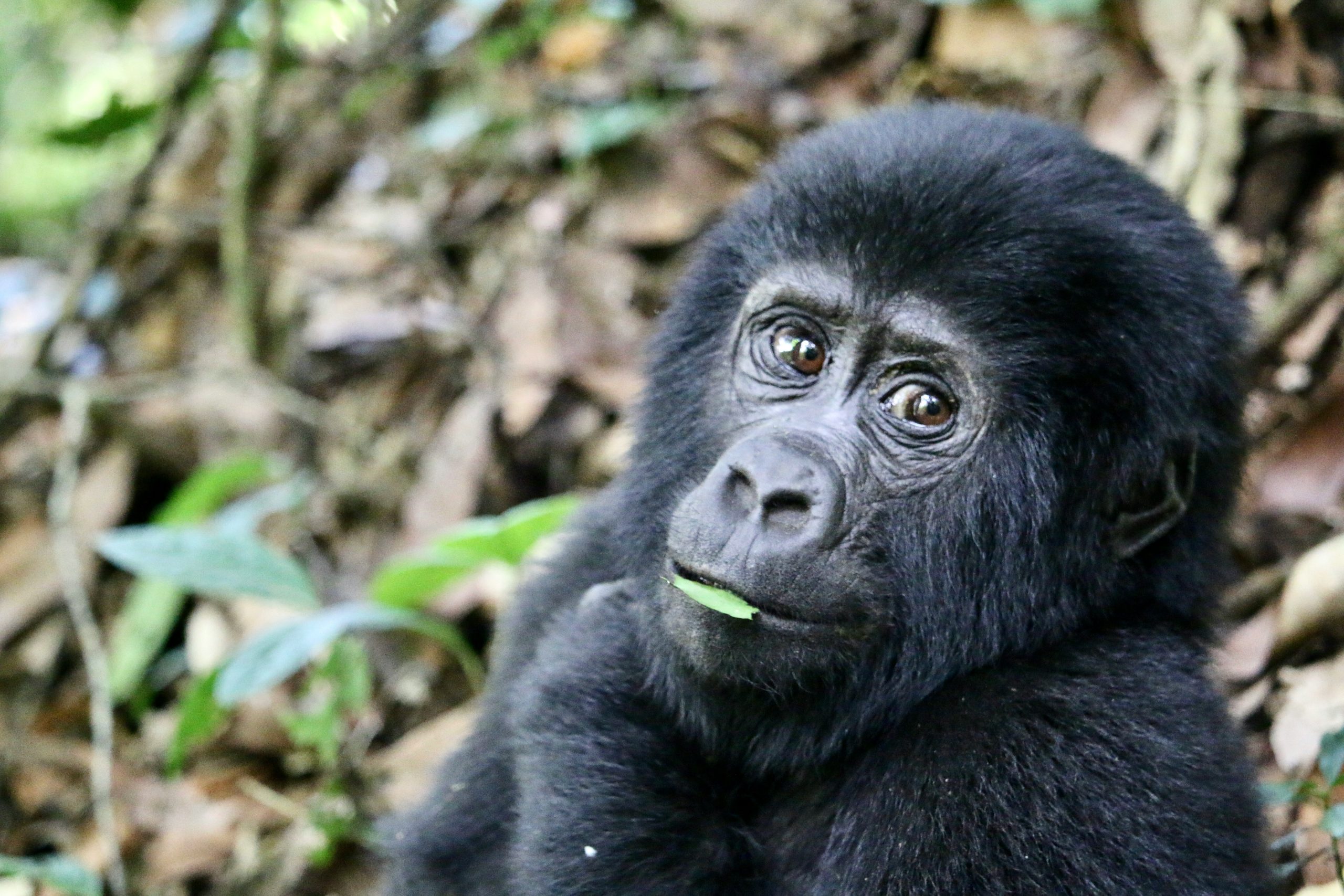
The reward at the end of the journey—standing face-to-face with a mountain gorilla—makes every step worthwhile. By preparing in advance and understanding what to expect, you ensure that the experience is not only achievable but truly unforgettable.
Simple Exercises to Start With
Stair climbing, hill walks, or a stepper machine build the specific leg strength needed for steep forest terrain more effectively than flat-ground walking alone. Adding two or three sessions a week of this kind of training in the two months before your trip, alongside general cardio like jogging or cycling, gives most reasonably healthy adults a solid baseline of fitness for trekking day.