Mountain Gorilla Population Recovery 2026: From 620 to 1000 Animals
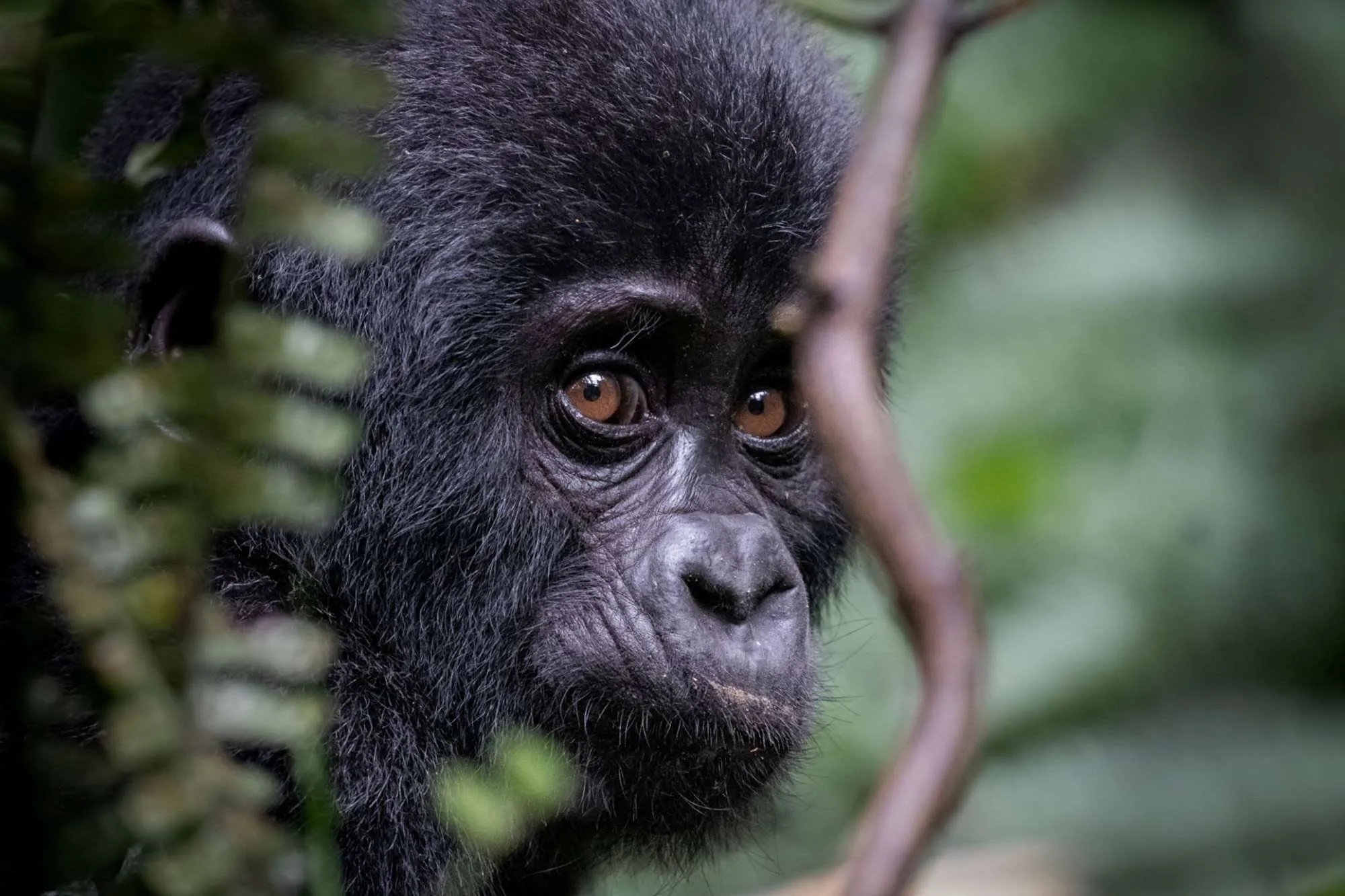
The recovery of mountain gorillas is one of the most remarkable conservation success stories in modern history. Once facing a very real threat of extinction, these iconic primates have made a steady comeback over the past few decades. Today, in 2026, their population has surpassed 1,000 individuals—a milestone that reflects decades of dedication, science, and collaboration.
From the dense forests of Bwindi Impenetrable National Park to the volcanic landscapes of Mgahinga Gorilla National Park, this recovery is visible on the ground. Travelers are now witnessing a species that has moved from critical danger toward cautious stability.
Understanding how mountain gorillas recovered from around 620 individuals to over 1,000 reveals the power of conservation when it is sustained, well-managed, and supported by both local communities and global efforts.
The Historical Decline of Mountain Gorillas
Mountain gorillas were once on the brink of extinction. In the late 20th century, their population dropped to dangerously low numbers due to habitat destruction, poaching, civil unrest, and human encroachment.
By the 1980s and early 1990s, estimates suggested that only around 620 individuals remained in the wild. At that time, conservationists feared that mountain gorillas could disappear within a few decades if no action was taken.
The forests they depended on were shrinking, and protection efforts were limited. Without intervention, the future of the species looked bleak.
Turning Point: The Beginning of Conservation Success
The recovery began with coordinated conservation efforts across East Africa. Governments in Uganda, Rwanda, and the Democratic Republic of Congo, along with international organizations, recognized the urgency of protecting mountain gorillas.
Strict anti-poaching measures were introduced, and protected areas were strengthened. Rangers were trained and deployed to monitor gorilla groups, remove snares, and prevent illegal activities.
Research and monitoring also improved, allowing conservationists to better understand gorilla behavior, health, and population trends. This scientific approach laid the foundation for long-term success.
The Role of Tourism in Gorilla Recovery
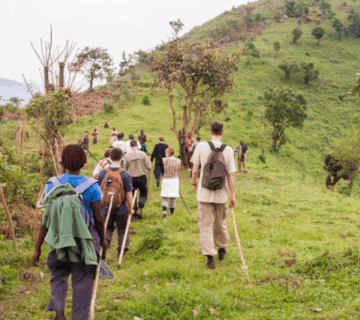
Gorilla trekking tourism has been a major driver of conservation success. Carefully managed tourism generates revenue that directly supports protection efforts and community development.
Permits for gorilla trekking are limited and strictly regulated, ensuring minimal impact on the animals while maximizing conservation funding. This model has created a sustainable balance between tourism and wildlife protection.
Local communities benefit from tourism through employment, infrastructure development, and shared revenue programs. As a result, communities have become active partners in conservation, helping to protect gorillas rather than exploit their habitat.
Veterinary Care and Monitoring
One of the most unique aspects of mountain gorilla conservation is direct veterinary intervention. Specialized teams monitor gorilla health and provide treatment when necessary.
Injuries caused by snares, infections, and other health issues are addressed quickly, improving survival rates. This hands-on approach has significantly contributed to population growth.
Continuous monitoring also allows conservationists to track births, deaths, and group dynamics, ensuring that any threats are identified and managed early.
Habitat Protection and Expansion
Protecting and maintaining gorilla habitat has been critical to their recovery. National parks such as Bwindi and Mgahinga have been preserved and managed to support growing gorilla populations.
Efforts to reduce deforestation and limit human encroachment have helped maintain the integrity of these ecosystems. In some cases, habitat restoration projects have expanded available space for gorillas to thrive.
This focus on habitat ensures that population growth is sustainable and not limited by environmental constraints.
The Numbers: From 620 to Over 1,000
The increase from around 620 individuals to more than 1,000 in 2026 represents steady, long-term growth. Unlike rapid population booms, this recovery has been gradual and carefully managed.
Each census has shown consistent improvement, reflecting the effectiveness of conservation strategies. The growth is driven by higher survival rates, successful births, and improved protection.
Reaching this milestone does not mean the species is safe, but it does demonstrate that extinction is no longer an immediate threat.
Challenges That Still Remain
Despite this success, mountain gorillas remain vulnerable. Their population is still small and confined to limited geographic areas. This makes them susceptible to disease outbreaks, habitat loss, and environmental changes.
Human population growth around protected areas continues to put pressure on land and resources. Climate change may also affect vegetation patterns, impacting food availability.
Political instability in parts of the Virunga region can disrupt conservation efforts, making consistent protection more difficult.
These challenges highlight the importance of maintaining current conservation efforts and adapting to new threats.
Why This Recovery Matters Globally
The recovery of mountain gorillas is a global conservation milestone. It proves that with commitment, collaboration, and sustainable funding, even the most endangered species can recover.
This success story serves as a model for conservation efforts worldwide, demonstrating the importance of integrating science, community involvement, and tourism.
It also highlights the role of responsible travel. Visitors who participate in gorilla trekking contribute directly to this ongoing success.
The Future of Mountain Gorillas
The future is promising but requires continued effort. Population growth must be supported by ongoing protection, monitoring, and community engagement.
Conservationists aim to ensure not only an increase in numbers but also the long-term stability of gorilla populations. This includes maintaining genetic diversity, expanding habitat where possible, and minimizing human-related threats.
The goal is to secure a future where mountain gorillas can thrive independently in protected ecosystems.
A Conservation Success Worth Protecting
The journey from 620 to over 1,000 mountain gorillas is a testament to what conservation can achieve. It reflects decades of dedication, innovation, and collaboration across multiple countries and organizations.
While the species is no longer on the immediate brink of extinction, its survival is not guaranteed. Continued effort is essential to protect the progress that has been made.
For travelers visiting Uganda, this recovery adds deeper meaning to every gorilla encounter. It is not just a wildlife experience—it is a chance to witness one of the greatest conservation success stories of our time and to be part of its future.
What Drove the Recovery
This recovery is largely credited to coordinated conservation efforts across Uganda, Rwanda and the Democratic Republic of Congo, including anti-poaching patrols, veterinary care for sick or injured gorillas, and a tourism revenue model that gives local communities a direct financial stake in the species’ survival. It remains one of the few examples of a great ape population increasing rather than declining, a point conservationists frequently highlight as evidence that well-funded, coordinated protection efforts can genuinely work.