Mountain Gorilla Diet: What Wild Gorillas Eat Every Single Day
Mountain gorillas are powerful primates, yet their diet is surprisingly plant-based and highly specialized. Living in the dense rainforests of Bwindi Impenetrable National Park and the volcanic slopes of Mgahinga Gorilla National Park, these animals rely on a constant supply of vegetation to sustain their massive bodies and active lifestyles.
Understanding what mountain gorillas eat every day offers fascinating insight into their behavior, movement, and survival. Their feeding habits shape everything from daily travel patterns to group structure, making diet one of the most important aspects of gorilla ecology.
The Plant-Based Diet of Mountain Gorillas
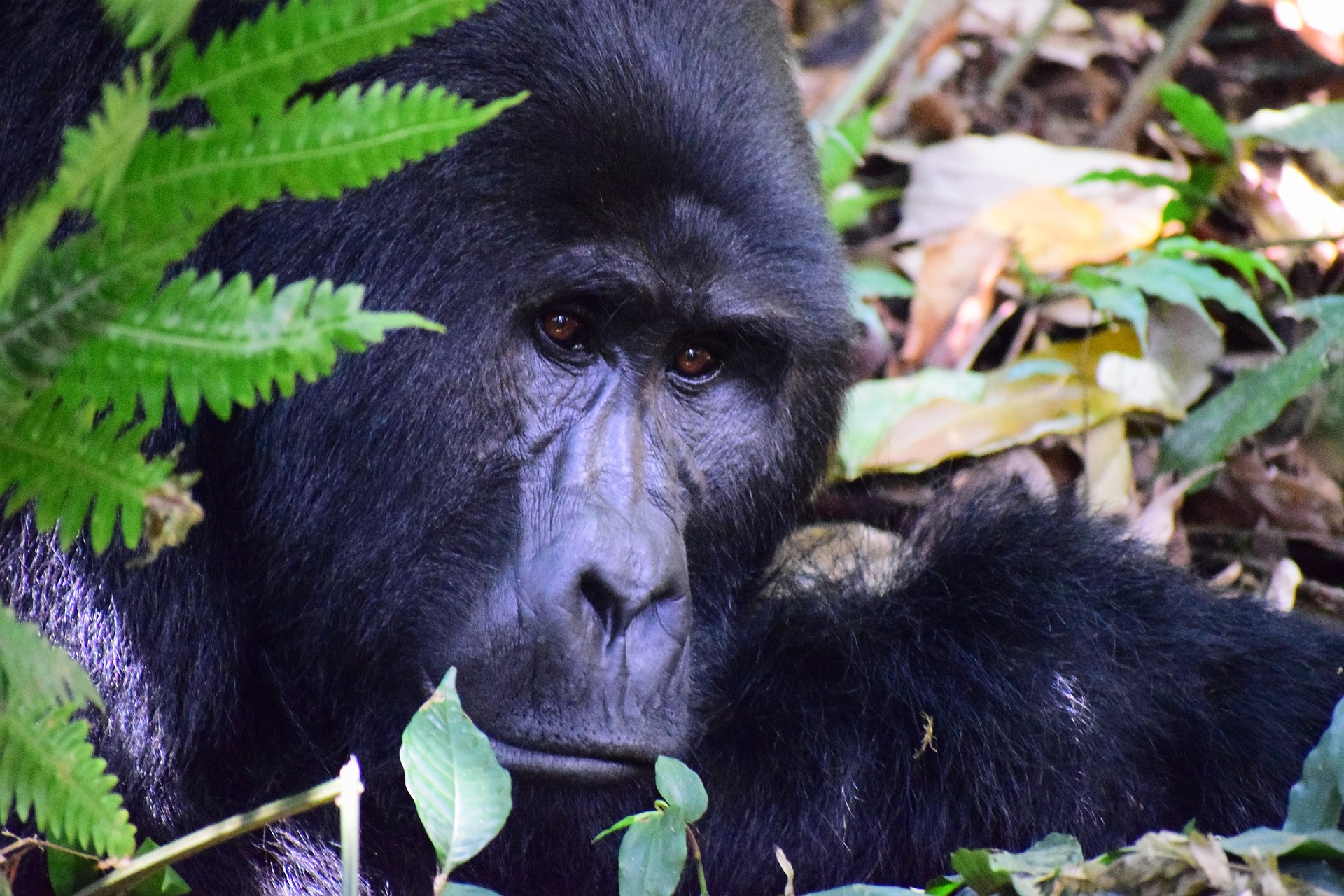
Mountain gorillas are primarily herbivores. Their diet consists almost entirely of plant material, including leaves, stems, shoots, bark, and fruits. Unlike many other primates, they rarely depend on fruit due to the high-altitude environments they inhabit, where fruit availability is limited.
Instead, gorillas consume large quantities of fibrous vegetation. This diet provides the necessary nutrients and energy required to support their size and strength. Adult gorillas can eat up to 30 kilograms of vegetation in a single day, spending a significant portion of their time feeding.
Their digestive system is specially adapted to break down tough plant fibers, allowing them to extract nutrients efficiently from low-energy food sources.
Daily Feeding Routine
Feeding dominates the daily life of a mountain gorilla. From early morning until evening, gorillas alternate between feeding, resting, and moving through the forest.
The day typically begins with feeding shortly after waking. The group then travels slowly through the forest, stopping frequently to eat. Midday is often reserved for rest, after which feeding resumes in the afternoon before the gorillas settle for the night.
This constant cycle ensures that gorillas meet their high dietary needs while conserving energy. Their slow, deliberate movement reflects the abundance of food within their habitat.
Key Foods in a Gorilla’s Diet
The variety of plants consumed by mountain gorillas is extensive. They feed on hundreds of plant species, selecting specific parts depending on availability and nutritional value.
Leaves and stems form the bulk of their diet, providing fiber and essential nutrients. Bamboo shoots are a seasonal favorite, particularly in Mgahinga, where bamboo forests are more common. Bark and roots are also consumed, especially when other food sources are scarce.
Fruits, while less common, are eaten when available. Gorillas may also occasionally consume insects such as ants, though this forms only a very small part of their diet.
Their ability to adapt their diet based on seasonal availability is key to their survival in changing environmental conditions.
How Diet Influences Gorilla Movement
Gorilla movement is directly linked to food availability. Unlike predators that roam in search of prey, gorillas move slowly through areas where vegetation is abundant.
They do not defend large territories because food is generally plentiful within their home range. Instead, they follow a pattern of daily movement that ensures access to fresh feeding sites.
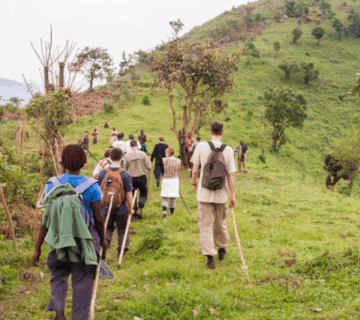
This predictable behavior is one of the reasons why gorilla trekking is possible. Trackers can locate groups by following feeding trails and signs left behind in the forest.
Social Feeding Behavior
Feeding is a social activity within gorilla groups. Members often feed together, maintaining close proximity while moving through the forest. This strengthens social bonds and ensures group cohesion.
The dominant silverback plays a key role in guiding the group to feeding areas. While he may feed first in some situations, gorillas generally show low levels of competition for food due to its abundance.
Young gorillas learn feeding habits by observing adults, gradually developing the skills needed to identify and process different plant species.
Seasonal Variations in Diet
Seasonal changes influence what gorillas eat. During wetter months, vegetation is more abundant and diverse, allowing gorillas to access a wider range of food sources. This often leads to shorter daily movements and more stable feeding patterns.
In drier periods, gorillas may travel further to find sufficient food, relying more heavily on less preferred sources such as bark and tougher plant materials.
These seasonal shifts highlight the adaptability of mountain gorillas and their ability to thrive in varying environmental conditions.
The Role of Diet in Gorilla Health
A consistent and balanced diet is essential for gorilla health. Proper nutrition supports growth, reproduction, and overall well-being. It also plays a role in maintaining strong immune systems, which is particularly important given their vulnerability to disease.
The availability of diverse plant species ensures that gorillas receive a wide range of nutrients. Any disruption to their habitat, such as deforestation or climate change, can therefore have serious consequences for their diet and health.
What Tourists Learn from Gorilla Feeding Behavior
Observing gorillas feeding provides valuable insight into their lives. During a trekking experience, visitors often witness gorillas calmly eating, stripping leaves, or chewing stems.
These moments reveal the peaceful nature of gorillas and their deep connection to the forest. Watching their feeding habits also highlights the importance of preserving their habitat, as their survival depends entirely on the availability of natural vegetation.
A Diet That Sustains Giants
The mountain gorilla diet is simple yet remarkably effective. By relying on a wide variety of plant species, these primates sustain their large bodies and maintain a balanced ecosystem within their habitat.
Their feeding habits influence every aspect of their lives, from movement and social structure to health and survival. Understanding what gorillas eat not only enriches the trekking experience but also underscores the importance of protecting the forests they call home.
In the end, the story of the mountain gorilla diet is a reminder that even the most powerful animals depend on the delicate balance of nature—and preserving that balance is essential for their future.
How Much Gorillas Eat Each Day
An adult gorilla can consume up to 18 kilograms of vegetation daily, spending a large part of each day foraging through the forest for leaves, stems, bamboo shoots and occasionally fruit, depending on seasonal availability. This near-constant feeding, combined with their large body size, is part of why gorilla families move relatively slowly and cover limited ground compared to more mobile primates.