Nocturnal Animals Uganda: What to Spot on a Night Game Drive
Uganda’s wildlife experience does not end when the sun sets. As darkness falls across iconic destinations like Queen Elizabeth National Park, Murchison Falls National Park, and Lake Mburo National Park, a completely different world awakens. Night game drives reveal elusive nocturnal animals rarely seen during the day, offering a thrilling and mysterious perspective of Uganda’s biodiversity.
Unlike daytime safaris, night drives rely on spotlights and expert guides to locate animals that thrive in darkness. These experiences are more intimate, unpredictable, and often more exciting, as predators become active and shy species emerge from hiding. For wildlife enthusiasts, photographers, and adventure seekers, a night game drive adds a powerful dimension to any Ugandan safari.
A Detailed Study of Nocturnal Wildlife Behavior
Nocturnal animals are species that are primarily active at night. In Uganda’s savannah and woodland ecosystems, many animals have adapted to darkness to avoid predators, reduce competition, or hunt more effectively. Cooler nighttime temperatures also make movement easier for species that would otherwise conserve energy during the heat of the day.
Understanding nocturnal behavior enhances the safari experience. Predators such as lions often hunt under the cover of darkness, using stealth and teamwork. Smaller mammals, including rodents and insectivores, forage actively at night, while certain birds rely on exceptional night vision to hunt. These adaptations make nighttime safaris uniquely dynamic, as visitors witness behaviors rarely observed during daylight hours.
Predators You May Encounter at Night
One of the most exciting aspects of a night game drive is the chance to see predators in action. Lions in Queen Elizabeth National Park and Murchison Falls National Park are often more active after sunset, moving through the grasslands in search of prey. Their glowing eyes, illuminated by spotlights, create a dramatic and unforgettable sight.
Leopards, known for their elusive nature, are also more likely to be seen at night. These solitary cats rely on stealth and camouflage, making nighttime the ideal hunting period. In areas like Lake Mburo National Park, lucky visitors may spot a leopard perched in a tree or silently moving through the bush.
Hyenas are another common nocturnal predator. Often heard before they are seen, their distinctive calls echo across the savannah as they scavenge or hunt in groups. Observing hyenas at night provides insight into their complex social structures and survival strategies.
Smaller Nocturnal Mammals and Unique Sightings
Beyond large predators, Uganda’s night safaris reveal a fascinating array of smaller nocturnal mammals. Bush babies, also known as galagos, are among the most delightful sightings. These small primates leap between trees with incredible agility, their large eyes perfectly adapted to low light conditions.
Genets and civets are also frequently spotted during night drives. These cat-like mammals move quietly through the undergrowth, searching for insects, small animals, and fruits. Their patterned coats and reflective eyes make them stand out under spotlight beams.
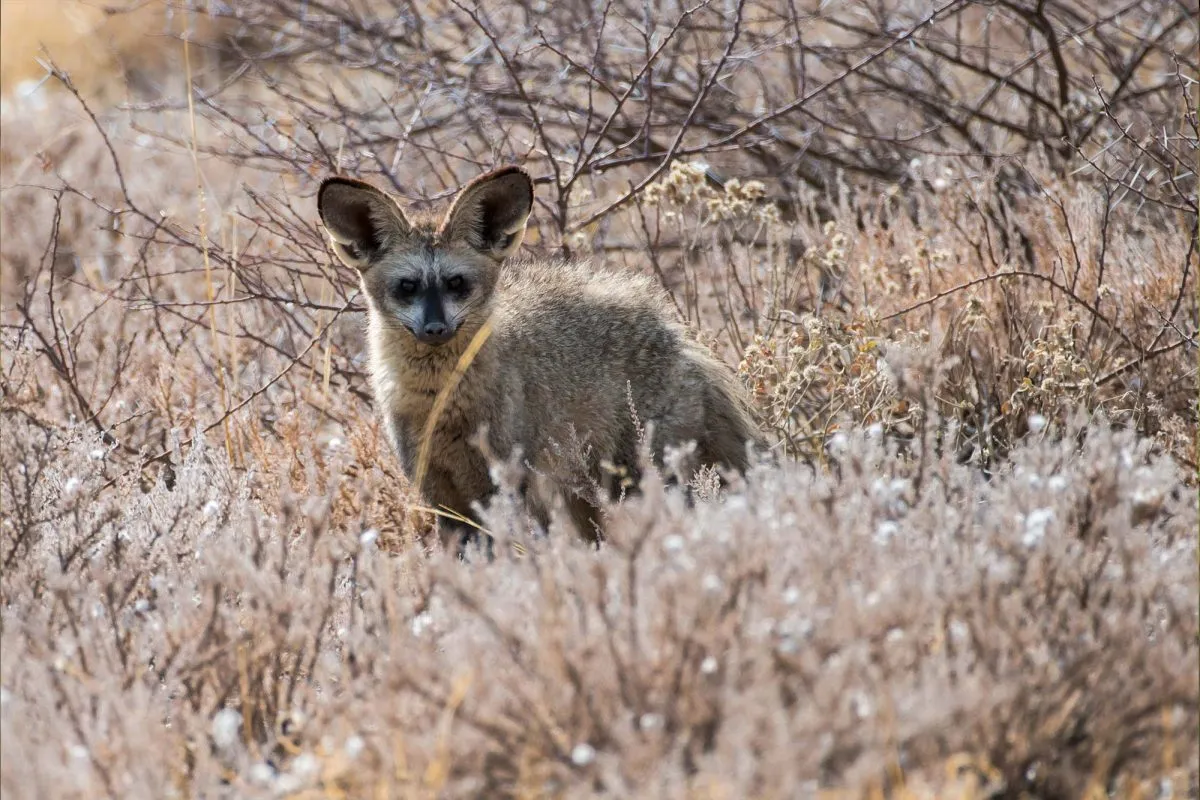
Porcupines, aardvarks, and pangolins are rarer but highly sought-after sightings. These animals are strictly nocturnal and often shy, making night drives the best opportunity to encounter them. Seeing such species in the wild is considered a highlight for many seasoned safari travelers.
Nocturnal Birds and Reptiles
Night game drives are not limited to mammals. Uganda’s birdlife includes several nocturnal species, such as owls and nightjars. Owls, with their silent flight and sharp hunting skills, are often spotted perched on branches or gliding through the darkness. Nightjars, on the other hand, are usually seen on roads, their eyes reflecting brightly in the spotlight.
Reptiles also become more active at night. Chameleons, often found resting on branches, are easier to spot in the dark due to their pale coloration. Snakes may occasionally be seen crossing roads or moving through vegetation, adding an element of excitement to the drive.
The Night Game Drive Experience
A night game drive typically begins shortly after sunset. Visitors travel in specialized safari vehicles equipped with spotlights, guided by experienced rangers who understand animal behavior and habitats. The use of red-filtered lights minimizes disturbance to wildlife while allowing clear visibility.
The atmosphere during a night drive is markedly different from daytime safaris. Sounds become more pronounced, from insect calls to distant animal movements. The darkness heightens the senses, creating a sense of anticipation and discovery. Each sighting feels more dramatic, as animals emerge suddenly from the shadows.
Safety is a priority during night drives. Visitors remain in vehicles, follow guide instructions, and respect wildlife at all times. The structured nature of these drives ensures that both tourists and animals are protected while maintaining an authentic experience.
Best Parks for Night Game Drives in Uganda
Not all parks in Uganda offer night game drives, but several stand out for their exceptional nocturnal experiences. Queen Elizabeth National Park is one of the best locations, with diverse wildlife and open savannah landscapes that make spotting animals easier.
Lake Mburo National Park is another excellent choice, known for its accessibility and high chances of seeing nocturnal species such as bush babies and leopards. The park’s smaller size allows for more concentrated wildlife viewing.
Murchison Falls National Park also offers rewarding night drives, particularly in areas with abundant predators and varied habitats. Each park provides a unique experience, influenced by terrain, wildlife diversity, and accessibility.
Tips for a Successful Night Safari
Preparation enhances the quality of a night game drive. Wearing warm clothing is essential, as temperatures can drop significantly after sunset. Carrying binoculars, although less effective at night, can still assist with certain sightings, while cameras with good low-light capabilities are ideal for photography.
Listening carefully to guides and remaining quiet increases the chances of spotting animals. Sudden movements or loud noises can disturb wildlife and reduce sighting opportunities. Patience is key, as nocturnal animals may appear unpredictably and require careful observation.
Nocturnal animals in Uganda offer a completely different safari experience, transforming familiar landscapes into mysterious and dynamic environments after dark. From powerful predators like lions and leopards to small, elusive creatures such as bush babies and civets, night game drives reveal a hidden world that few travelers fully explore.
Exploring Uganda’s national parks at night provides not only thrilling wildlife encounters but also a deeper understanding of animal behavior and ecological balance. For those seeking adventure, discovery, and unforgettable moments, a night game drive is an essential addition to any Ugandan safari itinerary.