HIPPO WATCHING ON THE KAZINGA CHANNEL – A COMPLETE BOAT TRIP GUIDE
Hippo watching on the Kazinga Channel is one of Uganda’s most iconic wildlife experiences, offering visitors the chance to observe large pods of hippopotamuses in their natural habitat while cruising along one of East Africa’s most unique waterways. The Kazinga Channel, a natural waterway linking Lake Edward to Lake George, stretches over 32 kilometers and is situated within the heart of Queen Elizabeth National Park. Its calm waters, abundant wildlife, and scenic surroundings make it the perfect setting for a relaxed yet thrilling safari adventure.
The channel is particularly famous for its large concentration of hippopotamuses, often numbering in the hundreds, and is also home to Nile crocodiles, water birds, and other aquatic species. A boat trip along the Kazinga Channel allows for close-up encounters with these animals, combined with the opportunity to enjoy stunning sunset views over the savannah and surrounding wetlands.
A Detailed Study of Hippo Watching on the Kazinga Channel
The Kazinga Channel: A Unique Waterway
The Kazinga Channel is more than just a river; it is a vital ecological corridor connecting two major lakes in southwestern Uganda. Its waters support diverse ecosystems, including papyrus swamps, riverine forests, and open water habitats. The channel’s width varies along its length, providing sheltered coves and wide expanses that accommodate large groups of hippos and other aquatic wildlife.
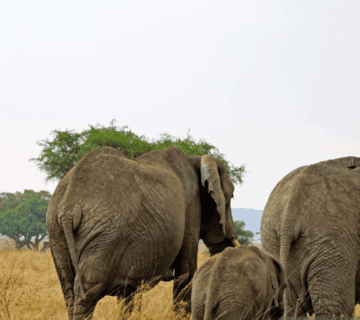
Due to its ecological richness, the channel attracts not only hippopotamuses but also elephants, buffaloes, and antelopes that come to drink, making it an excellent location for observing both aquatic and terrestrial wildlife from a single vantage point. The scenery is complemented by the backdrop of savannah plains and distant volcanic hills, creating a visually stunning environment for photography and wildlife observation.
Hippopotamus Behavior and Viewing Tips
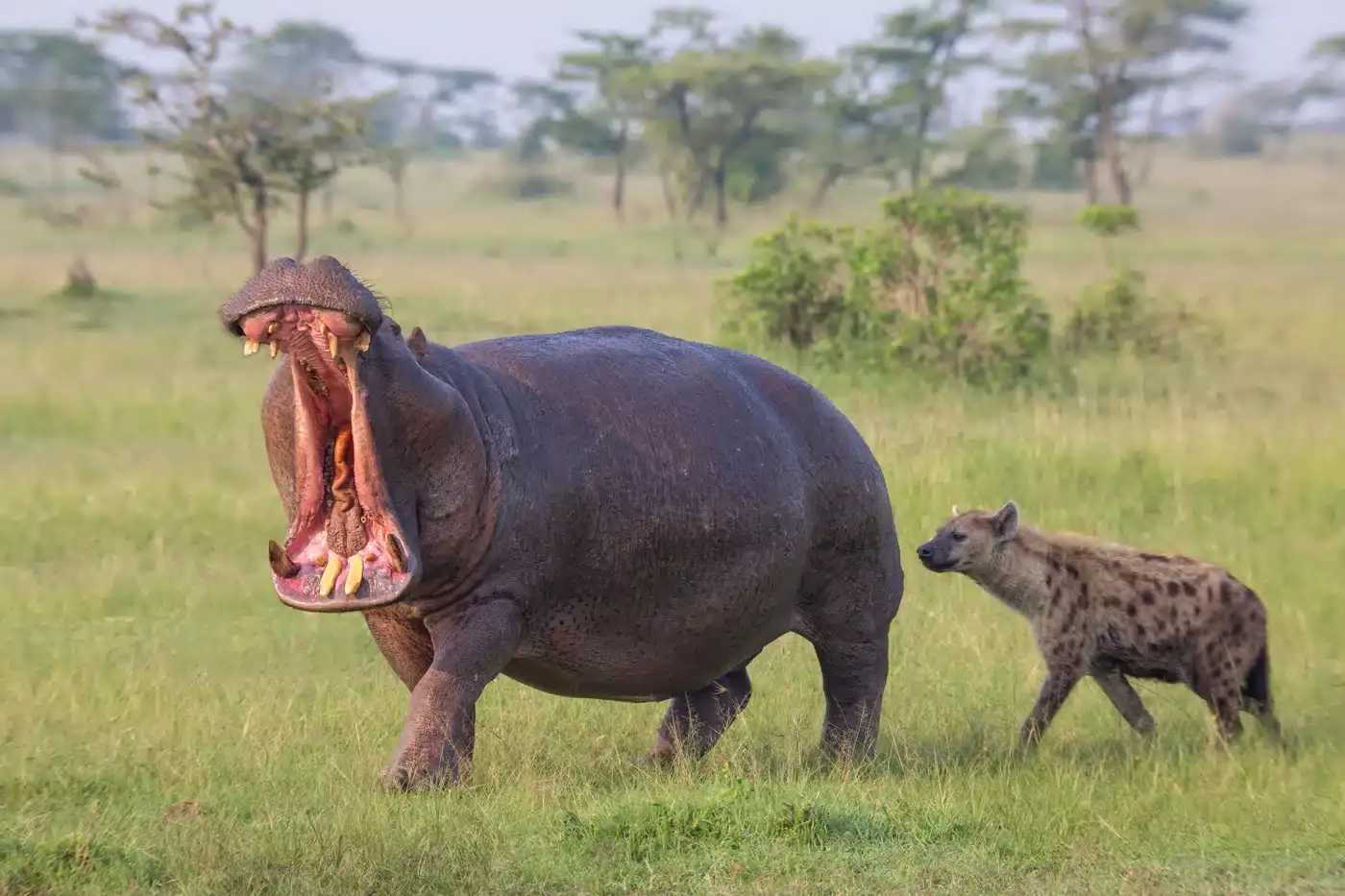
Hippos are the primary attraction along the Kazinga Channel, and their behavior provides fascinating insights into these large and semi-aquatic mammals. Hippos spend most of their day submerged in water to stay cool and protect their sensitive skin from the sun. Observers will notice them surfacing to breathe, opening their massive mouths in yawns that display formidable teeth, and occasionally interacting socially with other members of the pod.
Optimal viewing times are early morning and late afternoon when hippos are most active near the water’s surface. During midday, they often retreat to deeper waters or mud pools, making sightings less predictable. Guides along the channel provide information on hippo behavior, social structure, and conservation status, enhancing the educational value of the trip.
Boat Trip Logistics and Safety
A Kazinga Channel boat trip typically lasts between two to three hours, allowing for extended observation and photography opportunities. Boats are usually motorized and stable, designed to accommodate safari groups while maintaining safety around large animals.
Passengers should maintain a respectful distance from hippos, as these animals can be unpredictable and aggressive if provoked. Guides are trained to navigate the channel safely, pointing out wildlife, and ensuring that all interactions remain non-intrusive. Life jackets are provided, and trips can be scheduled at different times of the day to maximize wildlife sightings and photography lighting.
Complementary Wildlife Viewing
While hippos dominate the channel, the surrounding environment supports a wide variety of other wildlife. Nile crocodiles often bask along the banks or float near the water surface, providing dramatic photographic opportunities. Waterbirds such as African fish eagles, herons, kingfishers, and storks add color and movement to the scene, while elephants, buffaloes, and antelopes may be spotted drinking at the water’s edge.
The combination of aquatic and terrestrial wildlife ensures a dynamic experience, with every turn of the boat presenting new viewing opportunities. Seasonal variations also influence wildlife presence, with migratory birds appearing at specific times of the year, enhancing the diversity of the experience.
Photography and Observation Tips
The Kazinga Channel is ideal for wildlife photography, with opportunities to capture hippos, crocodiles, birds, and scenic landscapes from close range. Early morning light enhances colors and provides dramatic reflections on the water, while sunsets cast warm tones across the savannah and channel.
For optimal results, photographers should use zoom lenses to capture animal behavior without disturbing the wildlife. Binoculars are essential for observing distant animals, and waterproof equipment is recommended due to occasional splashes from water and wind.
Accessibility and Booking
The Kazinga Channel is accessible from the main lodges and camps within Queen Elizabeth National Park, including locations in Mweya, Katunguru, and Kasenyi. Most lodges offer guided boat trips as part of their safari packages, and trips can be booked directly with accommodation providers or park authorities.
Transport to the channel typically involves a short drive from the lodge, with well-maintained access roads making it easy for guests to reach the embarkation points. Early booking is recommended during peak seasons to secure preferred time slots and ensure availability.
Seasonal Considerations
While the Kazinga Channel can be visited year-round, seasonal changes affect both the wildlife experience and water conditions. During the dry season from June to September, water levels may be lower, concentrating wildlife around the channel and improving sighting opportunities.
The wet season from March to May and October to November brings higher water levels, which may disperse hippos and other animals slightly, but the lush surroundings and increased bird activity provide a different, equally rewarding experience. Understanding these seasonal variations helps visitors plan trips that align with their wildlife viewing priorities.
Conservation and Ecological Importance
The Kazinga Channel plays a critical role in the ecological health of Queen Elizabeth National Park. It provides permanent water sources that sustain both resident and migratory species, supports breeding populations of hippos and fish, and maintains the balance of the wetland ecosystem. Conservation efforts focus on preventing pollution, controlling poaching, and educating visitors about the importance of preserving aquatic habitats.
Participating in guided boat trips supports these conservation efforts by funding park operations, employing trained guides, and promoting responsible tourism practices. Visitors become active stakeholders in the protection of one of Uganda’s most remarkable wildlife corridors.
Enhancing the Safari Experience
A Kazinga Channel boat trip is often combined with other safari activities to create a full-day or multi-day itinerary. Game drives before or after the boat trip allow visitors to encounter terrestrial wildlife, while guided nature walks and cultural visits to nearby communities enrich the overall experience.
Combining these elements provides a holistic view of the park’s ecosystems, offering insight into the interdependence of aquatic and terrestrial habitats, as well as the cultural and historical context of the region. This integrated approach ensures that the Kazinga Channel experience is not only thrilling but educational and immersive.
Practical Tips for Visitors
Visitors planning a boat trip on the Kazinga Channel should wear light, comfortable clothing, ideally in neutral colors to avoid disturbing wildlife. Sun protection, including hats and sunscreen, is essential, as is carrying water and snacks for longer trips.
While the channel is safe for tourism, it is important to follow the guidance of trained guides, avoid leaning over the boat edges, and refrain from making loud noises or attempting to feed wildlife. Respecting the natural behavior of hippos and other animals ensures both safety and a high-quality viewing experience.
A Must-Experience Wildlife Safari
Hippo watching on the Kazinga Channel offers a singular opportunity to witness one of Uganda’s most iconic species in its natural environment. Coupled with sightings of Nile crocodiles, birds, and other wildlife, the boat trip provides an immersive and dynamic safari adventure.
The Kazinga Channel is not just a place to observe animals; it is an ecological corridor where visitors can experience the intersection of aquatic and terrestrial wildlife, learn about conservation practices, and enjoy the beauty of Uganda’s savannah and wetland landscapes. For any safari itinerary within Queen Elizabeth National Park, a boat trip on the Kazinga Channel is an essential and unforgettable experience.