How Safe Is Uganda for Foreign Visitors on Safari? A Deep Dive into Travel Safety
When you picture an African safari, you might imagine golden savannahs, whispering grasses, lions lounging beneath acacia trees, or gorillas moving silently through misty forests. Uganda offers all of that and more — and yet for many travelers from the United States, United Kingdom, Europe, or other parts of the world, a central question remains: Is it safe to travel to Uganda for safari?
This isn’t a casual question. Safety underpins every travel decision — from choosing a destination to deciding whether to walk through a forest at daybreak or climb into an open-top 4×4 before sunrise. The good news is that Uganda is generally safe for foreign visitors on safari, especially when travel is organized responsibly with experienced operators, adequate preparation, and respect for local conditions. However, the full answer is more nuanced than a simple yes or no. It depends on where you go, how you travel, and how well you understand key safety factors.
In this comprehensive guide, we explore Uganda’s safety landscape for safari travelers — covering wildlife, health, roads, cultural factors, crime, political context, emergency services, comparisons with other safari destinations, and practical tips to ensure your journey is not just breathtaking, but genuinely secure.
1. The Context: Uganda as a Tourist Destination
Uganda sits in the heart of East Africa, bordered by Kenya, Tanzania, Rwanda, South Sudan, and the Democratic Republic of Congo. Its geography is dramatic and diverse: savannah plains, dense rainforests, crater lakes, forested mountains, and the powerful Victoria Nile.
Over recent decades, Uganda has transformed into one of Africa’s most rewarding safari destinations — driven by:
The presence of mountain gorillas in Bwindi Impenetrable and Mgahinga Gorilla National Parks
Chimpanzees in Kibale, Budongo, and Kyambura Gorge
Big Five-style wildlife in Murchison Falls and Queen Elizabeth National Parks
Birdlife exceeding 1,000 recorded species
Cultural experiences rooted in centuries-old traditions
Foreign tourism plays a significant role in Uganda’s economy, and as a result, government agencies and private operators prioritize traveler experiences and safety. However, like every global destination, Uganda has unique considerations that travelers should understand before departure.
2. Safety Inside National Parks: Where Safaris Happen
Wildlife Safety Standards
Safari destinations such as:
Bwindi Impenetrable National Park
Kibale National Park
are highly structured environments with well-established safety protocols. This is especially true when you travel through licensed safari operators and professional guides.
Gorilla Trekking
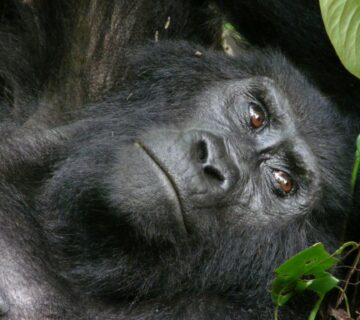
Gorilla trekking is one of Uganda’s flagship wildlife experiences, and safety here is taken seriously:
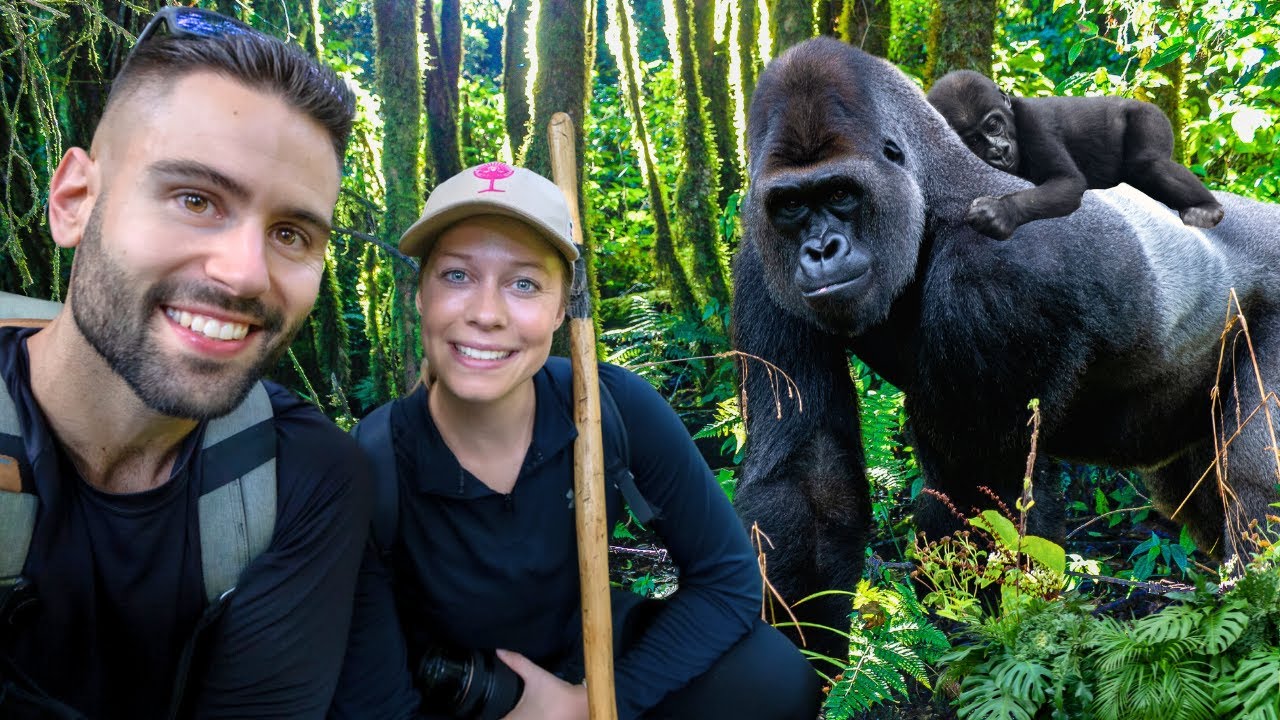
Groups are limited (often 8 visitors per gorilla family).
Treks are guided by trained rangers and supported by armed forest guards.
Rangers brief visitors in advance about safe approaches, distance protocols, and hygiene precautions.
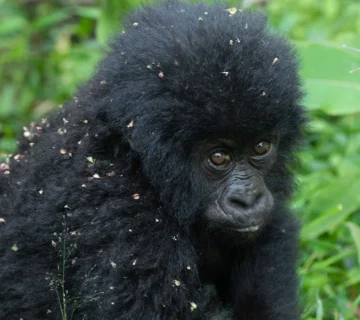
Gorilla groups are habituated — meaning they are accustomed to human presence, reducing the risk of unpredictable reactions.
The forest terrain can be challenging (steep slopes, muddy paths), but organized treks don’t expose travelers to unnecessary danger. Instead, they focus on respect — for you and the gorillas.
Game Drives and Boat Safaris
In parks like Queen Elizabeth and Murchison Falls, professional guides lead 4×4 game drives. Here’s what you can expect:
Strict park rules regarding proximity to animals
Guides trained in animal behavior
Defined and maintained trails for vehicles
Communication systems to coordinate with park authorities
Water-based safaris on Kazinga Channel or the Victoria Nile are similarly controlled, with safety briefings, life jackets, and expert navigation through wildlife-rich aquatic habitats.
Voices from Guides and Rangers
Experienced safari guides emphasize that animals are unpredictable but rarely pose danger when approached correctly. The key is respect — measured distance, slow movement, and silence or calm behavior during sightings.
3. Health Safety: Tropical Diseases and Prevention
Health concerns are not unique to Uganda; they are part of traveling anywhere in the tropics. But with preparation, they are manageable.
Recommended Vaccinations
Before traveling, most national health authorities recommend:
Yellow Fever Vaccination — Required for entry into Uganda and proof of vaccination may be requested on arrival.
Routine Vaccinations — Including tetanus, hepatitis A, and measles as appropriate.
Malaria Prophylaxis — Strongly recommended due to prevalence of malaria in many parts of the country.
Vaccination protocols change over time, so consult your doctor or travel health clinic at least 4–6 weeks before departure.
Malaria and Mosquito Protection
Malaria is present in Uganda’s lowland areas and near water bodies. Preventive measures include:
Antimalarial medication
Insect repellent with DEET or picaridin
Mosquito nets when necessary
Avoiding standing water around accommodation
Unlike other travel risks, malaria is predictable and preventable with proper planning.
Medical Infrastructure
Major cities like Entebbe and Kampala have reputable hospitals and clinics. In safari regions:
Many lodges have medical kits and communication systems.
Emergency evacuation protocols are standard for remote areas.
Travelers should have travel insurance that includes medical evacuation.
4. Road Travel Safety: Getting Around Uganda
Road travel plays a significant role in safari logistics. Understanding road conditions and transport safety is essential.
Road Conditions
Highways: Main roads between cities are tarmacked and relatively well-maintained.
Safari Tracks: Roads within parks and remote areas may be rough, bumpy, or muddy during rainy seasons.
Distance: Some safari regions are far from major airports, making long drives common.
For example:
Entebbe to Bwindi can take 8–10 hours by road.
Many parks are serviced by internal flights, reducing travel time and increasing comfort.
Guided Transfers vs. Self-Drive
While self-driving is possible, guided transfers with experienced safari drivers are strongly recommended because:
Drivers know local road conditions and speed hazards
They anticipate wildlife crossings
Vehicles are equipped for rough terrain
Guides can communicate in local languages if needed
For most visitors, structured transport dramatically enhances safety and convenience.
5. Urban Safety: Cities, Markets, and Social Settings
Big safari experiences are often bookended by time in urban centers like Kampala or Entebbe.
Crime and Petty Theft
Like many global cities, risk in urban areas revolves around petty theft, not violent crime targeting tourists.
Common precautions include:
Avoiding isolated areas at night
Using registered taxis or hotel transfers
Keeping valuables secure
Using hotel safes
Tour operators typically pick travelers up at airports and arrange transfers to accommodation to minimize risk.
Night Travel
Travel after dark is generally discouraged outside of organized transfers. Roads may have pedestrians, livestock, or non-signaled vehicles, especially in rural sections.
6. Political Stability and Travel Advisories
Uganda has maintained relative political stability in recent decades. National and international tourism sectors continue to operate effectively.
Foreign governments often issue travel advisories with general guidance for remote border regions or events — but tourism corridors and safari parks are not typically areas of political unrest.
As with any destination:
Check official government travel advisories (UK FCDO, US State Dept, etc.) before departure
Follow local guidance from tour operators on current conditions
Travel advisories are often broad and focus on specific regions, not safari areas.
7. Cultural Safety and Community Interactions
Ugandans are widely known for their warmth, hospitality, and friendliness toward visitors.
Key points:
English is an official language — making communication easier for many foreign travelers.
Tourist areas are accustomed to international guests.
Local guides often facilitate cultural experiences, village visits, and respectful interactions.
Understanding local customs — seeking consent for photographs, dressing modestly in rural areas, and showing mutual respect — adds depth and safety to cultural exchanges.
8. Wildlife Safety: Respecting Nature
The wild is wild — and that’s the appeal of safari. But wildlife safety depends on behavior:
Keep your distance: Never approach animals on foot without a trained guide.
Do not feed wildlife: Feeding disrupts natural behavior and can endanger animals.
Stay in vehicles: Except during walking safaris or specific guided activities, exiting vehicles is unsafe.
Follow ranger instructions: Rangers are trained to manage animal encounters safely.
Animals are unpredictable, but they are also largely indifferent to visitors when protocols are followed.
9. Terrorism and Security Threats
No destination is entirely risk-free, and East Africa has, in the past, experienced isolated incidents of terrorism-related activity.
However:
Parks and tourism regions are NOT typical targets.
Authorities collaborate regionally to enhance security.
Airports and major hotels have visible security protocols as standard practice.
Travelers should stay informed through official channels but also understand that risk levels in Uganda’s safari circuits are generally low compared with global urban centers.
10. Comparing Uganda’s Safety to Other Safari Destinations
Uganda stands alongside established safari destinations such as:
Kenya
Tanzania
Rwanda
South Africa
When measured within organized tourism systems:
Safety levels are comparable across established safari hubs
Uganda’s parks have strong ranger presence and structured protocols
Transportation, medical access, and guide expertise are on par with regional norms
This means safari travelers in Uganda experience similar risk profiles to those in neighboring countries — with the added advantage of unique primate encounters not found in other regions.
11. Real Traveler Experiences
Thousands of foreign visitors complete Uganda safaris each year without incident. Travelers often highlight:
Friendly and professional guides
Safe game drive routines
Organized gorilla and chimpanzee tracking
Cultural immersion in respectful settings
Well-managed lodges and camps
Safety concerns rarely feature in post-trip reviews. Instead, visitors speak of wildlife moments, scenic wonder, and the deep emotional impact of experiences like gorilla trekking.
12. Practical Safety Tips for Travelers
To ensure a smooth safari, consider the following:
Before You Go
Get health advice from a travel clinic
Obtain travel insurance with evacuation coverage
Learn basic safety protocols for wildlife encounters
During Your Trip
Stay hydrated and protect against mosquitoes
Use registered transport arranged by your safari operator
Avoid solo night travel
Respect local customs and wildlife boundaries
With Wildlife
Always follow ranger and guide instructions
Maintain safe distances from animals
Avoid flash photography with primates or nocturnal species
Final Reflection: Uganda Is “Safari Safe”
Uganda is generally very safe for foreign visitors on safari — so long as travel is organized responsibly, expectations are realistic, and basic precautions are followed.
Safari safety is not about eliminating risk — no destination can promise that. Rather, it is about managing risk intelligently:
Choosing licensed operators
Traveling with expert guides
Respecting wildlife and local cultures
Preparing health-wise before departure
When these elements come together, Uganda becomes not just a safe safari destination — but one of the most rewarding on the planet.
Your journey into the wild should lead you to wonder, not worry.
And in Uganda, that is exactly where it will lead.