Travels from Foreign Lands to East Africa for the Best Safari Activities
There is a certain romance in leaving one continent behind and flying toward another in search of something timeless. For travelers departing from Europe, North America, Asia, or Australia, East Africa represents one of the last great wildlife frontiers on Earth. Here, vast savannahs stretch beyond the horizon, ancient forests hide endangered primates, and dramatic landscapes cradle some of the planet’s most iconic animals.
To travel from a foreign land to East Africa for safari is not simply to change geography — it is to step into a living wilderness narrative shaped by migration, survival, and centuries of natural rhythm.
Arriving in the Safari Gateway Cities
Most international travelers land in major hubs such as Nairobi in Kenya, Entebbe in Uganda, Kigali in Rwanda, or Kilimanjaro International Airport in northern Tanzania. From the air, the landscape reveals itself slowly — patchworks of farmland, winding rivers, scattered acacia trees, and distant mountains rising against wide skies.
These gateway cities serve as the starting point for unforgettable safari circuits. After a night to rest and adjust to the equatorial climate, the real adventure begins — often by 4×4 safari vehicle or light aircraft bound for national parks.
The Great Migration in Kenya and Tanzania
One of the most sought-after safari spectacles is the annual wildebeest migration between the Serengeti and Maasai Mara ecosystems.
Maasai Mara National Reserve
The Maasai Mara is synonymous with classic African safari imagery. Golden plains stretch endlessly beneath dramatic skies, dotted with acacia trees and roaming herds of elephants, lions, giraffes, and buffalo. Between July and October, hundreds of thousands of wildebeest and zebras thunder across the plains after crossing from Tanzania’s Serengeti.
Game drives here are intense and rewarding. Predators stalk prey in open grasslands, and dramatic river crossings unfold in moments of raw survival. Hot air balloon safaris at sunrise offer breathtaking aerial views of the savannah awakening.
Serengeti National Park
On the Tanzanian side, the Serengeti extends even further — vast, untamed, and almost mythic in scale. The migration moves through different regions of the park throughout the year, creating year-round wildlife viewing opportunities.
Visitors can stay in luxury tented camps that move seasonally, ensuring proximity to wildlife. Even outside migration season, the Serengeti offers extraordinary predator sightings and serene, uncrowded landscapes.
Gorilla and Chimpanzee Trekking in the Rainforests
While Kenya and Tanzania are famous for open savannahs, Uganda and Rwanda are known for their rainforest primate encounters.
Bwindi Impenetrable National Park
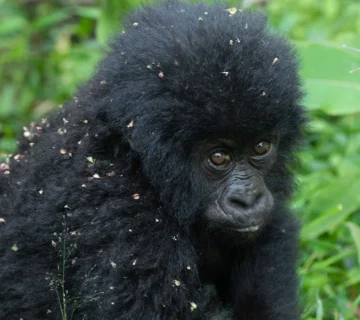
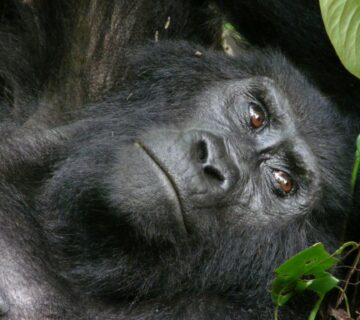
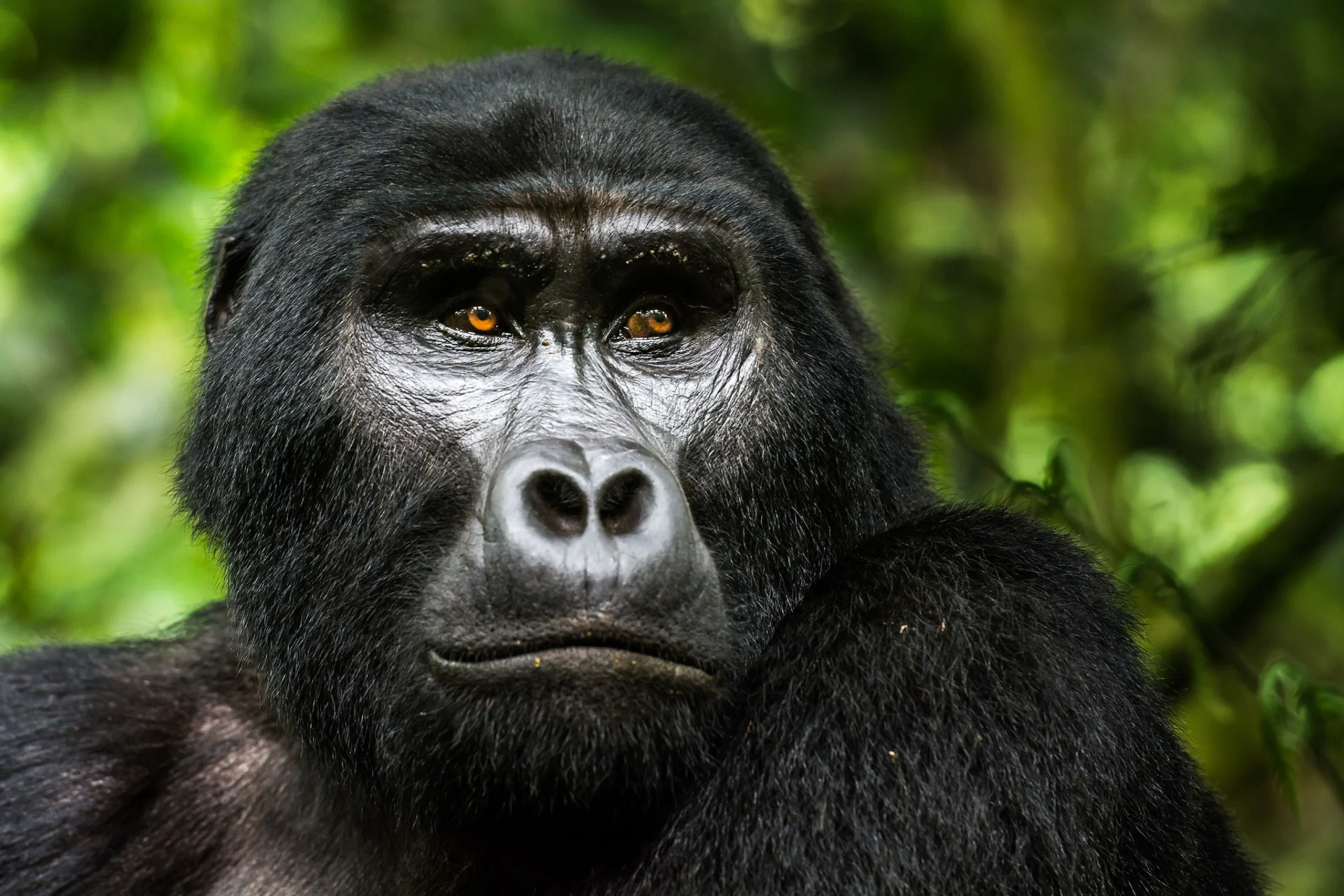
Hidden in southwestern Uganda, Bwindi’s misty mountains shelter nearly half of the world’s remaining mountain gorillas. Trekking through dense forest to meet a habituated gorilla family is one of Africa’s most profound wildlife experiences.
The encounter is intimate — just eight visitors per group — and the hour spent observing these gentle giants leaves a lasting emotional impact.
Volcanoes National Park
Across the border in Rwanda, Volcanoes National Park offers equally dramatic gorilla trekking against a backdrop of volcanic peaks. Rwanda’s infrastructure makes access relatively easy, especially for travelers flying into Kigali.
In addition to gorillas, chimpanzee trekking in Uganda’s Kibale Forest or Rwanda’s Nyungwe Forest provides energetic, vocal forest encounters with our closest relatives.
Big Five Safaris in Tanzania and Kenya
For many visitors, seeing the Big Five — lion, leopard, elephant, buffalo, and rhino — remains a primary safari goal.
Ngorongoro Crater
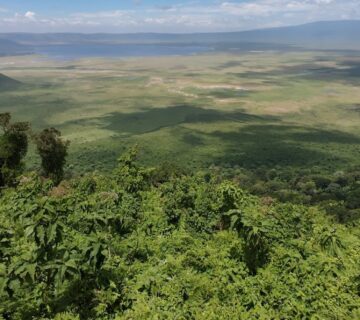
The Ngorongoro Crater in Tanzania offers one of the most concentrated wildlife viewing experiences in Africa. Descending into this ancient volcanic caldera feels like entering a natural amphitheater filled with animals. Black rhinos graze across open plains, while lions rest in the shade and flamingos gather around soda lakes.
Amboseli National Park
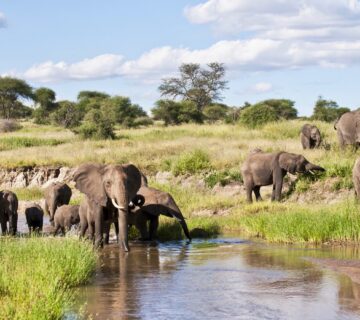
Amboseli provides iconic views of elephants roaming beneath Mount Kilimanjaro. Its open terrain makes wildlife photography particularly rewarding, especially at sunrise when the mountain glows pink behind moving herds.
River and Water Safaris
Not all safaris happen on dry land. East Africa’s waterways provide different perspectives on wildlife.
Murchison Falls National Park
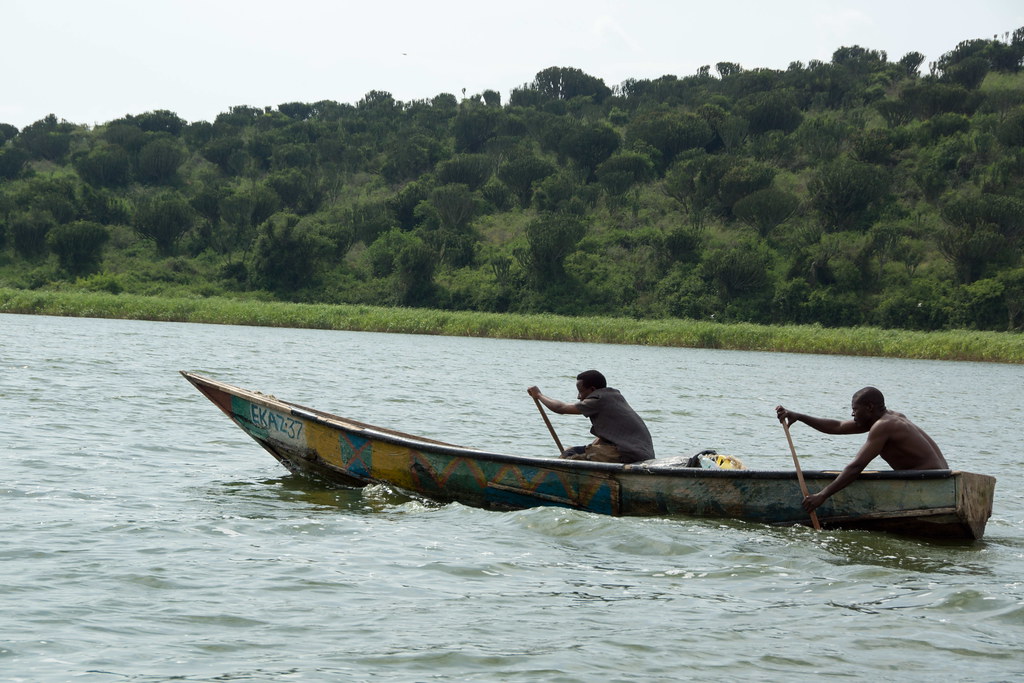
Here, the Nile River squeezes dramatically through a narrow gorge before plunging into powerful falls. Boat safaris along the river reveal hippos, crocodiles, and elephants gathering along the banks.
In Kenya and Tanzania, river safaris during migration season offer front-row views of dramatic crossings filled with tension and energy.
Cultural Experiences Beyond Wildlife
Safari travel in East Africa also opens doors to vibrant cultures. Visitors often interact with Maasai communities in Kenya and Tanzania, learning about pastoral traditions and beadwork artistry. In Uganda and Rwanda, village visits near national parks introduce travelers to agricultural lifestyles and music traditions.
These experiences enrich the safari by connecting wildlife conservation with local livelihoods.
Best Time to Travel from Abroad
The dry seasons — generally June to October and January to February — provide optimal wildlife viewing conditions. Grass is shorter, animals gather around water sources, and roads remain more accessible.
However, the green season brings lush landscapes, fewer crowds, and excellent birdwatching opportunities. East Africa is a year-round destination; choosing the right timing depends on specific wildlife goals.
Accommodation: From Luxury to Wilderness Camps
Foreign travelers can choose from ultra-luxury lodges, boutique tented camps, eco-lodges, and mid-range safari accommodations. Many properties are strategically positioned near wildlife corridors, allowing guests to experience animals even from private verandas.
Evenings around the campfire, under vast star-filled skies, become moments of reflection after exhilarating game drives.
Preparing for the Journey
Travelers from abroad should prepare with appropriate vaccinations, travel insurance, and necessary visas. Lightweight neutral-colored clothing, binoculars, cameras, and sun protection are essential. Safari vehicles are typically customized 4×4 Land Cruisers with pop-up roofs for optimal viewing.
Fitness requirements vary. Game drives require minimal physical exertion, while gorilla trekking demands moderate endurance for forest hiking.
Why East Africa Stands Apart
East Africa’s safari experience remains unmatched because of its scale and diversity. Within one region, travelers can witness:
The Great Migration on open plains
Gorilla families in mist-covered mountains
Elephants beneath snow-capped peaks
Lions resting in golden grasslands
River safaris along the Nile
Few places on Earth offer such a range of ecosystems within relatively short travel distances.
A Journey That Transforms
Traveling from a foreign land to East Africa for safari is more than a wildlife holiday. It is a recalibration of perspective. The pace slows. The senses sharpen. Sunrises feel deeper. Silence feels fuller.
The sight of a lioness watching her cubs, a herd of elephants crossing dusty plains, or a silverback gorilla gazing calmly from the forest leaves travelers changed in subtle but meaningful ways.
East Africa does not simply show you wildlife. It immerses you in living landscapes where nature still dictates the rhythm of life.
For those willing to cross oceans in search of authenticity, adventure, and unforgettable moments, East Africa remains one of the greatest safari destinations in the world.