The New Big Five: From Trophy Hunting to Global Conservation Icons
For generations, the phrase “Big Five” stirred images of colonial-era safaris — leather boots, rifles, and the pursuit of Africa’s most formidable animals on foot. The lion, elephant, leopard, rhinoceros, and buffalo were once defined not by beauty or ecological importance, but by how dangerous they were to hunt.
Today, that meaning has changed.
The New Big Five is a reimagined concept born not from hunting tradition, but from conservation, photography, and global public engagement. Instead of celebrating animals as trophies, it honors them as living treasures. Instead of marking conquest, it encourages protection. The shift reflects a profound evolution in how humanity views wildlife — particularly in Africa, where these species remain both ecological keystones and economic lifelines.
This modern interpretation emerged through a global wildlife photography initiative that invited people around the world to vote for the animals they believed should represent a new era of admiration and conservation. Unsurprisingly, the five winners remained the same iconic African giants. But their symbolism changed entirely.
The New Big Five is not about what is hardest to kill. It is about what is most important to save.
A Legacy Rewritten
To understand the power of the New Big Five, we must first recognize the origins of the old one. During the late 19th and early 20th centuries, big-game hunters in Africa coined the term “Big Five” to describe the animals considered most difficult and dangerous to hunt on foot. The list included the lion, elephant, leopard, rhinoceros, and African buffalo.
Over time, the phrase became embedded in safari culture. Tour operators marketed trips around “spotting the Big Five,” even though hunting had largely been replaced by photographic tourism. The term endured, but its meaning softened.
The New Big Five concept did not reject the species themselves. Instead, it reframed them. These animals were no longer icons of colonial bravado — they became ambassadors for conservation.
This transformation reflects a broader cultural shift. Wildlife tourism today contributes billions of dollars to African economies. National parks rely on visitor revenue to fund anti-poaching patrols, habitat protection, and community development programs. The animals once hunted for prestige are now protected for survival.
The Lion: A Roar That Echoes Across the Savannah
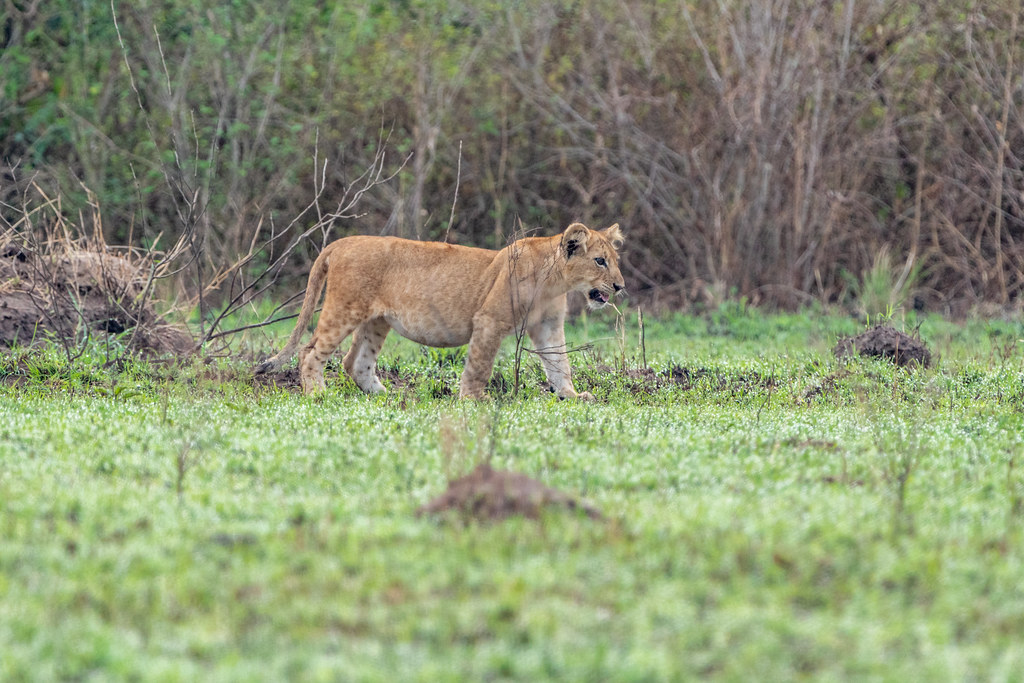
Few animals command attention like the lion. Muscular, social, and unmistakably regal, lions have long symbolized power in mythology and folklore. Their deep roars can travel up to eight kilometers, announcing territorial dominance across vast grasslands.
In ecosystems like Serengeti National Park and Maasai Mara National Reserve, lions remain apex predators. Their presence shapes prey populations and influences entire ecological dynamics.
Unlike most big cats, lions live in prides — structured family groups typically composed of related females, their cubs, and one or more dominant males. This social structure makes them uniquely fascinating to observe. Cooperative hunting strategies, cub-rearing, and territorial defense reveal layers of complexity often underestimated.
Yet lions face mounting pressures. Expanding human settlements reduce habitat. Livestock conflicts lead to retaliatory killings. In some regions, lion populations have declined dramatically over the past century.
By placing lions within the New Big Five, conservationists emphasize their vulnerability as much as their majesty. Every lion photographed in the wild becomes a symbol of what remains — and what must be preserved.
The Elephant: Intelligence in Motion
If lions represent power, elephants represent wisdom.
The African elephant is the largest land mammal on Earth. But beyond size lies remarkable intelligence. Elephants exhibit advanced memory, emotional depth, and sophisticated communication. They mourn their dead. They comfort distressed companions. They navigate vast territories guided by matriarchs whose experience determines survival.
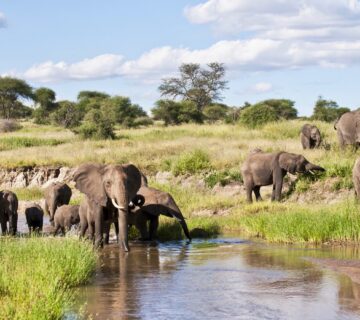
In places like Amboseli National Park and Queen Elizabeth National Park, elephant herds move gracefully across plains framed by mountains and acacia trees. Watching them feed quietly at sunset can feel profoundly humbling.
The ivory trade once devastated elephant populations. International bans and intensified anti-poaching measures have reduced illegal killings in many regions, yet the threat persists. Habitat fragmentation also challenges migration routes that have existed for centuries.
As part of the New Big Five, elephants symbolize both the successes and ongoing struggles of conservation. They remind us that protection requires constant vigilance.
The Leopard: The Elusive Master of Stealth
If lions dominate open plains, leopards prefer secrecy. Solitary and adaptable, they thrive in varied habitats — from savannah to forest to mountainous terrain.
In Kruger National Park and other protected areas across Africa, spotting a leopard resting on a tree branch is a highlight of any safari. Their spotted coats blend perfectly with dappled light, making them nearly invisible until they choose to reveal themselves.
Leopards are powerful climbers. They often drag prey into trees to avoid scavengers. Their strength relative to body size is extraordinary.
Despite adaptability, leopards face threats from habitat encroachment and illegal wildlife trade. Their solitary nature makes population monitoring challenging, which complicates conservation efforts.
Within the New Big Five, the leopard represents the quiet resilience of wildlife that survives at the edge of human expansion.
The Rhinoceros: A Battle Against Extinction
Rhinos evoke another era. Thick-skinned and prehistoric in appearance, they seem almost out of time. Yet their survival in the modern world is precarious.
Both black and white rhinos have suffered catastrophic declines due to poaching driven by demand for horn in illegal markets. Even heavily guarded reserves remain under constant threat.
Uganda’s Ziwa Rhino Sanctuary stands as a powerful example of restoration. After rhinos were wiped out in the country decades ago, conservation initiatives reintroduced and protected them in secure environments. Today, the sanctuary symbolizes hope for rewilding efforts.
Rhinos reproduce slowly, with long gestation periods and extended maternal care. This biological reality means recovery takes time — often decades.
Including rhinos in the New Big Five keeps global attention focused on their survival. They embody the urgency of conservation in its most literal sense: preventing extinction.
The African Buffalo: Strength in Numbers
Often underestimated, the African buffalo is one of the continent’s most formidable animals. Massive horns curve outward and downward before sweeping upward in a distinctive boss formation. Their collective defense strategies make them unpredictable and sometimes dangerous.
Buffalo move in large herds, shaping grassland ecosystems through grazing patterns. Their presence influences predator behavior, particularly lions.
In parks across East and Southern Africa, buffalo are frequently seen gathering near water sources, dust rising around them at sunset. Their social structure is dynamic, with herds splitting and merging according to season and resource availability.
In the New Big Five, the buffalo represents resilience and ecological balance — a reminder that conservation extends beyond charismatic predators to include all essential species.
Photography as Conservation
The defining element of the New Big Five is not the animals themselves but the method of engagement: photography.
Wildlife photography has become one of the most influential conservation tools of the 21st century. A single powerful image shared globally can inspire empathy, funding, and policy change. Social media platforms amplify wildlife encounters to audiences far beyond park boundaries.
Unlike hunting, photography leaves the animal unharmed. It transforms pursuit into patience. It encourages observation rather than domination.
Tourism built around photography generates revenue for protected areas. Permit fees, lodge stays, and guide services contribute directly to park management and local livelihoods. In many African nations, wildlife tourism represents a significant economic pillar.
The New Big Five aligns perfectly with this model. It encourages travelers to seek meaningful encounters, respect wildlife guidelines, and support ethical operators.
The Economic and Cultural Impact
Across East Africa, the presence of the Big Five underpins safari industries. Communities near national parks benefit from employment as guides, rangers, lodge staff, and artisans. Revenue-sharing programs fund schools, clinics, and infrastructure.
When visitors travel to see lions in the Serengeti or elephants in Amboseli, they are participating in an interconnected system that links wildlife protection to human well-being.
The New Big Five strengthens this connection by reframing wildlife as shared heritage rather than commodities. It shifts narrative power toward conservation storytelling.
A Broader Global Conversation
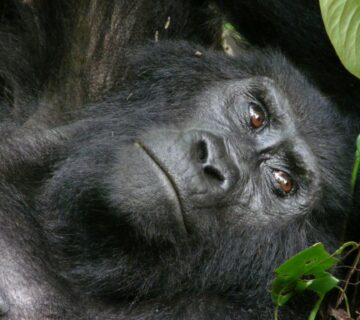
Interestingly, the New Big Five initiative sparked conversations beyond Africa. People debated which animals worldwide might qualify under similar criteria. Polar bears, tigers, whales, and gorillas all entered discussions.
The campaign reminded audiences that wildlife admiration transcends borders. It also highlighted the role of public engagement in shaping conservation priorities.
By voting, sharing images, and discussing their choices, individuals became active participants rather than passive observers.
Challenges Ahead
Despite conservation successes, the future of the New Big Five remains uncertain. Climate change alters habitats and water availability. Human population growth increases land pressure. Illegal wildlife trade adapts to enforcement strategies.
Maintaining protected areas requires funding, political will, and community support. Tourism fluctuations — as seen during global crises — can impact conservation budgets.
The New Big Five serves as a powerful symbol, but symbols must be matched by action. Responsible travel, ethical consumer choices, and sustained advocacy are essential.

A New Definition of Greatness
Ultimately, the New Big Five represents a redefinition of greatness. These animals are no longer celebrated because they are difficult to kill. They are celebrated because they are essential to preserve.
Their survival stories reflect collaboration between governments, conservationists, scientists, and local communities. Their continued presence in Africa’s wild landscapes is both fragile and inspiring.
To stand before a lion on the savannah, to watch elephants cross a dusty plain, to glimpse a leopard in golden light, to observe a rhino grazing peacefully, or to witness a buffalo herd moving as one — these moments remind us of Earth’s extraordinary biodiversity.
The New Big Five invites us to see differently. To replace conquest with care. To value coexistence over dominance.
And perhaps, in that shift, lies the greatest achievement of all.