
🌍 Africa’s Top Safari Destinations
1. Serengeti National Park
The Serengeti is the quintessential African safari experience, its vast plains stretching endlessly under a sky that seems impossibly high. Derived from the Maasai word Siringet, meaning “endless plains,” the Serengeti is the stage for one of the world’s most dramatic natural events: the Great Migration. Over one million wildebeest, hundreds of thousands of zebras, and countless gazelles move in a continuous loop, driven by rainfall and the search for fresh grazing. Between June and October, visitors witness river crossings where crocodiles lie in wait and the survival struggle unfolds in raw, breathtaking detail.
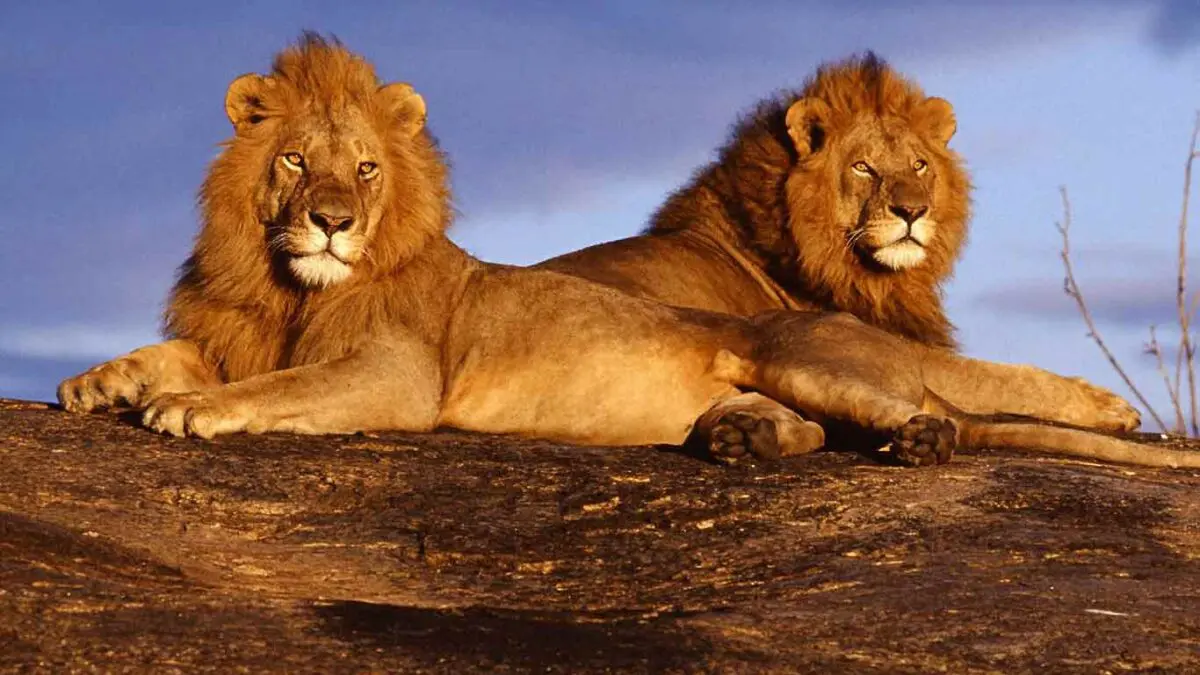
Predators dominate the ecosystem. Lion prides lounge atop granite kopjes, cheetahs sprint across open savannahs, and elusive leopards patrol the riverine forests. Birdlife is prolific, with over 500 recorded species. Balloon safaris offer panoramic views of the plains at sunrise, followed by champagne breakfasts in the bush. Maasai cultural visits enrich the experience, showing how humans and wildlife coexist in this iconic ecosystem. The Serengeti’s seasonal changes ensure that every safari is unique, from the lush green landscapes of the wet season to the golden expanses of the dry season, teeming with wildlife.
2. Maasai Mara National Reserve
Flowing seamlessly from the Serengeti across the Tanzanian border, the Maasai Mara is smaller but intensely vibrant. It is renowned for the northern leg of the Great Migration, where wildebeest and zebras gather at the Mara River for perilous crossings. Crocodiles lie in wait as animals plunge in, creating scenes of life, struggle, and drama that define African safari storytelling.
The Mara is home to high predator densities: lions, leopards, and cheetahs thrive in open plains. The rolling savannah is ideal for photography, especially at sunrise and sunset. Cultural interactions with Maasai villages offer insight into traditional pastoral life. Balloon safaris provide sweeping aerial perspectives, while guided walks reveal the subtler details of animal behavior and bush ecology. The Mara combines intense wildlife encounters with cultural immersion, making it one of Africa’s most dramatic safari destinations.
3. Bwindi Impenetrable National Park
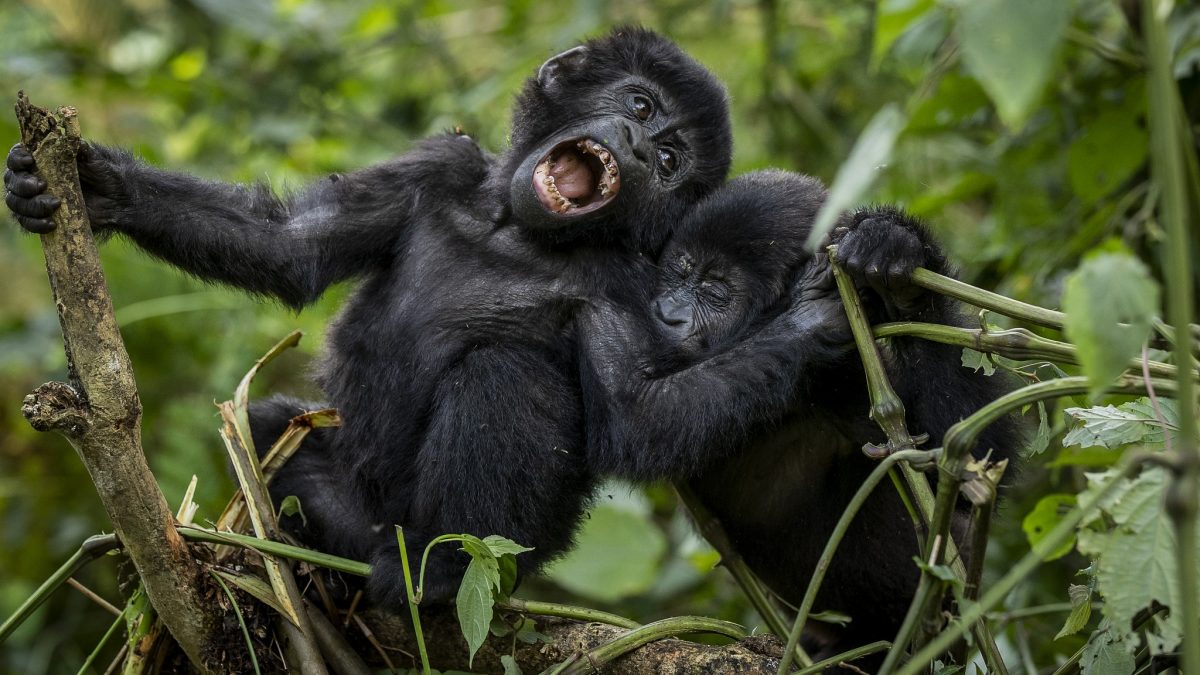
Bwindi is a primeval rainforest in southwestern Uganda, shrouded in mist and mystery. Its dense vegetation, bamboo groves, and steep ridges conceal nearly half of the world’s remaining mountain gorillas. Trekking through this ancient forest is physically challenging but profoundly rewarding. Habituated gorilla families provide intimate encounters, allowing visitors to observe their complex social behaviors.
Birding enthusiasts find over 350 species here, including Albertine Rift endemics. Forest elephants and duikers add to the biodiversity. Local Batwa pygmy communities share cultural insights, music, and traditional practices, providing an enriching human dimension. Bwindi’s combination of physical challenge, emotional connection, and biodiversity makes it a once-in-a-lifetime destination.
4. Kruger National Park
Kruger is one of Africa’s most accessible and iconic parks. Spanning 20,000 km², it is home to the Big Five and hundreds of other species. Visitors can enjoy self-drive safaris, guided game drives, and luxury lodge experiences. The park’s varied ecosystems—from dense bushveld to riverine forests—support leopards, lions, elephants, rhinos, and buffalo, alongside countless bird species. Kruger is notable for conservation programs, particularly for rhino protection, making visits both adventurous and meaningful.
5. Ngorongoro Crater
The Ngorongoro Crater is a collapsed volcanic caldera enclosing a natural wildlife amphitheater. Its steep walls create a self-contained ecosystem where elephants, lions, rhinos, buffalo, and flamingos coexist. Seasonal lakes and grasslands attract large herds, while predators stalk the plains. Cultural visits to Maasai communities complement wildlife viewing. Ngorongoro’s dramatic landscape and wildlife density make it one of Africa’s most iconic safari destinations.
6. Okavango Delta
The Okavango Delta is a seasonal floodplain in the Kalahari Desert, forming a labyrinth of channels, lagoons, and islands. Mokoro canoe safaris and walking safaris allow intimate encounters with elephants, hippos, and predators adapted to wetlands. Birding is spectacular, with hundreds of species including African fish eagles. The delta’s remote camps ensure exclusive, personalized experiences amid pristine wilderness.
7. Chobe National Park
Chobe is renowned for its enormous elephant herds and riverfront wildlife. Boat safaris bring visitors close to elephants, hippos, and crocodiles, while the Savuti region offers predator drama with lions and hyenas. Seasonal changes concentrate wildlife around rivers, enhancing game viewing. Birdlife flourishes, and cultural experiences with nearby communities enrich the visit. Chobe is dramatic, immersive, and unforgettable.
8. Amboseli National Park
Amboseli is famous for elephants with Mount Kilimanjaro as a backdrop. Open plains and swamps attract large elephant herds, lions, and cheetahs. Birdlife thrives, and cultural visits with Maasai villages provide additional depth. Sunrise and sunset photography against Kilimanjaro’s peaks make Amboseli visually iconic. Walking safaris reveal the bush intimately, offering a classic East African safari experience.
9. Queen Elizabeth National Park
Queen Elizabeth National Park features savannah, wetlands, forests, and volcanic craters. The Kazinga Channel is a hotspot for hippos, crocodiles, elephants, and birds. Ishasha’s tree-climbing lions provide unique sightings. Game drives, boat safaris, and birdwatching combine with cultural experiences, such as salt mining at Lake Katwe, to offer a diverse safari experience.
10. Etosha National Park
Etosha’s central salt pan creates a surreal backdrop for wildlife. Waterholes attract elephants, rhinos, lions, and antelopes, offering dramatic, concentrated sightings. Self-drive safaris are popular, and birdwatching is exceptional, especially during seasonal floods. The minimalistic, open landscapes make every encounter visually striking, emphasizing survival, space, and adaptation in the wild.
11. Volcanoes National Park
Volcanoes National Park is Rwanda’s misty volcanic forest home to mountain gorillas and golden monkeys. Trekking for gorilla encounters involves hiking steep bamboo slopes to reach habituated families. Birding, forest walks, and visits to Dian Fossey’s Karisoke Research Center highlight conservation history. Cultural interactions with local communities provide insight into Rwandan traditions. The park blends wildlife, rugged landscapes, and human history.
12. Tarangire National Park
Tarangire is known for its ancient baobabs and large elephant herds. Wildlife congregates around the Tarangire River during dry months. Lions, leopards, cheetahs, zebras, and antelopes abound. Birding is prolific with over 550 species. Cultural interactions with Maasai villages complement the wilderness experience. Tarangire is quieter than Serengeti, offering serene and intimate wildlife encounters.
13. Lake Nakuru National Park
Lake Nakuru is famed for flamingos, rhinos, and diverse birdlife. Its soda lake, surrounded by cliffs and acacia woodland, provides compact yet wildlife-rich safari experiences. Visitors enjoy game drives, photography, and cultural visits to nearby villages. Conservation programs protect rhinos and other threatened species, enhancing the ecological value of every visit.
14. South Luangwa National Park
South Luangwa is the birthplace of walking safaris, offering raw, intimate encounters. Leopards, lions, elephants, and buffalo inhabit riverine forests and floodplains. Walking safaris reveal tracks, birds, and hidden wildlife. Cultural interactions with local communities and seasonal flooding enhance the safari experience. South Luangwa is perfect for travelers seeking authenticity and immersion in untamed bush.
15. Kidepo Valley National Park
Kidepo is Uganda’s most remote park, featuring rugged landscapes, savannahs, mountains, and seasonal rivers. Wildlife includes cheetahs, lions, elephants, giraffes, and rare antelopes. Over 470 bird species are recorded. Cultural visits to the Karamojong people highlight traditional semi-nomadic life. The park offers solitude, authentic wilderness, and dramatic predator-prey interactions.
16. Hwange National Park
Hwange is Zimbabwe’s largest park, known for its elephants and diverse ecosystems. Waterholes provide dramatic wildlife concentrations. Lions, wild dogs, and hyenas thrive alongside elephants and buffalo. Birdlife is rich. Hwange is a safari classic offering large-scale wildlife scenes with a sense of untouched wilderness.
17. Mana Pools National Park
Mana Pools is a UNESCO World Heritage site famed for walking and canoe safaris along the Zambezi River. Wildlife includes elephants, lions, leopards, hippos, and crocodiles. The floodplain ecosystem offers unique interactions with water-adapted species. Birding is exceptional. The park’s remoteness enhances solitude and intimacy with the African bush.
18. Selous / Nyerere National Park
Selous, now Nyerere National Park, is vast and less-visited, offering riverine, savannah, and woodland ecosystems. Wildlife includes elephants, lions, buffalo, hippos, and Nile crocodiles. Boat safaris on the Rufiji River provide intimate wildlife encounters. Walking safaris add depth. Selous delivers a wild, pristine safari far from crowds.
19. Mikumi National Park
Mikumi is a smaller, accessible park with savannah and acacia woodland. Elephants, lions, giraffes, zebras, and antelopes are abundant. It is often combined with Udzungwa Mountains for biodiversity and hiking experiences. Birding and game drives are excellent, offering classic Tanzanian safari landscapes.
20. Lake Manyara National Park
Lake Manyara is famous for flamingos, tree-climbing lions, and hippos in a scenic lake-and-forest setting. The Rift Valley escarpment and acacia woodlands provide dramatic backdrops. Birdwatching and game drives are highlights, with abundant biodiversity concentrated around the lake and rivers. Manyara is ideal for short, picturesque safaris.
21. Virunga National Park
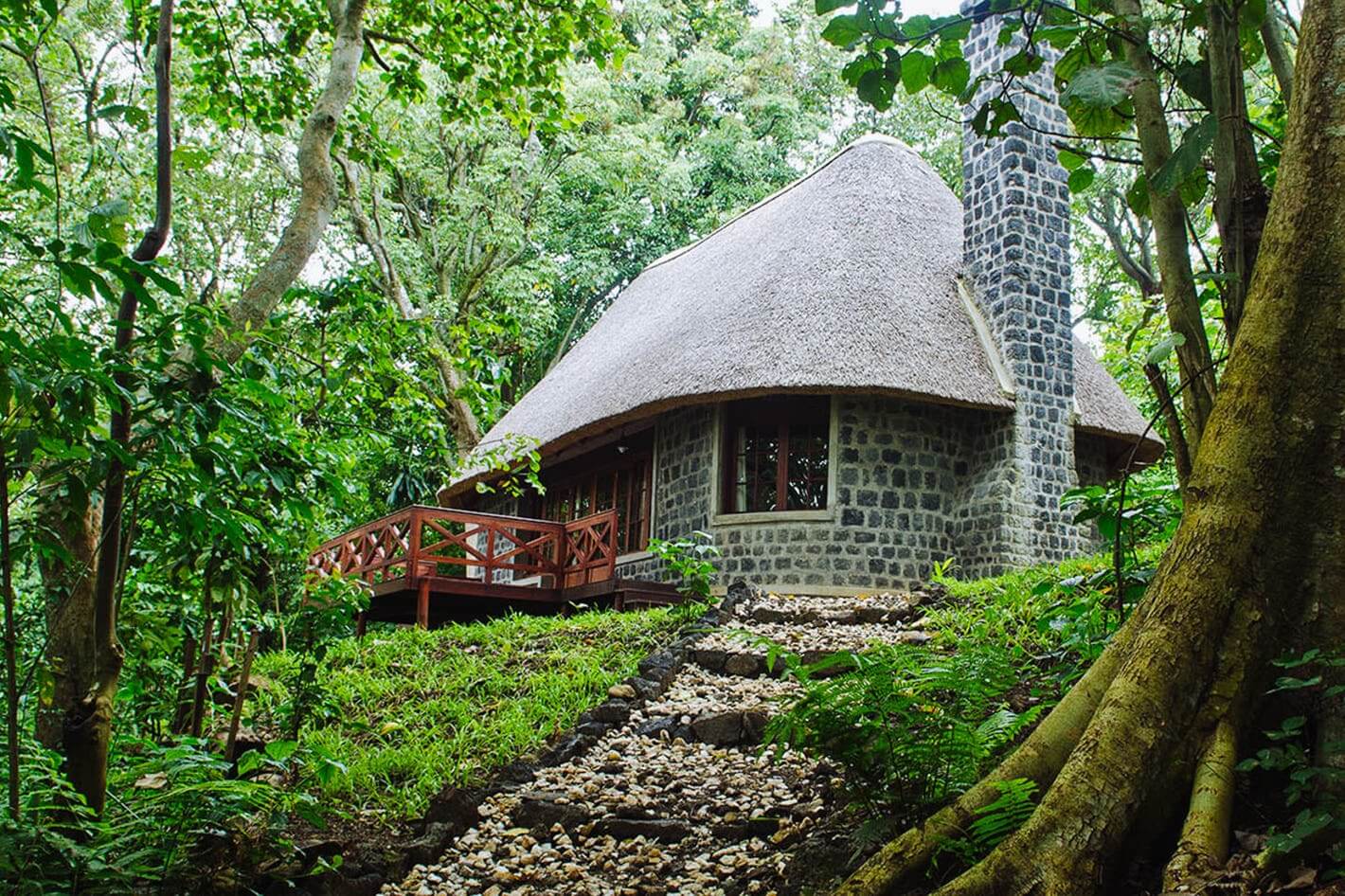
Virunga National Park is Africa’s oldest national park and a UNESCO World Heritage site, spanning volcanic mountains, dense forests, and savannah plains. Its rugged terrain includes the active Nyiragongo volcano, which provides dramatic landscapes for adventurous safaris. Virunga is home to mountain gorillas, chimpanzees, elephants, and lions, as well as over 700 bird species. Trekking gorillas in this region is a challenging yet deeply rewarding experience. Beyond wildlife, visitors encounter conservation initiatives and local communities, offering insight into efforts to preserve this critical ecosystem.
22. Mahale Mountains National Park
Mahale Mountains National Park sits on the shores of Lake Tanganyika and is one of Africa’s most remote and pristine wildernesses. The park is famous for wild chimpanzee tracking, with habituated troops providing close observations in lush montane forests. Hikes through dense vegetation and along ridges reveal waterfalls, rare birds, and endemic mammals. The lake offers kayaking, boat safaris, and scenic viewpoints, making Mahale a unique combination of primate trekking and freshwater safari experiences.
23. Lake Tanganyika
Lake Tanganyika is one of Africa’s Great Lakes and the world’s longest freshwater lake. Its vast, clear waters support hippos, crocodiles, and abundant birdlife. Fishing villages dot its shores, offering cultural immersion. Boating and kayaking provide a unique safari experience, observing wildlife along the shoreline and exploring isolated beaches. Its scenic mountains and tropical forests make it a beautiful addition to any safari circuit in East Africa.
24. Ngamba Island Chimpanzee Sanctuary
Ngamba Island is a sanctuary on Lake Victoria dedicated to rescuing and rehabilitating orphaned chimpanzees. Visitors observe daily routines, including feeding and enrichment activities. The island also offers forest walks, birdwatching, and cultural interactions with local communities. This destination emphasizes conservation and education, providing an intimate and ethical wildlife experience.
25. Murchison Falls National Park
Murchison Falls is Uganda’s largest national park, famous for the Nile plunging through a narrow gorge to create roaring waterfalls. Wildlife includes elephants, lions, giraffes, hippos, crocodiles, and over 450 bird species. Boat safaris along the Nile reveal dense hippo pods and crocodile sightings, while game drives explore savannahs and woodlands. The park combines dramatic scenery with diverse wildlife and rich cultural experiences, such as visits to local fishing communities.
26. Ruwenzori Mountains National Park
The Ruwenzori Mountains, also called the “Mountains of the Moon,” feature glaciers, alpine meadows, and montane forests. Hiking and trekking opportunities allow observation of rare plants, endemic birds, and small mammals. The park is ideal for adventure tourism combined with biodiversity exploration. Its snow-capped peaks provide a stunning contrast to Uganda’s tropical landscape, making it a scenic and challenging destination for active safari-goers.
27. Semuliki National Park
Semuliki National Park is a lowland tropical forest along the Congo border. It is rich in biodiversity, with primates like chimpanzees, colobus monkeys, forest elephants, and over 450 bird species. Hot springs, riverine forests, and swamp ecosystems provide unique safari experiences. Guided walks through the forest allow for intimate wildlife encounters and education about medicinal plants used by local communities.
28. Lake Victoria
Lake Victoria, Africa’s largest freshwater lake, supports fishing communities, hippos, crocodiles, and diverse birdlife. Boat excursions reveal riverine wildlife and cultural interactions with lakeside communities. Its scenic islands, including Ssese Islands, provide relaxation, birdwatching, and opportunities to explore fishing traditions. Lake Victoria is a unique freshwater safari destination with both wildlife and cultural appeal.
29. Sipi Falls
Sipi Falls is a series of three waterfalls on the edge of Mount Elgon. Beyond breathtaking scenery, the area offers hiking, rock climbing, and coffee farm visits. Wildlife includes monkeys, birds, and rare small mammals. The combination of adventure activities, cultural interaction, and natural beauty makes Sipi Falls a top destination for both safari and eco-tourism.
30. Lake Edward
Lake Edward, connected to the Kazinga Channel, is rich in hippos, crocodiles, and birdlife. Boat safaris allow close encounters with aquatic wildlife, while surrounding savannahs support elephants, buffalo, and lions. The lake’s volcanic surroundings provide geological interest and dramatic landscapes, making it both a wildlife and scenic destination.
31. Lake George
Lake George is smaller than Lake Edward but ecologically vital, feeding into the Kazinga Channel. Hippos, crocodiles, and elephants congregate near its shores. Birdlife is diverse, and fishing communities offer cultural insights. Combined with Queen Elizabeth National Park, Lake George enhances safari experiences with aquatic wildlife observation and scenic beauty.
32. Virunga Volcanoes
The Virunga Volcanoes encompass active and dormant peaks, bamboo forests, and montane grasslands. These volcanic landscapes support gorillas, golden monkeys, forest elephants, and endemic birds. Trekking volcanoes and observing wildlife provides both adventure and biodiversity immersion. The area’s conservation history and cultural villages enrich the safari experience.
33. Ngorongoro Highlands
The highlands surrounding the Ngorongoro Crater are scenic, with Maasai villages, terraced fields, and volcanic hills. Wildlife includes elephants, zebras, buffalo, and predators migrating to the crater below. Cultural visits, walking trails, and panoramic viewpoints complement traditional game drives, creating diverse safari experiences.
34. Serengeti Northern Circuit
The Northern Circuit of the Serengeti encompasses the Mara River crossings and northern plains. During migration season, wildebeest and zebras traverse dangerous rivers, while crocodiles and lions hunt. The area offers balloon safaris, guided walks, and remote camp experiences. Wildlife density is high, and photographers find dramatic compositions with kopjes, rivers, and predator-prey action.
35. Lake Naivasha
Lake Naivasha is a freshwater lake in the Great Rift Valley. Boat rides reveal hippos, cormorants, pelicans, and fish eagles. Surrounding acacia woodland hosts giraffes, zebras, and warthogs. Crescent Island Game Sanctuary offers walking safaris where visitors observe wildlife at close range. Naivasha blends scenic lake environments with rich terrestrial wildlife.
36. Lake Bogoria
Lake Bogoria is a soda lake renowned for its flamingos and geysers. Hot springs and waterfalls surround the lake, supporting wildlife such as gazelles, baboons, and elephants. Birdwatching is exceptional, especially during flamingo feeding seasons. The dramatic volcanic landscape provides unique safari photography opportunities.
37. Lake Turkana
Lake Turkana, Africa’s largest desert lake, supports hippos, crocodiles, and migratory birds. Surrounding deserts host baboons, antelopes, and nomadic pastoralists. The lake offers remote, rugged safari experiences combined with cultural interactions and spectacular geological formations.
38. Amboseli-Tsavo Ecosystem
This transboundary ecosystem combines Amboseli’s elephants with Tsavo’s red-dust landscapes. Wildlife includes lions, cheetahs, elephants, and rhinos. Scenic vistas with Kilimanjaro in the background make it iconic for photographers. Cultural interactions with Maasai communities enrich the safari experience.
39. Samburu National Reserve
Samburu is an arid northern park famous for “Samburu Special Five”: Grevy’s zebra, Somali ostrich, reticulated giraffe, gerenuk, and beisa oryx. Elephants, lions, and cheetahs also abound. The Ewaso Nyiro River provides water for wildlife and birdlife. Samburu offers remote safari experiences with unique species and desert landscapes.
40. Buffalo Springs National Reserve
Buffalo Springs, neighboring Samburu, is known for its savannah plains, acacia woodlands, and riverine forests. Elephants, lions, giraffes, and endemic antelopes thrive here. Walking safaris and cultural visits with Samburu communities complement game drives. The landscape offers dramatic scenery and wildlife viewing away from crowded parks.
41. Shaba National Reserve
Shaba is remote and semi-arid, hosting lions, cheetahs, elephants, and Grevy’s zebras. Its rocky hills and acacia woodlands provide dramatic scenery. Walking safaris are possible, allowing visitors to experience wildlife behavior intimately. Shaba emphasizes solitude and off-the-beaten-path safari experiences.
42. Mount Kenya National Park
Mount Kenya National Park combines alpine landscapes, forests, and wildlife. Elephants, buffaloes, and monkeys inhabit lower forests, while rare birds and unique plants thrive at higher altitudes. Trekking routes offer panoramic views, glacier encounters, and cultural experiences with Kikuyu communities.
43. Tsavo East National Park
Tsavo East is known for its vast red-dust plains, elephant herds, and iconic landscapes. Lions, leopards, cheetahs, and giraffes inhabit the park. Mud flats, volcanic hills, and seasonal rivers create dynamic wildlife viewing areas. The park is ideal for classic African savannah safaris.
44. Tsavo West National Park
Tsavo West features swamps, volcanic hills, and the famous Mzima Springs. Wildlife includes elephants, buffaloes, rhinos, and predators. Hippos and crocodiles thrive in rivers, while walking safaris and photographic safaris are popular. The park’s dramatic landscapes enhance wildlife encounters.
45. Nairobi National Park
Nairobi National Park is unique as a wildlife haven bordering a bustling city. Lions, rhinos, giraffes, and zebras inhabit open plains, while the city skyline provides a striking backdrop. Educational centers and wildlife conservation programs complement game drives, making it ideal for short, accessible safaris.
46. Aberdare National Park
Aberdare National Park combines montane forests, waterfalls, and bamboo zones. Elephants, buffaloes, leopards, and rare bongo antelopes thrive here. Scenic lodges overlook watering holes where wildlife congregates. The park offers hiking, photography, and wildlife observation in cooler, misty highlands.
47. Lake Bogoria and Lake Baringo Ecosystem
This region includes soda lakes with flamingos, hot springs, and wetlands supporting crocodiles and hippos. Birdlife is prolific, while nearby highlands host elephants, buffaloes, and antelopes. Cultural visits with lakeside communities enrich the experience.
48. Mount Elgon National Park
Mount Elgon is an extinct volcano with caves, waterfalls, and bamboo forests. Forest elephants, monkeys, birds, and endemic plants inhabit the slopes. Hiking, cave exploration, and cultural interaction with Sebei and Bagisu communities create a combined adventure and wildlife safari experience.
49. Gorilla Forest of Nyungwe
Nyungwe Forest is a montane rainforest rich in primates, including chimpanzees and colobus monkeys. Hiking trails, canopy walks, and birdwatching opportunities abound. The forest combines biodiversity, adventure, and scenic landscapes with conservation education.
50. Lake Victoria Islands – Ssese and Islands
The Ssese Islands offer tropical relaxation combined with wildlife, including monkeys, birds, and aquatic species. Boat tours, fishing, and cultural village visits create eco-tourism experiences. The scenic lake landscapes, combined with leisure activities, make these islands ideal for family and tranquil safari extensions.
51. Addo Elephant National Park
Addo Elephant National Park, located near Port Elizabeth, is a sanctuary for elephants, as well as lions, buffaloes, black rhinos, and a variety of antelope species. The park’s diverse landscapes include dense thickets, grasslands, and the coastal forest of the Alexandria section. Visitors can enjoy game drives, walking trails, and birdwatching, observing species such as the blue crane and the black sparrowhawk. Addo combines high wildlife density with accessible terrain, making it suitable for both guided tours and self-drive safaris. Its conservation success story in restoring elephant populations adds an educational dimension to every visit.
52. Kgalagadi Transfrontier Park
The Kgalagadi Transfrontier Park is a vast semi-arid wilderness, renowned for predator viewing and spectacular red dunes. Lions, cheetahs, leopards, and hyenas roam the open plains, while oryx, springbok, and gemsbok traverse the desert-like landscapes. Birdlife includes sociable weavers, larks, and eagles. The park’s remoteness offers solitude, starry night skies, and intimate encounters with desert-adapted wildlife. 4×4 adventures, camping safaris, and walking trails provide immersive experiences, highlighting the park’s extreme and breathtaking environment.
53. Madikwe Game Reserve
Madikwe Game Reserve, bordering Botswana, offers Big Five safaris with a blend of open savannah, rocky outcrops, and bushveld. Lions, elephants, leopards, and rhinos are abundant, alongside cheetahs and wild dogs. Luxury lodges and safari camps provide both comfort and wilderness immersion. Birdwatchers enjoy species like the lilac-breasted roller and martial eagle. Guided game drives, night drives, and bush walks allow close observation of wildlife behavior, while anti-poaching programs highlight the park’s conservation ethos.
54. Hluhluwe–iMfolozi Park
Hluhluwe–iMfolozi Park is KwaZulu-Natal’s oldest game reserve and famous for its white rhino conservation program. The park encompasses rolling hills, open grasslands, and riverine forests. Elephants, lions, leopards, cheetahs, buffalo, and rhinos provide classic safari sightings. Birdwatchers can spot hornbills, kingfishers, and eagles. Guided game drives and walking safaris allow educational and close-up encounters. Its historical importance in rhino conservation makes it a key destination for wildlife enthusiasts.
55. iSimangaliso Wetland Park
iSimangaliso Wetland Park is a UNESCO World Heritage site combining wetlands, lakes, beaches, coastal forests, and savannah. Hippos, crocodiles, elephants, and rhinos inhabit its diverse habitats, while the estuaries and marine areas host turtles, whales, and birdlife. Canoe safaris, boat trips, and walking trails allow visitors to explore unique ecosystems. Cultural visits to local Zulu communities provide insights into traditional lifestyles. Its combination of aquatic and terrestrial wildlife makes it a singular safari destination in South Africa.
56. Richtersveld Transfrontier Park
Richtersveld is a mountainous desert region featuring dramatic landscapes, succulent plants, and endemic wildlife. Mountain zebras, antelopes, and birds adapted to arid conditions are common. Hiking and 4×4 trails provide adventure-based safari experiences. The park’s remoteness, desert vistas, and rich botanical diversity make it ideal for eco-tourists and photographers seeking off-the-beaten-path safaris.
57. Skeleton Coast National Park
Skeleton Coast is Namibia’s arid coastal desert with dramatic shorelines, shipwrecks, and wildlife such as desert-adapted elephants, lions, and seals. Remote, rugged, and surreal, the park offers 4×4 safaris, fly-in lodges, and photography tours. Visitors experience desert-wildlife interactions with striking ocean backdrops. Its isolation and stark beauty create a hauntingly memorable safari adventure.
58. Etosha Pan
Etosha Pan dominates Etosha National Park, creating a flat, white salt pan visible for miles. Waterholes surrounding the pan attract elephants, lions, rhinos, giraffes, and flamingos during seasonal rains. Self-drive and guided safaris provide excellent photographic opportunities. Its stark beauty and concentrated wildlife sightings offer iconic African savannah experiences.
59. Bwabwata National Park
Bwabwata National Park is a transboundary conservation area in northeastern Namibia, combining riverine forests, savannah, and floodplains. Elephants, buffaloes, lions, and numerous bird species inhabit the park. Cultural interactions with local communities and guided safari experiences provide both conservation insight and wildlife viewing opportunities.
60. Caprivi Strip Parks
The Caprivi Strip includes Bwabwata, Mudumu, and Nkasa Rupara parks along rivers and wetlands. Hippos, crocodiles, elephants, and antelopes thrive. Canoe safaris and game drives highlight aquatic wildlife and bird species. Remote lodges offer immersive wilderness experiences with river and floodplain ecosystems.
61. Luangwa Valley
Luangwa Valley is Zambia’s wildlife heartland. South Luangwa National Park is famous for walking safaris, while North Luangwa offers remote wilderness. Leopards, lions, elephants, and buffalo are abundant. River systems attract hippos and crocodiles, while birding is exceptional. Walking and vehicle safaris provide diverse wildlife experiences.
62. Lower Zambezi National Park
Lower Zambezi borders the Zambezi River and combines riverine forests, floodplains, and savannahs. Elephants, lions, leopards, buffaloes, hippos, and crocodiles thrive. Canoe and boat safaris provide intimate wildlife encounters, while guided walking safaris reveal smaller fauna, bird species, and aquatic ecosystems. Remote lodges ensure private and immersive safari experiences.
63. Mana Pools National Park
Mana Pools, a UNESCO World Heritage site, offers walking and canoe safaris along the Zambezi River. Elephants, lions, leopards, hippos, and crocodiles inhabit the floodplain ecosystem. Seasonal flooding concentrates wildlife, enhancing photography and predator-prey observations. Birding includes fish eagles, storks, and weavers. Its remote, intimate environment provides authentic wilderness experiences.
64. Hwange National Park
Hwange is Zimbabwe’s largest park with savannahs, woodlands, and waterholes. Elephant herds, lions, wild dogs, and hyenas are abundant. Seasonal waterholes create dramatic wildlife concentrations. Birdlife includes vultures, eagles, and starlings. Guided game drives, walking safaris, and remote lodges provide classic African safari experiences with conservation insights.
65. Gonarezhou National Park
Gonarezhou, part of the Great Limpopo Transfrontier Park, features rugged landscapes, cliffs, and riverine forests. Elephants, lions, leopards, buffalo, and rare antelopes inhabit the park. Remote and minimally visited, Gonarezhou provides solitude, adventure safaris, and off-the-beaten-path wildlife encounters.
66. Zambezi National Park
Zambezi National Park borders Victoria Falls and the Zambezi River. Elephants, hippos, crocodiles, and antelopes are common. Birdlife is prolific. Proximity to Victoria Falls allows combined waterfall and safari experiences. Walking safaris and river excursions enrich wildlife observation.
67. Victoria Falls – Zambezi River
Victoria Falls, a UNESCO World Heritage site, is both a geological and wildlife destination. Surrounding national parks host elephants, lions, hippos, and birdlife. Activities include helicopter flights, boat safaris, and walking trails. Combined with wildlife viewing, it offers one of Africa’s most dramatic scenic and safari experiences.
68. Ngorongoro Conservation Area – Crater Rim
The crater rim offers panoramic views over the Ngorongoro Crater, combined with small wildlife sightings in highlands. Cultural interactions with Maasai villages, walking trails, and scenic photography provide additional safari experiences beyond the crater floor.
69. Tarangire River Plains
The Tarangire River plains attract elephants and seasonal wildlife. Birdwatching, game drives, and remote camps create serene safari experiences. Baobabs dominate the landscape, offering dramatic photography opportunities.
70. Lake Manyara Cliffs
Lake Manyara’s Rift Valley cliffs provide vistas over flamingo-studded waters. Tree-climbing lions, elephants, and birdlife are prominent. Photography, hiking, and game drives combine in a compact, scenic safari experience.
71. Ngorongoro Highlands Villages
Visiting Maasai villages in Ngorongoro Highlands provides cultural immersion. Local communities demonstrate traditional crafts, cattle herding, and ceremonies. Combined with wildlife viewing, it enriches safari experiences with cultural perspectives.
72. Serengeti Western Corridor
The western corridor is remote, less-visited, and abundant with wildlife. Wildebeest, buffalo, lions, and cheetahs inhabit the area. Scenic kopjes, riverine forests, and plains offer excellent photographic opportunities and off-the-beaten-path safari experiences.
73. Maswa Game Reserve
Maswa Reserve borders Serengeti and provides critical migratory corridors. Wildlife includes lions, leopards, elephants, and migratory ungulates. Remote, minimally developed, it offers solitude and authentic wilderness safari experiences.
74. Grumeti Reserve
Grumeti Reserve protects western Serengeti migration corridors. Wildebeest, zebras, lions, and cheetahs pass through seasonally. Luxury camps and game drives allow intimate and exclusive safari experiences. Its private nature ensures wildlife sightings without crowds.
75. Masai Steppe Plains
The Masai Steppe supports seasonal migrations, giraffes, lions, and cheetahs. Remote and scenic, it provides photographic safaris, walking trails, and interaction with semi-nomadic Maasai communities.
76. Selous-Nyerere Floodplains
The Rufiji River floodplains attract hippos, crocodiles, elephants, and diverse birds. Boat safaris, fishing, and guided walks offer immersive experiences. Selous provides a vast, less-visited wilderness ideal for adventure safaris.
77. Mikumi-Zoombi Plains
Mikumi’s plains are home to lions, elephants, giraffes, and zebras. Game drives, walking safaris, and seasonal bird migrations create accessible yet wildlife-rich safari experiences in a compact area.
78. Ruaha National Park
Ruaha is Tanzania’s largest park, featuring elephants, lions, leopards, and wild dogs. Diverse ecosystems include miombo woodlands, riverine forests, and plains. Remote lodges, game drives, and walking safaris provide authentic wilderness encounters away from crowds.
79. Katavi National Park
Katavi is Tanzania’s most remote park, with large herds of elephants and buffalo. Hippos dominate riverbeds, and lions hunt in solitude. Limited visitation ensures exclusive, raw safari experiences, ideal for photographers and wildlife purists.
80. Gombe Stream National Park
Gombe Stream is famous for Jane Goodall’s chimpanzee research. Trekking and observing habituated chimpanzees in forests, along with other primates and birdlife, offers an intimate primate-focused safari. The park also features steep ravines and lake views.
81. Mahale Mountains Lake Tanganyika
Mahale’s lakeside forests host chimpanzees and primates, with opportunities for kayaking, boat safaris, and remote lodge experiences. Hiking and birdwatching complement wildlife viewing, offering serene and immersive eco-safari adventures.
82. Queen Elizabeth Ishasha Sector
The Ishasha sector is famous for tree-climbing lions and elephants. Savannah plains, riverine forests, and crater lakes offer diverse landscapes. Game drives and cultural visits with local communities enhance safari experiences.
83. Rukungiri Forests
Rukungiri Forests host chimpanzees, monkeys, and endemic birds. Walking and trekking safaris allow intimate wildlife observation in lush forest ecosystems. Community-based conservation projects highlight local involvement.
84. Semuliki Hot Springs
Semuliki Hot Springs within Semuliki National Park offers forest wildlife, birdwatching, and the unique experience of natural thermal springs. Guided walks reveal primates, forest elephants, and endemic flora.
85. Sango Bay Wetlands
Sango Bay wetlands support hippos, crocodiles, and migratory waterbirds. Canoe safaris and guided walks provide intimate encounters with aquatic and semi-aquatic wildlife in pristine ecosystems.
86. Virunga Nyiragongo Volcano
Nyiragongo is an active volcano with lava lakes, forested slopes, and wildlife corridors. Hiking expeditions offer dramatic scenery and encounters with local wildlife. The park combines adventure, geology, and biodiversity.
87. Okapi Wildlife Reserve
The Okapi Reserve protects rare okapis, forest elephants, and Congo’s endemic primates. Walking and guided forest safaris provide intimate wildlife experiences. Birding is exceptional, and conservation initiatives are central to park activities.
88. Garamba National Park
Garamba is a UNESCO World Heritage site with savannah and forest ecosystems. Elephants, lions, leopards, and antelopes inhabit the area. Remote and minimally visited, it offers off-the-beaten-path wildlife safaris and conservation-focused experiences.
89. Manovo-Gounda St. Floris
This remote park supports elephants, lions, leopards, and savannah wildlife. Limited visitation ensures raw safari experiences. Conservation and cultural interaction provide additional depth.
90. Zakouma National Park
Zakouma offers elephant herds, buffalo, lions, and migratory antelopes. Remote camps, guided safaris, and predator observation provide authentic wilderness experiences in Central Africa.
91. Bangweulu Wetlands
Bangweulu is a wetland paradise for birds, hippos, and aquatic species. Canoe safaris, walking trails, and visits to fishing villages create eco-tourism opportunities with wildlife and cultural immersion.
92. Lake Bangweulu Plains
The surrounding plains attract elephants, buffalo, and antelopes. Seasonal water levels concentrate wildlife, offering game drive and photographic safari opportunities. Birding is prolific.
93. Chimfunshi Wildlife Orphanage
Chimfunshi is an ethical sanctuary for rescued chimpanzees. Visitors observe social interactions, feeding, and enrichment programs. Walking trails and guided tours enhance primate-centered safari experiences.
94. Liuwa Plain National Park
Liuwa Plains feature wildebeest migrations, predators, and remote wilderness. Walking safaris and game drives allow observation of vast plains wildlife with minimal disturbance.
101. Ngulia Rhino Sanctuary
Ngulia Rhino Sanctuary is located within Tsavo West National Park and is dedicated to protecting the endangered black rhino. Visitors enjoy guided safaris to spot rhinos alongside elephants, lions, and zebras. The sanctuary offers educational programs highlighting conservation efforts and anti-poaching initiatives. Its rugged hills, savannah, and acacia woodlands provide classic African safari scenery, while walking safaris offer closer wildlife encounters in a safe and controlled environment.
102. Shimba Hills National Reserve
Shimba Hills combines coastal forests, rolling hills, and grasslands. It is home to the rare Sable antelope, elephants, leopards, and numerous bird species. Forest walks and guided hikes through the reserve reveal endemic flora, waterfalls, and panoramic viewpoints. The reserve also supports cultural tours with local Digo communities, blending wildlife exploration with heritage experiences.
103. Chebera Churchura National Park
Chebera Churchura is Ethiopia’s largest national park, featuring montane forests, grasslands, and rivers. Elephants, leopards, buffalo, and baboons are common. Hiking and walking safaris allow visitors to experience dense forests and waterfalls. Birdwatching is excellent, with endemic species and migratory birds. The park’s remote location ensures a tranquil wilderness experience.
104. Simien Mountains National Park
Simien Mountains National Park is a UNESCO World Heritage site known for its dramatic cliffs, deep valleys, and endemic wildlife like the Gelada baboon and Walia ibex. Hiking trails traverse rocky ridges, plateaus, and escarpments, providing panoramic vistas. The park blends adventure trekking with wildlife observation, offering encounters with eagles, hyenas, and Ethiopian wolves, one of the rarest carnivores on the continent.
105. Bale Mountains National Park
Bale Mountains National Park features afro-alpine ecosystems, moorlands, and bamboo forests. Endemic species include the mountain nyala, Ethiopian wolf, and giant mole rat. Hiking, wildlife tracking, and birdwatching are highlights. The park’s rivers, waterfalls, and rugged landscapes attract adventure travelers and eco-tourists seeking unique highland safari experiences.
106. Awash National Park
Awash National Park encompasses savannahs, acacia woodlands, and the Awash River gorge. Elephants, lions, baboons, and kudu thrive here. Hot springs, dramatic cliffs, and the Awash River gorge offer scenic safari experiences. Guided game drives and birdwatching excursions allow observation of endemic and migratory species.
107. Sodore Hot Springs
Sodore Hot Springs is a unique geothermal destination, combining natural thermal pools with nearby wildlife sightings. Visitors often spot baboons, antelopes, and birds. The hot springs offer relaxation after trekking and wildlife tours in surrounding semi-arid landscapes.
108. Gambella National Park
Gambella National Park lies near the South Sudan border and features riverine forests, wetlands, and grasslands. Elephants, lions, leopards, and Nile crocodiles inhabit the area. Boat safaris, walking trails, and guided game drives provide intimate wildlife experiences in a lesser-known wilderness region.
109. Mago National Park
Mago National Park combines savannahs, forests, and river valleys. Elephants, lions, buffalo, and antelopes are abundant. Cultural encounters with the Mursi people, known for lip plates and traditional ceremonies, enhance safari experiences with anthropological insights.
110. Omo National Park
Omo National Park, in southern Ethiopia, spans savannahs, floodplains, and mountains. Wildlife includes elephants, lions, hippos, and diverse bird species. The park is culturally rich, hosting multiple indigenous tribes, offering cultural tours alongside wildlife safaris for a combined experience of biodiversity and heritage.
111. Boucle du Baoulé National Park
Boucle du Baoulé is a remote West African park, protecting elephants, buffalo, and antelopes. Its savannah landscapes and riverine forests offer guided walking safaris, wildlife observation, and photographic opportunities. Limited visitation ensures solitude and undisturbed wildlife encounters.
112. Zakouma National Park
Zakouma is a savannah park with large elephant herds, lions, buffalo, and antelopes. Guided game drives reveal predator-prey interactions and seasonal migrations. Conservation initiatives protect wildlife populations, providing educational insights for visitors.
113. Manovo-Gounda St. Floris
This UNESCO World Heritage site features savannahs, forests, and wetlands. Elephants, lions, leopards, and antelopes inhabit the region. The park offers guided safari tours and walking trails, with a strong focus on conservation and remote, immersive experiences.
114. Dzanga-Sangha Special Reserve
Dzanga-Sangha is a rainforest reserve known for western lowland gorillas, forest elephants, and rare primates. Visitors enjoy guided tracking, birdwatching, and canopy walks. Community-based eco-tourism supports local livelihoods while providing immersive wildlife experiences.
115. Loango National Park
Loango combines coastal forests, beaches, and savannahs. Wildlife includes forest elephants, hippos, gorillas, and humpback whales along the coast. Walking safaris, boat tours, and wildlife photography provide rare and diverse safari experiences. The park is sometimes called “Africa’s Last Eden.”
116. Ivindo National Park
Ivindo is a rainforest park featuring waterfalls, rivers, and dense tropical vegetation. Gorillas, chimpanzees, forest elephants, and rare birds thrive here. Trekking, boat tours, and eco-tourism lodges allow intimate rainforest exploration.
117. Odzala-Kokoua National Park
Odzala-Kokoua preserves dense forests and swamp ecosystems. Western lowland gorillas, forest elephants, and duikers inhabit the park. Guided walks, canoe trips, and conservation tours provide immersive wildlife and rainforest experiences.
118. Nouabalé-Ndoki National Park
Nouabalé-Ndoki is a pristine rainforest with minimal human disturbance. Gorillas, chimpanzees, forest elephants, and a rich bird population inhabit the park. Walking safaris and research-based tourism allow ethical wildlife encounters and photography opportunities.
119. Minkébé National Park
Minkébé is a remote forest reserve, protecting elephants, gorillas, and chimpanzees. Dense forests, swampy areas, and river systems provide habitat diversity. Trekking, guided wildlife tours, and birdwatching opportunities make it a secluded safari destination.
120. Gamba Complex
The Gamba Complex includes coastal forests and mangroves. Forest elephants, gorillas, and aquatic wildlife inhabit the region. Eco-lodges offer wildlife observation and river excursions, combining safari and marine experiences.
121. Virunga Volcanoes National Park
The Virunga Volcanoes feature active and dormant volcanoes, bamboo forests, and endemic species like mountain gorillas and golden monkeys. Trekking, volcano climbing, and cultural interactions with local communities enrich the safari experience.
122. Nyungwe National Park
Nyungwe is a montane rainforest with primates, including chimpanzees and colobus monkeys. Canopy walks, guided treks, waterfalls, and birdwatching offer immersive eco-tourism. The park blends biodiversity conservation with adventure.
123. Akagera National Park
Akagera combines savannahs, lakes, and wetlands. Big Five wildlife includes lions, elephants, buffalo, rhinos, and leopards. Boat safaris on lakes and guided game drives enhance the safari experience, alongside cultural village visits.
124. Nyiragongo Volcano
Nyiragongo features an active lava lake, volcanic craters, and surrounding forests. Trekking to the summit offers dramatic views, combined with wildlife sightings such as monkeys and birds. Adventure tourism and photography are key highlights.
125. Lake Kivu
Lake Kivu is a large freshwater lake with surrounding volcanic hills. Hippos, crocodiles, and numerous bird species inhabit the lake. Boat tours, cultural visits to lakeside villages, and scenic photography opportunities enhance the safari experience.
126. Lake Tanganyika Shores
Lake Tanganyika is one of the world’s deepest freshwater lakes. Its shores are home to hippos, crocodiles, and unique cichlid fish species. Guided boat tours and lakeside walking trails provide immersive wildlife experiences. Birdwatching is prolific, and local fishing communities offer cultural interactions alongside stunning lake vistas.
127. Kahuzi-Biega National Park
Kahuzi-Biega is famous for eastern lowland gorillas and dense montane forests. Elephants, leopards, and rare primates inhabit the park. Trekking with gorilla trackers, canopy walks, and guided hikes offer immersive wildlife encounters in one of Africa’s most biodiverse forest ecosystems.
128. Lake Edward Shores
Lake Edward provides riverine habitats attracting hippos, crocodiles, elephants, and migratory birds. Boat safaris, fishing, and cultural village visits allow for scenic, wildlife-rich experiences. The lake borders Virunga and Queen Elizabeth National Parks, enhancing wildlife connectivity.
129. Mount Nyamulagira
Mount Nyamulagira is an active volcano in eastern DRC. Its lava flows, forested slopes, and volcanic craters are home to primates, elephants, and diverse birdlife. Trekking expeditions provide adventure tourism combined with geological and wildlife exploration.
130. Boma National Park
Boma National Park features savannahs, grasslands, and wetlands. Elephants, lions, buffaloes, and migratory antelopes dominate the ecosystem. Remote guided safaris and walking trails offer undisturbed wildlife viewing and birdwatching in one of Africa’s least-visited parks.
131. Nimule National Park
Nimule combines savannahs, woodlands, and the White Nile. Hippos, crocodiles, elephants, and antelopes inhabit the area. Guided boat safaris, game drives, and birdwatching provide diverse wildlife encounters. The park also offers cultural interactions with local communities.
132. Radom National Park
Radom National Park is a remote wilderness of forests, rivers, and savannah. Wildlife includes elephants, leopards, lions, and antelopes. Walking and vehicle safaris allow off-the-beaten-path wildlife observation. Seasonal flooding creates dynamic landscapes and concentrated wildlife activity.
133. Nyerere National Park
Nyerere, formerly Selous Game Reserve, is a vast riverine wilderness. Elephants, lions, wild dogs, hippos, and crocodiles thrive. Boat safaris, walking tours, and photographic excursions provide immersive encounters in a minimally disturbed environment.
134. Mahale Mountains National Park
Mahale Mountains features pristine forests, lakeside beaches, and chimpanzees. Hiking, chimpanzee tracking, and kayaking provide intimate safari experiences. The park’s remote nature ensures minimal human disturbance, with rich biodiversity.
135. Gombe Stream National Park
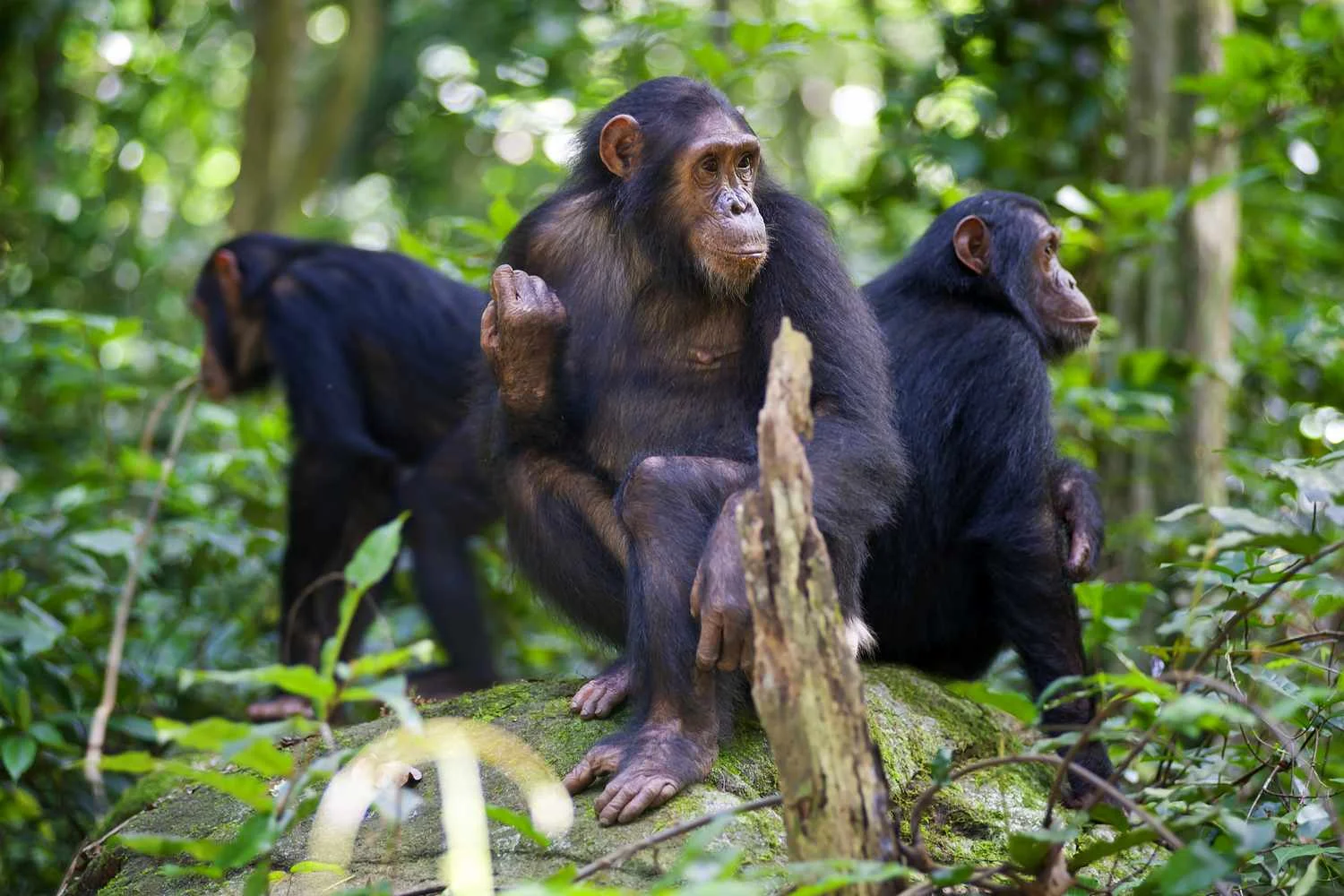
Gombe is a small rainforest park famous for Jane Goodall’s chimpanzee research. Visitors track primates, observe birdlife, and explore the forested hillsides. Walking safaris allow close-up interactions with habituated chimpanzees.
136. Lake Tanganyika Primate Habitats
The lake’s surrounding forests are home to endemic monkeys, baboons, and chimpanzees. Canoe safaris, guided forest walks, and birdwatching provide immersive primate and aquatic wildlife experiences.
137. Lake Victoria Shores
Lake Victoria supports hippos, crocodiles, and numerous fish species. Birdlife includes fish eagles, kingfishers, and herons. Guided boat trips, fishing excursions, and lakeside village visits combine wildlife observation with cultural tourism.
138. Samburu National Reserve
Samburu’s semi-arid landscape hosts Grevy’s zebras, reticulated giraffes, Somali ostriches, and elephants. Guided game drives reveal predators such as lions, leopards, and cheetahs. Cultural visits to Samburu communities enhance the safari experience.
139. Buffalo Springs National Reserve
Buffalo Springs features riverine forests, open savannahs, and seasonal marshes. Elephants, lions, leopards, and gazelles inhabit the park. Walking safaris and hot-air balloon rides provide unique perspectives on wildlife and landscapes.
140. Shaba National Reserve
Shaba is characterized by rocky outcrops, riverine forests, and grasslands. Wildlife includes lions, elephants, leopards, and lesser kudu. Guided safari drives allow photographic safaris in a quiet, scenic environment.
141. Laikipia Plateau
Laikipia Plateau is a private conservancy area home to rhinos, elephants, lions, and wild dogs. Walking safaris, camel treks, and horse safaris provide intimate wildlife encounters. Community-run conservancies allow cultural and conservation education.
142. Aberdare National Park
Aberdares feature highland forests, waterfalls, and moorlands. Elephants, bongo antelopes, leopards, and giant forest hogs inhabit the region. Forest walks and lodge-based game drives offer scenic wildlife observation.
143. Mount Kenya National Park
Mount Kenya’s alpine ecosystem hosts elephants, buffalo, and hyraxes. Trekking routes traverse glaciers, forests, and rivers. Birdwatching and mountaineering complement wildlife observation, making it an adventure-safari hybrid.
144. Lake Naivasha
Lake Naivasha is a freshwater lake surrounded by acacia woodland. Hippos, giraffes, and numerous bird species inhabit the area. Boat safaris, cycling, and flower farm tours offer diverse eco-tourism experiences.
145. Lake Bogoria
Lake Bogoria hosts thousands of flamingos, hippos, and diverse birdlife. Geothermal springs and geysers add dramatic scenery. Walking and driving safaris allow visitors to explore wildlife and geological wonders.
146. Lake Baringo
Lake Baringo is a freshwater lake with hippos, crocodiles, and over 450 bird species. Canoe safaris and cultural village visits provide immersive experiences alongside scenic lake vistas.
147. Murchison Falls National Park
Murchison Falls combines riverine forests, savannah, and the Nile Falls. Elephants, lions, giraffes, and crocodiles thrive. Boat safaris under the falls and game drives create diverse wildlife experiences.
148. Lake Mburo National Park
Lake Mburo features rolling hills, lakes, and savannah. Zebras, impalas, hippos, and crocodiles inhabit the park. Canoe trips, walking safaris, and cultural visits provide intimate wildlife encounters.
149. Semuliki National Park
Semuliki offers tropical forests, hot springs, and riverine ecosystems. Elephants, primates, and forest birds abound. Walking safaris and guided forest treks immerse visitors in Uganda’s rich biodiversity.
150. Rwenzori Mountains
The Rwenzori Mountains feature glaciers, waterfalls, and afro-alpine ecosystems. Leopards, monkeys, and endemic birds inhabit the area. Hiking and wildlife observation provide a combination of adventure and safari experiences.
151. Queen Elizabeth National Park
This iconic Ugandan park spans savannah, wetlands, and crater lakes. The Big Five—lions, elephants, leopards, buffalo, and rhinos—can be spotted alongside hippos in Kazinga Channel. Boat safaris, game drives, and cultural visits to local communities provide immersive wildlife and heritage experiences.
152. Bwindi Impenetrable Forest
Bwindi is home to endangered mountain gorillas. Dense forests, bamboo zones, and diverse birdlife make trekking thrilling. Guided gorilla tracking and birdwatching provide unforgettable close encounters with Uganda’s unique wildlife.
153. Lake Albert Shores
Lake Albert’s shores offer habitats for hippos, crocodiles, and waterbirds. Fishing villages provide cultural insights. Boat excursions allow wildlife viewing and scenic experiences along Uganda’s western frontier.
154. Kidepo Valley National Park
Remote Kidepo is a savannah wonderland with lions, cheetahs, giraffes, and elephants. Its rugged landscapes and dramatic sunsets complement game drives. Cultural visits with local Karamojong communities enhance the safari experience.
155. Sipi Falls
Sipi Falls features three cascading waterfalls amid lush highlands. Hiking, abseiling, and birdwatching offer adventure alongside wildlife observation. Coffee farm tours showcase cultural and agricultural heritage.
156. Lake Bunyonyi
Lake Bunyonyi is a scenic crater lake dotted with islands. Hippos and diverse birdlife inhabit the lake. Canoeing, cultural village visits, and hiking provide tranquil wildlife and leisure experiences.
157. Mgahinga Gorilla National Park
Mgahinga is home to mountain gorillas and golden monkeys. Trekking trails pass through bamboo forests, volcanic slopes, and wetlands. The park’s remote beauty offers immersive wildlife encounters in Uganda’s southwestern highlands.
158. Lake Mutanda
Lake Mutanda offers primate habitats and scenic volcanic views. Guided walks, canoeing, and birdwatching provide peaceful nature experiences alongside gorilla and monkey tracking.
159. Ishasha Sector
Part of Queen Elizabeth National Park, Ishasha is famous for tree-climbing lions. Savannah plains, acacia forests, and papyrus wetlands create rich safari habitats. Game drives reveal elephants, leopards, and buffalo.
160. Lake Kyoga Wetlands
Lake Kyoga’s wetlands support hippos, crocodiles, and waterbirds. Canoe tours and fishing excursions allow immersive wildlife observation. The wetlands are vital for local communities and migratory bird species.
161. Lake George
Lake George’s shores host hippos, crocodiles, and birds. Boat cruises, fishing excursions, and visits to nearby crater lakes allow visitors to combine wildlife viewing with scenic relaxation.
162. Rukungiri Highlands
These highlands offer rolling hills, rivers, and forests. Monkeys, birds, and small mammals inhabit the region. Hiking, cultural village visits, and photography provide immersive nature experiences.
163. Semliki Wildlife Reserve
Semliki features tropical forests, savannahs, and hot springs. Elephants, buffalo, primates, and rare bird species abound. Walking safaris and guided forest hikes provide intimate encounters with Uganda’s biodiversity.
164. Lake Edward Safari Area
This area combines riverine forests, wetlands, and savannah. Hippos, crocodiles, elephants, and antelopes inhabit the region. Boat safaris and guided walking tours allow close observation of aquatic and terrestrial wildlife.
165. Rwenzori Mountains National Park
Famous for glaciers, rivers, and afro-alpine ecosystems, the Rwenzori Mountains host leopards, monkeys, and endemic birds. Trekking, wildlife observation, and birdwatching provide adventure and eco-tourism in Uganda’s highlands.
166. Lake Edward Crater Zone
The crater zone is volcanic and fertile, hosting hippos, crocodiles, and diverse birdlife. Boat tours, fishing, and crater hikes offer scenic and wildlife-rich experiences.
167. Arua Wetlands
Arua’s wetlands support hippos, crocodiles, and hundreds of bird species. Canoeing, birdwatching, and walking safaris immerse visitors in Uganda’s aquatic ecosystems.
168. Ziwa Rhino Sanctuary
Ziwa protects reintroduced white rhinos. Visitors track rhinos on guided walks, alongside giraffes, zebras, and antelopes. Conservation tours and educational programs complement safari experiences.
169. Lutembe Bay
Lutembe Bay is a Ramsar wetland famous for flamingos, pelicans, and migratory waterbirds. Walking trails and birdwatching towers allow detailed observation of waterfowl and scenic lake views.
170. Mpanga Forest Reserve
Mpanga is a tropical rainforest hosting monkeys, duikers, and endemic birds. Guided forest walks and primate tracking provide immersive wildlife encounters in a compact, biodiverse reserve.
171. Budongo Forest
Budongo is a moist rainforest home to chimpanzees, monkeys, and elephants. Guided treks reveal forest trails, waterfalls, and biodiversity hotspots. Birdwatching and primate tracking are major highlights.
172. Bugoma Forest Reserve
Bugoma protects chimpanzees, primates, and endemic birds. Walking safaris and forest treks offer close wildlife encounters and educational opportunities about forest conservation.
173. Kalinzu Forest Reserve
Kalinzu is a prime chimpanzee trekking site with dense tropical forests. Guided walks, canopy observation, and birdwatching provide immersive primate and wildlife experiences.
174. Imatong Mountains
The Imatong range features forests, grasslands, and rivers. Elephants, leopards, and endemic birds inhabit the area. Trekking and guided wildlife tours provide off-the-beaten-path safari experiences.
175. Boma Hills
Boma Hills’ savannahs and woodlands host elephants, lions, and antelopes. Walking and vehicle safaris reveal migratory patterns and seasonal wildlife concentrations in a remote wilderness.
176. Kafia Kingi Reserve
Kafia Kingi is a wetland-savannah mosaic supporting elephants, lions, and antelopes. Remote guided safaris and seasonal wildlife tracking allow immersive wildlife experiences.
177. Badingilo National Park
Savannah plains, riverine forests, and rolling hills host elephants, giraffes, and lions. Game drives and birdwatching provide remote safari adventures.
178. Imatong Forests
These highland forests shelter monkeys, birds, and small mammals. Guided trekking and nature walks allow visitors to explore pristine ecosystems.
179. Central Kalahari Game Reserve
Kalahari deserts and grasslands host lions, cheetahs, wild dogs, and gemsbok. Vehicle and walking safaris allow immersive desert wildlife experiences. Seasonal pans attract migratory birds and zebras.
180. Okavango Delta
This iconic delta features waterways, islands, and floodplains. Elephants, hippos, crocodiles, lions, and lechwe thrive. Mokoro (dugout canoe) safaris, guided walks, and photographic excursions are highlights.
181. Chobe National Park
Chobe hosts Africa’s largest elephant population. Savannahs, riverfronts, and floodplains provide habitats for lions, hippos, crocodiles, and antelopes. Boat cruises and game drives allow rich wildlife observation.
182. Makgadikgadi Pans
Vast salt pans host migratory zebras, springboks, and flamingos. Desert-adapted wildlife thrives. Seasonal rains transform the pans into wetland havens for birds, creating dramatic safari photography opportunities.
183. Nxai Pan National Park
Nxai Pan’s open grasslands attract elephants, lions, and gemsbok. Baobab trees and seasonal pans create iconic safari scenery. Game drives and walking safaris allow wildlife immersion.
184. Moremi Game Reserve
Moremi protects floodplains, savannah, and forests. Lions, wild dogs, elephants, hippos, and lechwe thrive. Mokoro safaris, vehicle game drives, and birdwatching provide iconic Okavango Delta experiences.
185. Ghanzi Pan
This semi-arid area is home to desert-adapted wildlife, including oryx, meerkats, and ostriches. Walking safaris and interaction with San bushmen communities provide cultural and wildlife experiences.
186. Tuli Block
Tuli Block’s rocky hills, rivers, and savannahs host elephants, leopards, and giraffes. Game drives, walking safaris, and photographic expeditions provide remote, immersive experiences.
187. Hwange National Park
Hwange hosts large herds of elephants, lions, buffalo, and wild dogs. Savannahs, woodlands, and pans provide diverse safari habitats. Game drives, walking safaris, and seasonal waterhole visits offer immersive wildlife experiences.
188. Matobo Hills
Matobo features granite kopjes, caves, and woodlands. Leopards, hyenas, and rhinos inhabit the hills. Rock art, hiking, and game drives combine wildlife observation with cultural exploration.
189. Mana Pools National Park
Mana Pools along the Zambezi River hosts elephants, hippos, crocodiles, lions, and leopards. Canoe safaris, walking safaris, and photographic tours allow close wildlife encounters in a scenic floodplain setting.
190. Gonarezhou National Park
Gonarezhou’s rugged landscapes, rivers, and baobab forests shelter elephants, lions, buffalo, and antelopes. Remote safari drives and walking safaris offer solitude and pristine wildlife experiences.
191. Lake Kariba
Lake Kariba is a massive reservoir with hippos, crocodiles, and birdlife. Houseboat safaris, fishing, and wildlife observation along shorelines offer a unique aquatic safari experience.
192. Victoria Falls National Park
Home to the iconic falls, the park hosts elephants, buffalo, lions, and hippos. Scenic viewpoints, helicopter flights, and river safaris combine adventure with wildlife observation.
193. Lower Zambezi National Park
The park features floodplains, riverine forests, and savannahs. Elephants, lions, leopards, hippos, and crocodiles inhabit the park. Canoe safaris, walking safaris, and photographic drives provide immersive wildlife experiences.
194. South Luangwa National Park
South Luangwa is known for walking safaris and predator-rich savannahs. Lions, leopards, elephants, and hippos thrive. Seasonal floods create rich photographic and wildlife-viewing opportunities.
195. North Luangwa National Park
Remote and less-visited, North Luangwa hosts wild dogs, lions, leopards, and elephants. Walking and vehicle safaris provide undisturbed wildlife observation and birdwatching.
196. Kafue National Park
Kafue is vast, featuring plains, woodlands, and wetlands. Lions, cheetahs, elephants, and buffalo roam freely. Game drives and river safaris offer varied wildlife experiences across the park’s ecosystems.
197. Sioma Ngwezi National Park
Sioma Ngwezi’s savannahs and riverine habitats host elephants, antelopes, and lions. Remote safari drives allow intimate encounters with wildlife in one of Zambia’s least-visited parks.
198. Liuwa Plain National Park
Famous for wildebeest migration, Liuwa Plain’s grasslands host lions, hyenas, and wild dogs. Guided game drives and walking safaris provide off-the-beaten-path wildlife encounters.
199. Bangweulu Wetlands
Bangweulu features swamps, lakes, and floodplains. Shoebill storks, elephants, and crocodiles inhabit the wetlands. Canoe safaris, birdwatching, and fishing village tours offer unique aquatic wildlife experiences.
200. Lochinvar National Park
Lochinvar combines floodplains, lakes, and woodlands. Elephants, antelopes, crocodiles, and diverse birdlife thrive. Walking safaris and guided drives provide immersive wildlife experiences in a tranquil, remote environment.