What Has Changed in Tour and Travel of East Africa
East Africa has always been one of the most fascinating travel regions in the world. Known for its breathtaking wildlife safaris, diverse cultures, dramatic landscapes, and unique ecosystems, the region continues to evolve as global tourism trends change. Countries such as Kenya, Tanzania, Uganda, Rwanda, and Burundi have been adapting their tourism industries to meet the expectations of modern travelers.
In the past decade—and especially between 2023 and 2026—the tour and travel sector in East Africa has undergone significant transformation. Governments, tour operators, conservation organizations, and local communities have all played roles in shaping a new tourism landscape. These changes have made East Africa more accessible, more sustainable, and more appealing to visitors from around the world.
Today’s travelers expect more than just a traditional safari. They want immersive cultural experiences, sustainable travel options, digital convenience, and flexible itineraries. East Africa has responded to these demands by modernizing its tourism infrastructure while still protecting the wild beauty that makes the region special.
East Africa Is Being Promoted as One Destination
One of the most important changes in East African tourism is the effort to promote the region as a unified destination rather than separate countries competing with each other. Regional cooperation has increased through initiatives led by the East African Community.
Tourism boards across the region are now encouraging travelers to explore multiple countries in one journey. Instead of visiting only one destination, visitors are inspired to move across borders and experience the variety that East Africa offers. A traveler may begin a wildlife safari in Maasai Mara National Reserve in Kenya and continue into Serengeti National Park in Tanzania to witness the famous migration of wildebeest and zebras. The journey may then proceed to Bwindi Impenetrable National Park in Uganda for the unforgettable experience of gorilla trekking before ending with a relaxing stay along the beautiful shores of Zanzibar.
This regional tourism approach has encouraged travelers to stay longer in East Africa while experiencing different landscapes, cultures, and wildlife ecosystems.
Easier Visa and Border Movement
Travel between East African countries has become much easier compared to the past. Governments within the region have recognized the importance of tourism cooperation and have taken steps to simplify immigration procedures. One of the most significant developments has been the introduction of the East African Tourist Visa.
This visa allows travelers to visit multiple countries within the region using a single travel document, eliminating the need for several separate visa applications. As a result, planning a multi-country safari has become more convenient and efficient.
Airports and border crossings have also adopted digital systems that allow visitors to apply for visas and travel permits online before arrival. These improvements reduce waiting time and help create a smoother travel experience for international tourists entering East Africa.
Improved Infrastructure and Accessibility
Infrastructure improvements have had a major impact on tourism growth in East Africa. Governments have invested heavily in modernizing airports, expanding road networks, and improving transportation links between major tourism destinations.
These developments have made it easier for travelers to reach remote wildlife areas that were once considered difficult to access. In the past, visiting parks such as Kidepo Valley National Park in Uganda or Ruaha National Park in Tanzania required long and challenging journeys. Today, improved roads and regional flights have made these parks more accessible to safari travelers.
Improved infrastructure has also enhanced the overall comfort of travel within the region. Tourists can now move between destinations more efficiently, allowing them to experience more attractions within a single trip.
Digital Technology and Modern Safari Planning
Technology has dramatically transformed how people plan and experience safaris in East Africa. In the past, arranging a safari required long communication with travel agents and manual paperwork for permits and bookings. Today, digital systems allow travelers to organize their trips much more easily.
Many national parks and tourism authorities now offer online platforms where visitors can secure permits and reserve safari experiences. Travelers interested in gorilla trekking can now obtain permits for visits to Volcanoes National Park in Rwanda or Mgahinga Gorilla National Park in Uganda through digital booking systems.
Tour companies have also adopted online reservation tools that allow travelers to choose safari packages, accommodations, and transportation services with greater convenience. These technological developments have made East Africa’s tourism industry more efficient and accessible.
Sustainable Tourism and Environmental Responsibility
Another major transformation within East Africa’s tourism sector is the strong focus on sustainability. Travelers today are increasingly aware of the environmental impact of tourism and are seeking travel experiences that protect wildlife and natural ecosystems.
Safari lodges and tour operators have responded by implementing eco-friendly practices. Many safari camps located within protected areas such as Queen Elizabeth National Park and Amboseli National Park operate using renewable energy and environmentally responsible construction methods.
Sustainable tourism initiatives also support wildlife conservation programs and community development projects. Tourism revenue helps fund conservation work that protects endangered species and maintains the delicate balance of East Africa’s ecosystems.
Cultural Tourism Is Becoming More Important
While wildlife safaris remain the primary attraction for visitors, cultural tourism has become an increasingly important part of travel experiences in East Africa. Many travelers now want to learn about the traditions, lifestyles, and histories of the communities that live near national parks and conservation areas.
Visitors often participate in cultural encounters with groups such as the Maasai people of Kenya and Tanzania or the Batwa people who historically lived in the forests of Uganda. These cultural interactions allow travelers to experience traditional dances, storytelling, and local customs that have been preserved for generations.
Cultural tourism also helps support community livelihoods by creating employment opportunities and encouraging the preservation of cultural heritage.
Expansion of Primate Tourism
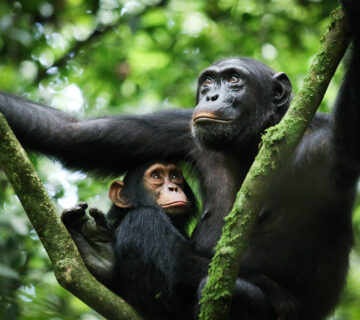
Primate tourism has become one of the most important and rapidly growing sectors of East African tourism. Encounters with mountain gorillas and chimpanzees have become some of the most sought-after wildlife experiences in the world.
The dense forests of Bwindi Impenetrable National Park in Uganda and Volcanoes National Park in Rwanda are among the few places on Earth where visitors can observe mountain gorillas in their natural habitat. Similarly, Kibale National Park in Uganda is famous for its thriving chimpanzee population.
Strict regulations limit the number of visitors who can participate in these treks each day, ensuring that the primates remain protected from stress and disease while maintaining the exclusivity of the experience.
Growth of Luxury Safari Experiences
Luxury tourism has also expanded significantly throughout East Africa. High-end safari lodges, exclusive conservancies, and private wildlife reserves now cater to travelers seeking premium travel experiences.
Destinations such as Ngorongoro Crater and Serengeti National Park have become synonymous with luxury safari travel. Visitors can enjoy personalized game drives, elegant tented camps, and fine dining experiences while surrounded by Africa’s wilderness landscapes.
Luxury tourism has contributed significantly to conservation funding and has helped create employment opportunities in rural areas near national parks.
The Influence of Social Media on Tourism
The global visibility of East Africa has grown dramatically due to the influence of social media and digital storytelling. Wildlife photographs, travel documentaries, and online safari experiences have introduced millions of people to the natural beauty of the region.
Images of lions roaming the plains of Serengeti National Park or elephants walking beneath Mount Kilimanjaro in Amboseli National Park have become iconic representations of African wilderness.
Social media has played a powerful role in inspiring travelers from around the world to visit East Africa and experience these landscapes for themselves.
Stronger Wildlife Conservation Efforts
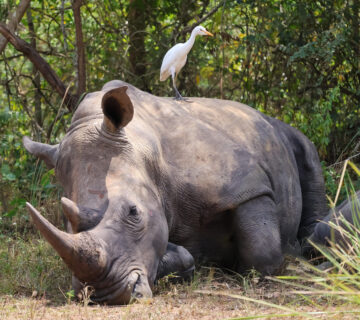
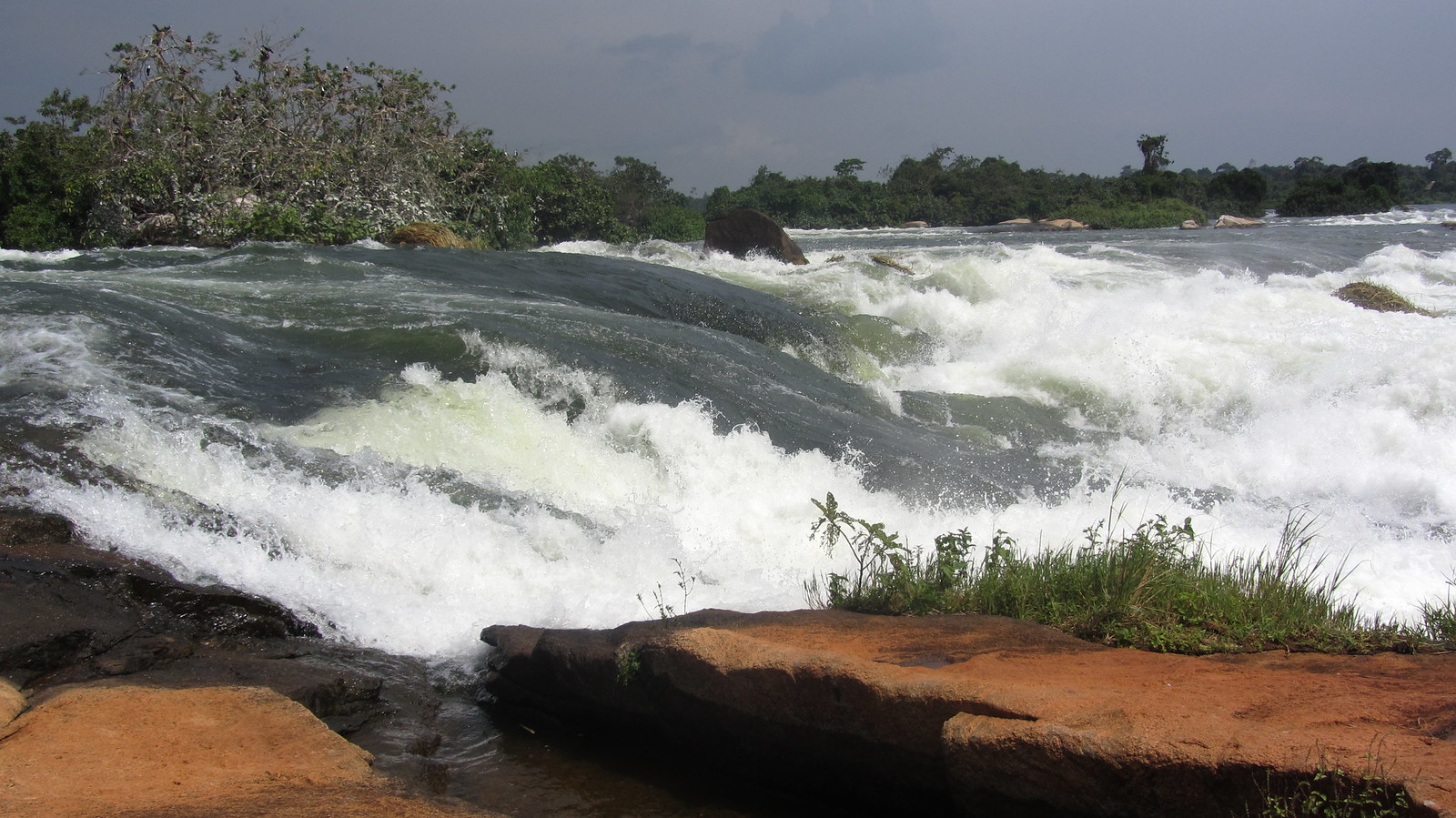
Conservation efforts have become closely linked with tourism development throughout East Africa. Governments, conservation organizations, and local communities now work together to protect wildlife populations and natural habitats.Protected areas such as Murchison Falls National Park and Lake Nakuru National Park serve as important examples of how tourism revenue supports wildlife protection. Anti-poaching patrols, habitat restoration projects, and scientific research programs are funded in part by visitors who travel to see these remarkable landscapes.The success of conservation tourism has helped ensure that iconic species such as elephants, lions, rhinos, and gorillas continue to survive in their natural environments.Tour and travel in East Africa has changed dramatically in recent years. Regional cooperation, improved infrastructure, technological advancements, sustainable tourism practices, and cultural engagement have all contributed to shaping a modern tourism industry.From the mist-covered forests of Bwindi Impenetrable National Park to the vast savannahs of Serengeti National Park, East Africa continues to offer some of the most extraordinary travel experiences in the world.As tourism continues to grow and evolve, the region remains committed to protecting its wildlife, preserving its cultures, and welcoming travelers who seek adventure, discovery, and connection with nature. East Africa’s future in tourism is not only promising but also deeply rooted in sustainability and conservation, ensuring that its natural wonders can be enjoyed for generations to come.