Rwanda vs Uganda Gorilla Permit Price: Full Cost Comparison 2025
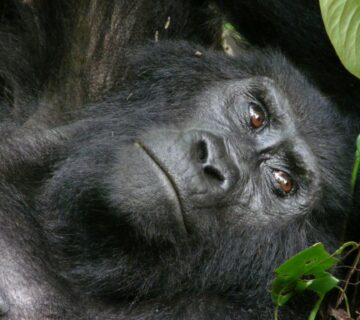
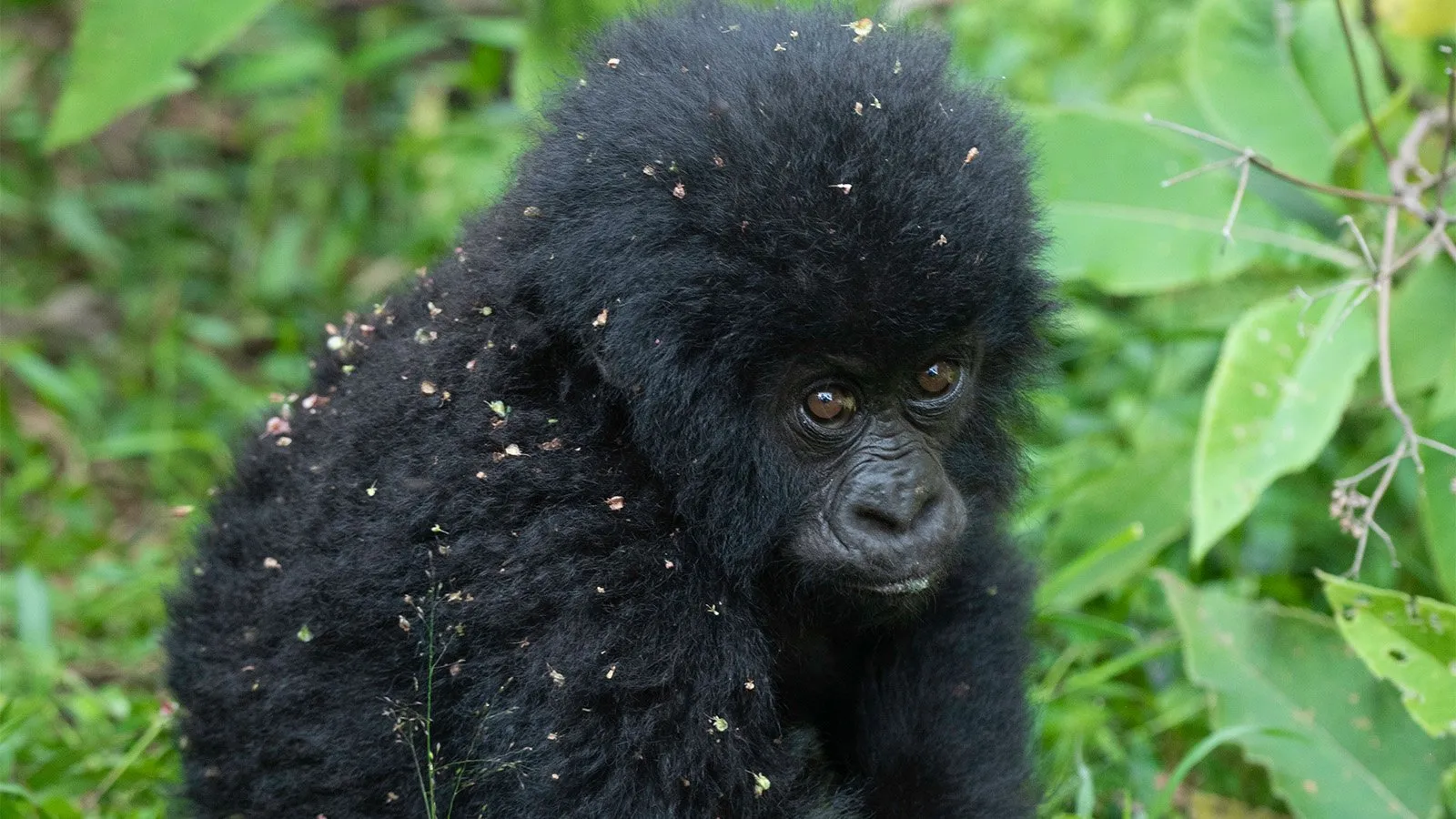
Gorilla trekking stands among Africa’s most extraordinary wildlife experiences, offering a rare and intimate encounter with endangered mountain gorillas in their natural habitat. Hidden within the misty forests of Volcanoes National Park and the dense jungles of Bwindi Impenetrable National Park, these remarkable primates draw travelers from across the globe. Yet before the journey begins, one major question shapes every itinerary: should you trek in Rwanda or Uganda, and how much does it really cost?
Understanding Gorilla Permit Pricing
A gorilla permit is more than just an entry ticket. It is a carefully regulated pass that grants you one guided trek and a strictly limited one-hour encounter with a habituated gorilla family. This controlled access protects the gorillas while ensuring a meaningful and sustainable tourism experience.
The cost of the permit reflects conservation efforts, ranger salaries, park maintenance, and community support programs. It is not simply a tourism fee—it is a direct contribution to the survival of one of the world’s most endangered species.
Rwanda Gorilla Permit Cost in 2025
Rwanda has positioned itself as a high-end gorilla trekking destination, and its pricing reflects a premium tourism model. As of 2025, a gorilla permit in Rwanda costs $1,500 per person for foreign non-residents.
This fee includes park entry, professional ranger guides, and the unforgettable hour spent observing gorillas in their natural environment. Rwanda’s approach emphasizes exclusivity, limiting the number of visitors while maintaining a high-quality, well-managed experience.
One of Rwanda’s biggest advantages is accessibility. From Kigali, travelers can reach Volcanoes National Park in just a few hours. This convenience allows for even a single-day trek, something that is rarely possible in other gorilla destinations.
Uganda Gorilla Permit Cost in 2025
Uganda offers a more affordable gateway to the same extraordinary experience. Gorilla permits in Uganda are priced at $800 per person for foreign non-residents, making it significantly cheaper than Rwanda.
Treks take place primarily in Bwindi Impenetrable National Park, a UNESCO-listed rainforest known for its biodiversity and rugged terrain. Uganda also offers a unique gorilla habituation experience, where visitors can spend up to four hours with gorillas, providing a deeper and more immersive encounter.
While Uganda’s permits are less expensive, reaching the trekking regions often requires longer travel times, either by road or domestic flights.
Comparing the Price Difference
The contrast between Rwanda and Uganda is striking. Rwanda’s $1,500 permit is nearly double Uganda’s $800 fee. For a single traveler, this is already a substantial difference. For couples or families, the gap quickly becomes significant.
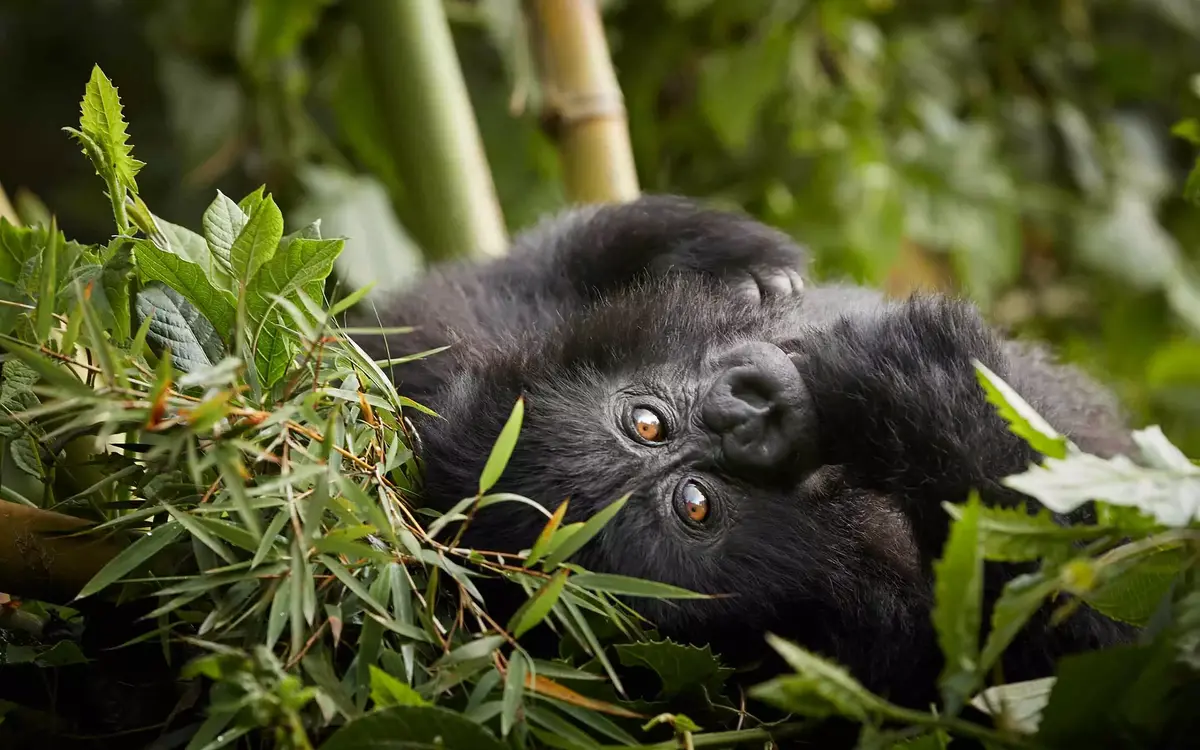
However, the price difference does not mean a difference in the core experience. In both countries, visitors spend one hour with a gorilla family, guided by experienced rangers and following strict conservation protocols. The magic of the encounter remains the same.
Why Rwanda Costs More
Rwanda’s higher pricing is part of a deliberate strategy. The country focuses on luxury tourism, attracting fewer visitors while offering a more exclusive and seamless experience.
The infrastructure is highly developed, the roads are excellent, and the proximity of the park to Kigali reduces travel fatigue. For many travelers, especially those on tight schedules, this convenience is worth the extra cost.
Rwanda also invests heavily in conservation and community development, ensuring that tourism directly benefits both wildlife and local populations.
Why Uganda Is More Affordable
Uganda takes a different approach, offering a more accessible price point that appeals to a broader range of travelers. The lower permit cost allows more people to experience gorilla trekking without compromising the quality of the encounter itself.
Uganda’s parks are larger and more remote, which contributes to the lower pricing but also adds a sense of adventure. Trekking in Bwindi often feels wilder and less polished, appealing to those who enjoy a more rugged, off-the-beaten-path experience.
The True Cost Beyond Permits
While permit prices are a major factor, they are only part of the overall cost. Accommodation, transport, and additional activities can significantly influence your total budget.
Rwanda tends to have more luxury lodges, which can increase overall expenses. Uganda, on the other hand, offers a wider range of accommodation options, from budget to mid-range, making it easier to tailor your trip to your budget.
Transport costs also vary. Rwanda’s shorter distances can reduce travel expenses, while Uganda’s longer routes may require additional time and money.
Experience vs Value
Choosing between Rwanda and Uganda ultimately comes down to what you value most in your travel experience.
Rwanda offers convenience, comfort, and a polished, high-end safari experience. It is ideal for travelers who want efficiency and are willing to pay a premium for it.
Uganda offers affordability, adventure, and a deeper sense of exploration. It is perfect for those who want to stretch their budget while still enjoying one of the world’s most remarkable wildlife encounters.
Which Destination Is Right for You?
If you are short on time, prefer luxury travel, and want a seamless journey, Rwanda is an excellent choice. The ability to trek gorillas within a day from Kigali is unmatched.
If you are budget-conscious, enjoy longer journeys, and want to combine gorilla trekking with other wildlife experiences, Uganda provides exceptional value. The savings on permits alone can allow you to extend your safari or include additional destinations.
Final Thoughts
The choice between Rwanda and Uganda is not about which destination is better—it is about which one suits your travel style. Both offer the same breathtaking moment: standing just meters away from a mountain gorilla, observing its behavior, and feeling a profound connection to the natural world.
Whether you choose the luxury and convenience of Rwanda or the affordability and adventure of Uganda, the experience itself remains equally powerful. The cost may differ, but the memory of that hour in the forest is beyond price.
In the end, gorilla trekking is not just a safari activity—it is a deeply moving encounter that reminds us of our connection to the wild. And no matter where you choose to experience it, it will leave a lasting impression long after your journey ends.