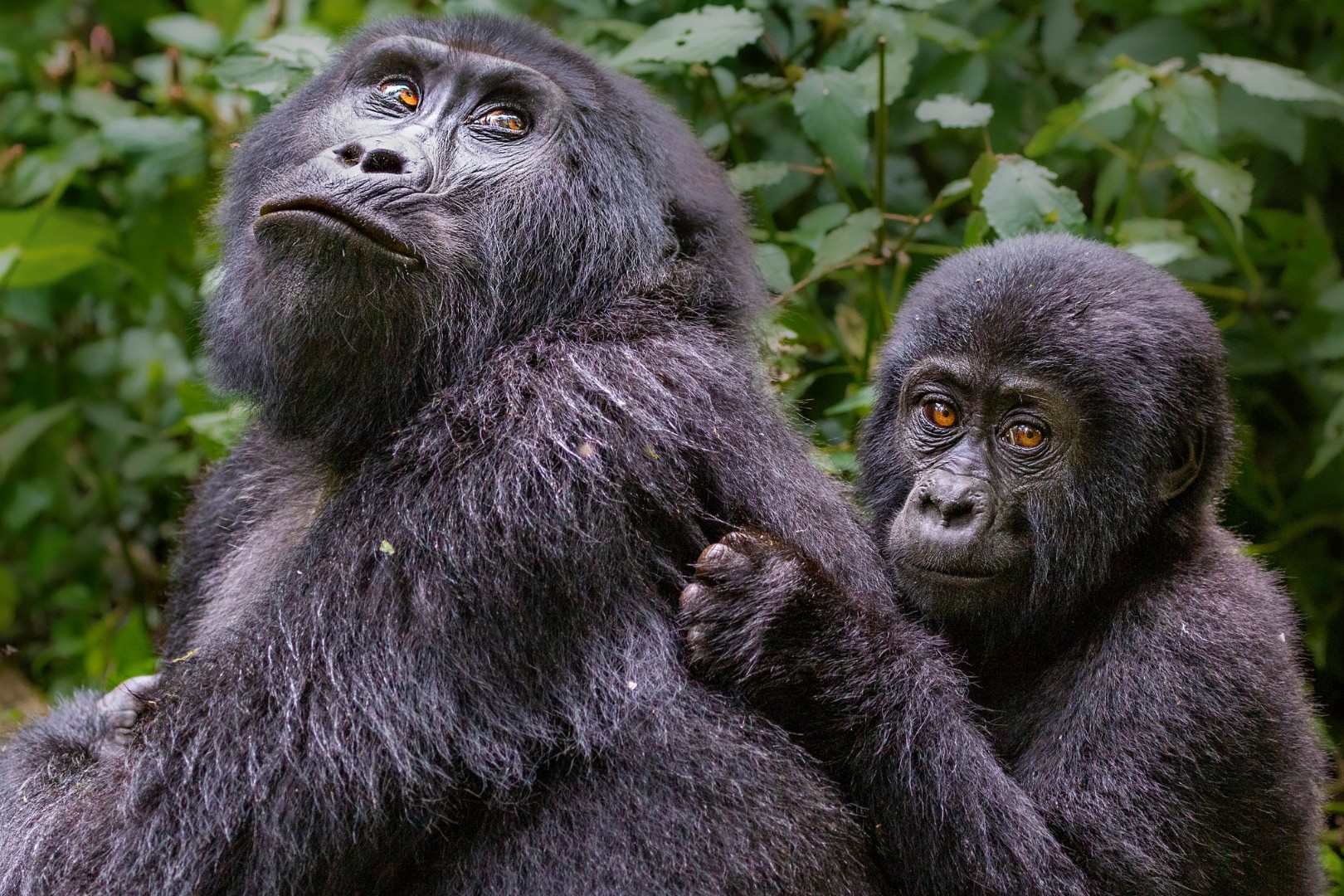
Rushaga Sector Bwindi: Best for Large Gorilla Families & Habituation
Rushaga Sector in Bwindi Impenetrable National Park is widely celebrated as the most dynamic and wildlife-rich area in the park, particularly for those seeking encounters with large habituated gorilla families. Located in southern Bwindi, Rushaga has become a hub for both gorilla tourism and conservation programs, offering visitors an unparalleled opportunity to observe mountain gorillas in dense, misty forests and rolling slopes. Unlike the northern Buhoma sector, which is more frequented by first-time trekkers, Rushaga is distinguished by its combination of highly concentrated gorilla families, varied terrain, and immersive forest experiences, making it the go-to destination for visitors eager to witness gorilla behavior in an authentic, relatively less crowded environment.
The sector’s forests are home to approximately ten to twelve fully habituated gorilla families, including some of the largest groups in Bwindi. Each family has its own social hierarchy, personality traits, and trekking considerations. These families vary from long-established groups like the Nshongi Gorilla Family to newer splinter groups that have recently completed habituation programs. Rushaga is also a center for ongoing habituation work, where gorilla groups gradually acclimate to human presence, allowing conservationists to monitor them closely. This makes the sector not just a tourist destination, but a living laboratory of gorilla conservation, social dynamics, and wildlife behavior.
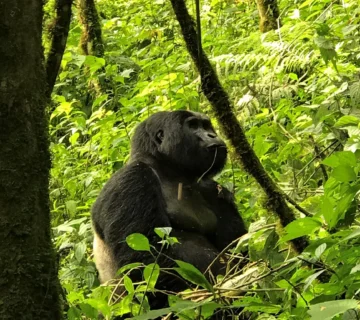
Visitors to Rushaga are offered trekking experiences ranging from moderate walks to more challenging forest hikes. The sector’s unique combination of large family sizes, diverse behaviors, and rich vegetation creates a visually and emotionally engaging experience for trekkers. Observing gorillas here provides insight into their complex social structures, communication, and natural behaviors, including foraging, play, grooming, and protective strategies led by dominant silverbacks.
Gorilla Families of Rushaga
Rushaga Sector is renowned for hosting some of the largest gorilla families in Bwindi, each with unique characteristics that make them popular among visitors. These families are habituated, meaning they are accustomed to human presence and can be safely observed in their natural environment for up to one hour during each trek. Understanding the composition, dynamics, and personalities of these families enriches the trekking experience and allows visitors to appreciate the diversity within mountain gorilla communities.
Nshongi Gorilla Family
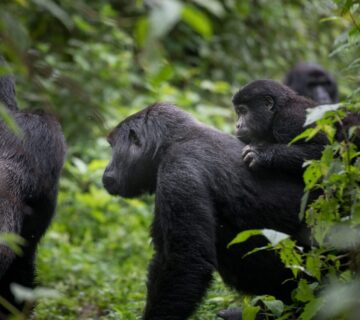
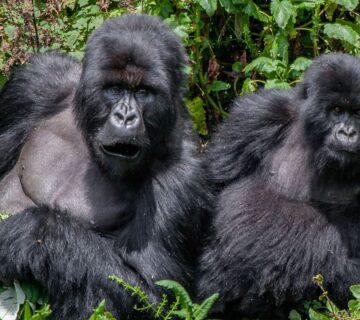
The Nshongi Gorilla Family is one of the oldest and most recognized groups in Rushaga. With over 30 members, this family is particularly notable for its active juveniles, multiple adult males, and cohesive social dynamics. The dominant silverback exhibits strong leadership while allowing the younger males and females space to interact and explore. Trekkers often find the Nshongi family highly photogenic due to the frequent movement of juveniles, playful interactions, and the presence of multiple silverbacks guarding the group.
Nshongi is a family that has been observed for decades, and its longevity in the sector has made it a focal point for both research and tourism. The family tends to inhabit the mid-elevation slopes of Rushaga, moving through bamboo thickets and dense forest patches. Trekking to Nshongi typically involves moderate slopes, river crossings, and occasional ascents along ridgelines, providing a sense of adventure while remaining accessible to most trekkers.
Mishaya Gorilla Family
The Mishaya Gorilla Family originated as a splinter from Nshongi and has grown into a large, independent group. Known for its bold and confident silverback, Mishaya displays dynamic social behavior, with frequent interaction among juveniles and adult females. Visitors are often drawn to the family’s playful yet disciplined structure, where the dominant male maintains order while allowing younger gorillas to explore and engage with each other.
Trekking to Mishaya is slightly more demanding than Nshongi due to the family’s movement patterns and preference for denser forest areas. Guides emphasize cautious tracking to ensure both the safety of visitors and the minimal disturbance of the gorillas. Mishaya is particularly rewarding for photographers due to the mixture of open patches and shaded forest areas, creating natural lighting conditions ideal for capturing intimate moments of gorilla life.
Kahungye Gorilla Family
The Kahungye Gorilla Family is another prominent group in Rushaga, known for its large size and well-established hierarchy. The dominant silverback is highly protective but approachable, allowing trekkers to observe grooming, feeding, and social interactions up close. Kahungye’s home range is slightly higher on the slopes, providing trekkers with scenic views of the surrounding forest valleys during their approach.
This family is particularly significant because it has contributed to several splinter groups in the past, showcasing the natural fission process in gorilla social structures. Observing Kahungye provides insight into how gorilla families manage resources, interact socially, and maintain cohesion in a complex forest ecosystem. Trekkers often spend an hour with this family, which is enough to witness a wide range of behaviors, from resting and feeding to playful chasing among juveniles.
Bweza Gorilla Family
The Bweza Gorilla Family originated as a subgroup from Nshongi and demonstrates a smaller but tightly-knit community. The family’s silverback is assertive, often leading foraging expeditions and ensuring safety for the younger members. Bweza’s family composition allows trekkers to observe close interactions and subtle behaviors that might be overlooked in larger groups.
This group is ideal for visitors who want an intimate gorilla experience, as the smaller size means less movement during observation, making it easier to focus on individual behaviors. The trails leading to Bweza often traverse mixed forest terrain, including bamboo patches and steep ridges, providing both scenic beauty and mild trekking challenges.
Busingye Gorilla Family
The Busingye Gorilla Family is notable for its energetic juveniles and cooperative adult females. This group split from Kahungye several years ago and has since grown steadily. The silverback is experienced and often leads protective patrols, while the family exhibits strong cohesion, allowing researchers and trekkers to observe natural social hierarchies in action.
Trekking to Busingye can involve steep inclines, making it a slightly more strenuous but rewarding experience. Visitors often remark on the family’s lively interactions, especially during early morning sightings when juveniles are most playful. Photographers benefit from the variety of light filtering through the forest canopy, creating ideal conditions for capturing dynamic behaviors.
Bikyingi Gorilla Family
The Bikyingi Gorilla Family is one of Rushaga’s newer habituated groups, composed of individuals from multiple splintered families. Despite its recent formation, Bikyingi has established a clear hierarchy and is generally cooperative during sightings. The family is smaller than Nshongi or Mishaya, which allows for more detailed observation of individual gorillas and social interactions.
Treks to Bikyingi often involve navigating dense forest areas and higher elevation slopes, providing a rewarding physical challenge while offering visitors the chance to experience quieter, less frequented trails. This family is particularly appealing for wildlife enthusiasts interested in observing the early stages of a habituated group’s development.
Rwigi Gorilla Family
The Rwigi Gorilla Family has grown steadily over the years and is known for its calm demeanor and structured social interactions. The silverback maintains order effectively, and the group’s movement patterns are relatively predictable, making them accessible for trekkers. Rwigi’s members are often photographed engaging in feeding and grooming behaviors, which are key for understanding gorilla social bonds.
Trekking to Rwigi offers a moderate challenge, with trails weaving through mixed forest and occasional bamboo clearings. Visitors are encouraged to move quietly and observe from a distance before the gorillas allow closer proximity, ensuring a respectful and immersive experience.
Mucunguzi Gorilla Family
The Mucunguzi Gorilla Family is a newer family formed from dispersals of larger groups. The silverback is attentive and protective, creating a strong sense of security among adult females and juveniles. Mucunguzi provides visitors with a unique opportunity to observe gorilla families that are still in the process of establishing long-term social hierarchies, making their behavior particularly interesting from a research perspective.
Trekking in Mucunguzi’s range involves navigating moderately steep terrain and dense forest, giving visitors a sense of adventure and immersion in Bwindi’s rich ecosystem. The family is increasingly popular among trekkers due to the combination of approachable members and relatively undisturbed forest areas.
Habituation Programs in Rushaga
Rushaga is a center for gorilla habituation programs, which involve gradually introducing wild gorilla families to human presence under careful observation. These programs are essential for conservation, allowing rangers and researchers to monitor health, reproductive patterns, and social behaviors while minimizing human impact. Habituation in Rushaga follows strict protocols: families are observed from a distance initially, then gradually approached over months or years until the gorillas are comfortable with one-hour visits by trekking groups.
Visitors participating in habituation experiences in Rushaga gain rare insights into how gorilla groups adjust to human observers, including changes in movement patterns, vigilance, and interactions among family members. These experiences are highly educational and contribute directly to conservation awareness, funding, and the protection of these endangered primates.
Trekking Experience
Trekking in Rushaga is both physically engaging and emotionally rewarding. Trails range from gentle forest paths to steep, ridge-line ascents that challenge even experienced hikers. Along the way, trekkers encounter diverse flora and fauna, including bamboo thickets, towering hardwoods, bird species endemic to the Albertine Rift, and smaller mammals like duikers and monkeys. Guides provide detailed briefings on gorilla behavior, ecology, and park rules to ensure a safe and enriching experience.
Each trek is carefully timed to maximize encounters, with gorilla families tracked in advance to ensure minimal waiting time. The hour spent with gorillas is typically spent observing feeding, resting, grooming, playing, and moving behaviors. Guides ensure visitors maintain the recommended distance, emphasizing hygiene and safety protocols to protect both gorillas and humans. The combination of physical trekking, educational guidance, and up-close observation makes Rushaga one of the most complete wildlife experiences in Uganda.
Best Time to Visit Rushaga
The optimal periods for gorilla trekking in Rushaga are during the dry seasons, from June to September and December to February, when trails are less muddy and gorilla movements are easier to track. During these months, visibility is higher, and the forest canopy allows better light for photography. Trekking during the wet seasons is still possible, and some visitors prefer it for the lush greenery, quieter trails, and fewer tourists, though rain can make trails slippery and more physically demanding.
Weather conditions also influence gorilla behavior. Dry periods often result in gorillas spending more time in open forest patches, making observation easier, while rainy periods can see increased movement through dense bamboo areas. Visitors should prepare with appropriate footwear, rain gear, and layered clothing for the variable conditions in Rushaga’s forested hills.
Accommodation Near Rushaga
Rushaga Sector offers a variety of lodges, camps, and guesthouses catering to different budgets and preferences. Options range from luxury lodges with full amenities to eco-friendly campsites that provide an intimate connection with the forest environment. Staying near the trekking starting points allows early morning departures and reduces travel time through forest roads. Many lodges offer guided nature walks, bird watching, and cultural experiences with nearby Batwa communities, enriching the overall visit to the sector.
Photography and Wildlife Observation
Rushaga is a photographer’s paradise, particularly for wildlife and nature photography. The combination of large gorilla families, active juveniles, and dynamic silverbacks creates opportunities to capture both action shots and intimate moments. Photographers are advised to use telephoto lenses for closer shots without disturbing the gorillas, and to take advantage of the diffused forest light during early mornings. In addition to gorillas, the sector hosts an array of birds, butterflies, and small mammals, allowing for a diverse portfolio of wildlife images.
Guides often assist in positioning trekkers for safe observation while highlighting interesting behaviors such as grooming, play, or feeding. Patience is key, as gorillas move constantly, but the reward is a set of unique, once-in-a-lifetime images and experiences.
Cultural Context and Local Communities
Rushaga is surrounded by communities that are closely involved in gorilla conservation efforts. Many local people work as guides, trackers, lodge staff, or in conservation programs. Visitors have opportunities to engage with Batwa communities, learning about their history, traditional forest knowledge, and role in protecting Bwindi’s ecosystems. Community visits often include demonstrations of traditional music, storytelling, and crafts, adding a cultural dimension to the ecological experience.
Revenue from gorilla trekking and associated tourism is vital for these communities, funding education, healthcare, and conservation initiatives. By visiting Rushaga, tourists contribute directly to both gorilla protection and the well-being of surrounding human populations.
Conservation and Sustainable Tourism
Rushaga Sector exemplifies the integration of tourism with conservation. Strict limits on gorilla permits, careful monitoring of habituated families, and adherence to ecological guidelines ensure that gorillas remain protected while allowing sustainable human interaction. Conservation initiatives also focus on habitat protection, anti-poaching measures, and monitoring of gorilla health through regular veterinary check-ups.
Visitors play a role in conservation by following park rules, supporting local lodges and community programs, and respecting the forest environment. Each trekking permit contributes to these efforts, funding ongoing research and ensuring the long-term survival of Bwindi’s mountain gorillas.
Rushaga Sector in Bwindi Impenetrable National Park is unparalleled for experiencing large habituated gorilla families in their natural habitat. From the iconic Nshongi and Mishaya families to the diverse splinter groups like Bweza, Busingye, Bikyingi, Rwigi, and Mucunguzi, trekkers can witness a range of social behaviors, family dynamics, and ecological interactions. The sector offers challenging and scenic treks, rich photographic opportunities, cultural immersion, and direct involvement in conservation efforts.
Whether visiting during dry or wet seasons, Rushaga provides an unforgettable encounter with mountain gorillas, combining adventure, education, and ethical wildlife tourism. For travelers seeking the ultimate gorilla trekking experience, observing large families in a thriving forest ecosystem, Rushaga Sector is the definitive destination, representing both the success of Uganda’s conservation programs and the enduring allure of these extraordinary primates.