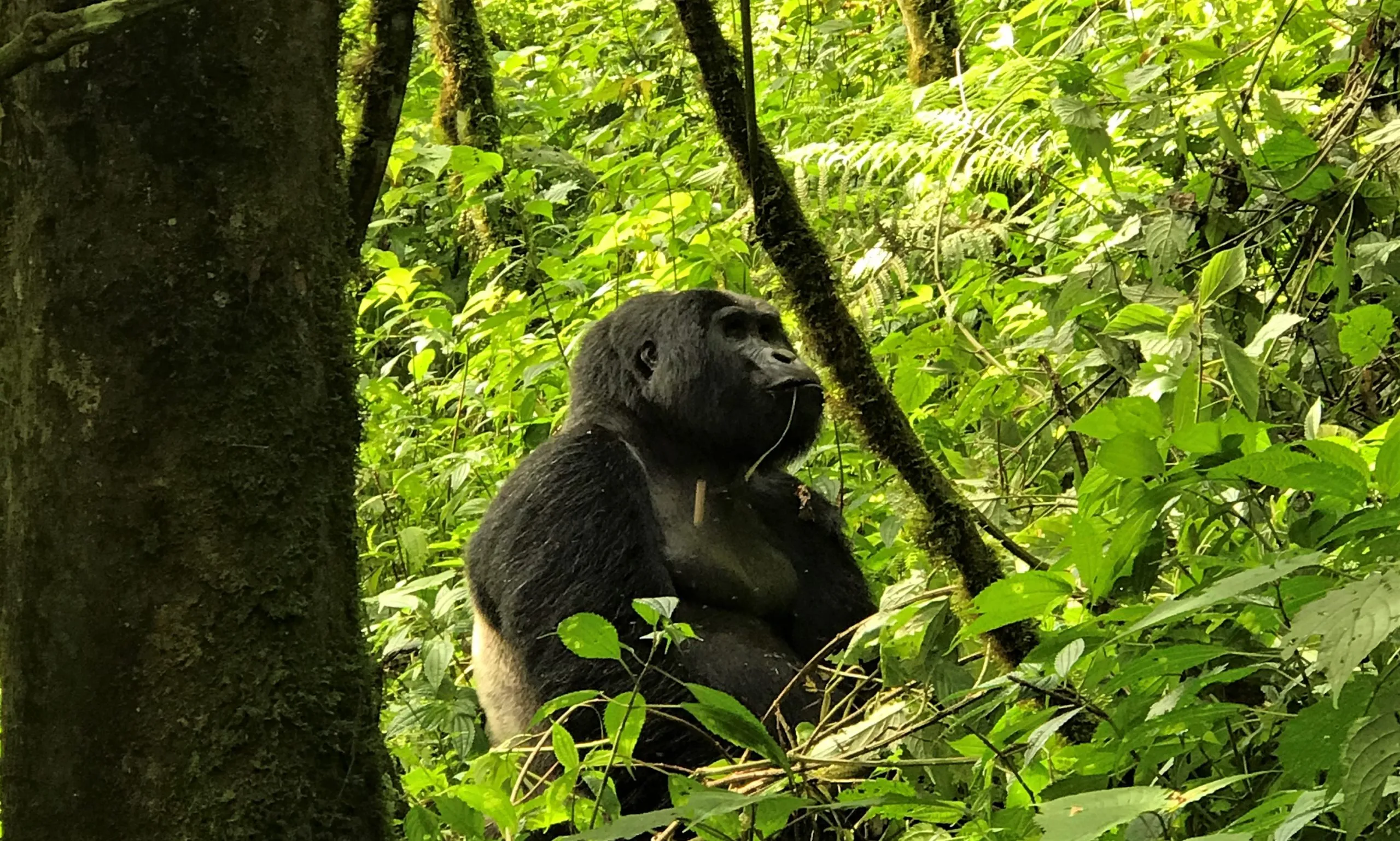
Ruhija Sector Bwindi: Remote High-Altitude Treks & What to Expect
Ruhija Sector in Bwindi Impenetrable National Park is celebrated for its remote, high-altitude trekking trails and unique opportunities to observe habituated mountain gorilla families in pristine forest landscapes. Located in the eastern part of Bwindi, Ruhija sits at higher elevations than the northern Buhoma sector, offering misty ridges, dense bamboo thickets, and panoramic views of valleys and peaks. This sector is ideal for visitors seeking a combination of adventure, solitude, and immersive wildlife experiences, as it sees fewer tourists than Buhoma or Rushaga.
Ruhija is home to several habituated gorilla families, including the Bitukura, Oruzogo, Kyaguriro, and Mukiza families. These groups vary in size, behavior, and social structure, providing trekkers with opportunities to witness natural gorilla interactions such as play, grooming, foraging, and protective behaviors by dominant silverbacks. The higher altitude and rugged terrain mean that treks in Ruhija are physically challenging, requiring stamina and proper preparation. However, the rewards include intimate wildlife encounters, dramatic scenery, and a profound sense of connection with Uganda’s montane forests.
The sector is also significant for its role in gorilla conservation and habituation programs, where new groups are gradually acclimated to human presence. Visitors to Ruhija contribute directly to these initiatives, supporting both wildlife protection and local community development. Trekking here is a balance of adventure, education, and conservation engagement.
Gorilla Families in Ruhija
Ruhija hosts several habituated gorilla families, each offering unique trekking experiences based on group size, social behavior, and habitat location.
Bitukura Gorilla Family
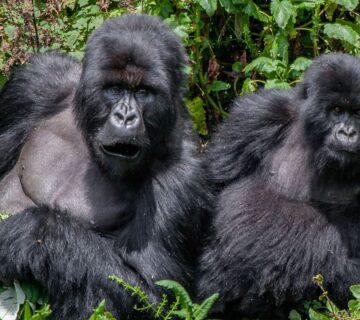
The Bitukura Gorilla Family is one of the largest and most stable groups in Ruhija. Known for its peaceful social dynamics, Bitukura has a calm dominant silverback who maintains cohesion while allowing juveniles and adult females to interact freely. Visitors trekking to Bitukura are treated to a family that moves predictably through mid-forest and bamboo areas, providing opportunities to observe feeding, resting, and social play.
Bitukura’s size and approachable nature make it suitable for both first-time trekkers and experienced wildlife enthusiasts. The family’s habitat spans high-altitude slopes and ridges, allowing trekkers to enjoy both wildlife observation and scenic forest landscapes during the trek.
Oruzogo Gorilla Family
The Oruzogo Gorilla Family is highly active, with playful juveniles and dynamic social interactions. This group is often noted for its curiosity and engagement during sightings, which creates a memorable experience for visitors. Oruzogo’s dominant silverback is attentive and protective, ensuring that all family members remain safe while foraging or interacting.
Trekking to Oruzogo involves navigating steeper forested areas and bamboo patches, rewarding trekkers with immersive encounters in relatively undisturbed habitats. The family’s energy and social cohesion make it a favorite among wildlife photographers and researchers seeking natural behavioral observations.
Kyaguriro Gorilla Family
The Kyaguriro Gorilla Family, sometimes split into Kyaguriro A and Kyaguriro B due to past family fissions, is another highlight of Ruhija. This family demonstrates complex social hierarchies and multiple generations interacting under the watchful eye of dominant silverbacks. Kyaguriro’s members often inhabit remote forest sections, meaning treks involve longer hikes and higher altitudes, but the privacy and natural beauty make the effort worthwhile.
Visitors can witness unique social behaviors such as mating strategies, juvenile play, and feeding patterns that reflect adaptation to high-altitude habitats. The family’s location on ridgelines and slopes also provides excellent vantage points for observing the surrounding montane landscape.
Mukiza Gorilla Family
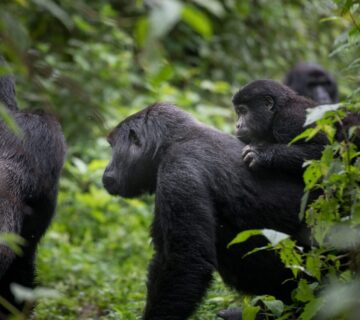
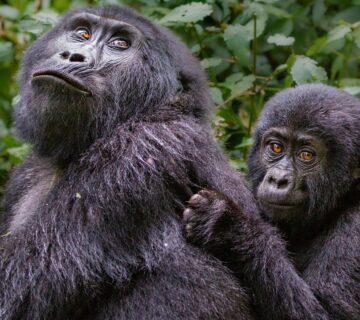
The Mukiza Gorilla Family is smaller than Bitukura or Oruzogo but equally engaging. This group is still in the process of forming stable social structures, offering visitors insight into the natural dynamics of family formation and hierarchy establishment. Mukiza’s members are highly approachable once habituated, allowing trekkers to observe intimate behaviors such as grooming and nurturing of infants.
The trek to Mukiza involves dense forest trails with moderate to steep inclines, providing a challenging yet rewarding experience. Photographers and nature enthusiasts find Mukiza particularly appealing due to the combination of smaller family size, unobstructed observation opportunities, and scenic forest settings.
Trekking in Ruhija
Trekking in Ruhija requires moderate to high physical fitness due to steep slopes, high altitude, and dense vegetation. Trails wind through bamboo forests, thick undergrowth, and occasionally open patches with panoramic views. Trekkers are accompanied by experienced guides and trackers who monitor gorilla movements, ensure safety, and provide educational insights into gorilla behavior and forest ecology.
Each trek begins with a briefing on gorilla etiquette, including maintaining distance, minimizing noise, and following health protocols to prevent disease transmission. Visitors typically hike for two to six hours, depending on the location of the gorilla family, before spending one hour observing the group. The physical challenge of the trek is offset by the unparalleled experience of encountering mountain gorillas in their natural habitat.
Ruhija’s trails also offer opportunities to observe other wildlife, including forest monkeys, duikers, and an array of endemic bird species. The sector’s high-altitude location contributes to cooler temperatures and frequent mist, creating an enchanting, almost otherworldly forest atmosphere that complements the wildlife experience.
Best Time to Visit Ruhija
The optimal trekking periods in Ruhija are during the dry seasons, from June to September and December to February, when trails are less slippery and gorilla movements are easier to predict. Dry conditions improve accessibility, reduce the difficulty of hiking, and allow for better photographic opportunities.
The wet seasons, although more challenging due to mud and slippery slopes, provide lush forest scenery, vibrant flora, and fewer visitors on the trails. Rainy periods also offer unique opportunities to observe gorilla behavior in a forest ecosystem at its most verdant and dynamic. Visitors during these months should prepare with sturdy, waterproof footwear, layered clothing, and trekking poles for safety and comfort.
Photography and Wildlife Observation
Ruhija is particularly rewarding for photographers due to its dramatic forest lighting, high-altitude scenery, and active gorilla families. Early morning treks often provide misty conditions that create atmospheric photographs, while the interplay of light and shadow in bamboo forests adds depth and texture to images. Telephoto lenses are recommended for capturing close-up behaviors without disturbing the gorillas.
In addition to gorillas, photographers and wildlife enthusiasts can capture images of endemic birds, butterflies, and small mammals, enhancing the overall visual and educational experience of the trek. Guides assist in positioning trekkers safely and respectfully, ensuring the opportunity to capture both intimate and wide-angle shots of the forest environment and its inhabitants.
Accommodation and Local Communities
Ruhija offers a range of lodging options, from eco-lodges perched on hillsides to rustic guesthouses closer to trekking starting points. Staying near the sector reduces travel time and allows for early morning departures, maximizing the chances of gorilla encounters. Many lodges incorporate cultural experiences, including visits to local Batwa communities, where visitors can learn about traditional forest knowledge, music, and crafts.
Local communities play an essential role in the conservation and tourism framework. Revenue from gorilla trekking permits supports education, healthcare, and conservation projects, ensuring a sustainable relationship between tourism, wildlife protection, and community development. Visitors engaging with local communities gain a deeper understanding of the socio-ecological landscape surrounding Bwindi.
Conservation and Sustainable Tourism
Ruhija Sector exemplifies sustainable wildlife tourism. Strict limits on gorilla permits ensure minimal disturbance to habituated families, while ongoing monitoring by rangers safeguards gorilla health and wellbeing. Conservation efforts focus on habitat preservation, anti-poaching patrols, and community engagement to maintain ecological balance.
Tourists contribute directly to these initiatives through permit purchases, guided trekking fees, and support of local lodges and community programs. Observing gorillas responsibly, maintaining hygiene, and following park regulations are integral to preserving the integrity of the forest and the safety of the gorillas.
What to Expect During a Ruhija Trek
Visitors trekking in Ruhija should anticipate challenging terrain, longer hiking times, and remote forest conditions. Treks typically involve walking through steep ridges, dense bamboo, and high-altitude forest patches. The physical effort is compensated by the rare opportunity to witness gorilla families in serene and less crowded settings.
During the one-hour observation period, trekkers can expect to see gorillas feeding, resting, playing, and interacting socially. Dominant silverbacks exhibit protective behavior, juveniles engage in playful chases, and adult females groom or care for infants. Each family demonstrates unique traits, and the diversity of behaviors provides rich insight into gorilla social ecology.
Visitors should also be prepared for changing weather conditions, including mist, occasional rain, and fluctuating temperatures. Trekking poles, water, snacks, and layered clothing are recommended. Guides ensure safety, provide interpretive commentary, and facilitate a respectful and meaningful wildlife encounter.
Conclusion
Ruhija Sector in Bwindi Impenetrable National Park offers one of the most authentic and rewarding gorilla trekking experiences in Uganda. Its high-altitude terrain, remote location, and array of habituated families provide an immersive journey into the lives of mountain gorillas. From large, stable families like Bitukura to smaller, dynamic groups such as Mukiza and Kyaguriro, trekkers have the opportunity to witness complex social behaviors, explore pristine forest landscapes, and support critical conservation initiatives.
Whether seeking adventure, photography opportunities, or educational experiences, Ruhija delivers a combination of physical challenge, natural beauty, and ethical wildlife observation. For travelers aiming to experience remote high-altitude treks, less crowded trails, and intimate gorilla encounters, Ruhija Sector stands out as a premier destination in Bwindi Impenetrable National Park, offering memories and insights that will last a lifetime.