Nyerere National Park Tanzania: Former Selous & Its Boat Safari Secrets
In the vast wilderness of southern Tanzania lies one of Africa’s most underrated safari destinations—Nyerere National Park. Once part of the legendary Selous Game Reserve, this immense protected area offers a raw, untamed safari experience far removed from the busier northern circuit.
What sets Nyerere apart is not just its scale, but its diversity. Here, the rhythm of the wild is dictated by winding rivers, hidden lagoons, and endless plains. And unlike most safari destinations, Nyerere invites you to explore not only by vehicle, but also by boat—unlocking a completely different perspective of African wildlife.
From Selous to Nyerere: A Conservation Legacy
For decades, the Selous Game Reserve was one of the largest protected areas in Africa, known for its remote landscapes and abundant wildlife. In 2019, a significant portion of the reserve was re-designated as Nyerere National Park, named after Julius Nyerere, the founding father of Tanzania.
This transformation aimed to strengthen conservation efforts while promoting sustainable tourism. Today, Nyerere stands as a symbol of Tanzania’s commitment to preserving its natural heritage while offering visitors a more exclusive and less crowded safari experience.
A Landscape Defined by Water
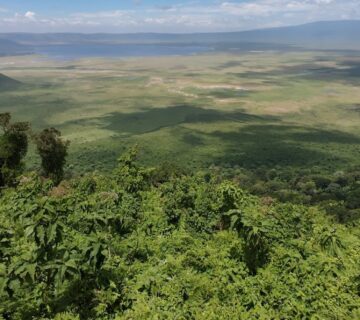
Unlike the savannah-dominated parks of northern Tanzania, Nyerere is shaped by water. The mighty Rufiji River flows through the park, branching into a network of channels, lakes, and swamps that sustain an incredible diversity of life.
These waterways create lush habitats that attract wildlife year-round. Palm-fringed lagoons, sandbanks, and floodplains form a dynamic ecosystem where animals gather to drink, hunt, and cool off under the African sun.
The presence of permanent water makes Nyerere especially rich in birdlife and aquatic species, adding another layer to the safari experience.
The Magic of Boat Safaris
One of the defining features of Nyerere National Park is the opportunity to explore by boat. While game drives remain a core activity, boat safaris offer something truly unique—a chance to experience wildlife from water level.
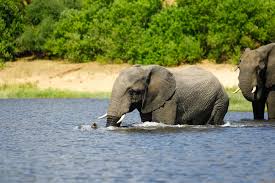
Gliding along the Rufiji River at sunrise or sunset, you enter a quieter world where the sounds of engines fade and nature takes center stage. Hippos grunt and splash in the water, crocodiles bask on the banks, and elephants wade into the river to drink.
From a boat, you can get remarkably close to animals without disturbing them. Herds of buffalo gather at the shoreline, giraffes bend awkwardly to drink, and birds dart across the water in flashes of color.
This perspective transforms the safari experience. Instead of observing from a distance, you become part of the landscape, moving with the rhythm of the river.
Wildlife Encounters in Nyerere
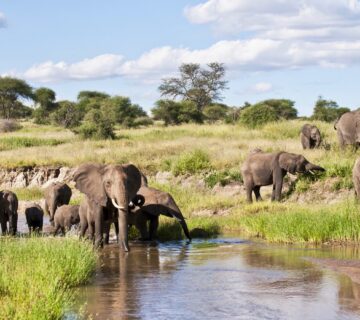
Nyerere is home to an impressive array of wildlife, including many of Africa’s iconic species. Large populations of elephants roam the park, often seen near water sources during the dry season. Lions and leopards patrol the plains, while spotted hyenas add to the predator mix.
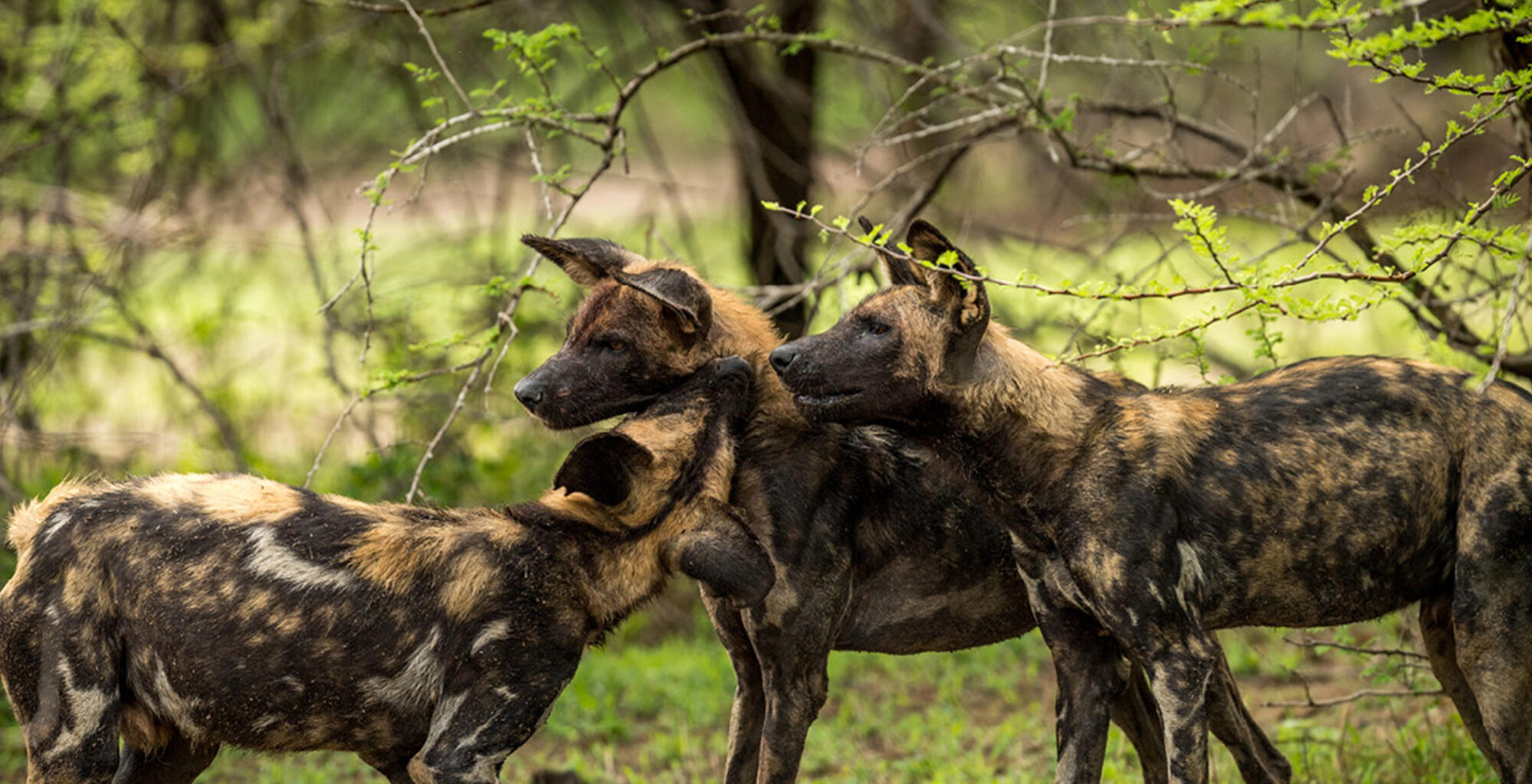
The park is also one of the last strongholds of the endangered African wild dog, offering rare opportunities to see these highly social and elusive predators.
Along the riverbanks, hippos and crocodiles dominate, creating dramatic scenes that unfold throughout the day. Meanwhile, the surrounding woodlands and grasslands support zebras, giraffes, and a variety of antelope species.
Birdlife is exceptional, with hundreds of species recorded. Fish eagles call from treetops, kingfishers hover above the water, and herons stalk the shallows. For bird enthusiasts, Nyerere is a true paradise.
A Remote and Exclusive Experience
One of the greatest appeals of Nyerere is its sense of isolation. Unlike more famous parks such as the Serengeti, visitor numbers here remain relatively low.
This means fewer vehicles, quieter sightings, and a deeper connection to the wilderness. It is not uncommon to spend hours exploring without encountering another vehicle, allowing for a more personal and immersive safari.
For travelers seeking authenticity and solitude, Nyerere offers an experience that feels both intimate and expansive.
Best Time to Visit
The dry season, from June to October, is the best time to visit Nyerere National Park. During this period, wildlife gathers around the Rufiji River and other water sources, making sightings more predictable.
Vegetation is thinner, improving visibility, and the weather is generally more comfortable for game drives and boat safaris.
The wet season, from November to May, brings lush greenery and dramatic skies. While some areas may become inaccessible due to flooding, this is an excellent time for birdwatching and photography.
Safari Activities Beyond the Ordinary
In addition to game drives and boat safaris, Nyerere offers walking safaris—an activity that adds a thrilling dimension to your visit. Accompanied by experienced guides, you can explore the bush on foot, learning about tracks, plants, and smaller creatures often overlooked from a vehicle.
These guided walks provide a deeper understanding of the ecosystem and a heightened sense of connection to the environment.
Where to Stay
Accommodation in Nyerere ranges from luxury lodges overlooking the river to intimate tented camps set deep within the wilderness. Many camps are designed to blend seamlessly with their surroundings, offering comfort while maintaining a strong connection to nature.
Staying near the Rufiji River enhances the experience, allowing you to enjoy wildlife sightings directly from your lodge.
Getting There
Nyerere National Park is accessible by both road and air. Most travelers choose to fly from Dar es Salaam, with light aircraft landing at airstrips within the park.
For those seeking adventure, road transfers offer a scenic journey through rural Tanzania, though they require more time.
Final Thoughts
Nyerere National Park is a destination that rewards those willing to venture beyond the well-trodden safari routes. Its vast landscapes, rich wildlife, and unique boat safaris create an experience that is both diverse and deeply immersive.
Here, the river is not just a feature—it is the lifeblood of the park, shaping every encounter and every moment. From silent лодочные journeys past basking crocodiles to dramatic predator sightings on open plains, Nyerere offers a safari that feels fresh, authentic, and unforgettable.
For travelers seeking something different—something quieter, wilder, and more intimate—Nyerere National Park stands as one of Tanzania’s best-kept secrets, waiting to be explored.