Ngorongoro Crater Complete Inside Guide: Wildlife Density, Fees & Tips
Few places in Africa rival the sheer concentration of wildlife found within the legendary Ngorongoro Crater. Often described as a natural amphitheater of life, this विशाल volcanic caldera offers one of the most reliable safari experiences on the continent. From dense predator populations to breathtaking landscapes, Ngorongoro is not just a destination—it is a complete ecosystem contained within ancient walls.
This guide takes you deep inside the crater, exploring its wildlife density, entry fees, and essential tips to help you plan a truly unforgettable safari.
Understanding the Ngorongoro Crater
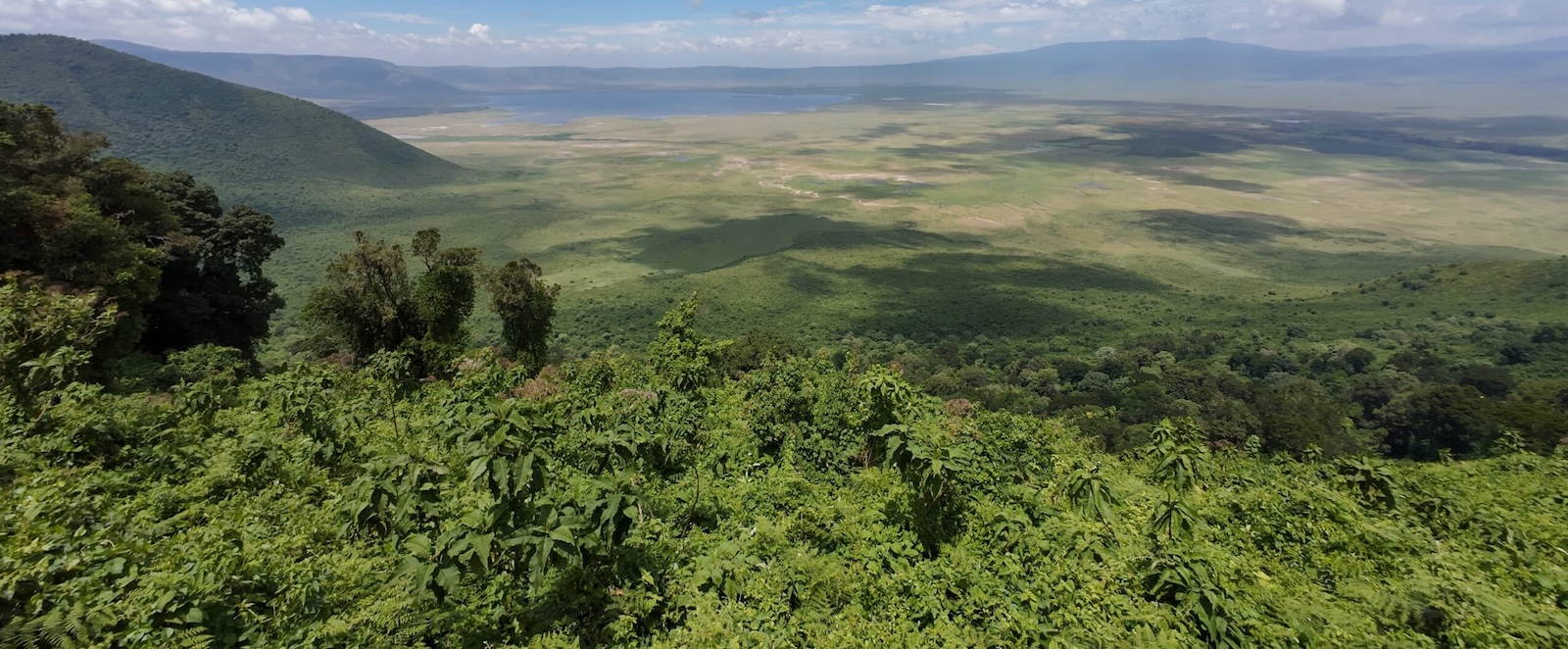
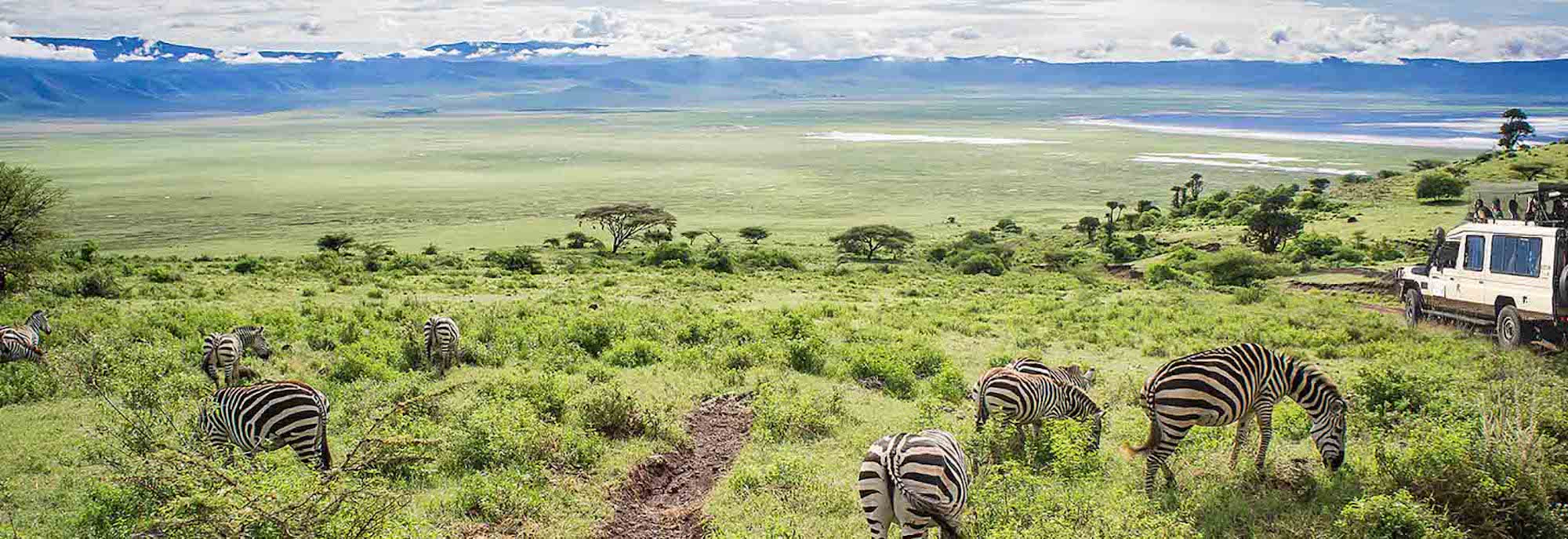
Formed millions of years ago when a massive volcano collapsed inward, the Ngorongoro Crater is the world’s largest intact volcanic caldera. Its steep walls rise dramatically from the crater floor, enclosing a diverse landscape of grasslands, swamps, forests, and a central soda lake.
This natural enclosure creates a unique environment where wildlife remains largely resident year-round. Unlike migratory ecosystems such as the Serengeti, Ngorongoro offers consistent game viewing regardless of season.
Wildlife Density: Why Ngorongoro Is So Special
The crater is home to an extraordinary concentration of animals, often referred to as one of the highest wildlife densities in Africa. Within its relatively small area, you can encounter an astonishing variety of species in a single game drive.
Large herbivores dominate the landscape, including zebras, wildebeest, buffalo, and gazelles. These animals are supported by permanent water sources, which allow them to remain within the crater throughout the year.
Predators thrive in this environment. Lions are particularly abundant, often seen resting in the open plains or stalking prey. Hyenas are equally common, and their interactions with lions provide fascinating insight into predator dynamics. Leopards are more elusive, usually found in forested areas along the crater rim.
Ngorongoro is also one of the best places in Tanzania to see the endangered black rhino. Though sightings are never guaranteed, the crater offers one of the highest chances of encountering this rare species in East Africa.
Flamingos gather along the shores of Lake Magadi, adding a splash of pink to the crater floor, while hippos wallow in freshwater pools. The diversity and accessibility of wildlife make Ngorongoro a dream destination for photographers and first-time safari travelers alike.
The Unique Ecosystem Inside the Crater
What makes Ngorongoro truly remarkable is the balance of its ecosystem. The crater floor contains multiple habitats, each supporting different species.
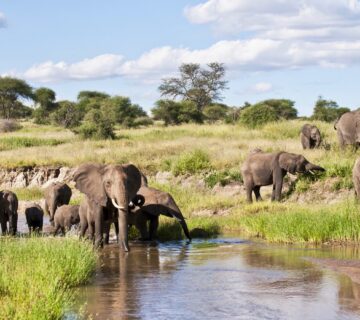
Open grasslands provide grazing for herbivores, while swamps offer refuge during dry periods. Forested areas along the crater walls shelter elephants and leopards. The soda lake attracts birds and seasonal wildlife, creating a constantly shifting landscape of activity.
Because animals rarely leave the crater, predator-prey interactions are intense and ongoing. This closed system allows visitors to witness behaviors that might be harder to observe in more expansive parks.
Ngorongoro Crater Fees (2025)
Visiting Ngorongoro comes with specific fees that contribute to conservation and management of the area.
As of 2025, the main costs include:
- Ngorongoro Conservation Area entry fee: approximately $70 per adult per day
- Crater service fee (vehicle descent): around $295 per vehicle
- Additional vehicle and guide fees may apply depending on your tour operator
These fees are separate from accommodation and safari package costs. While they may seem high, they reflect the effort required to maintain this unique ecosystem and regulate visitor impact.
Best Time to Visit
Ngorongoro Crater can be visited year-round, thanks to its resident wildlife. However, certain seasons offer different experiences.
The dry season, from June to October, is considered ideal for game viewing, as animals gather around water sources and vegetation is less dense.
The wet season, from November to May, transforms the crater into a lush green paradise. While rain can make roads challenging, the scenery is spectacular, and birdlife is at its peak.
Unlike the Great Migration in the Serengeti, Ngorongoro does not depend on seasonal movement, making it a reliable destination at any time of year.
Tips for Visiting Ngorongoro Crater
Planning a visit to Ngorongoro requires some preparation to make the most of your experience.
Arriving early in the morning is essential. The descent into the crater at sunrise not only offers stunning views but also increases your chances of seeing predators in action.
Choosing the right vehicle is equally important. A 4×4 safari vehicle with a pop-up roof provides the best visibility and comfort for game drives.
Because the crater can become crowded, especially during peak season, working with an experienced guide helps you navigate less congested areas and maximize wildlife sightings.
Packing appropriately is key. Temperatures on the crater rim can be cool, especially in the early morning, while the crater floor warms up during the day. Layered clothing ensures comfort throughout your safari.
Where to Stay
Accommodation options around Ngorongoro range from luxury lodges perched on the crater rim to more affordable camps within the conservation area. Staying on the rim offers breathtaking views and quick access to the crater floor, while lodges in nearby Karatu provide more budget-friendly alternatives.
Luxury lodges often include all-inclusive packages, combining comfort with proximity to one of Africa’s most iconic landscapes.
Ngorongoro vs Serengeti: Which Is Better?
Comparing Ngorongoro to the Serengeti is a common dilemma for travelers. While both are exceptional, they offer different experiences.
Ngorongoro excels in wildlife density and ease of sightings. It is ideal for shorter safaris or travelers who want guaranteed encounters within a limited timeframe.
The Serengeti, on the other hand, offers vast open landscapes and the dynamic movement of the Great Migration. It provides a sense of scale and wilderness that contrasts with Ngorongoro’s contained ecosystem.
For most travelers, combining both destinations creates the ultimate Tanzanian safari experience.
Final Thoughts
The Ngorongoro Crater is more than just a safari destination—it is a natural wonder that showcases the richness and diversity of African wildlife in a single, breathtaking setting. Its high wildlife density, unique ecosystem, and dramatic landscapes make it one of the most rewarding places to visit in Tanzania.
While the fees may be higher than other parks, the experience delivers exceptional value. Few places in the world offer such consistent and varied wildlife viewing within such a compact area.
Whether you are a first-time safari traveler or a seasoned explorer, Ngorongoro promises an unforgettable journey into the heart of Africa’s natural beauty. It is a place where every moment feels alive, where every turn reveals something extraordinary, and where the wild remains beautifully, powerfully intact.