How to Plan a Primate Safari in Uganda and Rwanda
Uganda and Rwanda are two of the world’s premier destinations for primate tourism, offering travelers the extraordinary opportunity to see mountain gorillas, chimpanzees, and other fascinating primates in their natural habitats. These countries have invested heavily in conservation and tourism infrastructure, ensuring that primate trekking is both safe and sustainable. Planning a primate safari, however, requires careful preparation, including choosing the right parks, understanding permit requirements, assessing your physical fitness, and combining the experience with other wildlife or cultural activities.
Why These Countries Lead in Primate Tourism
Decades of sustained conservation investment, strict daily permit limits, and well-trained ranger teams have made Uganda and Rwanda the global benchmark for responsible primate tourism, a reputation that continues to draw travelers specifically seeking an ethical, well-regulated wildlife encounter. This groundwork is precisely what makes careful trip planning so worthwhile, ensuring your visit fits smoothly into a system built around genuine conservation success.
Choosing Your Primate Destinations
The first step in planning a safari is deciding which primates you want to see. Uganda and Rwanda are home to several species, but mountain gorillas and chimpanzees are the most sought-after.
Mountain Gorillas
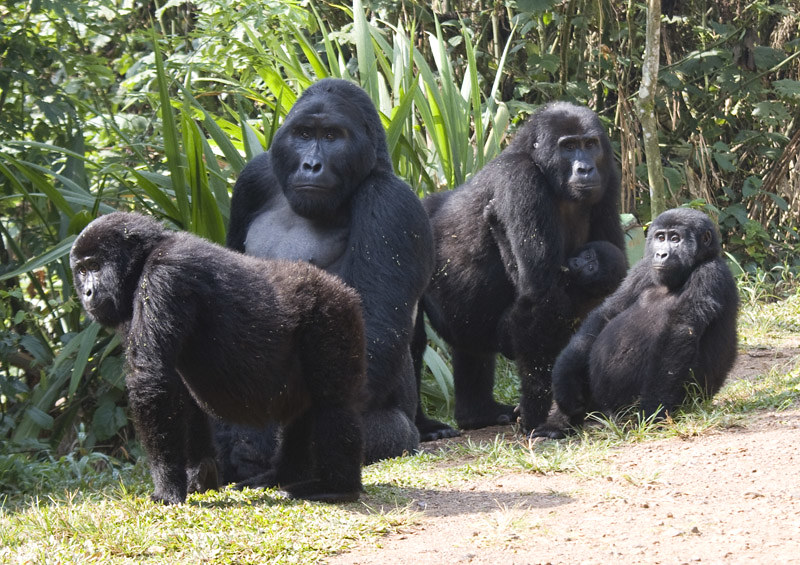
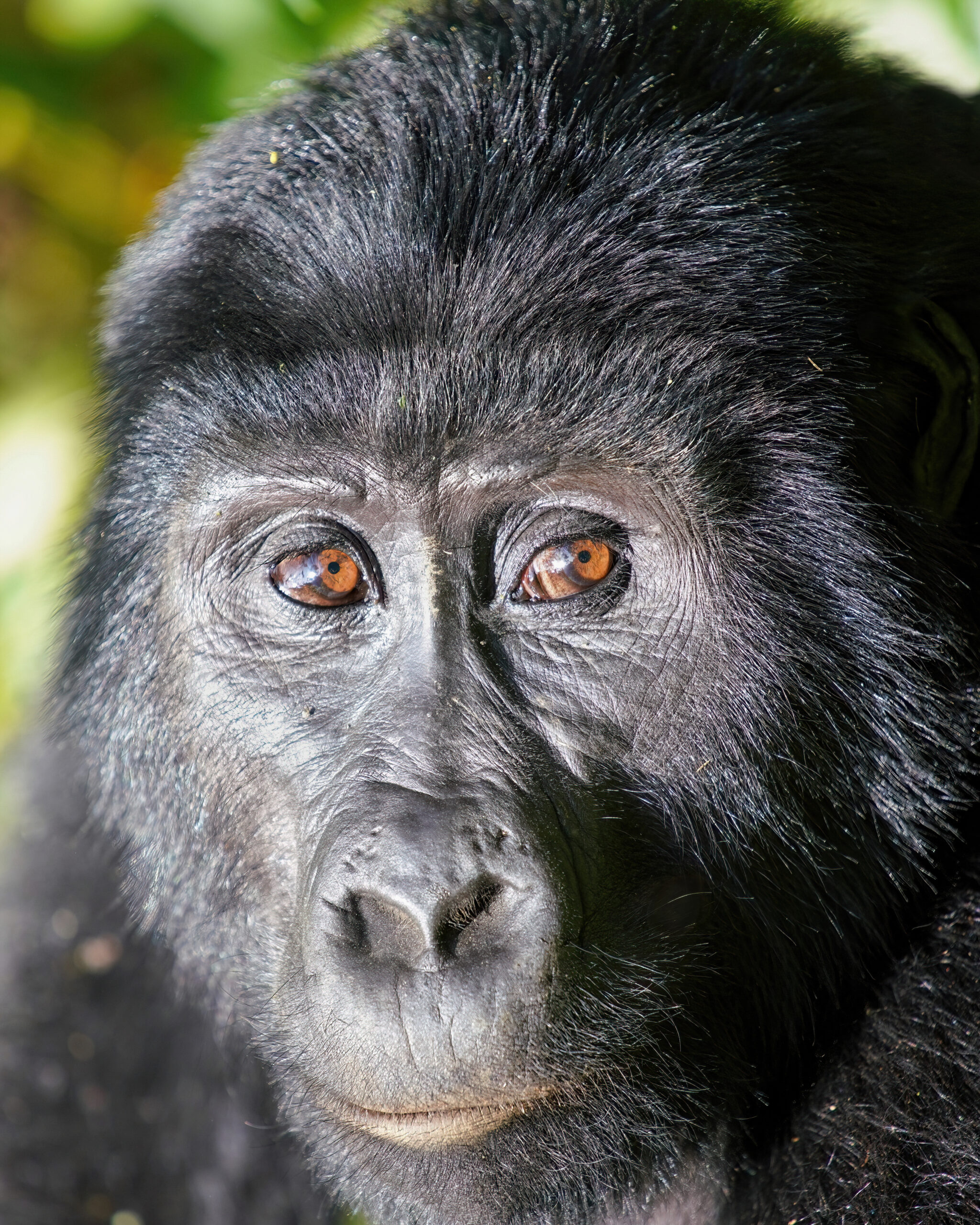
Mountain gorillas are found in high-altitude forests across the Albertine Rift, which spans Uganda, Rwanda, and the Democratic Republic of Congo. They are social, intelligent, and strikingly human in behavior, making encounters with them deeply rewarding.
Uganda: The primary gorilla habitats in Uganda are National Park”,”national park in uganda”] and Mgahinga Gorilla National Park**: Volcanoes National Park is Rwanda’s premier gorilla destination. The park is part of the Virunga Conservation Area and features well-established trekking infrastructure. Visitors can trek habituated gorilla groups such as the Susa, Sabyinyo, and Hirwa families. Rwanda’s gorilla permits cost approximately USD 1,500, reflecting the country’s commitment to high-quality, low-impact tourism.
Chimpanzees
Chimpanzees are smaller and more agile than gorillas but equally captivating. They are highly social, intelligent, and often vocal, offering fascinating glimpses into their daily lives.
Uganda: Kibale National Park Murchison Falls National Park offers a more secluded trekking experience, ideal for visitors who prefer solitude.
Rwanda: Nyungwe Forest National Park provides excellent chimpanzee trekking, with both standard treks and habituation experiences that allow extended observation with research teams.
Planning Your Itinerary
A well-designed primate safari balances trekking with travel, rest, and additional wildlife or cultural experiences.
Sample Itinerary
Arrival and Acclimatization: Spend one or two days in Kampala (Uganda) or Kigali (Rwanda) to rest and adjust to the local climate. Use this time to consult guides and confirm permits.
Gorilla Trekking: Dedicate 2–3 days to gorilla trekking in Bwindi, Mgahinga, or Volcanoes National Park. Treks often begin at dawn and can last between 2 to 8 hours, depending on the group’s location. Porters are recommended to carry gear, especially in steep or muddy terrain.
Chimpanzee Trekking: Allocate a day for chimpanzee trekking in Kibale or Nyungwe. Treks typically last 2–4 hours but may extend if the group is mobile. The habituation experience in Nyungwe offers longer observation opportunities for enthusiasts and researchers.
Additional Activities: Consider combining primate trekking with safaris in Queen Elizabeth National Park in uganda”] or Akagera National Park: Add game drives in Queen Elizabeth National Park”] or Akagera National Park
Budgeting for a Primate Safari
Beyond permit costs, roughly USD 800 for Uganda gorilla trekking and USD 1,500 for Rwanda, budgeting for a primate safari should account for accommodation, park entrance fees, chimpanzee trekking permits, transport between parks, and tips for guides and porters. All in Africa Safaris can provide a full cost breakdown tailored to your specific park choices and accommodation tier, helping you plan a realistic overall budget well before you commit to specific dates.
Best Time to Plan Your Trip
The dry seasons, June to September and December to February, offer the firmest trekking conditions across both countries, while the wetter months bring muddier trails alongside noticeably thinner crowds and more flexible permit availability. Because gorilla and chimpanzee families remain trackable year-round, the choice of season generally comes down to trail comfort and crowd tolerance rather than sighting reliability.
Booking Permits Well in Advance
Both Uganda and Rwanda issue only a limited number of daily gorilla permits, meaning popular dates, particularly during the dry-season peak, can sell out six months or more ahead of travel. All in Africa Safaris can secure your permits early and coordinate them with chimpanzee trekking bookings across both countries.
Assessing Your Physical Fitness
Gorilla treks can range from a short walk to eight hours of steep, strenuous hiking depending on the family’s location that day, while chimpanzee treks are generally shorter but still demand reasonable fitness given the forest’s uneven terrain. Porters are available at every trekking site to help carry packs and assist on difficult sections, a worthwhile addition regardless of your baseline fitness level, particularly for travelers less accustomed to sustained hiking at altitude.
What to Pack for Primate Trekking
Waterproof hiking boots, gardening-style gloves, long trousers and sleeves, and a reliable rain jacket form the core packing list for both gorilla and chimpanzee trekking across Uganda and Rwanda. A good camera and extra batteries are worth prioritizing, particularly for the longer habituation experiences offered in both countries, alongside sufficient water and snacks for treks that can extend well beyond the expected duration.
Combining Uganda and Rwanda in One Trip
Given the relatively short distance between Uganda’s southwestern parks and Rwanda’s Volcanoes National Park, many travelers combine gorilla trekking in both countries within a single itinerary, adding genuine variety without excessive additional travel time. All in Africa Safaris can design a cross-border primate safari that makes the most of both countries’ parks and permit systems.
The Gorilla Habituation Experience as an Alternative
Beyond standard one-hour treks, both Uganda’s Bwindi Rushaga sector and Rwanda’s Volcanoes National Park offer extended habituation experiences, giving travelers three to four hours with a gorilla family still becoming accustomed to human presence alongside researchers. This deeper option runs on a smaller daily quota and higher permit cost than standard trekking, worth considering for travelers specifically interested in behavioral research and extended observation time.
Rules and Etiquette During Primate Treks
Standard guidelines apply across both gorilla and chimpanzee trekking in Uganda and Rwanda: maintain a respectful distance, keep voices low, and avoid trekking while feeling unwell, since both species share close genetic similarity with humans and can contract human illnesses through close contact. Group sizes are kept deliberately small at every site, balancing genuine viewing quality against the animals’ long-term wellbeing under regular observation.
Choosing Between Uganda and Rwanda
Rwanda’s shorter drive from Kigali and generally better-maintained roads make its logistics somewhat more straightforward than Uganda’s longer journey to Bwindi, while Uganda offers lower permit costs and a broader mix of primates and other wildlife within a single country. All in Africa Safaris can help weigh these trade-offs against your specific budget, timeline, and broader trip priorities.
Adding Golden Monkey Trekking to Your Itinerary
Beyond gorillas and chimpanzees, both Mgahinga Gorilla National Park in Uganda and Volcanoes National Park in Rwanda offer golden monkey trekking, a shorter, less physically demanding activity that adds genuine variety to a primate-focused itinerary. This activity pairs particularly well as a lower-intensity addition on a rest day between the more strenuous gorilla and chimpanzee treks.
Turning This Guide Into a Booked Itinerary
With destinations, permits, fitness considerations, and packing all covered, the remaining step is matching this framework to your specific travel dates and priorities. All in Africa Safaris can take this planning guide and turn it into a fully booked, well-sequenced primate safari across Uganda and Rwanda.
Travel Insurance for Primate Trekking
Given the physical demands and remote settings involved in gorilla and chimpanzee trekking, confirming your travel insurance specifically covers high-altitude trekking activities, rather than assuming standard travel insurance applies, is worth doing well before departure. Some permit providers and lodges require proof of adequate coverage as part of the booking process, another reason to sort this out early in your planning rather than as an afterthought closer to your travel date.
Rest Days Between Treks
Building at least one rest or transfer day between gorilla trekking and chimpanzee trekking, rather than scheduling both on consecutive days, gives your body genuine recovery time given how physically demanding both activities can be. This pacing also allows time for the drive between parks, since Uganda and Rwanda’s primate destinations are rarely adjacent to one another despite the country’s relatively compact size.
Common Mistakes First-Time Planners Make
Underestimating driving distances between parks, booking permits too close to travel dates, and packing insufficiently for the physical demands of trekking rank among the most common planning mistakes for first-time primate safari travelers. Working with an experienced operator from the earliest planning stages helps avoid each of these pitfalls, ensuring your itinerary’s pacing and logistics genuinely match the realities of primate trekking in both countries.
Why Careful Planning Pays Off
A well-planned primate safari, permits secured early, realistic daily pacing, appropriate gear, consistently delivers a smoother, more rewarding experience than an improvised itinerary assembled at the last minute. Given the genuinely significant investment involved in gorilla and chimpanzee permits, the extra planning effort covered throughout this guide is well worth applying before you travel, turning a once-in-a-lifetime trip into one that runs smoothly from arrival through departure.