How the Iran–USA–Israel Conflict Is Affecting Tourism in Africa
In today’s interconnected world, a conflict thousands of kilometers away can quietly reshape travel patterns across continents. The ongoing tensions and military escalations involving Iran, the United States, and Israel have sent ripples through global aviation, fuel markets, international confidence, and long-haul tourism. Africa, though geographically distant from the Middle East, is deeply connected to the global travel system — and therefore not untouched by these events.
Yet the story is not one of panic or shutdown. Instead, it is a complex mix of logistical disruptions, economic pressures, traveler psychology, and emerging opportunities. To understand how the conflict is influencing tourism in Africa, one must look beyond headlines and into the mechanics of how global travel truly works.
The Interconnected Nature of Global Travel
Modern tourism runs on intricate networks. Aircraft route through major hubs, fuel prices are set by global markets, and traveler confidence shifts based on worldwide news cycles. The Middle East serves as one of the most important aviation crossroads on Earth. Cities such as Dubai, Doha, and Abu Dhabi connect North America and Europe to Africa, Asia, and Australia.
When instability touches that region, airlines adjust flight paths, airspace may close temporarily, insurance premiums can rise, and routes are extended to avoid potential risk zones. Even if a safari in Uganda or a beach holiday in Zanzibar lies far from the conflict itself, the journey to get there may be affected.
This interconnectedness means Africa’s tourism sector feels indirect consequences — not from violence on its soil, but from the global systems that carry travelers there.
Air Travel Disruptions and Route Adjustments
One of the most immediate effects of heightened Middle Eastern tensions is the rerouting or cancellation of flights. When airspace becomes restricted or airlines determine that certain corridors are unsafe, aircraft must divert. These diversions can add hours to long-haul journeys, increase fuel consumption, and complicate scheduling.
Many travelers heading to East Africa, Southern Africa, or even parts of West Africa transit through Gulf carriers. If these hubs experience operational strain, African destinations may see reduced seat capacity or temporary scheduling adjustments. For safari-goers planning tightly timed itineraries — perhaps coordinating gorilla trekking permits or seasonal wildlife migrations — even small delays can have logistical consequences.
That said, airlines are highly experienced in managing geopolitical risk. Adjustments are often swift, and global aviation authorities prioritize safety while maintaining connectivity. The result is usually inconvenience rather than long-term shutdown.
Rising Fuel Prices and the Cost of Travel
Conflicts involving major oil-producing or transit regions often trigger volatility in global energy markets. When fuel prices climb, aviation fuel follows. Airlines then face higher operational costs, which may eventually be reflected in ticket prices.
For African tourism — particularly safari travel, which often involves remote airstrips, charter flights, and long-haul international journeys — fuel is a significant component of overall cost. A modest rise in airfare can make a meaningful difference for travelers budgeting for bucket-list trips such as gorilla trekking in Uganda or Rwanda, the Great Migration in Kenya and Tanzania, or luxury lodges in Botswana.
Higher global inflation also influences discretionary spending. Safari holidays are often long-planned dreams rather than impulsive purchases. When economic uncertainty grows, some travelers delay such experiences. However, history shows that high-value experiential travel tends to rebound strongly once confidence stabilizes.
The Psychology of Travel During Global Conflict
Beyond logistics and fuel prices lies a subtler factor: perception. Even when a conflict is geographically distant from Africa, global news coverage can create a generalized sense of instability. Travelers unfamiliar with geography may blur distinctions between regions, assuming that unrest in one part of the world signals risk elsewhere.
This psychological effect can lead to booking hesitation. Travelers might postpone long-haul trips or choose destinations perceived as closer to home. Tour operators sometimes notice slower inquiry rates during periods of international tension, even if their destinations remain peaceful and secure.
However, seasoned safari enthusiasts and experienced Africa travelers often understand that East and Southern Africa are geographically far removed from Middle Eastern conflict zones. Countries like Uganda, Kenya, Tanzania, Rwanda, Botswana, Namibia, and South Africa continue to operate their tourism industries normally, with wildlife reserves and national parks unaffected by distant geopolitical events.
Africa’s Geographic Distance from the Conflict
It is important to emphasize that the Iran–USA–Israel conflict does not directly impact the physical safety of most African safari destinations. The continent’s premier tourism regions are thousands of kilometers away from the Middle East. There is no spillover of military activity into African parks, beaches, or cultural centers.
National parks remain open. Gorilla trekking continues under strict conservation protocols. Game drives proceed across savannahs and wetlands. Beach resorts along the Indian Ocean welcome guests as usual.
In fact, for many travelers seeking distance from geopolitical hotspots, Africa can represent a retreat into nature — a place where the rhythms of wildlife and wilderness provide perspective beyond global politics.
Shifting Travel Patterns and Emerging Opportunities
While some travelers hesitate, others adjust their itineraries. If tourism to certain Middle Eastern destinations declines due to perceived risk, travelers who had planned multi-region holidays may redirect their focus entirely to Africa.
For example, someone who intended to combine Dubai with a safari in Kenya might now extend their African itinerary instead. Similarly, travelers seeking destinations far removed from geopolitical tension may view African wilderness areas as peaceful alternatives.
This redirection can create opportunities for African tourism boards and operators to highlight stability, conservation success, and immersive experiences rooted in nature rather than urban geopolitics.
Impact on Different African Regions
East Africa, heavily dependent on international long-haul travelers and connected through Middle Eastern airline hubs, may feel flight-related adjustments more immediately. Southern Africa, with direct routes from Europe and growing connections from North America, may experience milder disruption.
North African destinations — geographically closer to the Middle East — sometimes face perception challenges despite having distinct political contexts. Travelers unfamiliar with regional geography may conflate North Africa with Middle Eastern conflict zones, even when countries operate independently and safely.
West and Central Africa, where tourism infrastructure is more niche and specialized, tend to see less dramatic fluctuation in mainstream tourism flows but may feel broader economic shifts.
Overall, the impact is uneven and largely indirect.
The Resilience of Safari Tourism
Safari tourism has historically demonstrated resilience. From economic recessions to pandemics to regional unrest elsewhere in the world, Africa’s wildlife experiences continue to draw travelers seeking authenticity and connection.
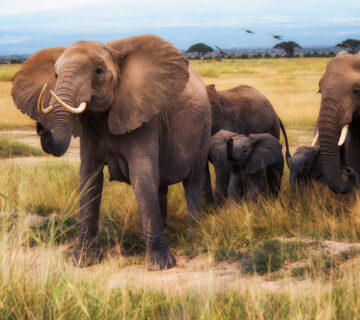
The appeal of witnessing elephants crossing a river at sunset, trekking through misty forests to observe mountain gorillas, or listening to lions call under a starlit sky transcends temporary geopolitical events.
Conservation-driven tourism also fosters strong international partnerships. Governments, private conservancies, and global NGOs work collaboratively to ensure that parks remain secure and professionally managed. This infrastructure provides reassurance to travelers even during uncertain global moments.
What Travelers Should Consider
For those planning African safaris during periods of Middle Eastern tension, practical awareness is wise. Monitoring airline updates, choosing flexible booking policies, and working with experienced tour operators can mitigate inconvenience. Travel insurance that covers delays and rerouting adds further reassurance.
Importantly, travelers should differentiate between transit disruptions and destination safety. While flights may reroute around certain airspaces, African safari regions themselves remain geographically insulated from the conflict.
Staying informed through official travel advisories and reputable tour operators ensures decisions are based on accurate information rather than generalized fear.
Long-Term Outlook for African Tourism
The long-term impact of the Iran–USA–Israel conflict on African tourism depends largely on duration and escalation. Short-lived spikes in tension typically cause temporary booking slowdowns followed by recovery. Prolonged instability that significantly disrupts global oil supply or aviation corridors could exert deeper economic pressure.
Yet Africa’s tourism appeal is rooted in natural assets that remain unchanged by distant politics. Wildlife migrations will continue across the Serengeti. Gorilla families will remain in their forest habitats. Victoria Falls will thunder on the border of Zambia and Zimbabwe. These experiences endure beyond news cycles.
Moreover, African governments increasingly diversify their source markets. Growing middle classes in Asia, intra-African tourism, and niche adventure travel segments provide broader foundations than in decades past.
A Continent Apart, Yet Connected
Africa stands geographically apart from the Middle East conflict, yet economically and logistically connected through the systems that power global travel. The effects are real but largely indirect: flight adjustments, fuel price volatility, cautious booking behavior, and shifting itineraries.
At the same time, Africa remains one of the world’s most compelling destinations for immersive, nature-based travel. Its national parks, marine reserves, mountain forests, and cultural landscapes continue to operate safely and professionally.
For travelers willing to look beyond headlines and assess geography carefully, African tourism still offers stability, authenticity, and transformative experiences. The savannah does not pause for geopolitics. The gorillas do not retreat from misty slopes because of distant tensions. Nature continues its ancient rhythms — steady, powerful, and largely untouched by human conflict far away.
In a world unsettled by geopolitical shifts, that constancy may be precisely what many travelers seek.