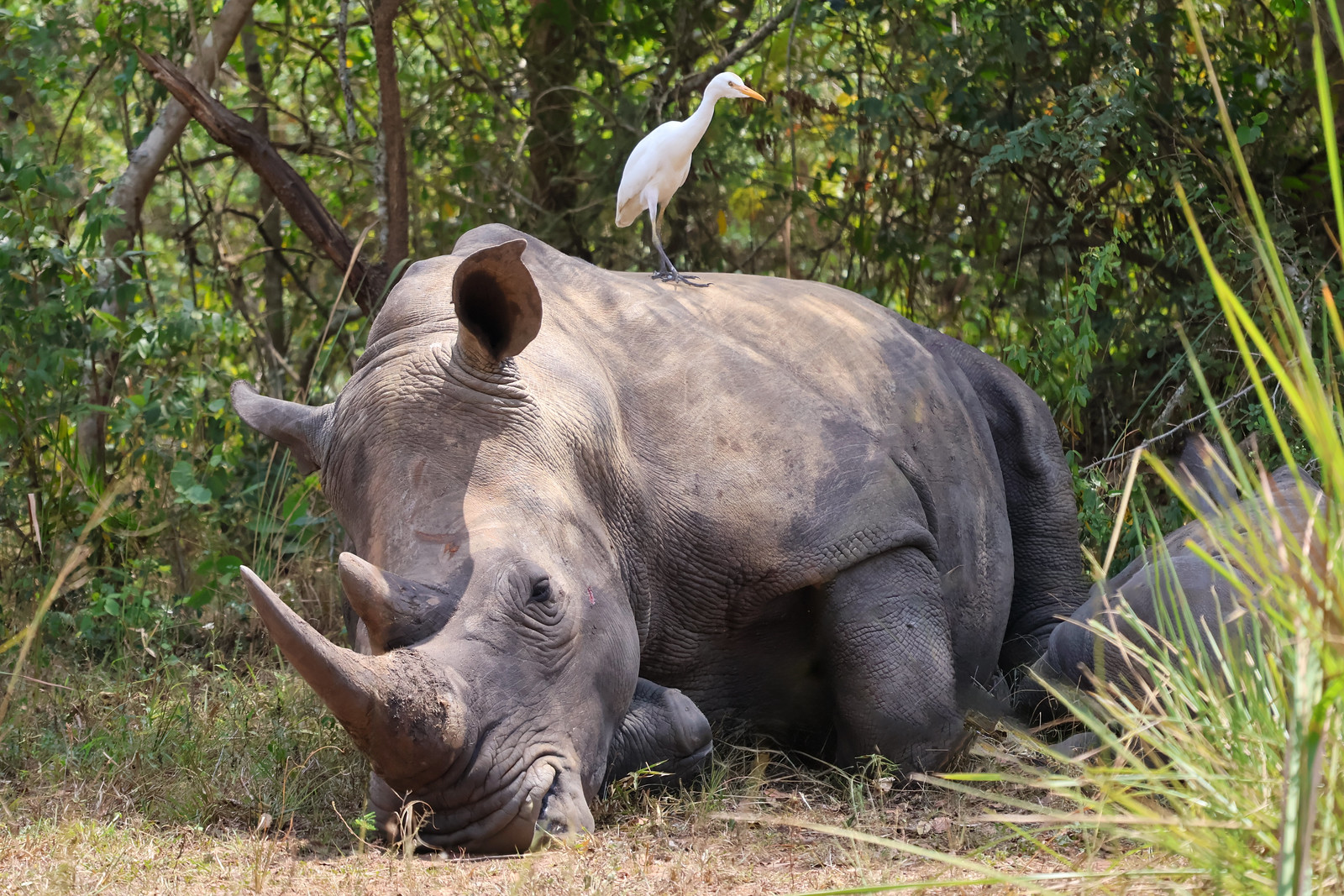
How Safe Is It to Travel to East African Countries for Safaris?
Overview of Safari Travel Safety in East Africa
Traveling to East Africa for a safari is widely considered safe and rewarding for international visitors who plan their journeys responsibly and work with experienced tour operators. The region is home to some of the world’s most celebrated wildlife destinations, drawing thousands of travelers every year who come to experience extraordinary landscapes, remarkable biodiversity, and unforgettable wildlife encounters. Countries such as Uganda, Kenya, Tanzania, and Rwanda have built strong tourism sectors centered on conservation and safari travel, making them among the most established safari destinations in Africa.
These nations have invested significantly in tourism infrastructure, security systems, and conservation programs that protect both wildlife and visitors. National parks and game reserves operate under strict regulations designed to ensure that tourists can explore natural environments safely while preserving fragile ecosystems. With professional safari guides, organized park management, and responsible tourism policies, most safari travelers experience East Africa without any serious safety concerns.
Understanding the Safari Environment in East Africa
East Africa’s safari destinations are primarily located within protected wildlife areas far from major urban centers. This geographical separation plays a key role in ensuring visitor safety. National parks and conservation areas are carefully monitored by government authorities and park rangers who maintain security patrols, enforce wildlife regulations, and supervise tourism activities.
Some of the most famous safari locations in the region include Serengeti National Park, Maasai Mara National Reserve, Bwindi Impenetrable National Park, and Volcanoes National Park. These parks have long histories of hosting international visitors and are supported by strong conservation management.
Safari experiences typically take place in well-organized environments where visitors travel with professional guides who are trained in wildlife safety, navigation, and emergency procedures. This structured approach ensures that travelers can focus on enjoying the natural beauty of the region without unnecessary risk.
Political Stability and Regional Security
Political stability plays an important role in determining the safety of safari travel in East Africa. Fortunately, the major safari countries in the region maintain stable governments and prioritize tourism as a vital economic sector. As a result, authorities place significant emphasis on ensuring the safety of international visitors.
Uganda, Kenya, Tanzania, and Rwanda have all developed strong tourism policies that include security coordination between national parks, tourism boards, and local law enforcement. In popular safari areas, visitor movements are monitored and organized to minimize risk.
While it is always wise to stay informed about travel advisories and regional developments, most safari destinations remain peaceful and secure. Travelers generally spend the majority of their time within national parks or rural conservation areas rather than large urban centers, further reducing potential risks.
Safety Within National Parks and Game Reserves
National parks in East Africa are among the safest places for tourists within the region. These protected landscapes are managed by professional wildlife authorities whose primary responsibilities include conservation, anti-poaching operations, and visitor management.
Safari activities such as game drives, walking safaris, and primate trekking follow strict safety guidelines. Guides are highly experienced in reading animal behavior and maintaining safe viewing distances. Visitors are usually transported in specially designed safari vehicles that allow excellent wildlife viewing while providing protection from large animals.
For example, visitors tracking mountain gorillas in Bwindi Impenetrable National Park are always accompanied by trained rangers and trackers who monitor gorilla groups daily. These professionals understand the social behavior of gorillas and ensure that encounters remain calm and respectful.
Similarly, wildlife viewing in savannah parks such as Serengeti National Park and Maasai Mara National Reserve occurs within designated routes and under the supervision of professional guides who prioritize visitor safety.
Wildlife Safety and Responsible Safari Conduct
Encountering wild animals is the central attraction of an African safari, but it also requires respect for wildlife and adherence to park regulations. Large animals such as lions, elephants, and buffaloes are powerful creatures that must be observed from safe distances.
Safari guides play a crucial role in maintaining these safety boundaries. Visitors are generally instructed to remain inside safari vehicles during game drives and to follow guide instructions carefully during walking activities or primate trekking.
Wild animals within protected parks are accustomed to safari vehicles and often behave naturally in their presence. This familiarity allows visitors to observe wildlife without causing stress or disruption. By following established rules and listening to experienced guides, travelers can safely enjoy close wildlife encounters.
Health and Medical Considerations for Safari Travelers
Health preparation is an essential component of planning a safari in East Africa. Travelers are typically required to show proof of vaccination against Yellow Fever when entering countries such as Uganda or Rwanda. This precaution protects both visitors and local populations from disease transmission.
Malaria prevention is another important consideration. Many travelers take anti-malarial medication before, during, and after their safari. Mosquito repellent, long-sleeved clothing, and sleeping under mosquito nets are additional precautions commonly recommended by travel health professionals.
Medical facilities in major East African cities are capable of handling most routine health concerns. Cities such as Nairobi, Kigali, and Kampala host international-standard hospitals and clinics. In remote safari areas, emergency evacuation services are often arranged through travel insurance providers and safari companies.
Transportation Safety During Safaris
Transportation in East Africa’s safari circuits is well organized and designed specifically for tourism. Most international visitors arrive through major aviation hubs such as Jomo Kenyatta International Airport, Entebbe International Airport, or Kigali International Airport.
From these entry points, travelers usually continue their journeys by road in four-wheel-drive safari vehicles or by domestic charter flights to remote airstrips located within national parks. Safari vehicles are specially designed to handle rough terrain and are driven by professional guides who understand local road conditions and wildlife movements.
Domestic flights connecting safari destinations are also widely used, particularly for travelers seeking faster access to remote areas. These flights operate under regulated aviation systems and are commonly used by both tourists and conservation personnel.
Cultural Safety and Local Hospitality
One of the most reassuring aspects of traveling in East Africa is the region’s strong culture of hospitality. Local communities have long welcomed international visitors and often view tourism as an important opportunity for economic development.
Many safari itineraries include cultural experiences such as visiting Maasai villages in Kenya or community projects near national parks in Uganda and Rwanda. These interactions are generally organized through responsible tourism programs that ensure respectful engagement between visitors and local residents.
Travelers often discover that East African communities are friendly, helpful, and eager to share their traditions and knowledge. This welcoming atmosphere contributes significantly to the overall sense of safety experienced during a safari journey.
Security in Cities and Urban Areas
While safari destinations are generally safe, travelers should exercise normal precautions in urban areas. Cities such as Nairobi, Kampala, and Dar es Salaam are vibrant metropolitan centers where visitors should remain aware of their surroundings, just as they would in any major international city.
Using registered taxis, avoiding isolated areas at night, and securing valuables are simple practices that help ensure a smooth travel experience. Most safari itineraries involve only short stays in cities before travelers depart for national parks and wildlife reserves.
The Role of Tour Operators and Professional Guides
Choosing a reputable safari operator is one of the most important decisions when planning a safari in East Africa. Experienced tour companies handle logistics, transportation, park permits, accommodation, and safety planning.
Professional safari guides undergo extensive training in wildlife behavior, navigation, first aid, and emergency response. Their knowledge of local ecosystems and animal movements significantly enhances both safety and the overall safari experience.
Guides also maintain communication with park authorities and other guides within the reserve, ensuring that visitors are always informed about wildlife activity and potential hazards.
Emergency Preparedness and Travel Insurance
Although serious incidents are rare, responsible travelers prepare for emergencies by obtaining comprehensive travel insurance. Insurance policies that cover medical treatment, emergency evacuation, and trip interruptions provide peace of mind during safari travel.
Many safari lodges and operators maintain emergency evacuation arrangements with aviation services capable of transporting travelers to advanced medical facilities if necessary. This infrastructure further enhances the safety of safari tourism across the region.
Why East Africa Remains One of the Safest Safari Regions
East Africa has earned its reputation as one of the world’s premier safari destinations through decades of conservation success and tourism development. Governments, conservation organizations, and local communities collaborate to protect wildlife and maintain secure environments for visitors.
National parks operate under strict regulations, wildlife viewing is guided by experienced professionals, and tourism revenues support conservation initiatives that benefit both ecosystems and local populations.
The result is a travel environment where visitors can safely explore spectacular landscapes, observe rare wildlife, and engage with vibrant cultures.
Final Thoughts on Safari Safety in East Africa
Traveling to East Africa for a safari offers an extraordinary opportunity to experience some of the planet’s most remarkable natural environments. From tracking gorillas in misty mountain forests to watching elephants cross vast savannah plains, the region delivers unforgettable encounters with wildlife and wilderness.
When travelers prepare responsibly, follow the guidance of professional guides, and respect local regulations, safari journeys in East Africa are not only safe but deeply rewarding. The region’s commitment to conservation, hospitality, and sustainable tourism ensures that visitors can explore its extraordinary landscapes with confidence while contributing to the protection of Africa’s natural heritage.