How Safe Are You Traveling to Africa During the Ongoing War Between the USA, Iran, and Israel?
When global headlines are dominated by conflict, it is natural to question your safety as an international traveler. If you are considering a tour to Africa — whether for safari, cultural exploration, beach holidays, or business — you may wonder how a war involving the United States, Iran, and Israel affects your personal security.
The most important thing to understand is this: Africa is not geographically part of that conflict. The war is centered in the Middle East, and the vast majority of African countries — especially key tourism destinations in East and Southern Africa — remain physically far removed from those hostilities.
However, safety in travel is never a simple yes-or-no answer. It involves understanding geography, logistics, political stability, and global ripple effects.
Let’s look at the reality clearly and calmly.
Geographic Distance Matters
East African safari destinations such as Uganda, Kenya, Tanzania, and Rwanda are thousands of kilometers away from the Middle East conflict zone. Southern African countries like Botswana, Namibia, Zambia, Zimbabwe, and South Africa are even farther removed.
There is no active military activity related to the USA–Iran–Israel conflict occurring in these regions. National parks, cities, airports, and tourist areas continue operating normally.
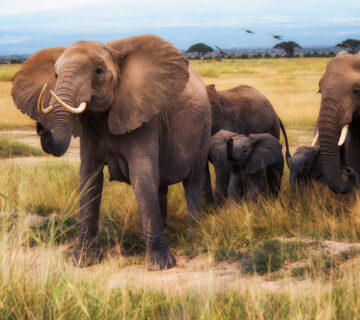
Wildlife reserves do not become unsafe because of distant geopolitical tensions. The elephants, lions, gorillas, and landscapes remain unchanged by events happening in another part of the world.
From a purely physical security standpoint, the conflict does not place you in direct danger while touring most African safari destinations.
Air Travel Considerations
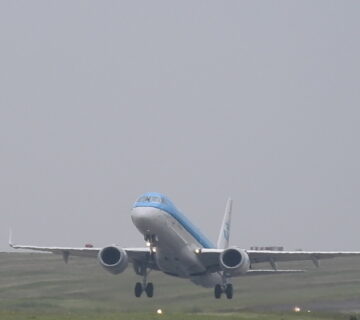
Where you may notice an impact is in international travel logistics. Some flights connecting through Middle Eastern hubs may be rerouted or delayed due to airspace precautions. Airlines prioritize passenger safety and avoid conflict zones.
This means you could experience:
Longer flight times
Alternative routing through Europe or other regions
Higher airfare
Occasional schedule changes
These are inconveniences rather than safety threats. Commercial aviation remains one of the safest forms of transportation, even during global tensions.
If you are concerned, choosing routes that transit through Europe instead of the Middle East can provide additional peace of mind.
Safety Within African Tourism Destinations
Most established tourism regions in Africa have well-developed safety systems in place. Safari lodges operate in controlled environments. National parks are patrolled by rangers. Tour operators maintain communication systems and emergency protocols.
Visitors are typically accompanied by licensed guides during wildlife activities. Cities such as Nairobi, Kigali, Kampala, Arusha, and Cape Town have dedicated tourist infrastructure.
As with travel anywhere in the world, normal precautions apply:
Use reputable tour operators
Avoid isolated areas at night in major cities
Follow local safety guidance
Keep copies of important documents
Purchase travel insurance
These are standard travel practices, not special measures required because of the Middle East conflict.
Political Neutrality of African Destinations
African tourism destinations are not parties to the USA–Iran–Israel conflict. They maintain independent diplomatic policies and are not war zones connected to this dispute.
While global politics may influence oil prices or airline routing, they do not translate into active security threats for tourists in safari regions.
African governments rely heavily on tourism as an economic driver. Protecting visitors is in their direct national interest.
The Psychological Factor
One of the biggest influences during global war is perception rather than reality. Media coverage can create a sense of global instability, even when the physical risk remains localized.
Travelers sometimes cancel trips not because a destination is unsafe, but because the broader world feels uncertain.
It is important to separate emotional reaction from factual geography. Africa is a vast continent with 54 countries. The Middle East conflict does not automatically extend across continents.
Understanding this distinction can help you make rational travel decisions.
Situations Where Extra Awareness Is Wise
While most African safari destinations remain safe, there are a few practical considerations during any global conflict:
International protests in major cities worldwide may occur in response to geopolitical events. While rare, staying informed about local news in urban areas is wise.
Airline route changes can affect connections. Building in buffer time for long-haul travel reduces stress.
Fuel price volatility may increase transport costs, but this is an economic issue, not a personal safety threat.
Monitoring official travel advisories from your home country ensures you remain informed about any changes.
Areas to Avoid
It is important to recognize that not every part of Africa has the same security profile. Certain regions — particularly active conflict zones within specific countries — are generally not part of mainstream safari tourism anyway.
Reputable tour operators do not operate in unstable regions. Popular safari circuits are located in areas considered secure for tourism.
If you stick to established routes and professional guides, your exposure to risk remains low.
Travel Insurance and Preparedness
One of the smartest steps during any period of global tension is comprehensive travel insurance. Ensure your policy covers:
Medical emergencies
Trip interruption
Flight delays
Evacuation if necessary
Having insurance does not mean danger is expected. It simply provides reassurance and practical protection in the unlikely event of disruptions.
Keep digital and printed copies of important documents, including passport and visa details.
The Overall Risk Assessment
When evaluating safety during the USA–Iran–Israel war, consider the following:
There is no active military threat to major African safari destinations.
The conflict may affect flight routing and ticket prices, but not physical safety in wildlife areas.
Tourism infrastructure in East and Southern Africa continues to operate normally.
Millions of travelers visit Africa each year without incident, even during global geopolitical tension.
From a security standpoint, you are far more likely to encounter common travel risks such as petty theft or minor logistical delays than any war-related danger.
Final Perspective
So how safe are you traveling to Africa for a tour during this ongoing war?
For most established safari and tourism destinations, you remain physically safe, provided you follow normal travel precautions and use reputable service providers.
The war’s impact is largely indirect — influencing global aviation, fuel markets, and travel costs — rather than creating on-the-ground danger in African tourist regions.
Africa is vast. The Serengeti plains, the forests of Bwindi, the beaches of Zanzibar, the Okavango Delta, and Victoria Falls are far removed from Middle Eastern battle zones.
While it is wise to stay informed and prepared, there is no broad reason to cancel or fear a well-planned African tour solely because of the USA–Iran–Israel conflict.
If you would like, I can also provide a country-specific safety breakdown for the exact African destination you’re considering.