How Long Does a Gorilla Trek Actually Take: Hour-by-Hour Breakdown
Gorilla trekking in Uganda is one of the most anticipated wildlife experiences in Africa, yet one of the most common questions travelers ask is how long the trek actually takes. The answer is not fixed, because trekking duration depends on several factors, including gorilla location, terrain, and group pace. However, understanding a realistic timeline helps travelers prepare both physically and mentally for the experience.
Set within the dense rainforest of Bwindi Impenetrable National Park and the volcanic landscapes of Mgahinga Gorilla National Park, gorilla trekking is a full-day activity that combines hiking, wildlife tracking, and a once-in-a-lifetime encounter with mountain gorillas.
While the actual trek can last anywhere from one to six hours, the entire experience follows a structured flow from early morning briefing to afternoon return. Understanding this hour-by-hour breakdown gives you a clear picture of what to expect on the day.
Early Morning: Arrival and Pre-Trek Briefing (7:00 AM – 8:00 AM)
The day begins early with arrival at the park headquarters. Visitors gather for registration and a mandatory briefing conducted by rangers from the Uganda Wildlife Authority.
During this session, you are assigned a gorilla family, grouped with other trekkers, and guided through important rules such as maintaining distance, avoiding sudden movements, and protecting gorillas from disease transmission. This is also the time to ask questions and prepare mentally for the trek ahead.
Trekking Begins: Entering the Forest (8:00 AM – 10:00 AM)
After the briefing, the trek officially begins. Groups set off into the forest accompanied by rangers and trackers who are already monitoring the location of the gorillas.
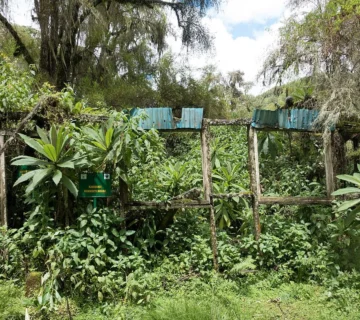
The first hours of trekking involve navigating forest trails, which may include steep slopes, muddy paths, and dense vegetation. The pace is steady but manageable, with breaks provided as needed. This phase is often filled with anticipation as you move deeper into the gorilla habitat.
Mid-Morning: Active Tracking Phase (10:00 AM – 12:00 PM)
This is the most unpredictable part of the trek. Rangers communicate with advance trackers who follow fresh signs such as nests, footprints, and feeding trails to locate the gorilla family.
Depending on how far the gorillas have moved, this phase can be short or extended. Some groups are found within an hour, while others require several hours of tracking. The experience during this period is immersive, as you learn about the forest ecosystem and wildlife along the way.
The Highlight: One Hour with the Gorillas (Varies)
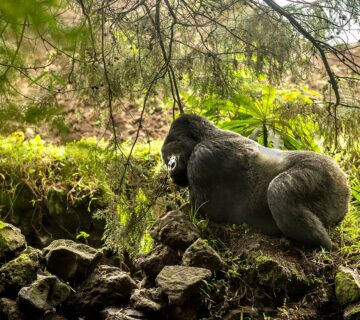
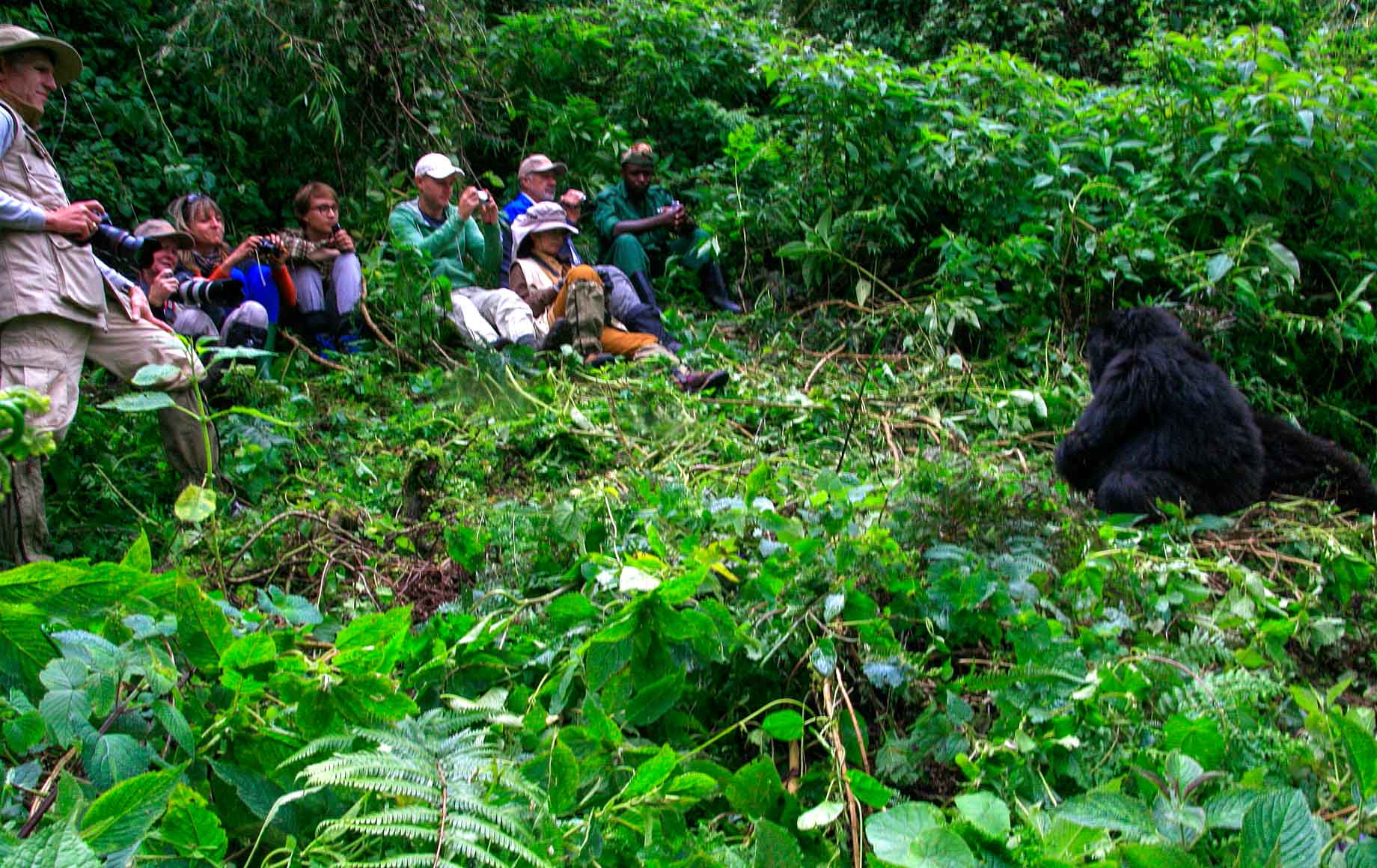
Once the gorillas are located, the experience reaches its peak. Visitors are allowed exactly one hour in the presence of the gorilla family. This rule is strictly enforced to minimize stress on the animals.
During this hour, you observe gorillas feeding, grooming, resting, and interacting with one another. The silverback may display dominance, juveniles may play, and mothers care for their infants. The experience is intimate, emotional, and unforgettable.
Despite the long trek to reach them, many visitors say this one hour is the most powerful wildlife encounter of their lives.
Early Afternoon: Return Trek (12:00 PM – 3:00 PM)
After the gorilla encounter, the return journey begins. The trek back is usually faster, as guides choose the most direct route out of the forest.
Although physically demanding, this phase often feels easier due to the excitement and satisfaction of having seen the gorillas. The forest surroundings remain captivating, offering additional opportunities to spot birds and other wildlife.
Late Afternoon: Completion and Debrief (3:00 PM – 4:00 PM)
The experience concludes with a return to the starting point. Trekkers receive certificates recognizing their participation in gorilla trekking, marking the completion of the journey.
This is also a time to reflect on the experience, share stories with fellow trekkers, and appreciate the significance of what you have just witnessed.
Total Time: What to Expect Overall
In total, a gorilla trekking experience typically lasts between four and eight hours. The exact duration depends on the distance traveled, terrain difficulty, and the movement of the gorilla family.
Short treks may take as little as three hours, while longer ones can extend to a full day. Regardless of the duration, the structure of the experience remains consistent, ensuring that all trekkers enjoy a safe and well-organized adventure.
Factors That Influence Trek Duration
Several factors determine how long your trek will take. The location of the gorillas is the most important, as they move daily in search of food. Weather conditions, such as rain, can also affect trail difficulty and pace.
Group fitness levels play a role, as guides adjust speed to ensure everyone can keep up comfortably. Additionally, different sectors of Bwindi and Mgahinga offer varying terrain, which can influence the overall trekking time.
Why the Time Investment Is Worth It
The duration of the trek is part of what makes the experience so special. The journey through the forest builds anticipation and creates a deeper connection to the environment. By the time you reach the gorillas, the effort invested enhances the emotional impact of the encounter.
Unlike typical wildlife viewing, gorilla trekking requires active participation, making it a truly immersive adventure rather than a passive observation.
A Full-Day Experience Like No Other
Gorilla trekking is not just an activity—it is a full-day journey into the wild. From the early morning briefing to the final steps out of the forest, every hour contributes to a unique and unforgettable experience.
While the exact timing may vary, the structure remains consistent, ensuring that every traveler has the opportunity to encounter mountain gorillas in a safe and meaningful way. With proper preparation and realistic expectations, the time spent trekking becomes an integral part of one of Africa’s most extraordinary wildlife adventures.