How Expensive Can a Safari Become During a War Between the USA, Iran, and Israel?
When global conflict erupts between powerful nations such as the United States, Iran, and Israel, its impact rarely stays confined to the immediate region. Modern travel is deeply interconnected, and even destinations thousands of kilometers away — like the savannahs of East Africa — can feel indirect economic pressure.
For travelers planning a safari, the question is not whether the wildlife experience itself changes, but how the cost of getting there and experiencing it may shift during times of geopolitical tension.
The short answer is this: safaris can become noticeably more expensive during periods of international conflict, primarily because of rising airfare, fuel prices, insurance costs, and logistical complexity. The safari landscapes remain the same — but the path to reach them becomes more costly.
The Biggest Cost Driver: International Flights
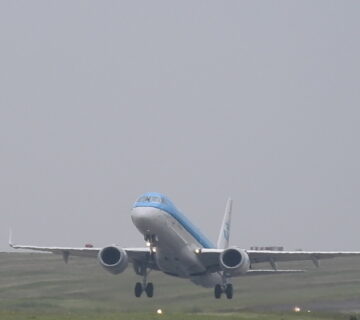
The most immediate financial impact of war between major powers is usually seen in global aviation. When conflict intensifies in the Middle East, airlines often reroute aircraft to avoid affected airspace. Flights may become longer, require additional fuel, or shift through alternative transit hubs.
Many travelers to East Africa connect through major Middle Eastern aviation hubs. If those corridors are disrupted or restricted, airlines may:
Increase ticket prices
Reduce available seats
Add fuel surcharges
Cancel certain routes
Offer fewer promotional fares
Even a modest increase in oil prices can cause a ripple effect in aviation costs. Jet fuel represents one of the largest operating expenses for airlines. When oil markets react to geopolitical instability, long-haul flights — particularly from North America or Europe to Africa — often become more expensive.
A flight that might normally cost between $900 and $1,500 USD could rise by several hundred dollars. In some cases, especially during peak safari seasons, prices may climb even higher due to limited routing options and increased demand on alternative paths.
Because international airfare often forms a large portion of a safari budget, these increases can significantly raise the total cost of the trip.
Rising Fuel Costs on the Ground
While East Africa is geographically distant from Middle Eastern conflict zones, global oil markets are interconnected. If crude oil prices spike due to war-related uncertainty, fuel prices increase worldwide — including in African countries that rely on fuel imports.
Safari vehicles run on diesel. Lodges in remote national parks use generators powered by fuel. Domestic charter flights rely on aviation fuel. Boats, transfers, and supply vehicles all require energy.
When fuel becomes more expensive globally, safari operators may face higher operational costs. These increases do not always appear immediately, but over time they can lead to:
Higher transportation fees
Slightly increased lodge rates
Additional surcharges for remote destinations
Increased domestic flight prices
The effect is gradual but real. Even if the wildlife experience remains untouched, the mechanics that support it become more expensive to maintain.
Travel Insurance and Risk Coverage
During periods of international conflict, travelers often seek greater flexibility and protection. Standard travel insurance may exclude coverage related to war or conflict disruptions. As a result, more comprehensive policies — including trip interruption or emergency evacuation — can cost significantly more.
Travelers may also choose:
Flexible airline tickets
Refundable safari packages
Private transfers instead of group options
Alternate routing through Europe instead of the Middle East
Each of these decisions increases the overall trip cost. Peace of mind becomes part of the budget.
Safari Packages: Budget, Mid-Range, and Luxury
To understand how war-time conditions affect safari pricing, it helps to consider the three broad tiers of safari travel.
Budget safaris, which may include shared vehicles, simple lodges, and overland transport, are often the most sensitive to airfare increases. Because the total trip cost is lower to begin with, even a $400–$800 rise in flight prices can significantly alter affordability.
Mid-range safaris — typically featuring comfortable lodges, private rooms, and domestic flights — may see a 10–20 percent increase during times of global tension due to combined airfare and operational costs.
Luxury safaris are particularly vulnerable to rising expenses because they often rely on charter flights, exclusive-use vehicles, and remote high-end lodges. If fuel prices spike or charter demand increases due to travelers seeking flexibility, total costs can rise sharply. A safari that might normally cost $8,000 to $12,000 per person could climb substantially higher under strained global travel conditions.
However, it is important to note that the core safari pricing structure — park entry fees, conservation permits, and guiding services — usually remains stable unless affected by domestic economic factors.
The Psychology of Demand
Another factor influencing safari costs during war is traveler behavior. When global tensions rise, some travelers postpone long-haul trips. Others rush to secure bookings before prices climb further.
If demand drops significantly, some safari operators may offer limited promotions to maintain occupancy. Conversely, if flight capacity shrinks but demand remains steady, airfare can surge dramatically due to limited seat availability.
In short, pricing volatility increases during uncertain times.
What Does Not Change
Despite fluctuations in global markets, certain aspects of safari travel remain constant.
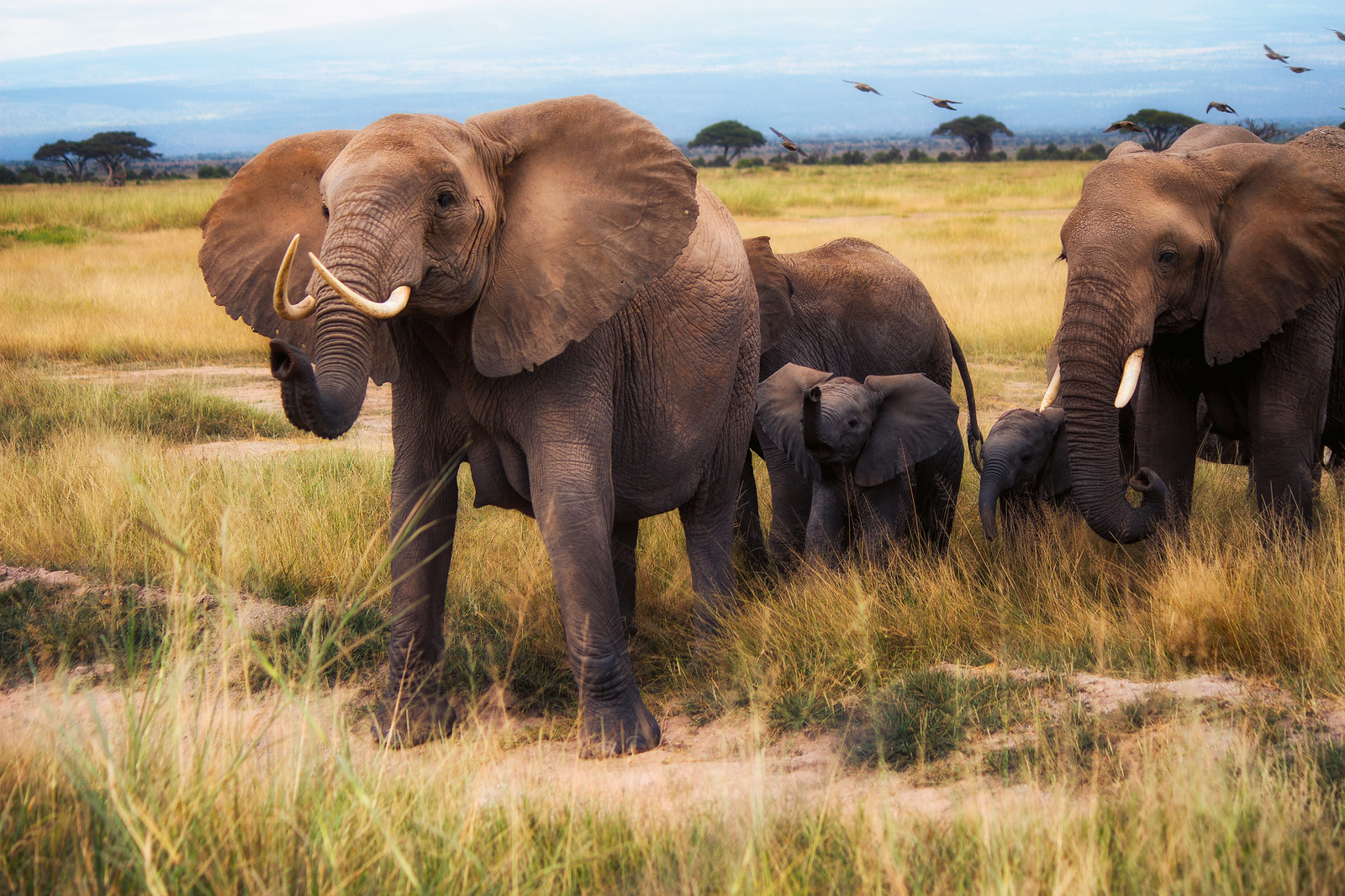
The elephants still roam across Amboseli. The wildebeest still cross the Mara River. Mountain gorillas continue to nest quietly in the forests of Bwindi and Volcanoes National Park. Lions still stretch beneath acacia trees in the Serengeti.
East African safari destinations are geographically far from Middle Eastern battle zones. The safety of the wildlife areas themselves is not directly affected by distant conflict.
Once you arrive, the experience — game drives at dawn, lantern-lit dinners in the bush, the distant roar of lions — remains unchanged.
How Much More Expensive Can It Be?
While exact figures depend on the duration and intensity of the conflict, travelers should realistically expect:
Airfare increases ranging from 10 to 30 percent
Higher travel insurance premiums
Potential fuel-related surcharges
Increased cost for flexible or refundable bookings
For a one-week safari that might normally cost $5,000 per person including flights, total expenses during heightened global tension could rise to $6,000 or more.
Luxury trips may experience even greater increases depending on routing and charter requirements.
Is It Still Worth It?
For many travelers, the answer remains yes.
Safaris are often once-in-a-lifetime experiences. The opportunity to stand just meters away from a silverback gorilla or witness a herd of elephants crossing golden plains is rare and transformative.
While global conflict can temporarily increase the financial barrier, it does not diminish the profound value of the experience itself.
In fact, during uncertain global times, many travelers find deeper meaning in immersive nature travel — places where political divisions fade and the rhythm of the natural world provides perspective.
Final Thoughts
A war between the USA, Iran, and Israel does not directly close Africa’s safari destinations. However, it can indirectly increase the cost of reaching them through higher airfare, fuel volatility, insurance premiums, and logistical complexity.
The safari itself remains timeless. The price of getting there may rise, but the reward — raw wilderness, unforgettable wildlife encounters, and profound connection with nature — endures beyond geopolitics.
If you plan carefully, book wisely, and allow for a slightly expanded budget, an East African safari remains possible even in turbulent global times.
And once the wheels of the safari vehicle begin to roll across the savannah, the noise of distant conflicts fades into the vast, quiet horizon.