Amabere Caves Fort Portal: Stalactites, Crater Lakes & Cultural Legend
Nestled in the scenic landscapes of western Uganda near Fort Portal, the Amabere Caves offer one of the country’s most fascinating blends of geology, culture, and natural beauty. This unique destination is renowned for its striking stalactite formations, lush surroundings, and deep-rooted cultural legend that continues to shape local identity.
Set against the dramatic backdrop of the Rwenzori Mountains, the caves are part of a wider landscape that includes crater lakes, waterfalls, and rolling hills. For travelers exploring western Uganda, Amabere Caves provide a compact yet richly layered experience that combines storytelling, adventure, and scenic exploration in a single visit.
A Detailed Study of the Geological Formation
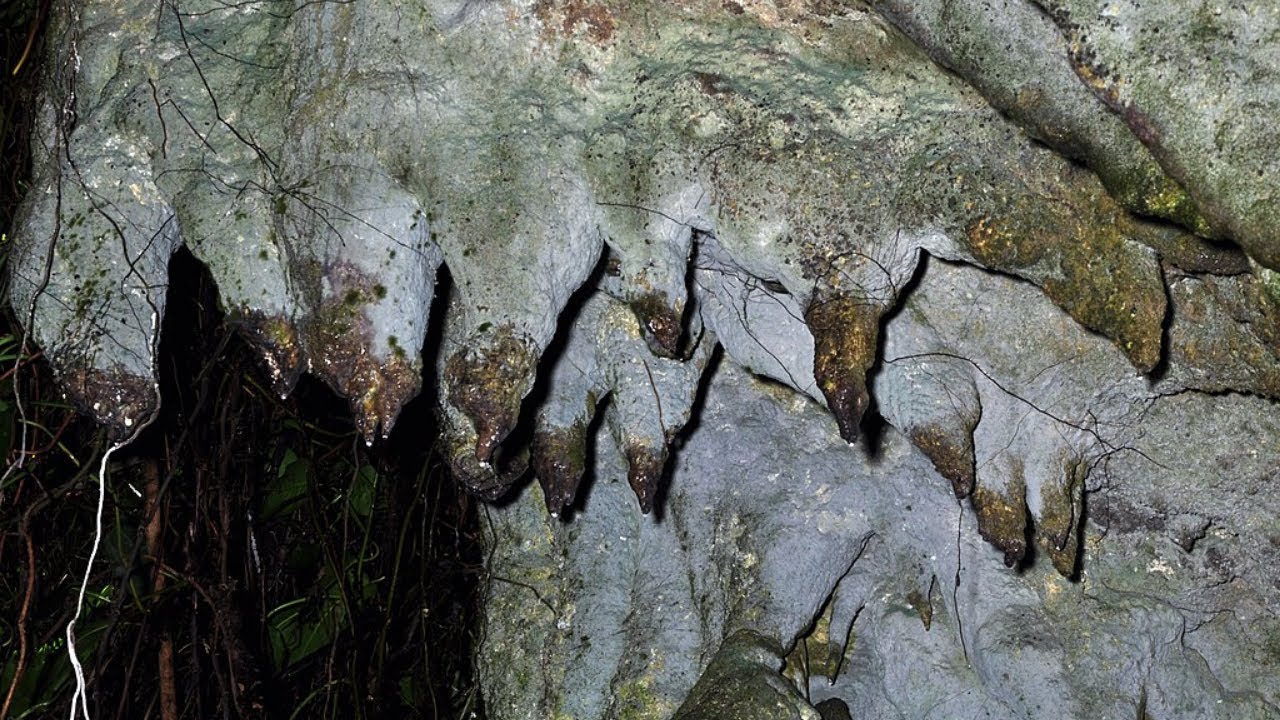
The Amabere Caves are primarily known for their impressive stalactites and stalagmites, formed over thousands of years through natural geological processes. Mineral-rich water seeps through the rock above the cave, depositing calcium carbonate that gradually builds into hanging formations. These formations resemble dripping milk, which has contributed to both the name and the legend associated with the site.
The constant dripping of water creates a dynamic environment within the cave, where formations continue to evolve over time. The cool, damp interior contrasts sharply with the warm climate outside, offering visitors a refreshing and almost mystical atmosphere. The cave walls display layers of rock shaped by erosion, adding to the visual complexity of the site.
A small waterfall flows near the cave entrance, enhancing the sensory experience with the sound of cascading water and the presence of lush vegetation. This natural combination of rock, water, and greenery makes the caves not only geologically significant but also visually captivating.
Cultural Legend and Historical Significance
The name “Amabere” translates to “breasts” in the local language, and the caves are deeply connected to a powerful legend from the Tooro Kingdom. According to local folklore, a king punished his daughter, Nyinamwiru, for refusing marriage by cutting off her breasts. The stalactites are believed to represent the milk that continues to flow from her, symbolizing both suffering and resilience.
This story has been passed down through generations and remains a central part of the cultural identity of the region. Visitors to the caves often hear this legend from local guides, who provide context and interpretation, connecting the physical formations to the spiritual and historical narrative.
The caves are considered a cultural heritage site, and their significance extends beyond tourism. They serve as a reminder of traditional beliefs, social structures, and the storytelling traditions that shape community identity.
Exploring the Crater Lakes Around the Caves
Beyond the caves themselves, the surrounding area is dotted with beautiful crater lakes formed by ancient volcanic activity. These lakes add another dimension to the Amabere experience, offering breathtaking views and opportunities for exploration.
Hiking trails lead visitors from the caves to elevated viewpoints overlooking the crater lakes. The climb can be moderately challenging but is highly rewarding, with panoramic vistas of the lakes, hills, and distant mountains. The calm waters of the lakes reflect the sky and surrounding greenery, creating picture-perfect scenery.
The crater lakes also support diverse ecosystems, with birds and small wildlife inhabiting the area. This makes the region appealing not only to adventure seekers but also to nature lovers and photographers.
Activities and Experiences at Amabere Caves
A visit to the Amabere Caves offers a variety of activities that cater to different interests. Exploring the cave itself is the main attraction, allowing visitors to observe the stalactites up close and experience the cool, enclosed environment. Guides provide explanations of both the geological processes and the cultural legend, enriching the visit.
Hiking to the crater lakes is another popular activity. The trails wind through scenic landscapes, offering opportunities to enjoy fresh air, exercise, and stunning views. The combination of physical activity and natural beauty makes this a highlight for many visitors.
Photography is particularly rewarding at the site. The interplay of light and shadow within the cave, combined with the vibrant colors of the surrounding landscape, creates diverse photographic opportunities. From close-up shots of rock formations to wide-angle views of crater lakes, the area offers endless creative possibilities.
Visitors can also engage with local communities, learning about traditions, crafts, and daily life in the region. This cultural interaction adds depth to the experience, transforming a simple visit into a meaningful exchange.
Accessibility and Travel Logistics
The Amabere Caves are located a short distance from Fort Portal, making them easily accessible for both local and international travelers. Fort Portal itself is well-connected by road to major cities such as Kampala, with the journey offering scenic views of Uganda’s countryside.
From Fort Portal, visitors can reach the caves by car, motorcycle, or guided tour. The relatively short distance makes it possible to visit the caves as part of a day trip, although many travelers choose to combine the visit with other attractions in the region, such as crater lakes, tea plantations, and national parks.
The site has basic facilities and is managed to accommodate visitors while preserving its natural and cultural integrity. Hiring a local guide is recommended to gain a full understanding of the site’s significance.
Best Time to Visit Amabere Caves
The caves can be visited throughout the year, but seasonal conditions influence the experience. During the rainy seasons, the waterfall and surrounding vegetation are at their most vibrant, creating a lush and dramatic setting. However, trails may be slippery, requiring caution during hikes.
In the dry seasons, the trails are easier to navigate, and the weather is more predictable, making it an ideal time for hiking and exploration. Regardless of the season, the caves themselves remain accessible, offering a cool and sheltered environment.
Morning visits are often preferred, as they provide cooler temperatures and better lighting for photography. Early visits also allow for a more peaceful experience before larger groups arrive.
Why Amabere Caves Stand Out
The Amabere Caves stand out for their unique combination of natural and cultural elements. Few destinations offer such a seamless blend of geological formations, scenic landscapes, and powerful storytelling. The connection between the stalactites and local legend adds a layer of meaning that goes beyond visual appreciation.
The proximity to Fort Portal and other attractions in western Uganda further enhances the appeal of the caves. Visitors can easily incorporate the site into a broader यात्रा itinerary, exploring nearby national parks, crater lakes, and cultural sites.
The Amabere Caves in Fort Portal represent one of Uganda’s most compelling destinations, where geology, culture, and natural beauty converge. From the striking stalactites within the cave to the breathtaking crater lakes above, the experience is both visually stunning and culturally enriching.
For travelers seeking a destination that offers more than just scenery, the Amabere Caves provide a meaningful journey into the heart of Uganda’s heritage and landscape. Whether you are drawn by the legend, the adventure, or the beauty of the surroundings, a visit to this remarkable site promises an unforgettable experience.