Akagera National Park Rwanda: Big Five, Boat Safaris & Wetland Birds
Akagera National Park is Rwanda’s premier savannah and wetland wildlife destination, offering a rare combination of Big Five sightings, scenic boat safaris, and exceptional birdwatching opportunities. Situated in the country’s eastern region, the park spans over 1,100 square kilometers, encompassing lakes, rivers, grasslands, and swamps. This diverse landscape supports a rich variety of wildlife, from lions and elephants to hippos and crocodiles, as well as a multitude of waterbirds and endemic species.
Visiting Akagera provides an authentic safari experience within Rwanda, blending terrestrial and aquatic ecosystems. The park’s accessibility from Kigali, organized game drives, and boat excursions make it an ideal destination for travelers seeking adventure, wildlife photography, and ecological diversity. Understanding what Akagera has to offer—from Big Five sightings to wetland exploration—is essential for planning an unforgettable Rwandan safari.
Big Five and Land Wildlife
Akagera is home to Rwanda’s iconic Big Five, making it a focal point for safari enthusiasts. The park successfully reintroduced lions, elephants, and black rhinos after years of absence, complementing long-standing populations of buffalo and leopards. Visitors can encounter these majestic animals on guided game drives, typically conducted in open 4×4 vehicles for optimal viewing and photography.
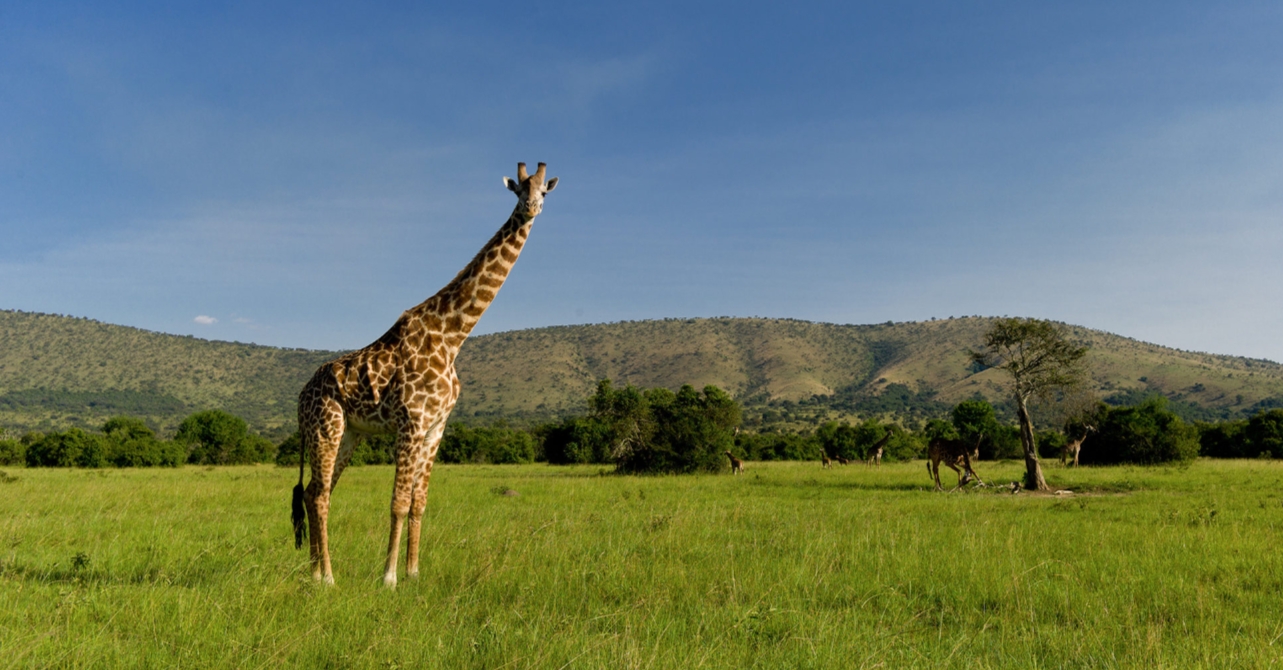
Beyond the Big Five, Akagera hosts a wide range of other wildlife species. Giraffes, zebras, impalas, waterbucks, and warthogs roam the grasslands, while hippos and crocodiles inhabit rivers and swamps. Predators such as hyenas, jackals, and servals are also present, though more elusive. Guides use their knowledge of animal behavior, terrain, and seasonal patterns to locate wildlife efficiently, offering visitors rewarding encounters in a relatively compact park setting.
Game drives in Akagera are designed for both early mornings and late afternoons. Morning drives allow visitors to catch predators on the move and observe grazing herbivores in cooler temperatures, while late afternoon drives often provide stunning photographic opportunities as golden light illuminates the savannah. Each drive is structured to maximize sightings while respecting animal welfare and park regulations.
Boat Safaris and Aquatic Ecosystems
Akagera’s waterways provide a unique safari dimension through boat excursions. The park encompasses several lakes and rivers, including Lake Ihema, Lake Rwanyakazinga, and the Akagera River, which sustain abundant aquatic life. Boat safaris allow visitors to observe hippos, crocodiles, and water-dependent species while navigating calm waters framed by papyrus swamps and floodplain forests.
These aquatic excursions also offer excellent birdwatching opportunities. Wetland birds such as the African fish eagle, herons, storks, and jacanas are abundant, with some rare or endemic species inhabiting the papyrus marshes. Boat safaris combine wildlife viewing with ecological education, providing insights into how aquatic and terrestrial ecosystems intersect in supporting biodiversity.
Boat trips can be customized based on visitor interest. Short excursions focus on birdwatching and wildlife observation, while longer trips may include photography tours, sunset cruises, and guided ecological commentary. This versatility makes Akagera a destination that appeals to both casual tourists and dedicated wildlife enthusiasts.
Birdwatching Paradise
Akagera is a prime destination for birdwatchers, with over 500 recorded species. The park’s diverse habitats—savannahs, wetlands, lakes, and forests—support a wide array of resident and migratory birds. Species of interest include shoebills, pelicans, African jacanas, kingfishers, and various raptors. Seasonal migrations further enhance bird diversity, offering year-round opportunities for observation and photography.
Guided birdwatching walks provide both educational and immersive experiences. Knowledgeable guides help identify species, explain behavioral patterns, and highlight nesting and feeding areas. These excursions are often complemented by morning game drives or boat safaris, allowing visitors to combine multiple wildlife experiences in a single itinerary.
Birding in Akagera also supports conservation awareness. By observing these species in their natural habitats, visitors gain insights into wetland preservation, migratory patterns, and ecosystem health. The park’s commitment to maintaining diverse habitats ensures that both rare and common bird species thrive alongside larger mammals.
Conservation Success and Community Engagement
Akagera’s restoration represents one of Rwanda’s most successful conservation stories. After years of poaching and habitat loss, strategic reintroductions of lions, elephants, and rhinos, coupled with anti-poaching measures and community involvement, have revitalized the park. Ranger patrols, ecological monitoring, and wildlife research ensure long-term sustainability.
Local communities benefit directly from park tourism. Revenue from entry fees, guided tours, and accommodation projects supports community development, education, and employment initiatives. These programs strengthen local support for conservation, creating a positive feedback loop between wildlife protection and human livelihoods. Visitors thus contribute to both ecological preservation and socio-economic development.
Safari Planning and Visitor Tips
Akagera is accessible from Kigali, with a drive of approximately two to three hours. Day trips or overnight stays are possible, depending on visitor preference. Lodges and camps within and around the park provide comfortable accommodations, ranging from luxury safari lodges to eco-friendly tents, allowing travelers to experience the park at their own pace.
Best times to visit are during the dry seasons, typically from June to September and December to February. During these periods, wildlife congregates near water sources, vegetation is thinner for easier viewing, and roads and trails are more navigable. Early morning and late afternoon drives offer the most reliable wildlife sightings and optimal lighting for photography.
Visitors should prepare for a range of experiences. Binoculars, cameras with telephoto lenses, insect repellent, sunscreen, and comfortable walking shoes are recommended. Guides provide instructions on maintaining safe distances from wildlife, particularly elephants and lions, and on responsible behavior during boat excursions and birdwatching activities.
Conclusion
Akagera National Park exemplifies the diversity and beauty of Rwanda’s wildlife landscapes. From the thrill of Big Five encounters and scenic boat safaris to the serenity of wetland birdwatching, the park offers an unparalleled safari experience within a compact and accessible setting. Strategic conservation efforts, community engagement, and sustainable tourism practices ensure that Akagera remains a vibrant habitat for both animals and humans.
Whether seeking adventure, photography, or ecological education, visitors to Akagera gain a deeper appreciation for Rwanda’s natural heritage and contribute to the ongoing protection of its remarkable biodiversity.