Why Planting Trees Is the Most Powerful Thing You Can Do for Africa
Trees Are Central to Africa’s Survival and Future
Across Africa, environmental pressures are increasing at an alarming pace. Climate change, rapid urbanization, population growth, deforestation, land degradation, water scarcity, biodiversity loss, and declining agricultural productivity are affecting ecosystems and human communities in nearly every region of the continent.
In the middle of these growing challenges, one solution continues to stand out because of its simplicity, affordability, and long-term impact: planting trees.
Tree planting is far more than an environmental campaign or symbolic conservation activity. Trees are foundational to ecological stability, climate regulation, food production, water conservation, biodiversity protection, and public health. They support human survival while also sustaining the ecosystems upon which wildlife and natural resources depend.
For Africa, where millions of people rely directly on agriculture, forests, rainfall systems, and natural landscapes for their livelihoods, trees are essential infrastructure. They influence climate patterns, restore damaged ecosystems, improve soil fertility, reduce environmental disasters, and provide economic opportunities for rural and urban populations alike.
The importance of tree planting is especially critical in Africa because the continent is simultaneously experiencing rapid development and increasing climate vulnerability. While Africa contributes a relatively small percentage of global carbon emissions, it remains one of the regions most affected by climate change.
Planting trees is therefore not just an environmental activity. It is a direct investment in Africa’s environmental resilience, economic sustainability, food security, water systems, public health, and future generations.
Africa’s Deforestation Problem
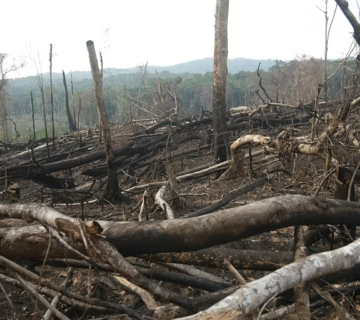
Africa loses millions of hectares of forest cover every year due to human activity and environmental pressure.
Major causes of deforestation include:
Charcoal production
Commercial logging
Agricultural expansion
Infrastructure development
Urban growth
Illegal timber harvesting
Settlement expansion
Wildfires and land clearing
In many countries, forests are cut faster than they can naturally regenerate. Rural populations often depend heavily on firewood and charcoal for cooking and heating because affordable alternative energy sources remain limited.
As forests disappear, ecosystems begin to deteriorate rapidly.
Deforestation causes:
Soil erosion
Loss of biodiversity
Declining rainfall patterns
Increased desertification
Reduced water retention
Flooding and landslides
Loss of wildlife habitats
Rising local temperatures
The destruction of forests weakens environmental systems that communities depend on for survival.
In mountain areas, deforestation increases the risk of landslides and water shortages. In dry regions, it accelerates desertification. Around rivers and lakes, loss of vegetation contributes to sedimentation and declining water quality.
Tree planting is one of the most effective ways to reverse this environmental degradation and restore ecological balance.
Trees and Climate Change Mitigation
Climate change is one of the greatest environmental threats facing Africa today.
The continent is already experiencing:
Extended drought periods
Unpredictable rainfall seasons
Crop failures
Flooding events
Heat waves
Shrinking water sources
Food insecurity
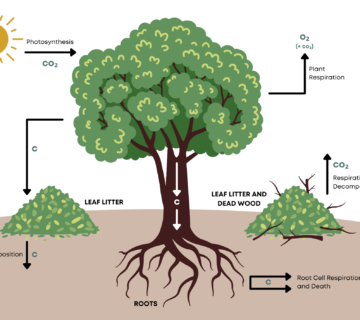
Trees play a crucial role in mitigating climate change because they absorb carbon dioxide from the atmosphere through photosynthesis.
Carbon dioxide is one of the primary greenhouse gases responsible for global warming. Forests act as carbon sinks by storing carbon in tree trunks, branches, roots, and soils.
Large-scale tree planting contributes to:
Reducing atmospheric carbon levels
Lowering greenhouse gas concentrations
Improving climate regulation
Reducing surface temperatures
Increasing environmental resilience
A mature tree can absorb significant amounts of carbon dioxide over its lifetime while also cooling surrounding environments through shade and evapotranspiration.
In urban areas, increased tree cover helps reduce heat island effects where concrete and infrastructure trap excessive heat.
Reforestation and afforestation projects are now recognized globally as essential climate action strategies, and Africa has enormous potential for ecosystem restoration through large-scale tree planting programs.
The Importance of Forests in Rainfall Formation
Trees are deeply connected to rainfall systems and water cycles.
Forests release moisture into the atmosphere through transpiration, contributing to cloud formation and rainfall regulation.
Healthy forest systems help:
Maintain local and regional rainfall patterns
Stabilize humidity levels
Reduce drought vulnerability
Protect watersheds and river systems
When forests disappear, rainfall patterns often become less predictable and drought conditions become more severe.
In many African regions where agriculture depends heavily on seasonal rains, forest destruction can directly affect food production and water availability.
Tree planting therefore contributes not only to environmental restoration but also to long-term climate stability and agricultural sustainability.
Water Conservation and Watershed Protection
Water security is becoming one of Africa’s most urgent environmental concerns.
Rapid population growth, climate change, pollution, and environmental degradation are placing enormous pressure on freshwater resources.
Trees help protect water systems in several important ways:
Reducing soil erosion into rivers and lakes
Improving groundwater recharge
Stabilizing riverbanks
Maintaining wetland ecosystems
Increasing water infiltration into soils
Reducing flood runoff
Forested catchment areas are especially important because they regulate water flow and protect drinking water sources.
Without vegetation cover, rainfall quickly runs off bare ground, carrying sediment into rivers and reducing water quality.
Tree planting around wetlands, springs, lakes, and rivers helps preserve these vital ecosystems while improving long-term water availability for communities and agriculture.
Combating Soil Erosion and Land Degradation
Soil degradation is a major challenge across many African countries.
Heavy rainfall, overgrazing, deforestation, and unsustainable farming practices often strip fertile topsoil from the land.
This leads to:
Reduced agricultural productivity
Loss of nutrients
Declining crop yields
Desertification
Reduced food security
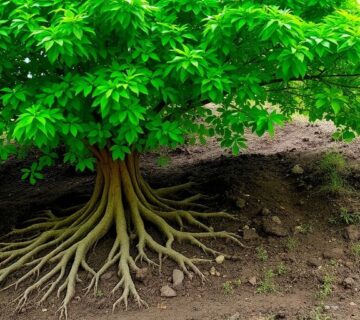
Trees help stabilize soils through extensive root systems that hold soil together and reduce erosion caused by wind and rain.
Leaf litter and organic matter from trees also improve soil fertility by:
Adding nutrients
Enhancing microbial activity
Improving moisture retention
Reducing soil compaction
Agroforestry systems, where trees are integrated with farming activities, are increasingly promoted as sustainable agricultural solutions in Africa.
These systems improve productivity while protecting environmental health.
Tree Planting and Food Security
Agriculture remains the primary livelihood source for much of Africa’s population.
However, farming productivity depends heavily on healthy ecosystems and stable climate conditions.
Trees support food production by:
Protecting crops from strong winds
Reducing evaporation from soils
Improving rainfall regulation
Enhancing pollinator habitats
Increasing soil fertility
Fruit-bearing trees also provide direct nutritional benefits and income opportunities for households.
Common agroforestry species such as mango, avocado, moringa, and jackfruit provide:
Food
Shade
Animal fodder
Economic products
Tree planting therefore contributes directly to both environmental sustainability and household food security.
Biodiversity and Wildlife Conservation
Africa contains some of the world’s most important ecosystems and wildlife habitats.
Forests and natural vegetation support:
Elephants
Mountain gorillas
Chimpanzees
Bird populations
Pollinators
Medicinal plants
Endangered species
Habitat destruction caused by deforestation threatens biodiversity across the continent.
Tree planting and ecosystem restoration help:
Reconnect fragmented habitats
Restore ecological balance
Protect endangered species
Improve ecosystem resilience
Healthy ecosystems are also essential for tourism industries that generate significant revenue and employment across Africa.
Wildlife tourism depends heavily on intact forests, savannahs, and wetland systems.
Urban Tree Planting and Public Health
Urbanization is increasing rapidly across Africa.
Many cities face challenges including:
Air pollution
Heat stress
Poor waste management
Limited green spaces
Flooding and drainage problems
Urban tree planting helps improve city environments by:
Filtering air pollutants
Reducing temperatures
Providing shade
Improving mental well-being
Reducing flood risks
Green spaces also contribute to healthier and more livable urban communities.
Public parks, roadside trees, and urban greening initiatives increasingly play important roles in sustainable city planning.
Economic Value of Trees
Trees provide both direct and indirect economic benefits.
They support industries and livelihoods through:
Fruit production
Timber and construction materials
Medicinal products
Honey production
Eco-tourism
Fuelwood and energy resources
Environmental restoration projects also create employment opportunities in:
Nursery operations
Forest management
Conservation programs
Land restoration projects
Community environmental initiatives
In rural areas, sustainable forestry and agroforestry can become important income-generating activities.
Community Empowerment Through Tree Planting
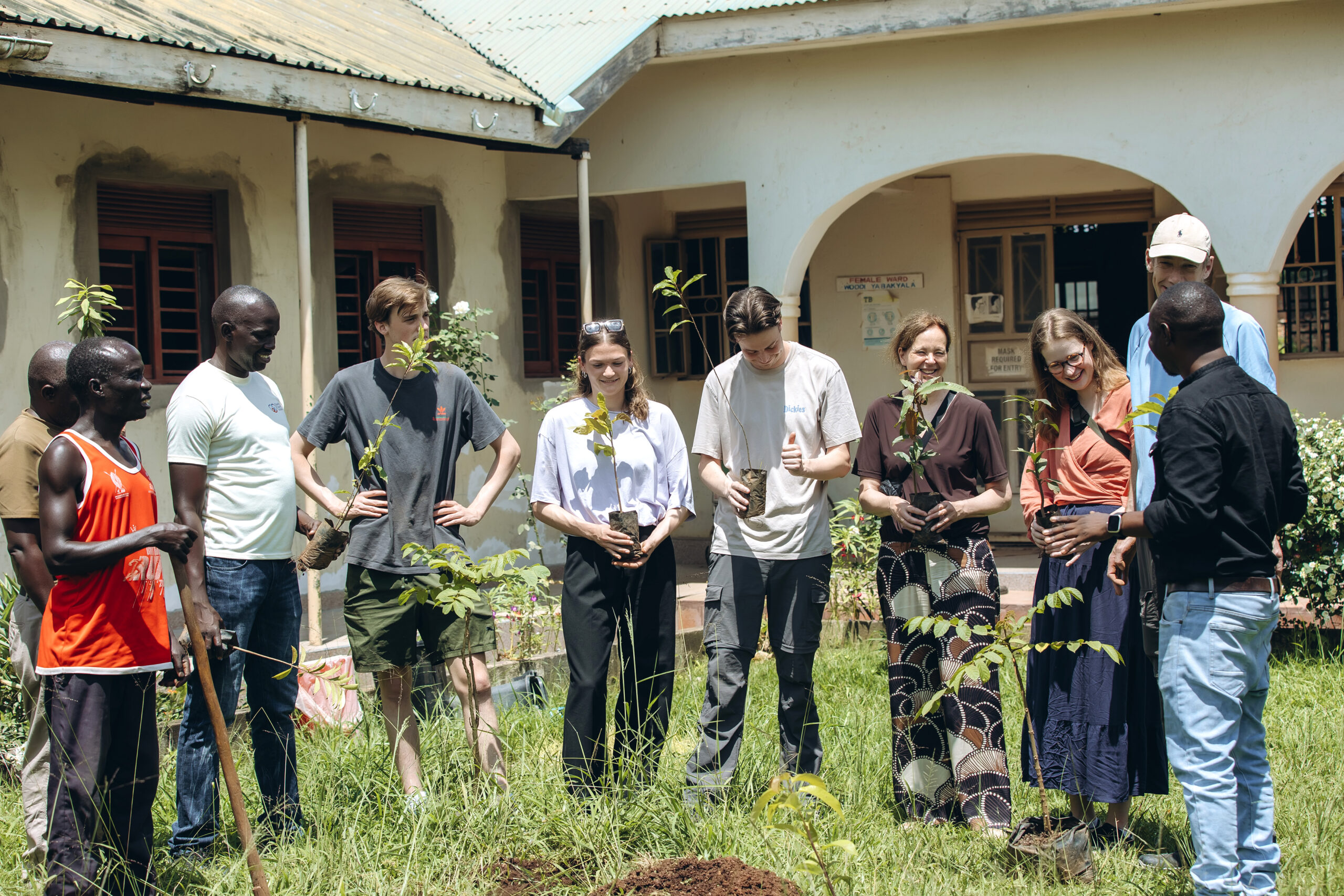
Tree planting programs often strengthen communities by encouraging collective action and environmental responsibility.
Community-based environmental initiatives involve:
Schools
Youth groups
Women’s associations
Local governments
Religious organizations
Conservation groups
These projects promote:
Environmental education
Community ownership
Leadership development
Climate awareness
Social cooperation
When communities actively participate in restoring their environments, conservation efforts become more sustainable and locally supported.
Indigenous Trees and Ecological Restoration
Planting indigenous tree species is critical for ecological restoration.
Native trees are adapted to local environmental conditions and support local biodiversity more effectively than many exotic species.
Benefits of indigenous trees include:
Better survival rates
Improved habitat for native wildlife
Lower maintenance requirements
Enhanced ecological balance
Restoring indigenous forests is especially important for long-term ecosystem health and resilience.
The Importance of Long-Term Tree Care
Planting trees alone is not enough.
Many tree planting campaigns fail because seedlings are neglected after planting.
Successful reforestation requires:
Regular watering
Protection from livestock
Monitoring survival rates
Replacement of dead seedlings
Community involvement in maintenance
Tree monitoring and care determine whether environmental restoration efforts succeed over the long term.
Youth and Africa’s Environmental Future
Young people are increasingly becoming leaders in environmental activism across Africa.
School greening programs and youth-led climate initiatives help create environmentally conscious future generations.
Youth participation is essential because today’s environmental decisions will shape Africa’s future ecological and economic stability.
Environmental education combined with practical conservation activities builds long-term environmental stewardship.
Planting Trees Is an Investment in Africa’s Survival
Planting trees is one of the most powerful actions individuals, communities, governments, and organizations can take to protect Africa’s future.
Trees restore ecosystems, stabilize climates, improve agriculture, conserve biodiversity, protect water sources, reduce environmental disasters, support economies, and strengthen public health.
In a continent facing increasing environmental pressure, tree planting represents hope, resilience, and practical long-term action.
Every restored forest, protected watershed, and planted tree contributes to building a greener, healthier, and more sustainable Africa for future generations.
All In Africa Safaris Remarks
At All In Africa Safaris, we strongly believe that environmental conservation is the foundation upon which Africa’s tourism, wildlife, communities, and future development depend. The forests, mountains, rivers, savannahs, and wildlife ecosystems that make Africa one of the world’s greatest travel destinations cannot survive without responsible environmental stewardship and active conservation efforts. Tree planting is one of the most practical and impactful ways to restore damaged ecosystems, combat climate change, improve biodiversity, and support local livelihoods across the continent. Through environmental awareness campaigns, community partnerships, school greening initiatives, and sustainable tourism practices, we encourage both travelers and local communities to become active participants in protecting Africa’s natural heritage. We believe that every tree planted contributes to cleaner air, healthier water systems, stronger ecosystems, and greater climate resilience for future generations.
Environmental sustainability is not only about protecting wildlife and landscapes today but ensuring that future generations continue to experience Africa’s extraordinary beauty, biodiversity, and cultural richness. By supporting tree planting campaigns and conservation-focused initiatives, communities and visitors alike become part of a long-term movement working toward a greener, healthier, and more environmentally sustainable Africa.