Akagera National Park Boat Safari: Hippos, Crocs & Shoreline Wildlife
A boat safari in Akagera National Park is one of the most immersive and rewarding wildlife experiences in Rwanda, offering a completely different perspective from traditional game drives. While most safaris in East Africa focus on land-based exploration, the opportunity to explore wildlife from the water transforms the entire experience into something calmer, more intimate, and often more productive for sightings.
Located in eastern Rwanda along the Tanzanian border, Akagera National Park is the country’s only savannah park and a remarkable conservation success story. The park is characterized by rolling plains, acacia woodlands, wetlands, and a chain of lakes that create one of the most diverse ecosystems in the region. Among these lakes, Lake Ihema stands out as the prime location for boat safaris, attracting large concentrations of wildlife that depend on water for survival.
Unlike game drives where animals may be scattered across vast landscapes, a boat safari concentrates wildlife encounters along the shoreline. This makes it one of the most reliable ways to see multiple species within a short period, often at closer range and with fewer obstructions.
Lake Ihema: The Wildlife Hub of Akagera
Lake Ihema is the centerpiece of the Akagera boat safari and one of the most important ecological zones within the park. As the second-largest lake in Rwanda, it plays a critical role in sustaining both aquatic and terrestrial wildlife. Its combination of open water, papyrus swamps, and grassy shorelines creates ideal habitats for a wide range of species.
Within Akagera National Park, Lake Ihema acts as a natural gathering point, especially during dry periods when animals are drawn to reliable water sources. This concentration effect makes the lake one of the most productive areas for wildlife viewing in Rwanda.
The calm waters of Lake Ihema also contribute to the peaceful nature of the experience. As the boat glides slowly across the surface, the environment feels quiet and undisturbed, allowing visitors to observe animal behavior in a more natural setting compared to the sometimes hurried pace of vehicle-based safaris.
Hippos: The Dominant Force on the Water
Hippos are the undisputed stars of the Akagera boat safari, often seen in large groups resting in the water during the day. These massive semi-aquatic mammals spend most of their daylight hours submerged to protect their skin from the sun, emerging mainly at night to graze on land.
On Lake Ihema in Akagera National Park, hippo pods can include dozens of individuals clustered together in specific sections of the lake. Visitors often observe them bobbing just beneath the surface, occasionally surfacing with a snort or opening their mouths in dramatic displays.
The behavior of hippos during a boat safari can be both fascinating and unpredictable. While they appear calm, they are territorial animals, and guides maintain a respectful distance to ensure safety. Their movements through the water, along with the sounds they produce, create a dynamic and memorable wildlife encounter.
Nile Crocodiles: Masters of Camouflage
Nile crocodiles are another key highlight of the boat safari, adding a sense of raw wilderness to the experience. These ancient reptiles are often seen basking on the shores of Lake Ihema, using the sun to regulate their body temperature.
Within Akagera National Park, crocodiles blend seamlessly into their surroundings, making them difficult to spot without the trained eye of a guide. They can remain motionless for long periods, conserving energy while waiting for potential prey.
Observing crocodiles in their natural habitat offers insight into one of Africa’s most efficient predators. Their presence reinforces the balance of the ecosystem, where predator and prey interactions shape the behavior of animals along the shoreline.
Shoreline Wildlife: A Gathering Point for Animals
One of the greatest advantages of a boat safari is the ability to observe animals as they come to the water’s edge. The shoreline becomes a stage where multiple species interact, creating dynamic wildlife scenes that are difficult to replicate elsewhere.
Within Akagera National Park, visitors may encounter buffalo herds drinking cautiously, antelope species such as impala and waterbuck grazing nearby, and even elephants approaching the lake to bathe or cool off.
These moments provide a more intimate understanding of animal behavior. Without the noise of engines or the distance created by vehicles, the boat safari allows for quiet observation, often revealing subtle interactions between species that would otherwise go unnoticed.
Birdlife: A Paradise for Birdwatchers
The wetlands and open waters of Akagera make it one of the top birding destinations in Rwanda, and the boat safari is the best way to experience this diversity. The lake environment supports a wide range of bird species, from large aquatic birds to smaller, colorful species.
Within Akagera National Park, sightings often include African fish eagles, whose distinctive calls echo across the water, as well as herons, egrets, and kingfishers actively feeding along the shoreline.
For dedicated birdwatchers, the possibility of spotting rare species such as the shoebill adds excitement to the experience. Although not guaranteed, the presence of such iconic birds highlights the ecological richness of the park.
The Boat Safari Experience: What Happens on the Water
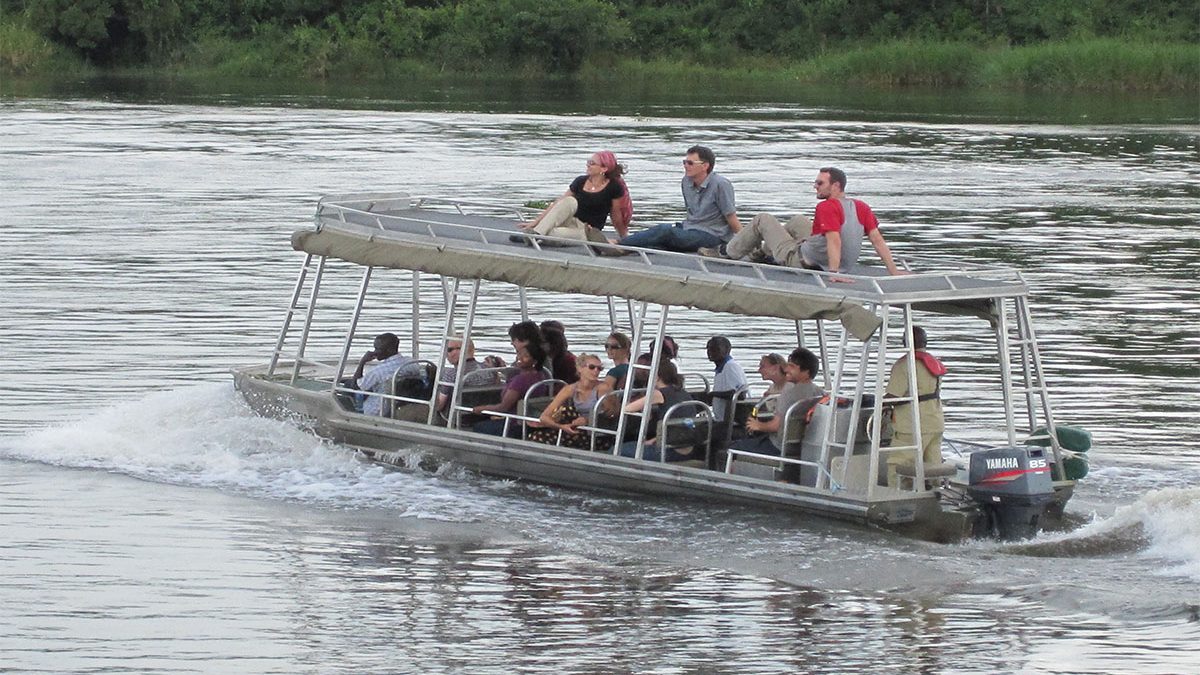
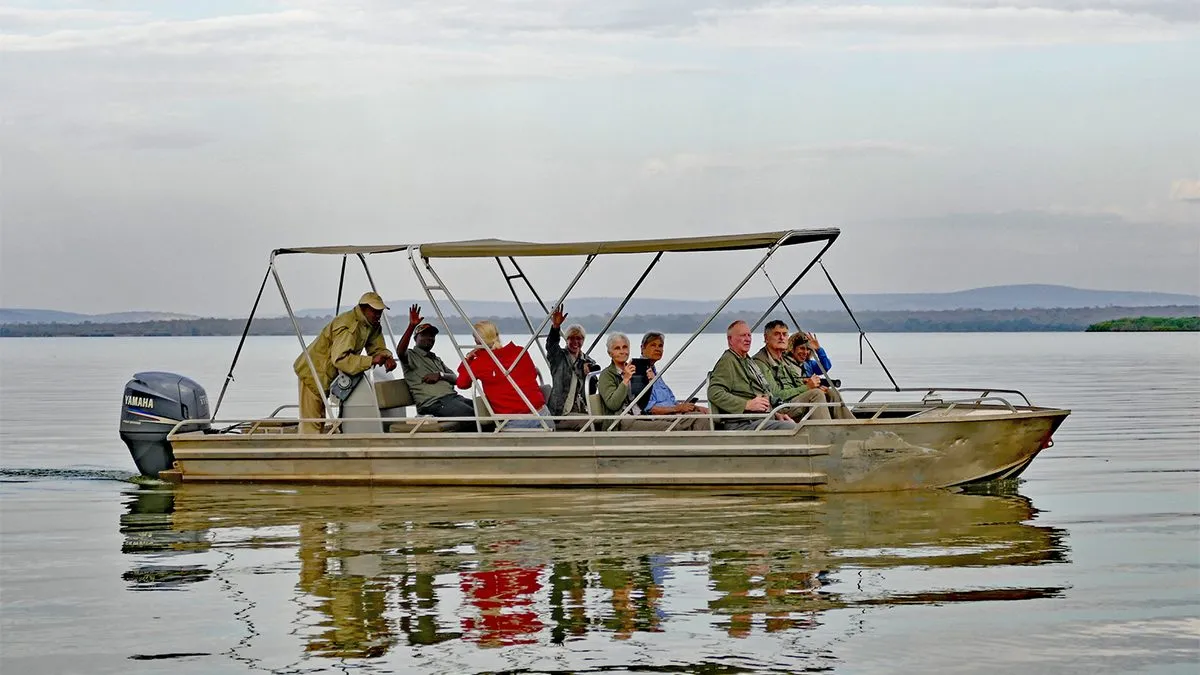
A typical boat safari on Lake Ihema lasts between one and two hours and is guided by experienced park staff. The journey is conducted at a slow pace, allowing time to observe wildlife and take photographs without rushing.
As the boat moves through Akagera National Park, guides share insights into animal behavior, conservation efforts, and the history of the park. This educational aspect enhances the experience, making it more than just a sightseeing activity.
The relaxed nature of the boat safari makes it suitable for a wide range of travelers. Whether you are a first-time safari visitor or an experienced wildlife enthusiast, the experience offers something unique and memorable.
Best Time for a Boat Safari in Akagera
Timing plays a significant role in maximizing wildlife sightings during a boat safari. Dry seasons are generally the best periods to visit, as animals are more likely to gather around water sources.
Within Akagera National Park, early morning and late afternoon boat trips are particularly rewarding. These times coincide with increased animal activity and provide softer lighting conditions for photography.
Seasonal changes also affect the landscape and wildlife behavior. During wetter months, the park becomes lush and green, while dry periods create more concentrated wildlife viewing opportunities around lakes and rivers.
Photography Opportunities on the Boat Safari
A boat safari offers some of the most unique photography opportunities in Akagera National Park. The low angle from the water creates dramatic compositions, especially when capturing hippos, birds, and animals at the shoreline.
Within Akagera National Park, reflections on the water surface, combined with changing light conditions, allow photographers to capture striking images that differ from typical safari shots.
The proximity to wildlife enhances the overall photographic experience. Without the barriers of vegetation or distance, photographers can focus on detail, behavior, and composition more effectively.
Safety and Guided Experience
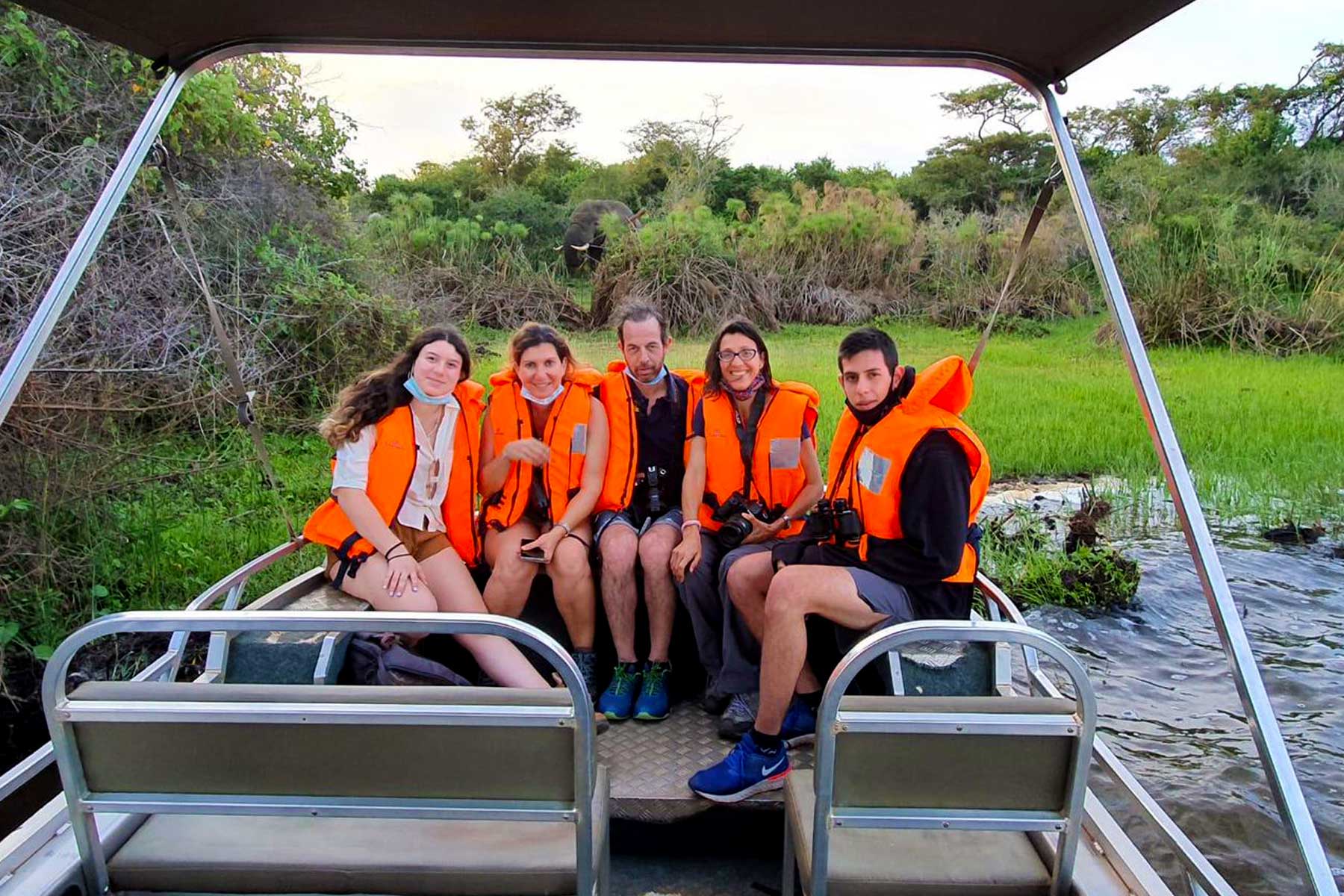
Safety is carefully managed during all boat safaris in Akagera, ensuring that visitors can enjoy the experience without risk. Guides are trained to understand animal behavior and maintain appropriate distances, particularly around hippos and crocodiles.
Within Akagera National Park, boats are operated with strict safety protocols, and life jackets are typically provided to all passengers.
The presence of knowledgeable guides adds both safety and depth to the experience. Their ability to interpret wildlife behavior and locate animals greatly enhances the overall quality of the safari.
Combining Boat Safari with Game Drives
For a complete safari experience, the boat safari should be combined with traditional game drives within Akagera National Park. While the boat focuses on aquatic and shoreline wildlife, game drives explore the wider savannah ecosystem.
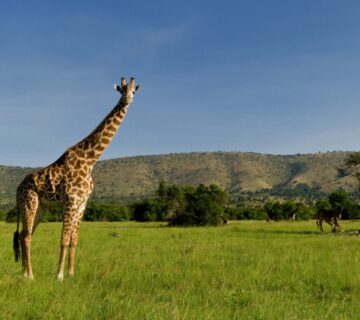
Within Akagera National Park, game drives provide opportunities to see lions, giraffes, zebras, and rhinos, complementing the species observed during the boat safari.
This combination creates a well-rounded safari itinerary. Visitors gain a deeper understanding of the park’s ecosystems by experiencing both land and water-based wildlife viewing.
A Unique Water-Based Safari Experience
The Akagera National Park boat safari stands out as one of Rwanda’s most unique wildlife experiences, offering close encounters with hippos, crocodiles, birds, and shoreline animals. It provides a peaceful yet highly productive way to explore the park’s ecosystems.
Within the diverse landscapes of Akagera National Park, the boat safari delivers a perspective that cannot be replicated on land, making it an essential part of any Rwanda safari itinerary.