Rwanda Tea Plantation Tour: Visiting Sorwathe Estate and Others
Overview of Rwanda’s Tea Tourism Experience
Rwanda’s tea plantation tours offer a deeply immersive journey into one of the country’s most important agricultural industries, blending scenic landscapes with hands-on cultural experiences. Set across the country’s rolling highlands, tea estates provide visitors with an opportunity to explore lush green hills, observe traditional harvesting methods, and understand the full journey from leaf to cup.
Tea tourism in Rwanda is centered around estates such as Sorwathe Tea Estate, as well as plantations near Nyungwe Forest and along the Congo Nile Trail corridor. These estates combine production facilities, guided tours, and often boutique accommodation, creating a well-rounded visitor experience.
Unlike conventional sightseeing, tea plantation tours engage all senses, offering visual beauty, cultural storytelling, and the distinct aroma of freshly processed tea.
The Story Behind Sorwathe Tea Estate
Sorwathe Tea Estate is one of Rwanda’s most renowned tea producers, known for its commitment to organic farming, sustainability, and high-quality specialty teas. Located in the northern highlands, the estate has gained international recognition for its ethical production practices and premium tea exports.
Visitors to Sorwathe experience a blend of traditional and modern tea production techniques, guided by knowledgeable staff who explain the estate’s history, cultivation methods, and global market reach. The estate also emphasizes environmental conservation and community development.
What sets Sorwathe apart is its focus on small-scale, high-quality tea production rather than mass industrial output, making it a standout destination for travelers interested in artisanal agriculture.
What to Expect on a Tea Plantation Tour
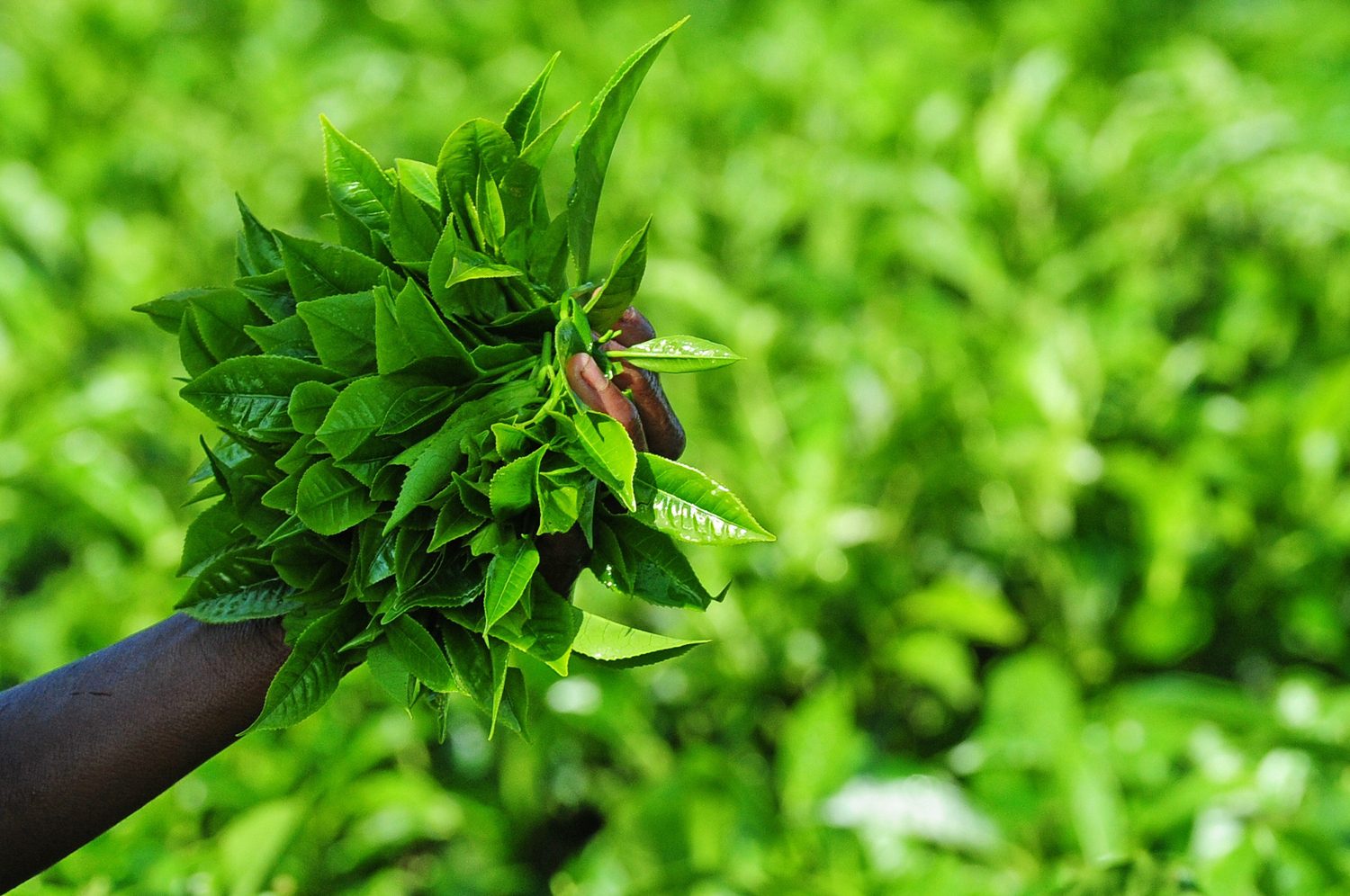
A typical tea plantation tour in Rwanda begins with a walk through the tea fields, where visitors observe local workers hand-picking tea leaves using traditional methods. Guides explain the importance of selecting the top two leaves and a bud, which ensures quality in tea production.
The experience continues inside the factory, where the transformation process takes place, including withering, rolling, oxidation, drying, and grading. Each stage is carefully explained, offering insight into how different tea varieties are produced.
Tours often conclude with a tea tasting session, where visitors sample freshly processed teas and learn to distinguish flavor profiles, aroma, and quality levels.
Other Tea Estates Worth Visiting in Rwanda
Beyond Sorwathe, Rwanda has several notable tea plantations that offer visitor experiences, particularly in the southwest near Nyungwe Forest. These estates are set against some of the most dramatic landscapes in the country.
Plantations such as Gisakura Tea Estate and Gisovu Tea Estate provide similar guided tours, often combined with scenic views of forested hills and nearby national parks. These locations are ideal for travelers exploring Nyungwe Forest National Park and looking to add a cultural experience to their itinerary.
Each estate offers a slightly different perspective on tea production, depending on scale, location, and management style.
Scenic Landscapes and Photography Opportunities
Rwanda’s tea plantations are among the most photogenic landscapes in East Africa, characterized by neatly trimmed green hills that stretch endlessly across the countryside. The uniform patterns of tea bushes create striking visual compositions.
Early morning and late afternoon are the best times for photography, as soft light enhances the contours of the hills and highlights the vibrant green tones. Workers in colorful clothing add a human element to the scenery.
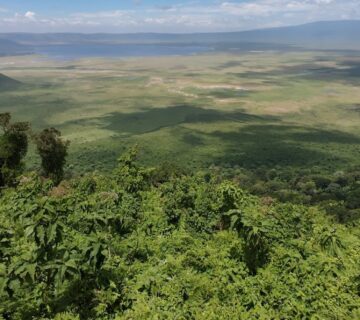
The elevated viewpoints around tea estates also provide sweeping panoramas that capture the essence of Rwanda’s “Land of a Thousand Hills.”
Cultural and Community Interaction
Tea plantation tours in Rwanda are closely tied to local communities, with many workers living in nearby villages and relying on tea farming as a primary source of income. Visitors often gain insight into rural life and agricultural traditions.
Some estates include opportunities to interact with workers, learn about daily routines, and understand the social impact of tea production. This adds a meaningful cultural dimension to the experience.
Community-based tourism initiatives around tea estates also support education, healthcare, and local development programs.
Best Time to Visit Tea Plantations in Rwanda
Tea plantations in Rwanda can be visited year-round, but the best time is during the dry seasons from June to September and December to February. These months offer clearer views and easier access to plantation roads.
Harvesting takes place throughout the year due to Rwanda’s favorable climate, meaning visitors can witness tea picking regardless of season. However, rainy periods can make walking through plantations more challenging.
The lush greenery of the plantations remains vibrant in all seasons, making it a consistently rewarding experience.
Combining Tea Tours with Other Experiences
Tea plantation visits are often combined with nearby attractions, particularly in regions close to Nyungwe Forest National Park or along the Congo Nile Trail. This allows travelers to balance nature, culture, and relaxation within a single itinerary.
Visitors can pair tea tours with chimpanzee tracking, canopy walks, or lakeside experiences along Lake Kivu. This creates a diverse travel experience across Rwanda’s western and northern regions.
The flexibility of tea tourism makes it an excellent addition to both short visits and extended Rwanda itineraries.
Final Thoughts on Rwanda Tea Plantation Tours
Rwanda’s tea plantation tours offer a unique blend of agriculture, culture, and landscape, making them one of the country’s most underrated travel experiences. They provide a deeper understanding of rural life and the global journey of tea production.
Whether visiting Sorwathe Tea Estate or exploring plantations near Nyungwe, travelers gain insight into both the craftsmanship and community behind Rwanda’s tea industry. It is an experience that complements wildlife tourism while offering a slower, more reflective connection to the land.
What a Tea Estate Tour Involves
A visit to Sorwathe or a similar estate typically includes a walk through the tea fields with a guide explaining the plucking process, followed by a tour of the processing factory where leaves are withered, rolled, oxidized and dried into the final product. Many estates end the tour with a tasting session, a fitting way to appreciate a crop that remains one of Rwanda’s most important agricultural exports.