Lake Kivu Rwanda: Swimming, Kayaking & Exploring Methane Islands
Lake Kivu is one of Africa’s most scenic and unusual freshwater lakes, offering a rare combination of safe swimming, tranquil kayaking, and fascinating geological phenomena beneath its surface. Situated along Rwanda’s western border with the Democratic Republic of Congo, the lake forms part of the Albertine Rift Valley and stretches across dramatic highland landscapes.
The lake’s shoreline connects key towns such as Gisenyi, Kibuye, and Cyangugu, each offering access to different sections of the lake and a range of water-based experiences. Its calm waters and relatively low presence of dangerous wildlife make it one of the few large African lakes where swimming is widely considered safe.
What truly sets Lake Kivu apart is its hidden methane gas reserves deep beneath the water, creating both an energy resource and a unique scientific environment rarely seen in natural lakes worldwide.
Swimming in Lake Kivu: Safety and Experience
Swimming in Lake Kivu is one of its biggest attractions, largely because it is free from large predators such as crocodiles and hippos in most developed areas. This makes it far safer than many other lakes in East Africa.
The lake’s clean, fresh water and gentle wave conditions create a relaxing swimming environment suitable for both casual swimmers and those looking to unwind after a safari. Popular swimming spots are found near Gisenyi and Kibuye, where beaches and lodges provide easy access.
However, while generally safe, swimming should always be done in designated areas, as the lake’s depth and underwater gas layers require awareness and caution.
Kayaking on Lake Kivu: A Scenic Adventure
Kayaking is one of the most immersive ways to explore Lake Kivu, offering close interaction with its shoreline, islands, and fishing communities. The calm nature of the lake makes it ideal for both beginners and experienced paddlers.
Guided kayaking trips often include island hopping, visits to local villages, and exploration of hidden coves along the lake’s edge. The experience combines physical activity with cultural discovery.
Sunset kayaking is particularly popular, as the lake’s reflective surface and surrounding hills create dramatic lighting conditions.
Exploring the Methane Islands and Underwater Gas Phenomenon
Lake Kivu is globally unique due to its massive deposits of dissolved methane gas trapped beneath its deep waters. This methane is formed through a combination of volcanic activity and organic decomposition over thousands of years.
Specialized extraction platforms are located on the lake, where methane is safely harvested and converted into energy for Rwanda. This makes Lake Kivu one of the few places in the world where a natural lake directly supports national energy production.
While often referred to as “methane islands,” these are not traditional islands but floating or fixed industrial platforms used for gas extraction. They are visible from certain points along the lake and add an unusual industrial contrast to the otherwise natural landscape.
Strict monitoring systems are in place to manage gas extraction safely, as the lake’s deep layers also contain carbon dioxide, creating a delicate ecological balance.
Lake Kivu’s Islands and Cultural Exploration
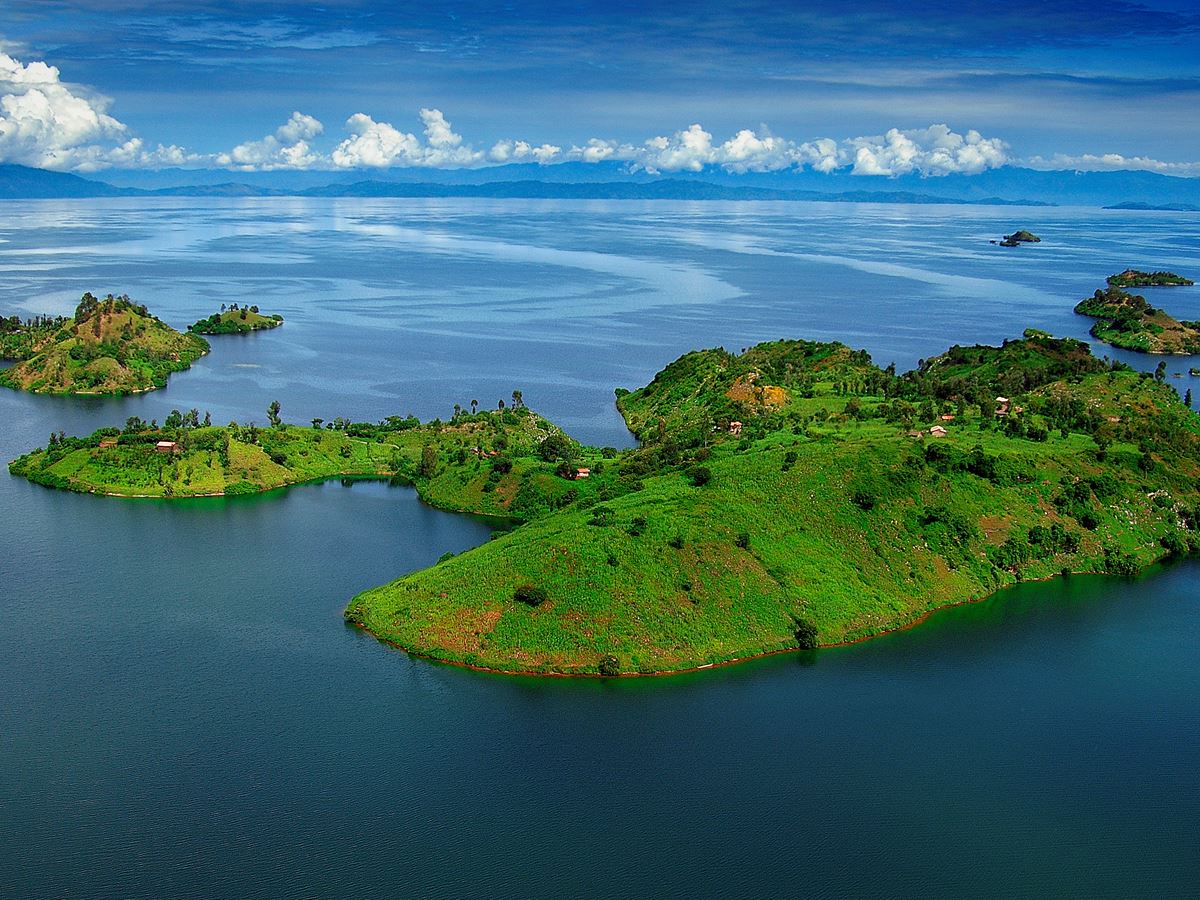
Beyond methane platforms, Lake Kivu is dotted with natural islands that offer cultural and historical significance. Some islands are inhabited, while others remain untouched and serve as bird habitats.
Boat trips from towns like Kibuye allow visitors to explore these islands, interact with local communities, and learn about traditional fishing practices. This adds a strong cultural dimension to the lake experience.
The islands also provide quiet, secluded environments ideal for relaxation, photography, and nature exploration.
Best Places to Experience Lake Kivu
The main access points to Lake Kivu each offer distinct experiences depending on your travel style. Gisenyi is known for its lively beaches and proximity to Volcanoes National Park, making it a popular stop after gorilla trekking.
Kibuye offers a more शांत and scenic environment, with rolling hills and island-dotted waters creating some of the most picturesque views on the lake. It is often considered the most beautiful section of Lake Kivu.
Cyangugu, near Nyungwe Forest National Park, provides a quieter and less visited gateway to the southern part of the lake, ideal for combining primate trekking with lakeside relaxation.
Best Time to Visit Lake Kivu
Lake Kivu can be visited year-round, but the dry seasons from June to September and December to February offer the best conditions for water activities. Calm waters and clear skies enhance both swimming and kayaking experiences.
During the rainy seasons, the lake remains accessible, but weather conditions can affect visibility and comfort during outdoor activities. However, the surrounding hills become greener and more vibrant.
Final Thoughts on Lake Kivu Experience
Lake Kivu stands out as one of East Africa’s most versatile destinations, combining relaxation, adventure, and scientific intrigue in a single location. It offers a refreshing contrast to traditional safari experiences focused on wildlife.
From safe swimming and scenic kayaking to the unique methane gas phenomenon beneath its surface, the lake delivers a multidimensional travel experience. Whether as a standalone destination or part of a broader Rwanda itinerary, Lake Kivu provides both tranquility and exploration in equal measure.