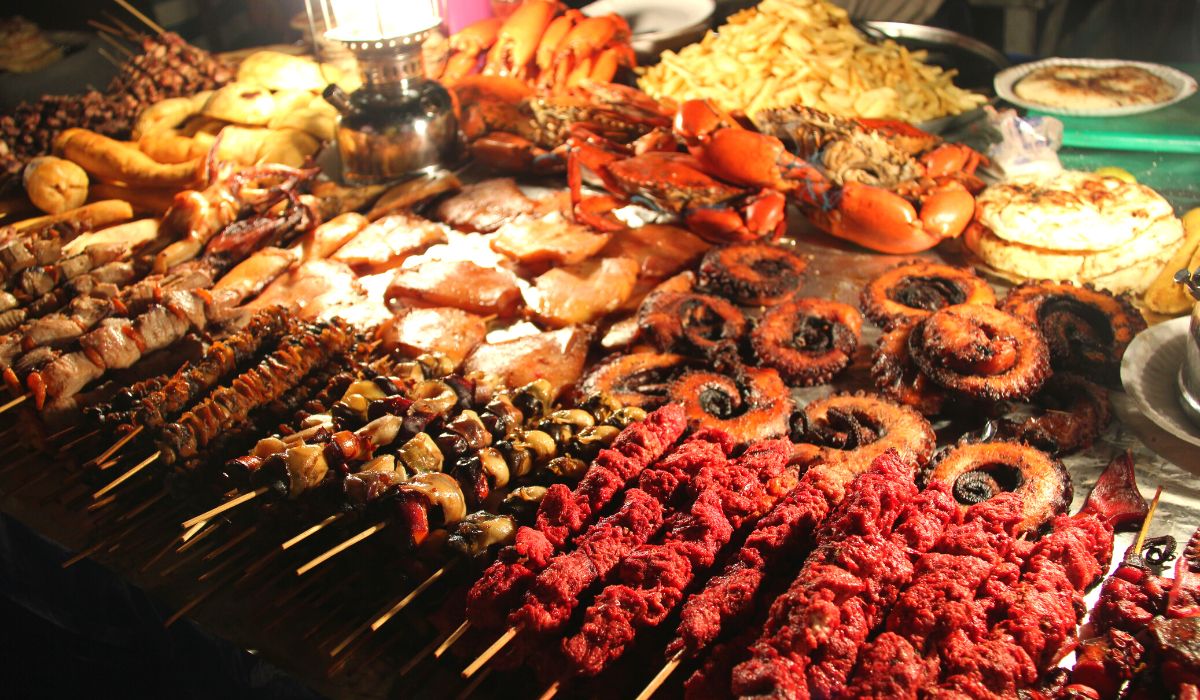
Zanzibar offers one of the most unique culinary experiences in East Africa, blending African, Arab, Indian, and Persian influences into rich and flavorful dishes. Located off the coast of Tanzania, the island is famously known as the “Spice Island,” and its cuisine reflects this identity through the use of cloves, cinnamon, cardamom, and other aromatic ingredients.
Food in Zanzibar is not just about eating—it is a cultural experience shaped by centuries of trade and cultural exchange. From street food markets to seafood restaurants and traditional Swahili kitchens, every meal tells a story of the island’s heritage.
Zanzibar Seafood Delights
Seafood is the heart of Zanzibar’s cuisine, thanks to its location along the Indian Ocean. Fresh fish, octopus, prawns, lobster, and squid are commonly served, often grilled or cooked in coconut-based sauces.
One of the most popular dishes is Grilled Octopus, known for its tender texture and rich flavor. Another favorite is fish curry, where freshly caught fish is simmered in spices and coconut milk, creating a creamy and aromatic meal.
Seafood is widely available across the island, especially in coastal areas and night markets. The freshness and variety make it a must-try for any visitor.
The Famous Zanzibar Pizza
A visit to Zanzibar is incomplete without trying Zanzibar Pizza, one of the island’s most iconic street foods. Despite its name, it is not a traditional pizza but a stuffed dough filled with ingredients such as meat, vegetables, eggs, and cheese.
Sweet versions are also available, filled with chocolate, bananas, or mango. This makes it a versatile dish that can be enjoyed as a snack, dessert, or even a full meal.
Rice and Coconut-Based Dishes
Rice is a staple food in Zanzibar, often cooked with spices and coconut milk to enhance flavor. A well-known dish is Pilau, which is prepared with a mix of spices, meat, and sometimes vegetables.
Another popular option is Biryani, influenced by Indian cuisine and known for its rich taste and aromatic spices. These dishes are often served during special occasions and are widely available in restaurants.
Traditional Swahili Dishes
Zanzibar’s Swahili cuisine includes a variety of hearty and flavorful meals. One standout dish is Urojo, also known as Zanzibar mix, a tangy and slightly spicy soup made with potatoes, fried dough, and various toppings.
Another common dish is Chapati, which is often served with beans, meat, or vegetable stews. These dishes are simple yet deeply satisfying and reflect everyday local cuisine.
Tropical Fruits and Sweet Treats
Zanzibar is rich in tropical fruits that are naturally sweet and refreshing. Visitors can enjoy mangoes, pineapples, bananas, coconuts, and passion fruits, often served fresh or as juices.
Desserts are often fruit-based or influenced by spices. Sweet treats may include coconut desserts or spiced cakes, offering a light and flavorful end to a meal.
Street Food Experience in Stone Town
One of the best places to explore Zanzibar’s food scene is Stone Town, especially during the evening. Night markets come alive with vendors preparing a variety of dishes, from seafood skewers to local snacks.
Street food provides an authentic and affordable way to taste multiple dishes. It is also an opportunity to interact with locals and experience the vibrant atmosphere of the island.
Spice-Infused Drinks and Tea
Drinks in Zanzibar are often infused with spices, reflecting the island’s identity. Spiced tea, sometimes referred to as Swahili chai, is a popular beverage made with milk, sugar, and aromatic spices.
Fresh fruit juices are also widely enjoyed. These drinks are naturally sweet and refreshing, making them perfect for the warm coastal climate.
Conclusion
Zanzibar offers a diverse and flavorful culinary experience that reflects its rich cultural history and coastal location. From fresh seafood and street food like Zanzibar Pizza to traditional dishes such as Pilau and Urojo, there is something for every taste.
Exploring the island’s food is an essential part of any visit, providing not only delicious meals but also a deeper connection to Zanzibar’s culture and traditions.
Why the Spice Island Reputation Genuinely Shapes Every Dish
Cloves, cinnamon, and cardamom appear across savory and sweet dishes alike, genuinely tying Zanzibar’s cuisine directly to its centuries-old spice trade history. All in Africa Safaris can build a dedicated food tour into your Zanzibar itinerary.
What Makes Forodhani Gardens the Genuine Heart of Stone Town Dining
This waterfront night market genuinely concentrates the island’s best street food vendors in one lively, walkable location worth visiting after sunset.
Why Grilled Seafood Skewers Rank Among the Most Approachable Street Foods
Simple, fresh, and affordable, these skewers genuinely offer newcomers an easy entry point into Zanzibar’s street food scene before trying more complex dishes.
How Persian and Arab Trade Influences Genuinely Shaped Local Cooking
Centuries of trade across the Indian Ocean genuinely left a lasting mark on Zanzibar’s kitchens, visible today in dishes like biryani and pilau.
Why Coconut Milk Genuinely Appears Across So Many Dishes
From fish curry to rice dishes, this ingredient genuinely provides the creamy richness that defines much of Zanzibar’s distinctive coastal cooking style.
What Makes Urojo a Genuinely Essential Local Comfort Food
This tangy, hearty soup genuinely reflects everyday Zanzibari cooking in a way more elaborate restaurant dishes sometimes don’t capture. All in Africa Safaris can point you toward the best local spots for authentic Urojo.
Why Trying Both Sweet and Savory Zanzibar Pizza Is Worth the Effort
Sampling both versions in one visit genuinely showcases the dish’s surprising versatility, from a hearty meal to a satisfying dessert.
How Fresh Fruit Availability Changes With the Season
Mango and passion fruit peak at different times of year, genuinely rewarding travelers who check what’s in season before planning their food-focused activities.
Why Swahili Chai Offers More Than Just a Warm Drink
Sharing this spiced tea with locals genuinely opens conversation and connection in a way that ordering a standard coffee simply wouldn’t.
What Makes Night Market Dining Genuinely Different From Restaurants
Watching vendors prepare food fresh in front of you genuinely adds a layer of theater and immediacy that a standard restaurant setting can’t replicate.
Why Biryani Holds Special Significance During Celebrations
Served at weddings and special occasions, this rich rice dish genuinely carries cultural weight beyond its role as an everyday meal option.
How Chapati Reflects the Island’s Everyday Culinary Rhythm
Paired with beans or stew, this simple bread genuinely represents the practical, satisfying cooking most Zanzibaris rely on day to day.
Why Combining a Food Tour With Beach Time Makes Sense
Pairing Stone Town’s culinary exploration with relaxation on Zanzibar’s beaches genuinely balances a cultural, food-focused day with pure leisure. All in Africa Safaris can build this balanced itinerary around both experiences.
What Cooking Classes Add Beyond Simply Eating the Food
Learning to prepare Pilau or fish curry yourself genuinely deepens appreciation for the techniques and spice combinations behind these dishes.
Why Seafood Freshness Depends Heavily on the Time of Day
Morning catches genuinely offer the freshest seafood, making an early meal or market visit worthwhile for travelers prioritizing quality.
How Spice Farm Visits Connect Directly to What’s on Your Plate
Touring a working spice farm genuinely shows travelers exactly where the cloves and cinnamon flavoring their meals actually come from.
Why Vegetarian Travelers Still Find Genuine Variety in Zanzibar
Rice dishes, chapati, and fruit-based options genuinely give non-meat-eating travelers plenty to enjoy despite the island’s strong seafood reputation.
What Makes Stone Town’s UNESCO Status Relevant to Food Lovers
This historic district’s protected architecture genuinely provides an atmospheric backdrop that makes eating here feel like stepping into the island’s layered past.
Why Bargaining Etiquette Matters at Street Food Stalls
Understanding local norms around prices genuinely helps travelers navigate night markets respectfully while still getting fair value for their meals.
Why Grilled Octopus Deserves a Try Even From Cautious Eaters
Its tender texture genuinely surprises travelers hesitant about octopus, often becoming a highlight once they try it prepared Zanzibar-style.
How Restaurant Dining Complements the Street Food Experience
Pairing casual night market meals with a proper sit-down seafood dinner genuinely gives travelers both the informal and refined sides of Zanzibari cuisine. All in Africa Safaris can recommend restaurants alongside your street food exploration.
Why Local Guides Improve a Food-Focused Zanzibar Visit
Knowing which stalls are genuinely worth visiting, and which dishes suit your taste, makes a significant difference compared to wandering the markets alone.
What Makes Fish Curry a Genuinely Comforting Introduction to Local Flavors
Its creamy, aromatic base genuinely eases newcomers into Zanzibar’s spice-heavy cooking without overwhelming less adventurous palates.
Why Pairing a Food Tour With Your Broader Tanzania Trip Makes Sense
Combining a Zanzibar culinary exploration with a mainland safari genuinely rounds out a trip that spans both wildlife and cultural immersion. All in Africa Safaris can sequence this combined itinerary around your travel dates.
Why Timing Your Visit Around Ramadan Deserves Consideration
Some restaurants and vendors genuinely adjust hours during this period, worth checking in advance if your trip falls within these dates.
Planning Your Zanzibar Food Journey
From spice-infused seafood to iconic street food and sweet tropical fruits, Zanzibar’s cuisine genuinely offers a memorable centerpiece for any island visit. All in Africa Safaris can turn this overview into a fully confirmed itinerary tailored to your travel dates.